






 Portuguese
  Spanish
  3 min of reading
  0 comments


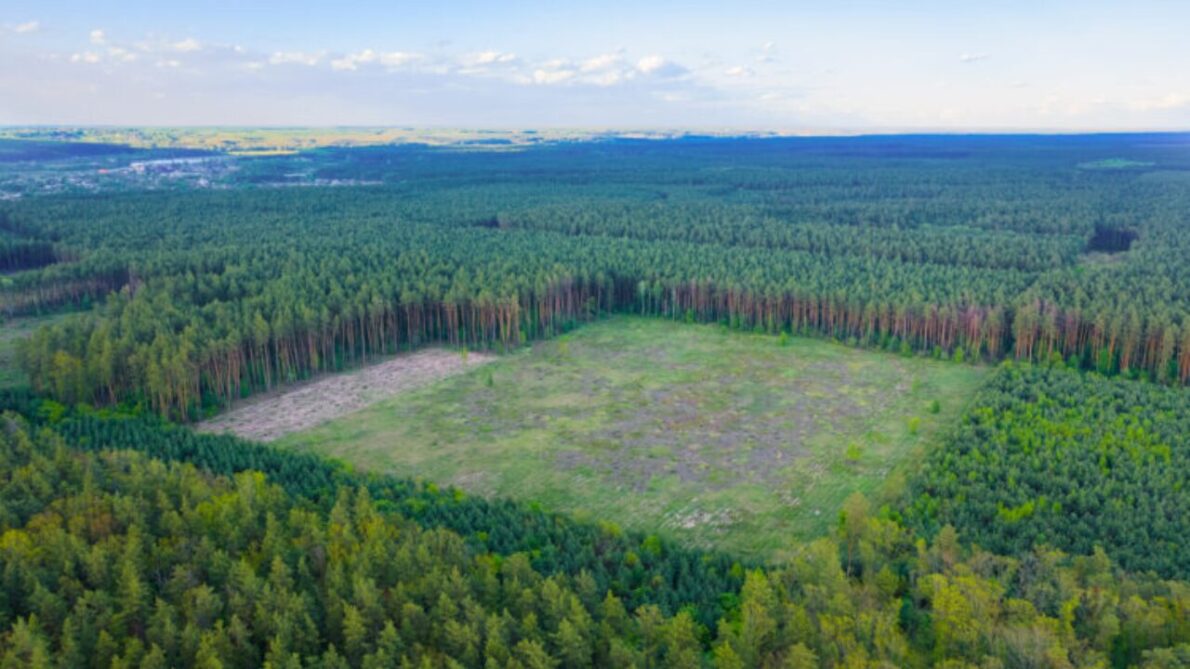
Lula Aims to End Illegal Deforestation in the Amazon by 2030. After a 45.7% Drop in One Year, the Challenge Grows with a 33% Increase in July, Highlighting the Importance of Prodes and Deter
President Luiz Inácio Lula da Silva has one of his main environmental goals to reduce illegal deforestation in the Amazon to zero by 2030. Although the government has shown significant progress, the challenge remains monumental, especially in light of the recent increase in the deforestation rate observed in July 2024, following 15 consecutive months of decline.
Results from 2023 and the Impact of Prodes
Illegal deforestation in the Brazilian Amazon fell 45.7% in the last year, reaching its lowest level since 2016. According to data from the National Institute for Space Research (INPE), between August 1, 2023, and July 31, 2024, the Amazon lost 4,314 square kilometers of vegetation. This decline is attributed to more intense law enforcement efforts and the return of robust environmental policies that were weakened during the previous administration.
The Prodes system (Program for the Calculation of Deforestation in the Amazon) has been essential for monitoring and controlling deforestation in the region. Established in 1988, Prodes uses satellite images, such as those from Landsat, CBERS, and Sentinel, to measure annual deforestation rates due to clear-cutting. Prodes is considered a global reference in forest monitoring, and its measurements are vital for the development of long-term public policies aimed at curbing the destruction of the Amazon and the Cerrado.
-
Bolivian Female Construction Workers Form Association to Combat Discrimination and 38% Pay Gap in the Industry

-
Near Amsterdam, residents buy land and discover they must also build streets, manage drainage, handle waste, and grow food on half their plot.
-
Without a mansion, without high investment, and without a traditional classroom, a teacher living in a 22 m² house taught students to build a 9 m² studio apartment with the equivalent of R$10,000.
-
Without her own home and pressured by rent, a 25-year-old bought a small 15-meter boat, gradually renovated the interior by herself, transformed the interior with paint, new flooring, a larger bathroom, and started living on the canals, paying much less per month.


However, Prodes is not alone in this task. Complementing it is the Deter system (Real-Time Deforestation Detection), which was launched in 2004 and provides daily alerts about deforestation, allowing environmental agencies, such as Ibama, to respond quickly to illegal activities. While Prodes provides a more accurate annual view of deforestation, Deter allows for an immediate response to new destruction hotspots, playing a crucial role in preventing more extensive damage.
Recent Challenges and Influential Variables
Despite the downward trend in the last year, illegal deforestation peaked in July 2024, with the destruction of 666 square kilometers of vegetation. This increase was 33% compared to July 2023 and 44.4% compared to June 2024. This growth can be explained by a combination of factors, such as the intense drought caused by the El Niño phenomenon, the strike of Ibama’s employees, and the approach of municipal elections, a period when mayors tend to be more lenient with illegal activities.
Impact on States and Conservation Units
The reduction in deforestation was more pronounced in five of the nine states that make up the Brazilian Amazon. Rondônia, Amazonas, Acre, Mato Grosso, and Pará recorded the largest percentage drops. The Conservation Units and Indigenous Territories also played a crucial role in this reduction, with drops of 67% and 50%, respectively.
Lula da Silva’s plan to achieve zero illegal deforestation by 2030 is ambitious but essential for the preservation of the Amazon biome. Strengthening resources for enforcement and the continued use of monitoring systems like Prodes and Deter will be crucial to achieving this goal. However, the recent increase in deforestation serves as a warning that challenges remain, requiring ongoing vigilance and effective policies to ensure the Amazon continues to play its vital role in the global climate balance.








Be the first to react!