





 Portuguese
  English
  Spanish
  5 min of reading
  0 comments


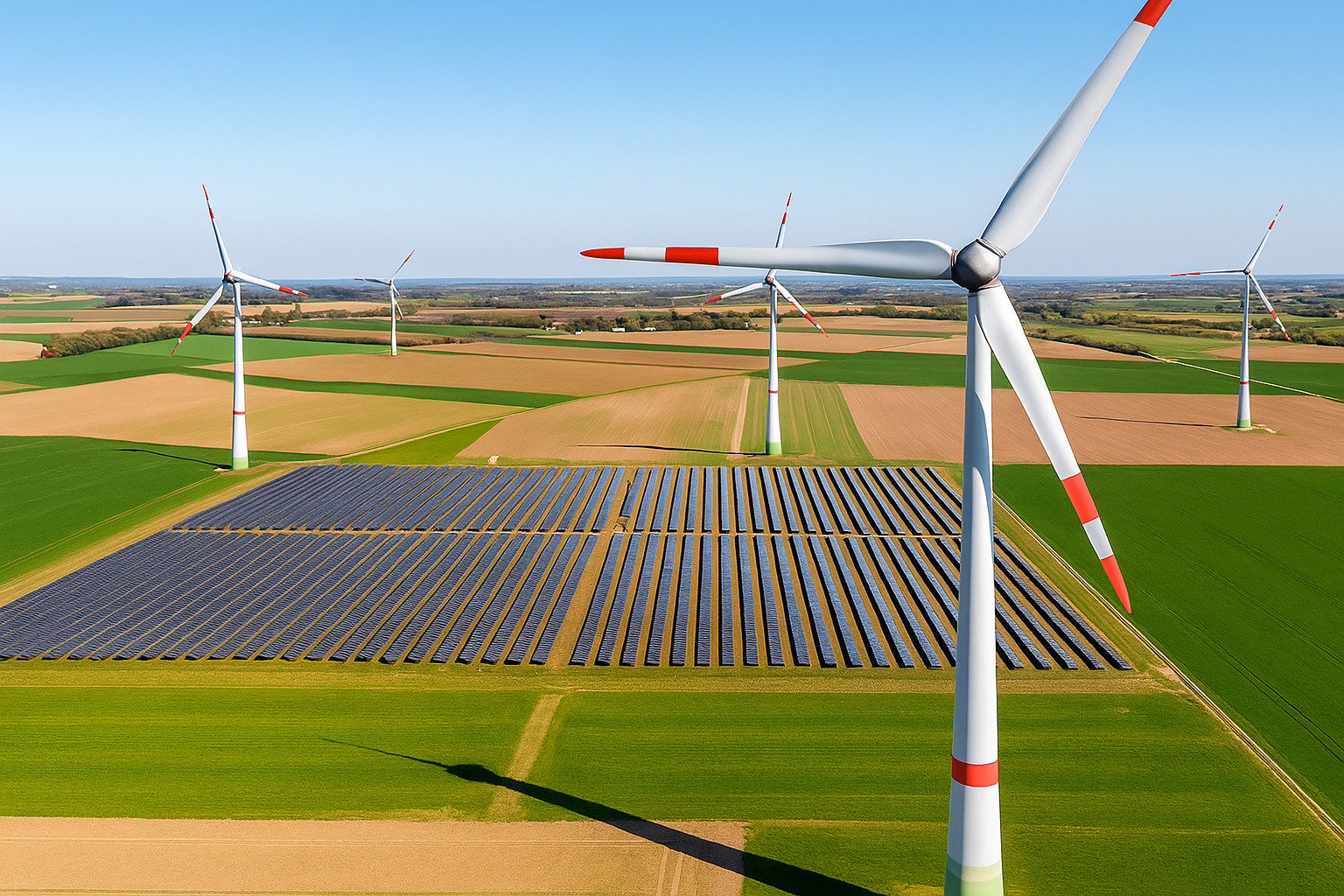
Discover How Wind and Solar Power Already Represent Almost 1/4 of Electricity in Brazil, Showcasing the Advancement of Renewable Sources in the Country.
Brazil has been consolidating, over the past few decades, a prominent role in generating electricity from renewable sources.
Therefore, among these sources, wind and solar energy are increasingly relevant, representing a significant advancement in the country’s energy matrix.
Moreover, according to the National Energy Balance (BEN) 2025, these two sources accounted for 23.7% of total electricity generation in 2024, almost a quarter of the electricity produced in the country.
-
Researchers discover a possible hydrogen deposit of up to 46 million tons beneath an ancient coal basin, and the volume could exceed half of the entire global production.

-
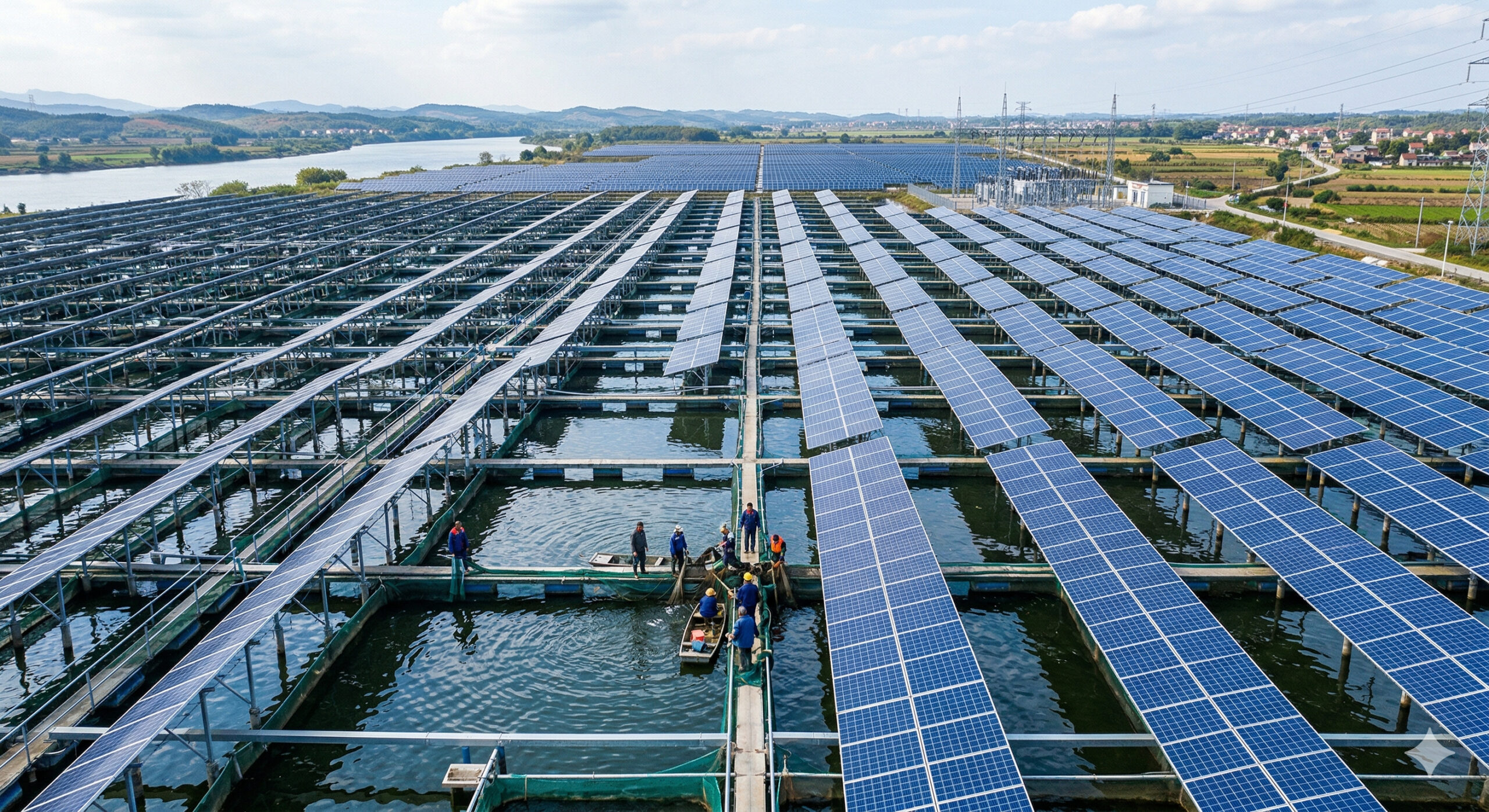
China bets on the Fishery-PV model and transforms fish farms into giant solar plants, covering ponds with panels that generate energy while utilizing the same space for large-scale aquaculture production.
-
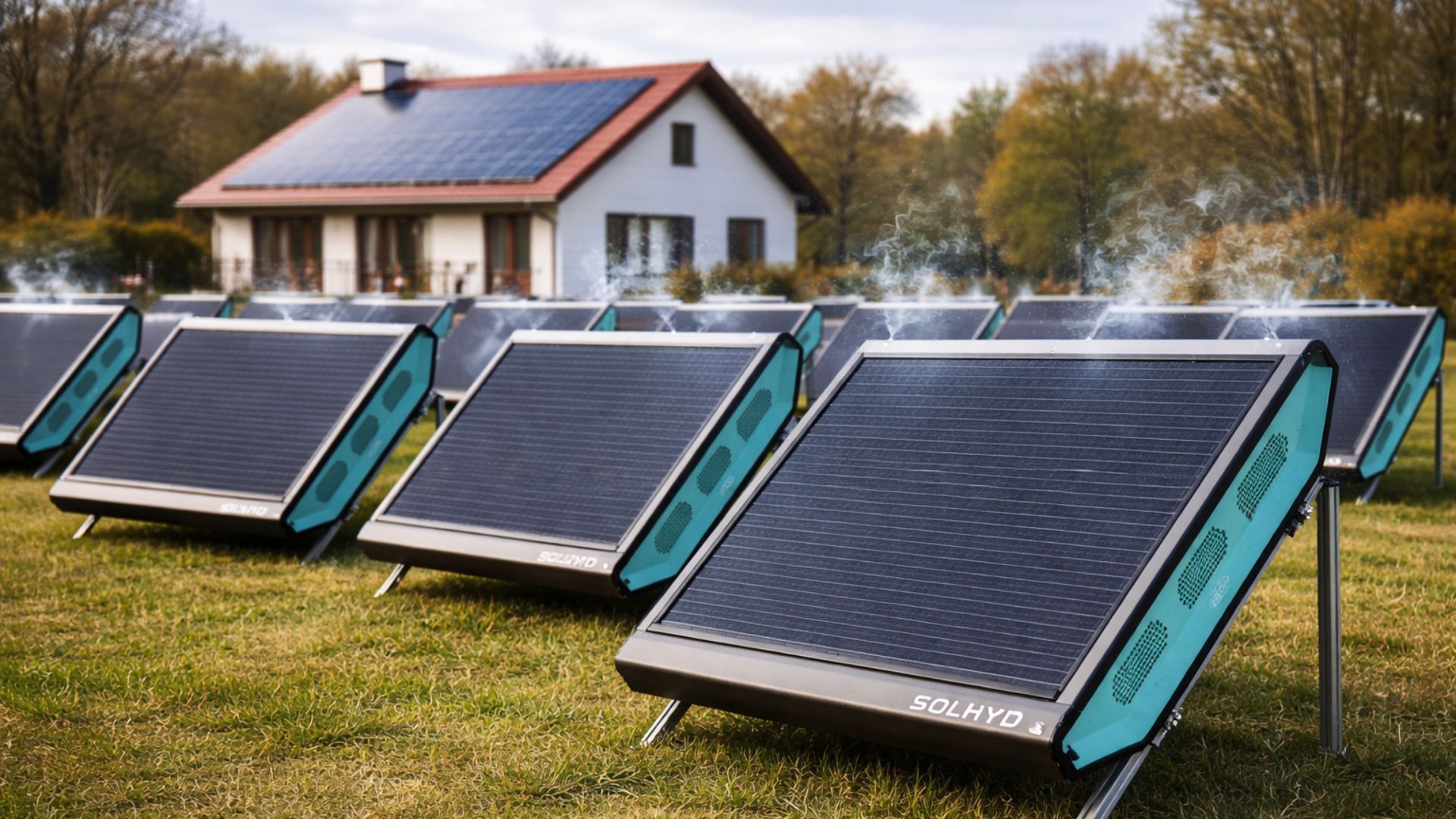
Green hydrogen at home: Belgium launches new technology that makes solar panels produce fuel from the moisture in the air, which could boost the energy transition.
-
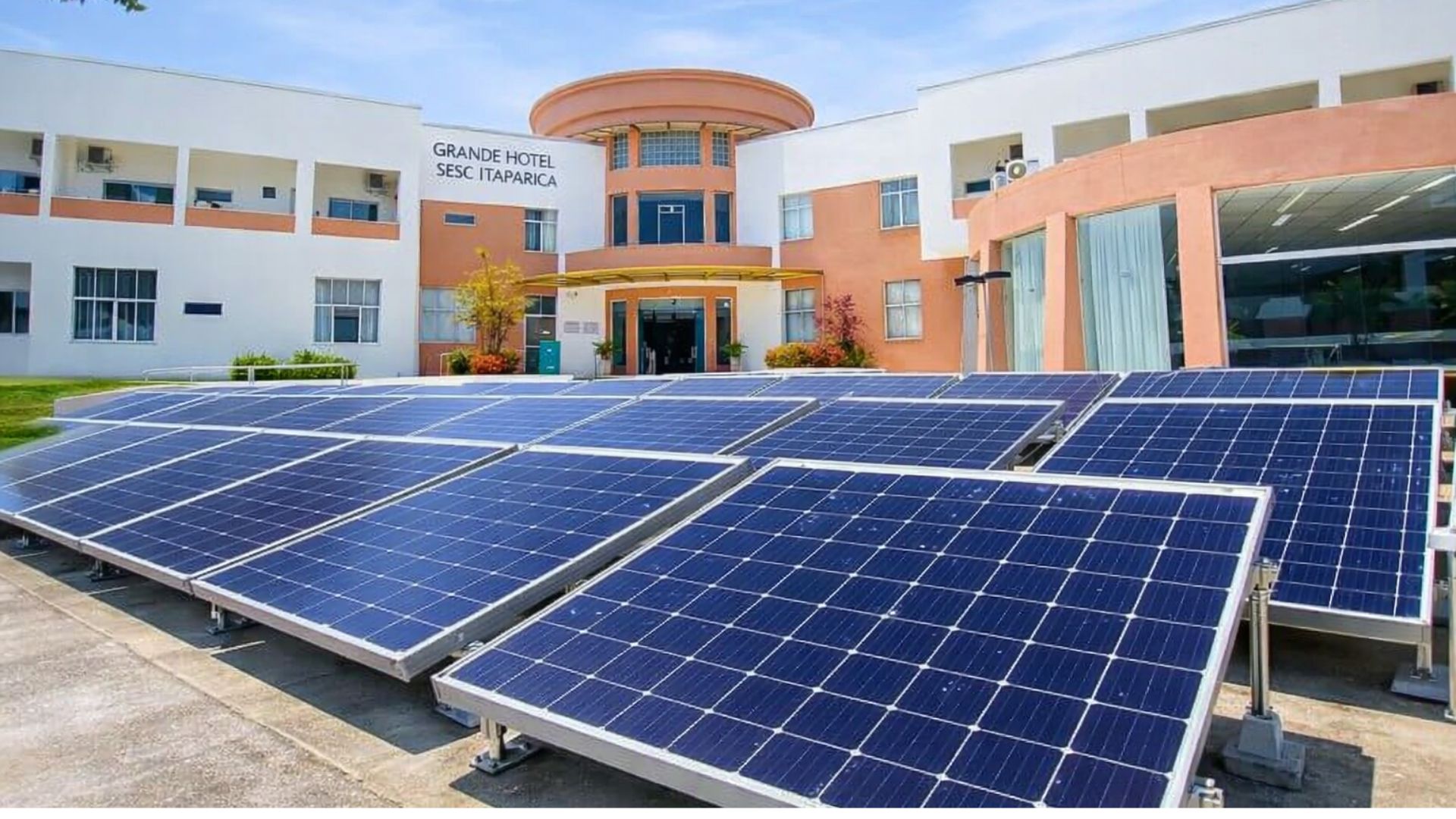
Sesc-BA bets on renewable energy with the support of EDP and drives the energy transition with a direct impact on cost reduction and the sustainability of its operations in Bahia.
This result reinforces Brazil’s position as a global reference in clean and sustainable energy.
Historically, the country has always relied on an energy matrix heavily based on renewable sources.
Thus, hydropower dominated for decades, harnessing the extensive rivers and favorable topography to build large hydroelectric plants.
However, the nearly exclusive dependence on water brought challenges, such as dry periods that affected electricity production.
Therefore, the country began to diversify its sources, investing in alternatives such as wind energy, derived from wind, and solar energy, obtained from sunlight.
In this way, this diversification has become essential to ensure energy security, stimulate regional development, and reduce environmental impacts.
Expansion of Wind Energy
Wind energy began to gain momentum in the early 2000s, with the first projects in regions with constant winds, such as the Northeast.
Thus, these projects took advantage of the country’s natural capacity, exploring coastal areas and semi-arid regions that feature strong and consistent winds.
Over time, wind farms spread across various states, fueled by public policies, energy auctions, and incentives for clean energy production.
Additionally, in 2024, wind generation advanced by 12.4%, showcasing the maturity and continuous growth of this sector.
Therefore, the success of wind energy demonstrates how the country can combine abundant natural resources with strategic planning and technological innovation.
Beyond the Northeast, other regions began investing in wind farms, indicating that Brazilian potential is still far from being fully explored.
Indeed, new projects in the Southeast and South increase installed capacity and reinforce the importance of wind as a consistent renewable source, especially during drought periods.
Advancement of Solar Energy
Solar energy shows an even more accelerated growth.
Initially, few believed in the economic viability of this source; however, the development of more efficient technologies, the reduction in the cost of photovoltaic panels, and incentive policies have made solar energy accessible and competitive.
Between 2023 and 2024, solar generation grew an impressive 39.6%, consolidating its role in the Brazilian electricity matrix.
Furthermore, solar energy adapts to both large plants and self-production, with panels installed in homes, businesses, and industries.
Thus, this growth reflects the global trend of adopting clean and distributed energy solutions.
Moreover, solar energy promotes energy inclusion in remote areas, allowing isolated communities to access electricity sustainably.
At the same time, the solar sector encourages research and development in photovoltaic technologies, energy storage, and efficiency.
This generates specialized jobs and strengthens the country’s technological economy.
Impacts on the Energy Matrix and Economy
The growth of wind and solar energy strongly influences the energy matrix and the country’s economy.
Moreover, by reducing dependence on fossil sources and greenhouse gas emissions, these sources decentralize energy generation, allowing previously isolated regions to receive electricity reliably.
Furthermore, this decentralization favors regional development, generating jobs and stimulating investments in infrastructure.
Therefore, the National Energy Balance 2025 shows that the increase in the participation of wind and solar sources, along with the growth of natural gas (+23.9%), slightly reduced hydropower participation, which fell by 1% compared to the previous year.
In total, the domestic supply of electricity reached 762.9 TWh, an increase of 5.5% compared to 2023.
Consequently, these numbers indicate that Brazil maintains its tradition of a renewable matrix, while managing to diversify it efficiently and sustainably.
Moreover, this balance between different energy sources ensures continuous and reliable supply for the population and industry.
International Comparison and Leadership in Renewables
The role of renewable energies in Brazil stands out when compared to the global average and the OECD countries’ average.
Indeed, in 2024, renewable sources accounted for 88.2% of electricity generation, well above the global average.
Since 2004, Brazil has maintained over 70% of its electricity generation from renewable sources, consolidating its international image as a country committed to sustainability and innovation in the energy sector.
Furthermore, the growth of wind and solar energy generates positive impacts on the economy.
Additionally, the expansion of these sectors requires investments in technology, construction, and maintenance of wind and solar farms, creating thousands of jobs.
Simultaneously, the reduction of dependence on fossil fuels keeps energy prices more stable.
This makes the electricity sector resilient to external crises, such as fluctuations in oil prices or geopolitical events.
Thus, Brazil’s leadership in renewables also exerts diplomatic and environmental effects.
In this way, the country becomes an example of clean energy policies, international cooperation, and meeting global climate goals.
Technology and Integration into the Electric Grid
Another important point is integrating renewable energies into the electric grid.
This is because the intermittent nature of wind and sun requires intelligent energy storage and distribution systems.
Thus, the country stimulates the development of technologies such as large-capacity batteries, smart grids, and energy efficiency solutions.
This strengthens the entire energy infrastructure of the country.
Therefore, Brazil is at a crucial moment of energy transition.
The combination of wind, solar, and hydropower, along with the increasing participation of natural gas, demonstrates that it is possible to build a balanced, sustainable, and reliable electric matrix.
Thus, this trajectory reinforces the country’s position as a leader in clean electricity generation and inspires other countries to invest in renewable solutions.
Moreover, investments in energy storage and grid connectivity allow for better utilization of each region’s potential and reduce losses.
This makes the matrix more efficient and modern.
Clean Energy as a Long-Term Strategy
The history of the Brazilian electric sector shows that investments in wind and solar energy do not represent just a passing trend.
Indeed, consistent public policies, incentives for technological innovation, and societal awareness of the importance of sustainability ensure that these sources become consolidated.
With the continuation of this path, Brazil will further increase the participation of clean energy.
This strengthens its economy, protects the environment, and ensures energy for future generations.
In summary, the latest numbers confirm that wind and solar energy represent almost a quarter of electricity generation in Brazil, marking a historical advancement in the diversification and modernization of the national energy matrix.
Thus, the continuous growth of these sources demonstrates that it is possible to reconcile economic development with environmental preservation.
In this way, the country transforms into a global reference in clean and renewable energy.
With strategic planning and continuous investments, Brazil can achieve new sustainable generation goals, ensuring energy security and sustainability for future decades.










Seja o primeiro a reagir!