





 Português
  Inglês
  Espanhol
  3 min de leitura
  0 comentários


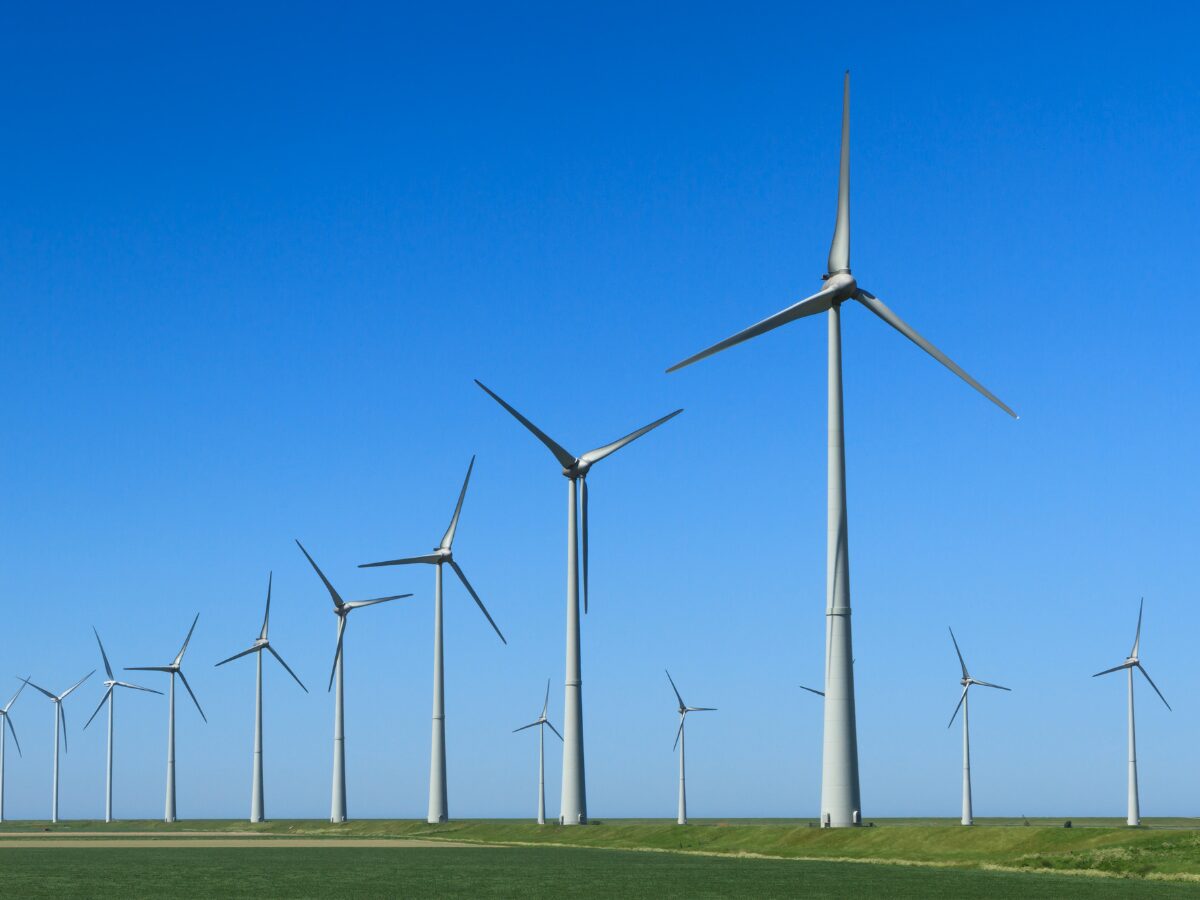
Brazil Stands Out Among The Five Largest In Installed Wind Energy Capacity, According To The GWEC. However, Expansion Goals By 2030 Are Threatened By Economic Barriers And Political Instability.
The global wind energy sector is projected to grow at an average annual rate of 8.8% by 2030, according to the Global Wind Energy Report 2025, released by the Global Wind Energy Council (GWEC). The expectation is that the installed capacity will increase by 981 gigawatts (GW) over the decade.
Despite the promising scenario for energy transition, the study warns of significant risks: political instability, combined with regulatory and economic barriers, threatens the achievement of the international goal to triple renewable energy generation by the end of the decade.
Global Wind Energy Growth Is Driven By Major Economies
In 2024, wind energy recorded 117 GW of new installed capacity, with 109 GW coming from onshore plants and 8 GW from offshore projects. This volume represents a slight increase compared to the 116 GW added in 2023.
-
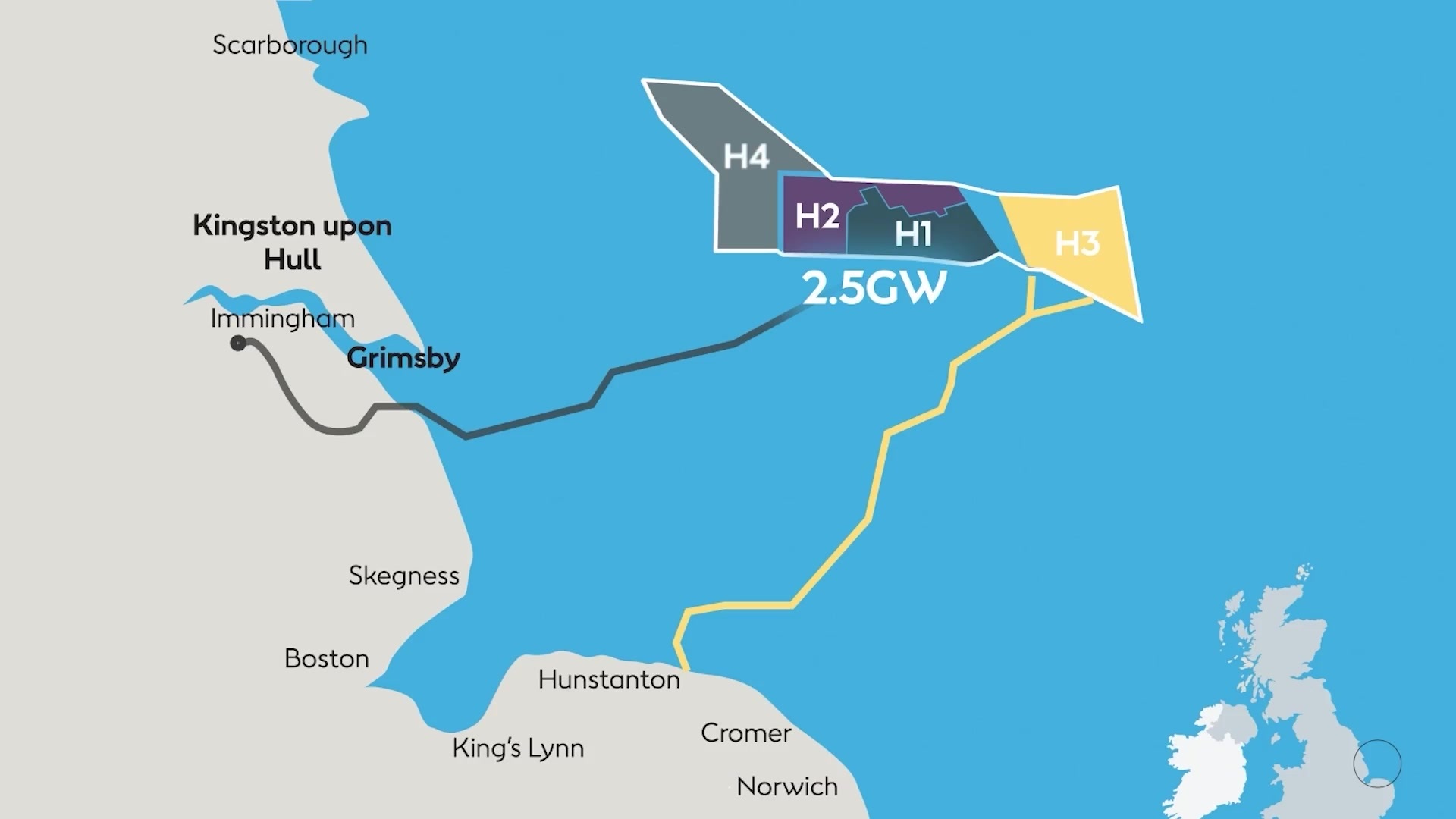
231 turbines of 260 meters at 160 km from the coast, monopiles weighing as much as nine blue whales embedded in the North Sea, and a crane ship taller than the Eiffel Tower: Hornsea 3 will be the largest offshore wind farm on the planet by 2027, and its first components have already arrived in England.
-
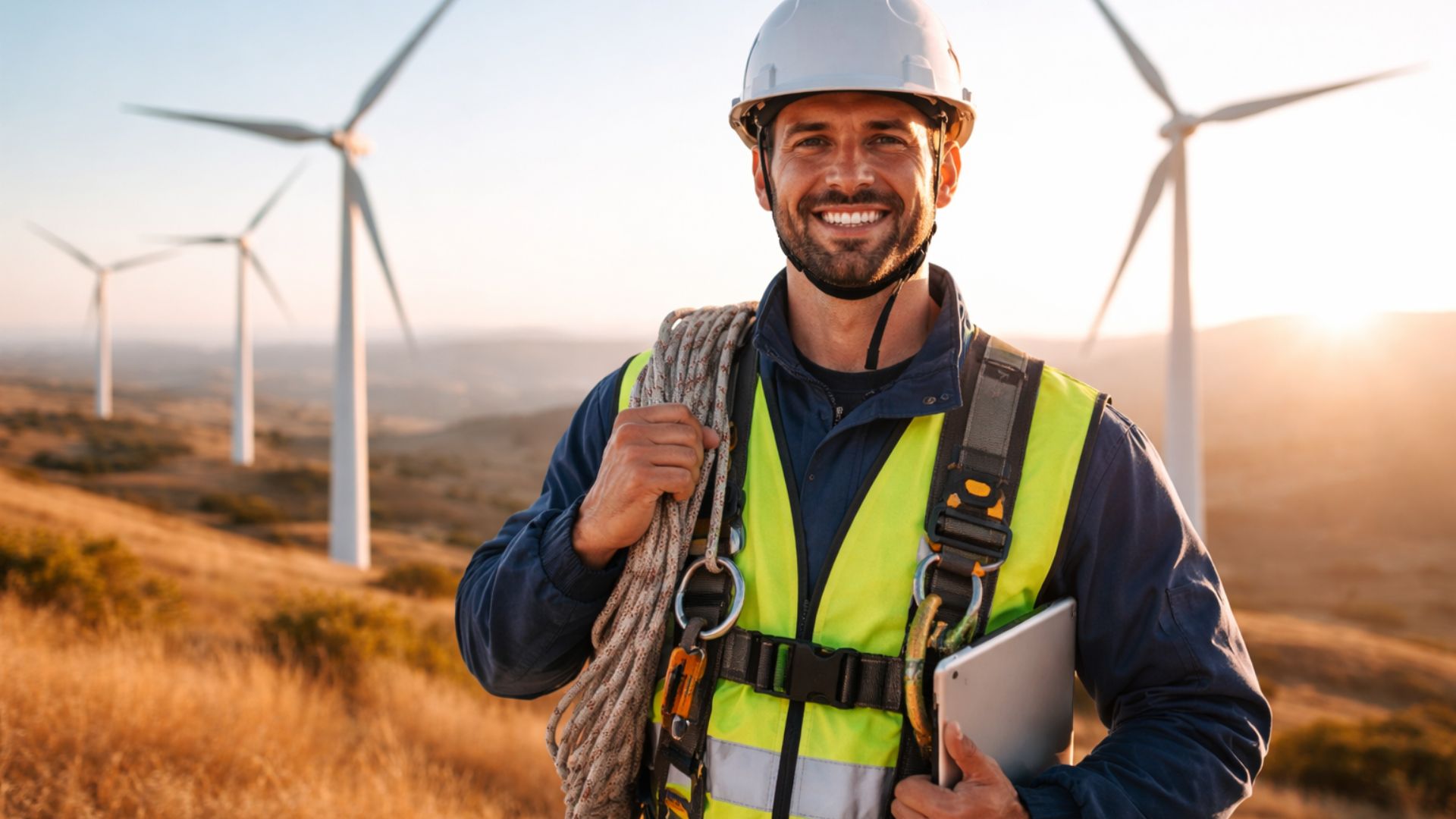
International Certification Puts Senai Norte on the Renewable Energy Map and Expands Access to Essential Training for Qualified Wind Power Professionals
-
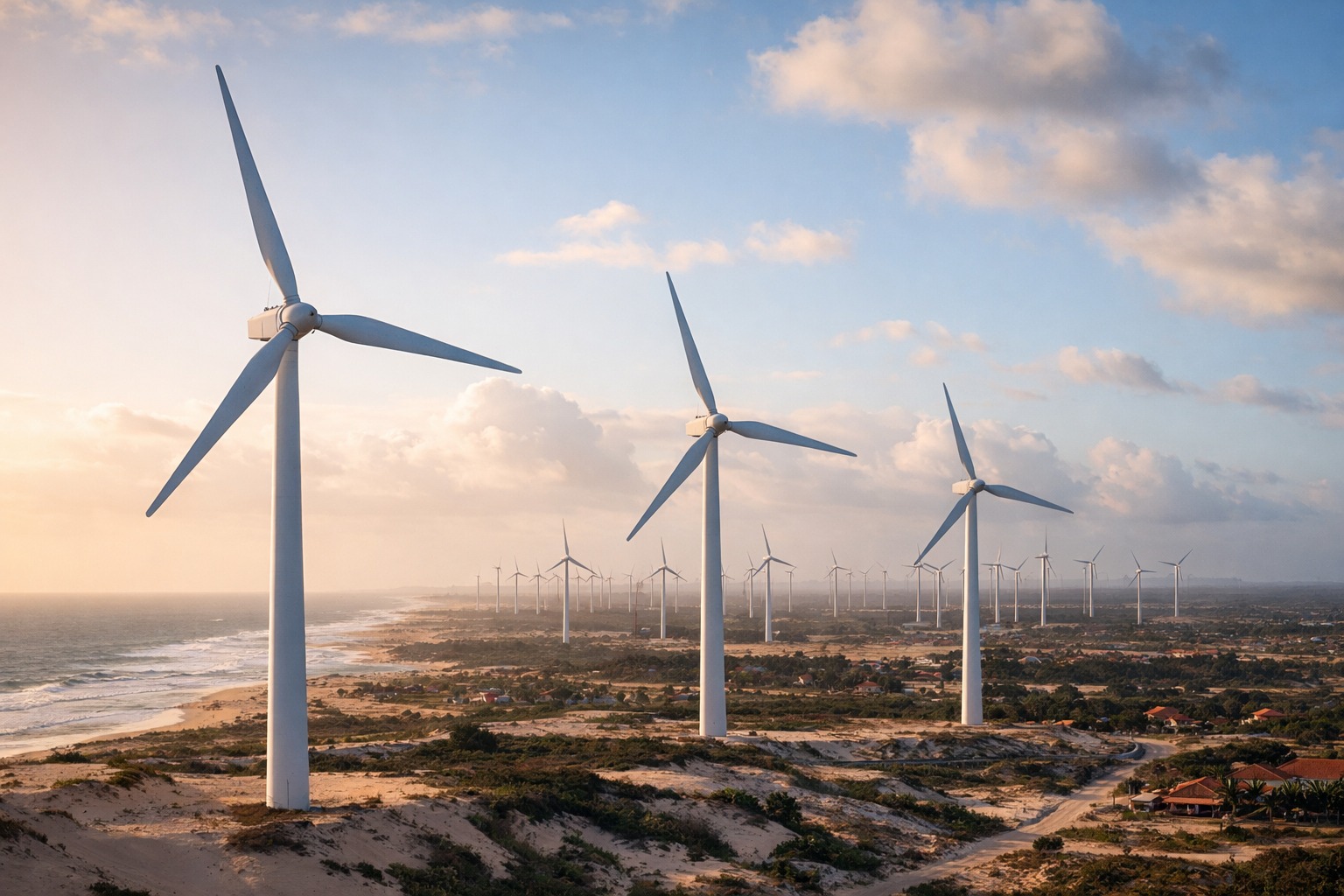
The Winds of the Northeast Are in Foreign Hands: Nearly 70% of the Region’s Wind Farms Are Owned by International Companies, with France, China, and Italy Leading Investments in Wind Energy in Brazil
-
Echoenergia’s Wind Farms Receive Diamond and Platinum Seals and Boost Carbon Credits with Projects that Prevent Large Volumes of Annual Emissions
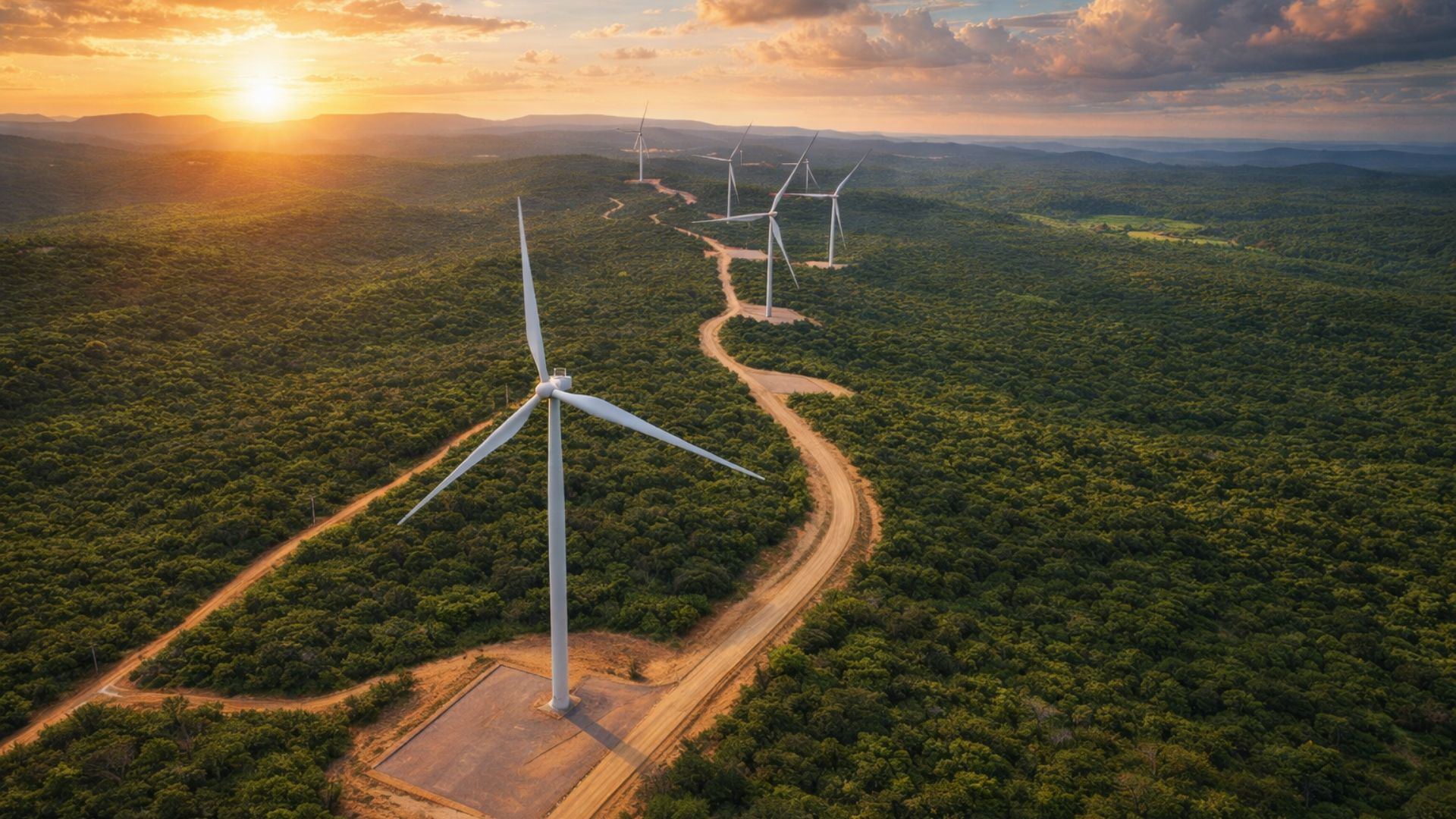
Thus, the total accumulated global capacity reached 1,136 GW, reflecting the advancement of electrification as one of the main strategies for decarbonization on the planet.
However, growth is uneven. China led the expansion with 79,824 MW, followed by the United States (4,058 MW), Germany (4,022 MW), India (3,420 MW), and Brazil (3,278 MW), which surpassed Spain in the global ranking.
The Asia-Pacific region saw a growth of 7%, while Africa and the Middle East surprised with a jump of 107%, driven mainly by the 794 MW installed in Egypt and 390 MW in Saudi Arabia.
Political Instability Compromises Legal Security And Investments
Despite the advancement of wind energy, the GWEC warns that the current political environment may slow down the necessary investments to sustain this pace. Ben Backwell, CEO of the GWEC, highlighted the challenges faced by the sector.
“We live in a more unstable political scenario, with ideological attacks on wind energy and project standstills. This undermines investment security,” he stated.
The tariff war initiated during the term of former U.S. President Donald Trump also remains a significant obstacle, raising costs and straining the supply chain.
“The aggressive incitement of tariff wars further increases uncertainty in investment decisions. The total costs resulting from these tariffs, both general and on commodities like steel, have yet to be fully measured,” Backwell added.
Urgent Actions To Secure A Sustainable Energy Future
To achieve the global goal of tripling renewable generation capacity by 2030, the GWEC advocates for a stronger role of governments.
Among the recommendations are the creation of stable and predictable market structures, as well as improvements in environmental licensing mechanisms, energy transmission, and project auctions.
“Policymakers cannot take their eyes off the prize,” Backwell warned, emphasizing the importance of free trade and international cooperation to maintain the attractiveness of the wind sector.
Brazil Establishes Itself As A Highlight In Wind Energy
With 3,278 MW of new capacity added in 2024, Brazil establishes itself as a leader in Latin America and ranks among the five countries that expanded their wind base the most in the past year.
This position reinforces the country’s potential as a protagonist in the energy transition, although progress also depends on political stability and regulatory security.
Wind energy continues on an upward trajectory, being a key element in the fight against climate change. However, political instability and global trade conflicts remain major obstacles to achieving the goals.
The future of the sector will depend on the ability of global leaders to create a conducive environment for long-term investments—and, above all, to protect the sector from ideological and economic interferences that compromise its sustainable expansion.
With information from MegaWhat








Seja o primeiro a reagir!