





 English
  Francês
  Alemão
  Italiano
  Japonês
  Norueguês
  Portuguese
  Spanish
  2 min of reading


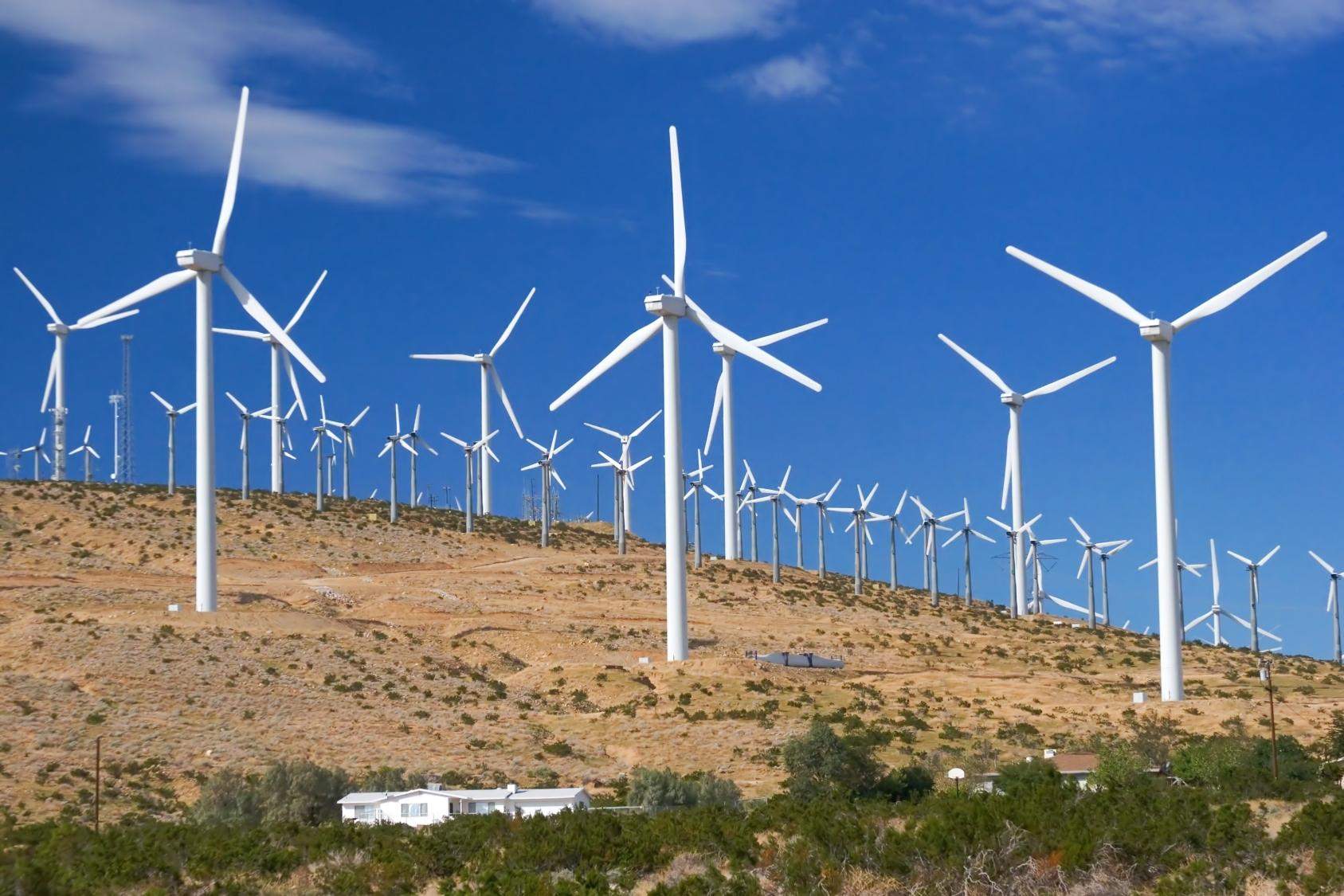
Study Conducted by CCEE (Electric Energy Trading Chamber), Wind Energy Is the Cheapest Renewable Energy Source on the Market
A study conducted by the Electric Energy Trading Chamber, CCEE, concluded that from 2015 to 2019, the cheapest renewable energy source was wind energy. According to the chamber, these values take into account the results of the electricity trading process during the analysis period, which were available on February 14, 2020, and updated by IPCA-IBGE until April 2020.
Check Out Other News of the Day:
- Setac Alpinism and Maintenance is Hiring Boiler Makers, Welders, Plumbers, Sheet Metal Workers, Painters, and More, for São Paulo and Espírito Santo
- In Macaé, a service provider in the oil and gas sector is looking for offshore candidates with experience in drilling units for the position of operator
- Leader in the manufacturing of machines, engines, and heavy vehicles, Caterpillar is now accepting applications for its engineering internship program in São Paulo
The second cheapest energy source in the market was biomass, with an average price of R$ 253.5/MWh. Following that were PCHs – Small Hydroelectric Plants, although the event’s value was low, it was still affected by the lack of water. As described in 2017, the hydrological cost increased by 39.5% due to the renegotiation of costs, and the auction value rose by 21% due to the energy deficit in the MRE.
According to the study, wind energy became cheaper due to the low prices practiced in the contracting auctions, despite the additional costs of the source, such as the cost of dispatching thermal plants and secondary frequency control due to its intermittent generation. Wind energy recorded an average price of R$ 195 per MWh last year, leaving behind biomass plants (R$ 246/MWh), small hydroelectric plants – PHCs (R$ 280/MWh), and solar plants (R$ 321/MWh).
-
With 160,000 m² of collectors, an area larger than 20 football fields, Silkeborg, in Denmark, hosts a solar thermal plant that heats 19,500 homes and could become the largest solar heating plant in the world.

-
A study reveals the expansion of renewable energy procurement in Brazil and shows how companies are taking advantage of opportunities to reduce expenses, ensure energy efficiency, and strengthen strategic environmental commitments.

-
Mato Grosso do Sul excels in the sugar-energy sector: the state reaches a milestone of 22 operating mills and accelerates the production of clean energy in MS with a focus on sustainability.

-
National energy dilemma: Brazilians support clean energy but reject increases in tariff costs to finance the sustainable transition.










Seja o primeiro a reagir!