Portuguese
  Spanish


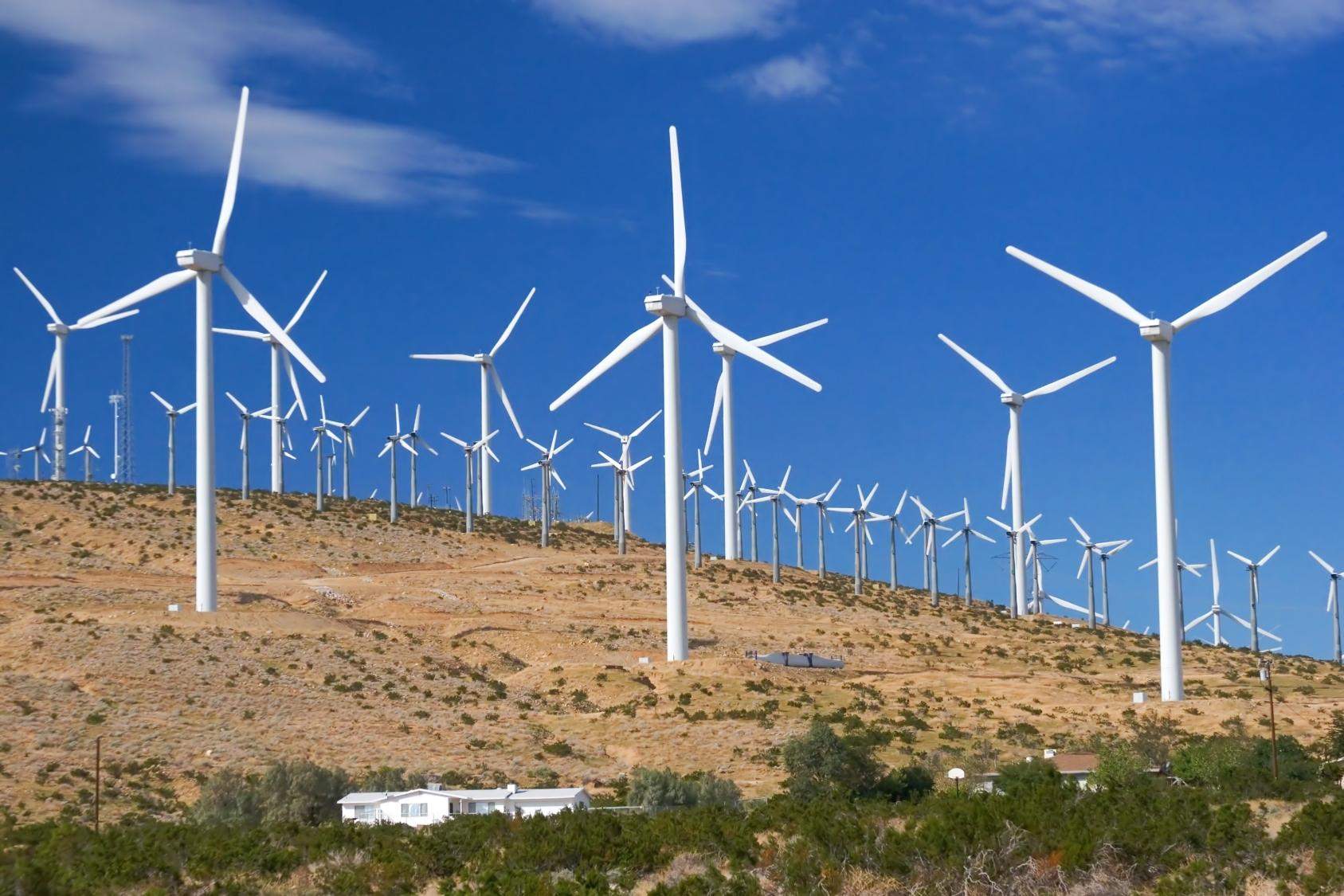

Study Conducted by CCEE (Electric Energy Trading Chamber), Wind Energy Is the Cheapest Renewable Energy Source on the Market
A study conducted by the Electric Energy Trading Chamber, CCEE, concluded that from 2015 to 2019, the cheapest renewable energy source was wind energy. According to the chamber, these values take into account the results of the electricity trading process during the analysis period, which were available on February 14, 2020, and updated by IPCA-IBGE until April 2020.
Check Out Other News of the Day:
- Setac Alpinism and Maintenance is Hiring Boiler Makers, Welders, Plumbers, Sheet Metal Workers, Painters, and More, for São Paulo and Espírito Santo
- In Macaé, a service provider in the oil and gas sector is looking for offshore candidates with experience in drilling units for the position of operator
- Leader in the manufacturing of machines, engines, and heavy vehicles, Caterpillar is now accepting applications for its engineering internship program in São Paulo
The second cheapest energy source in the market was biomass, with an average price of R$ 253.5/MWh. Following that were PCHs – Small Hydroelectric Plants, although the event’s value was low, it was still affected by the lack of water. As described in 2017, the hydrological cost increased by 39.5% due to the renegotiation of costs, and the auction value rose by 21% due to the energy deficit in the MRE.
According to the study, wind energy became cheaper due to the low prices practiced in the contracting auctions, despite the additional costs of the source, such as the cost of dispatching thermal plants and secondary frequency control due to its intermittent generation. Wind energy recorded an average price of R$ 195 per MWh last year, leaving behind biomass plants (R$ 246/MWh), small hydroelectric plants – PHCs (R$ 280/MWh), and solar plants (R$ 321/MWh).
-
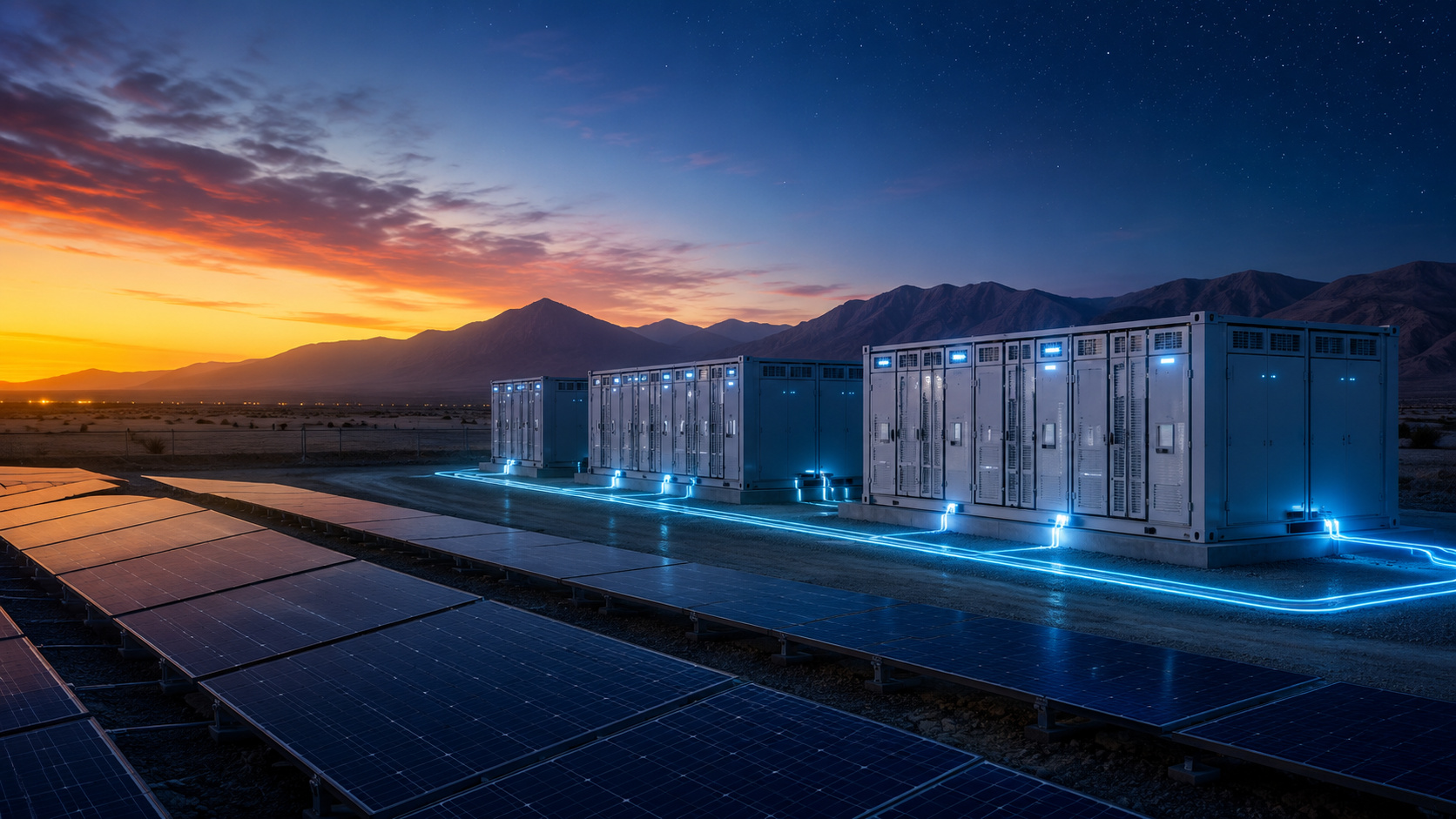
Giant Batteries Take Center Stage in Chile Auction as Company Offers 960 GWh of Solar Energy for Nighttime Use, Aiming to Stabilize Solar Power Supply

-
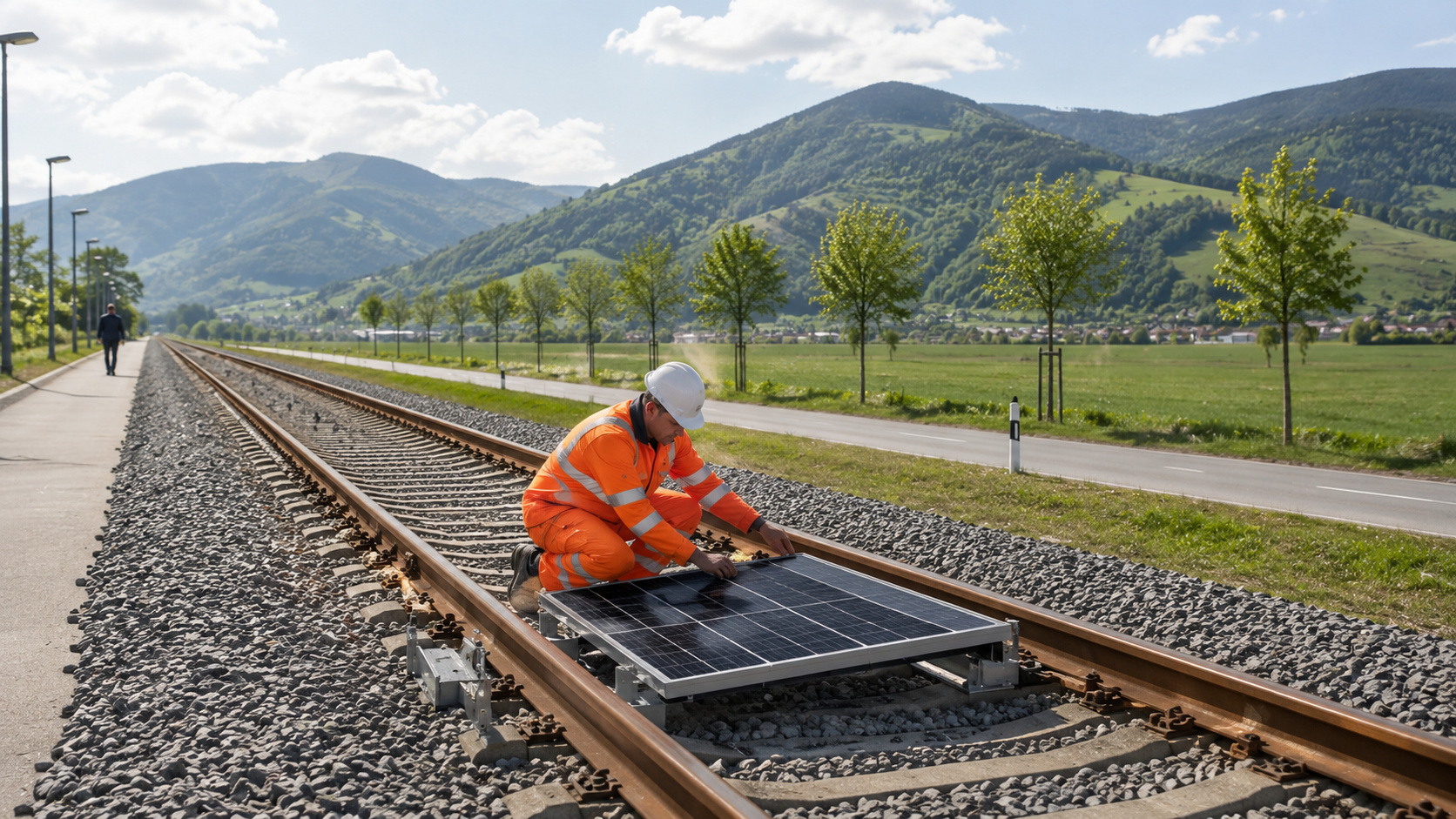
After a Year of Success in Switzerland, Solar Railway Attracts Italy’s Interest for Clean Energy Transformation
-
Robots Clean Solar Panels in Desert Power Plants Without Water, Preventing Energy Losses
-
Brazil’s Offshore Wind Energy Potential Worth $1 Trillion Stalled by Long-Delayed Agreement