





 Portuguese
  English
  Spanish
  4 min of reading
  0 comments


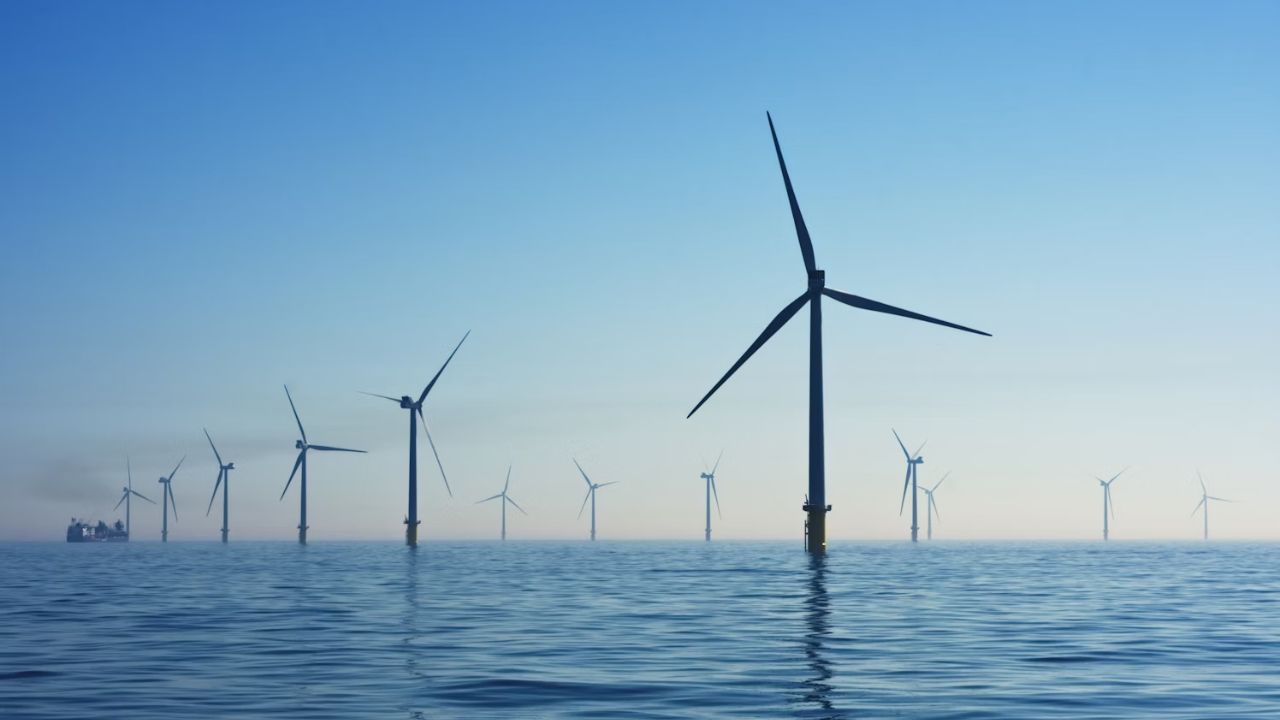
With the Growing Installation of Offshore Wind Farms to Achieve Climate Goals, the “Suction Effect” Arises, Where Turbines “Steal” Wind from Each Other, Decreasing Wind Energy Production and Generating Concerns.
The global quest for zero emissions drives the expansion of offshore wind farms. However, a concerning phenomenon is gaining attention: under certain conditions, these farms can “steal” wind from each other, affecting efficiency in energy generation.
Understanding the “Suction Effect” in Wind Energy Generation
The farms extract energy from the air. This extraction causes a reduction in wind speed. Peter Baas, a scientist at Whiffle, explains that the wind blows with less speed behind each turbine and the wind farm as a whole. This phenomenon is known as the “suction effect.” Essentially, the spinning turbines create a “wake,” decreasing the wind speed behind the wind farm.
Under specific weather conditions, this wake can extend over 100 km in large, dense offshore farms. More commonly, it reaches several dozen kilometers. If a wind farm is built upwind of another, it can reduce the energy generated by the downwind farm by up to 10% or more. Colloquially, this is called “wind theft.” Lawyer Eirik Finserås points out that the term is misleading because nobody owns the wind.
-
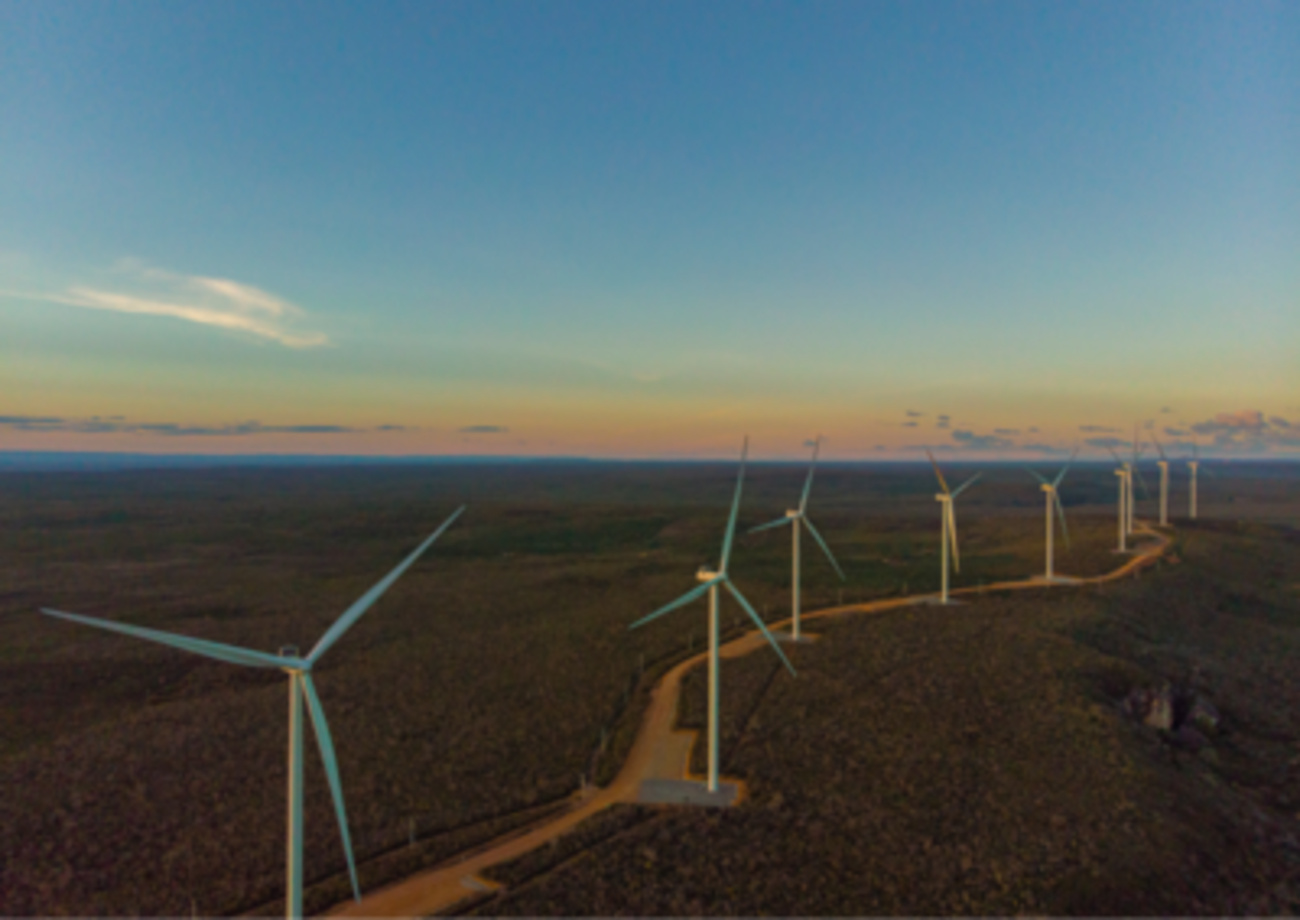
Giant of the winds in Rio Grande do Norte: Serra do Tigre Wind Complex receives new investments and accelerates the expansion of clean energy generation to supply millions of Brazilian homes.
-
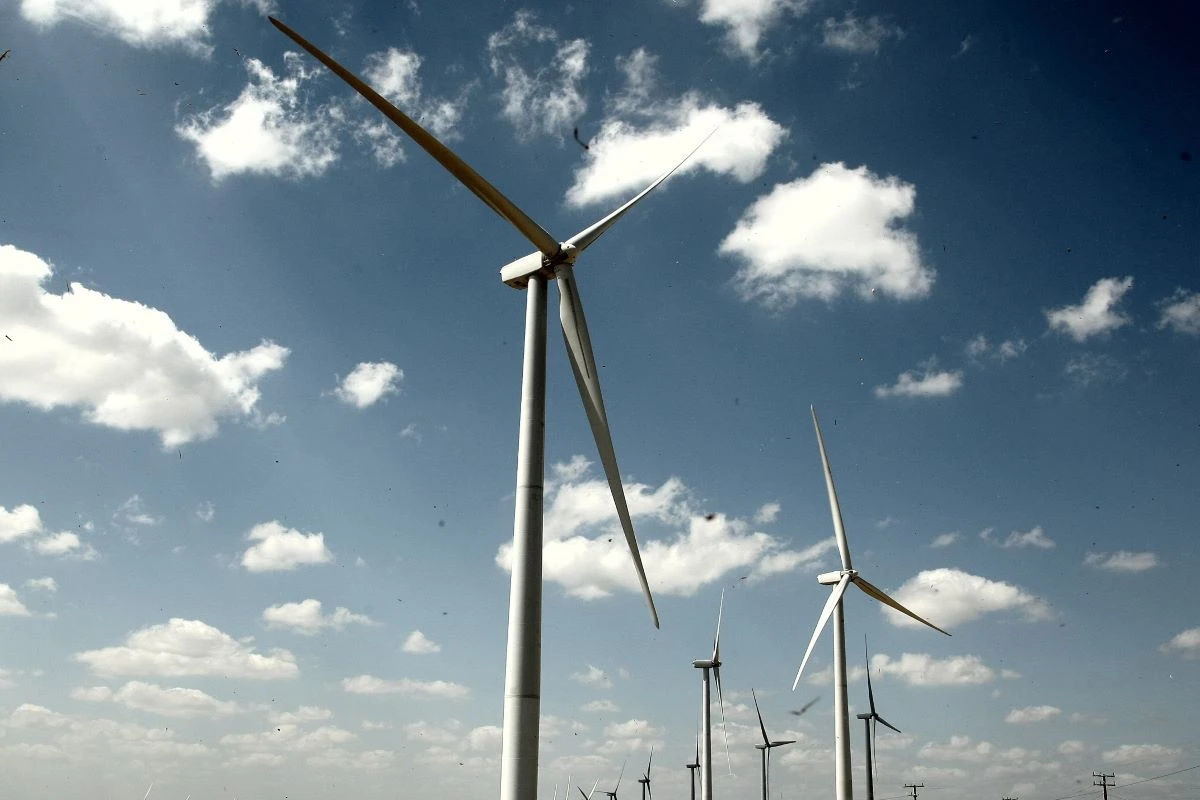
Urgent energy transition: Greenpeace advocates for massive investments and points to Brazil as a global leader in wind energy production in the coming years.
-
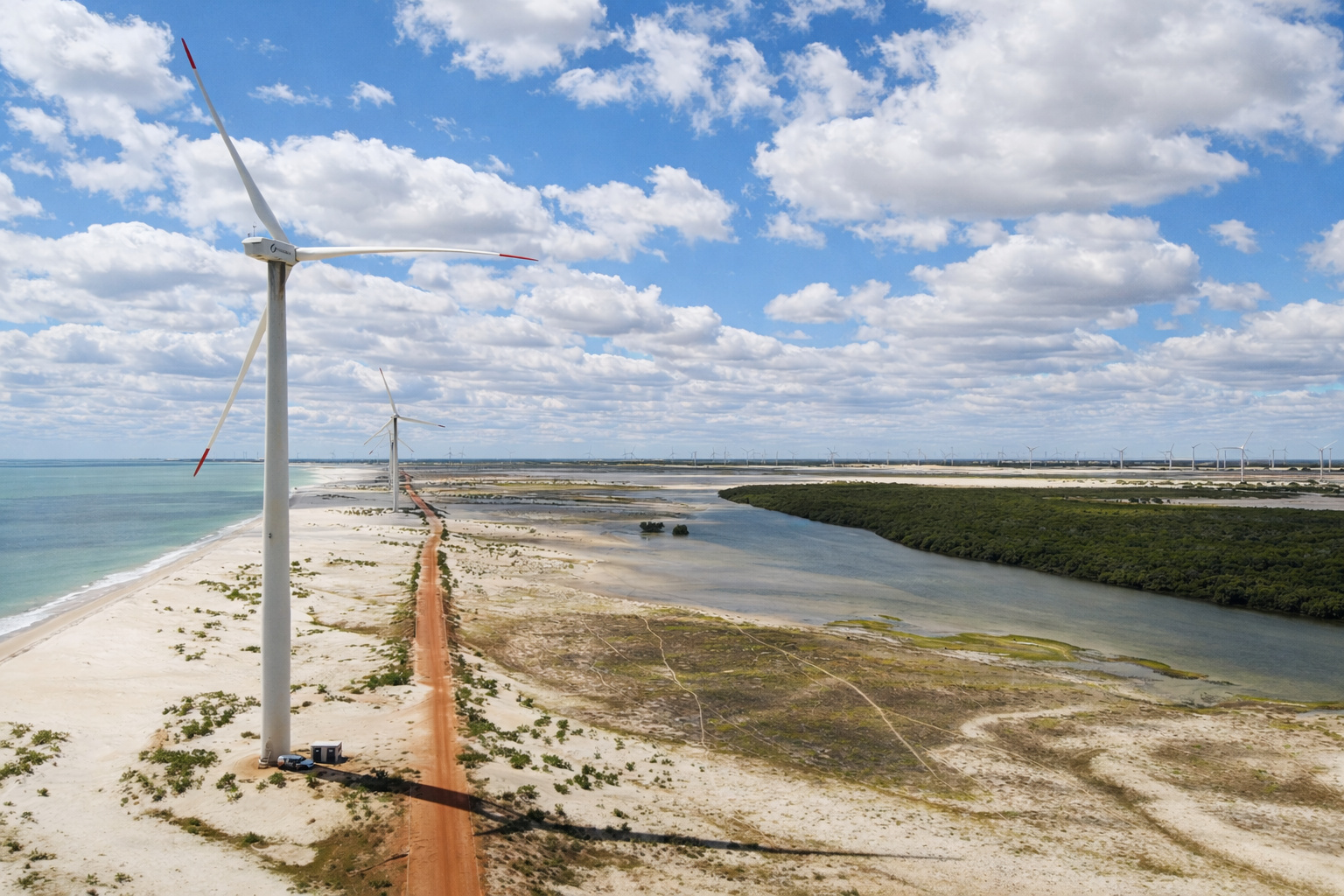
Conflict in the Sertão: Rural communities in Rio Grande do Norte report issues with wind farms and the new challenges of clean energy in the semi-arid region.
-
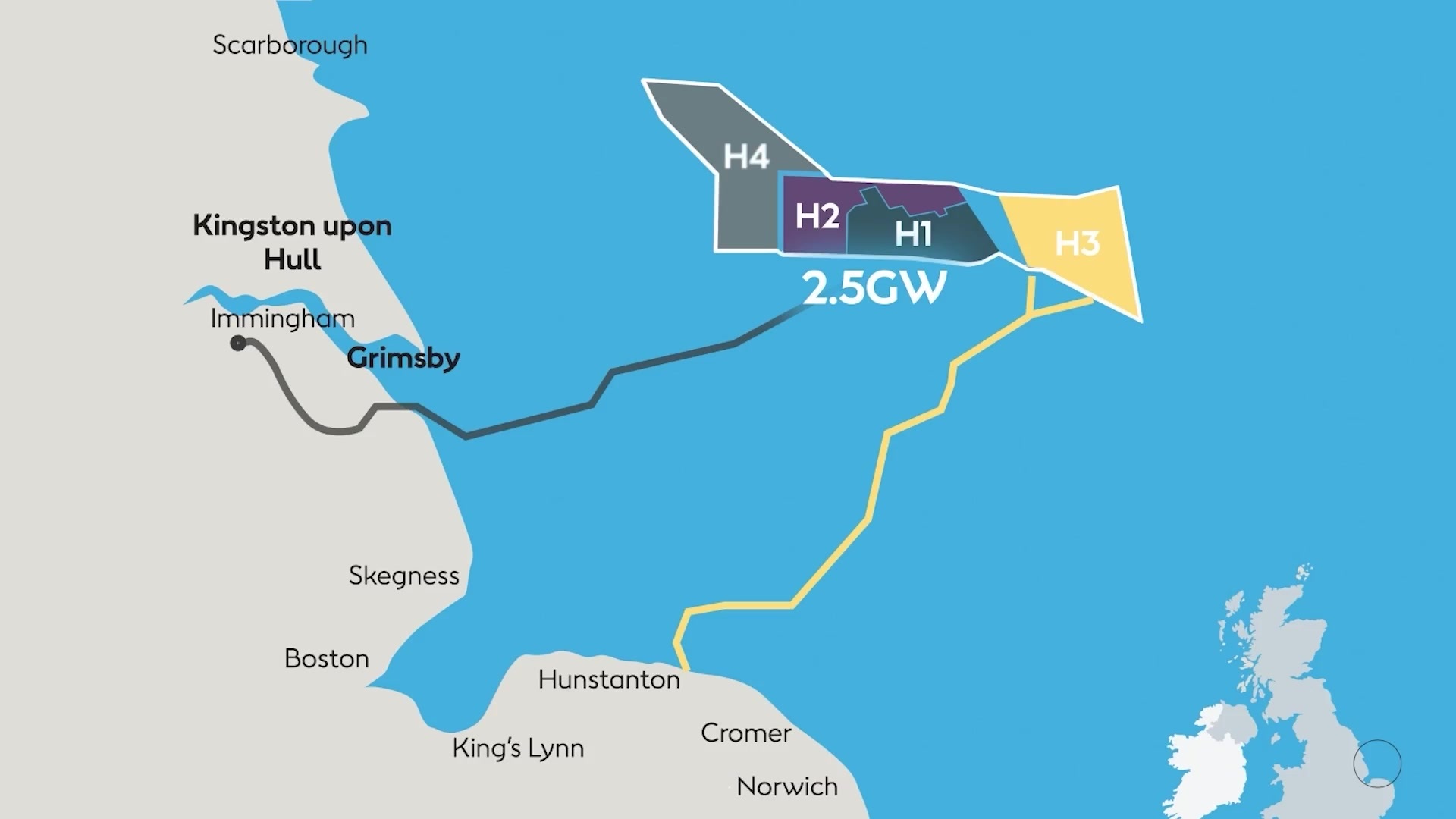
231 turbines of 260 meters at 160 km from the coast, monopiles weighing as much as nine blue whales embedded in the North Sea, and a crane ship taller than the Eiffel Tower: Hornsea 3 will be the largest offshore wind farm on the planet by 2027, and its first components have already arrived in England.

The Growing Relevance of “Wind Theft”
Although known, the problem of “wind theft” is gaining relevance. This is due to the scale and speed of offshore wind energy expansion. The size and density of the farms also contribute. In the North Sea, an energy hub in Europe, the impact of the suction effect is expected to increase. Simulations by Baas and other researchers indicate this, as the sea becomes more crowded with farms. The larger and denser the farm, the stronger the effect.
Pablo Ouro, a researcher at the University of Manchester, is leading a project to better understand the suction effect. He states that to achieve zero emissions by 2030, it will be necessary to triple energy capacity. This means installing thousands of turbines in less than five years, many close to existing ones. The turbines are also getting larger, with blades exceeding 100 meters. This increase could amplify the suction effect, as a larger rotor diameter can create a longer wake.
The Negative Impacts on Wind Energy
The phenomenon can have negative consequences for farm builders and cause cross-border issues. Several disputes regarding alleged wind theft are already underway. This worries countries that rely on increasing offshore wind energy production. The British government report from 2025 highlights the need to better understand suction effects, described as an emerging issue.
In the UK, there are disputes about potential suction effects, partially caused by uncertainties about the precise impact. Current spacing guidelines may not reflect the real extent of the wakes. With multiple farms, determining the interactions becomes complex. Finserås warns that the immense costs of building farms require stable electricity production for 25 to 30 years. Even a small reduction in output can financially jeopardize a farm. Trying to secure the best spots can lead to the “water race,” accelerating development and ignoring environmental protection.
Research, Regulation, and Cooperation for the Future
A new research project in the UK aims to provide a clearer framework for the suction effect. The intention is to help governments and builders improve planning and avoid disputes by modeling the impact in 2030. Finserås, in his study, analyzed how a planned farm in Norway could harm another in Denmark. He warns that if not addressed, the problem could lead to legal and political conflicts, hindering investments in wind energy.
The lawyer suggests that European countries cooperate and consult each other when planning wind energy farms. Clear regulations need to be established to manage wind as a shared resource, similar to oil deposits or transboundary fish stocks. Good political relationships between countries are helpful in addressing these issues.
The Urgency to Solve the Challenge in Wind Energy
Decarbonizing the energy sectors needs to be rapid. This is the European Union’s ambition for energy policies. Finding good solutions is crucial, even with the speed of the process. Finserås recalls that fighting for wind is not in anyone’s interest, and there is an incentive for equitable solutions. The problem is not exclusive to Europe; China is also rapidly expanding its offshore wind farms and facing increasing impacts from the suction effect. The great interest in Ouro’s project demonstrates the urgency of the issue. “We need to understand this… so that everyone has confidence, as we need this amount of offshore wind to achieve zero emissions. We need to make this happen,” concludes the researcher.









Seja o primeiro a reagir!