





 Portuguese
  English
  Spanish
  6 min of reading
  0 comments


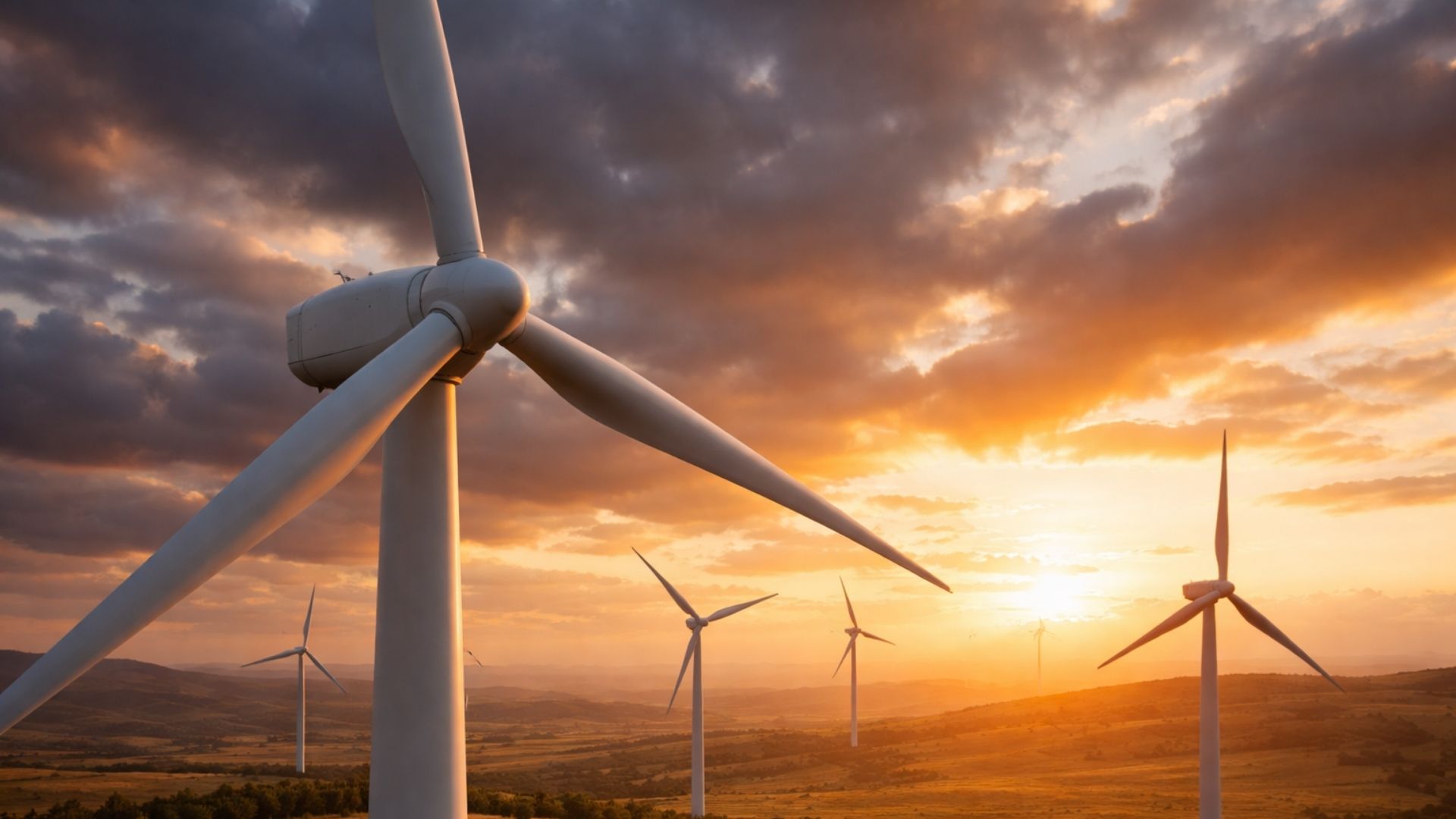
The Wind Energy Sector Advances in Brazil with Consistent Growth, Attraction of New Investments, and Expansion of Onshore and Offshore Projects, Reinforcing Its Strategic Role in the Energy Transition
The future of wind energy in Brazil is advancing in a consistent and strategic manner, driven by the continuous expansion of onshore projects, the maturation of the regulatory environment, and preparations for the onset of offshore generation. Data from the Brazilian Wind Energy Association (ABEEólica), the Energy Research Company (EPE), and the Ministry of Mines and Energy (MME) indicate that the sector is at a decisive moment to consolidate its role in the energy transition, enhance the security of the electric system, and attract new investments in the next decade. The data was released in an article published by Engie’s Beyond Energy platform this Tuesday (13).
Wind Energy in Brazil and the Advancement of the Energy Transition
Currently, wind energy is already among the main sources of Brazil’s electrical matrix. The country has surpassed 33.7 gigawatts (GW) of installed onshore capacity, distributed across over a thousand operational parks, placing Brazil among the largest global producers of this source.
This progress reflects competitiveness, technical efficiency, and predictability, characteristics that sustain the growing interest of investors and reinforce the prominence of this renewable source in national energy planning.
-
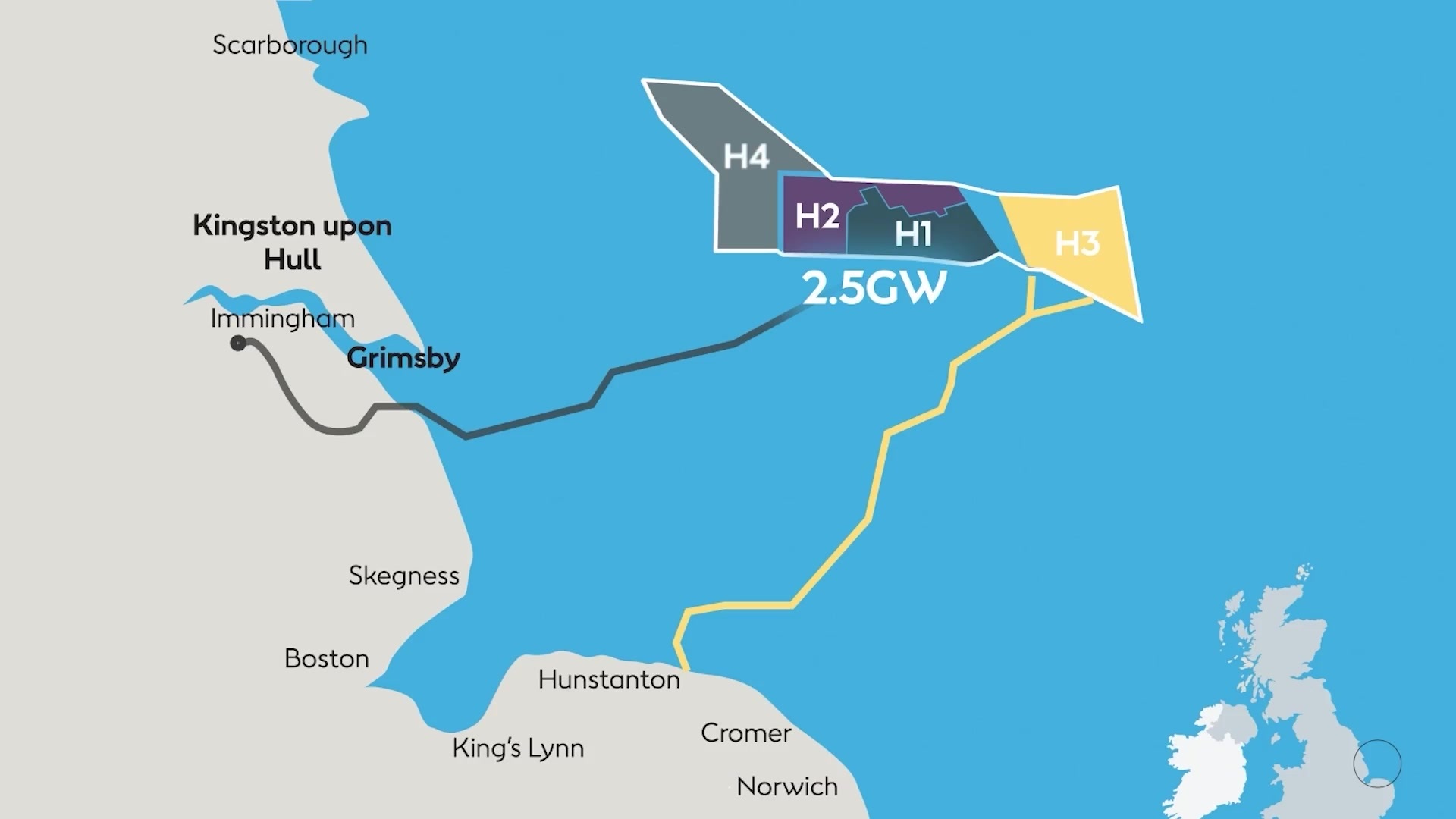
231 turbines of 260 meters at 160 km from the coast, monopiles weighing as much as nine blue whales embedded in the North Sea, and a crane ship taller than the Eiffel Tower: Hornsea 3 will be the largest offshore wind farm on the planet by 2027, and its first components have already arrived in England.
-
International Certification Puts Senai Norte on the Renewable Energy Map and Expands Access to Essential Training for Qualified Wind Power Professionals

-
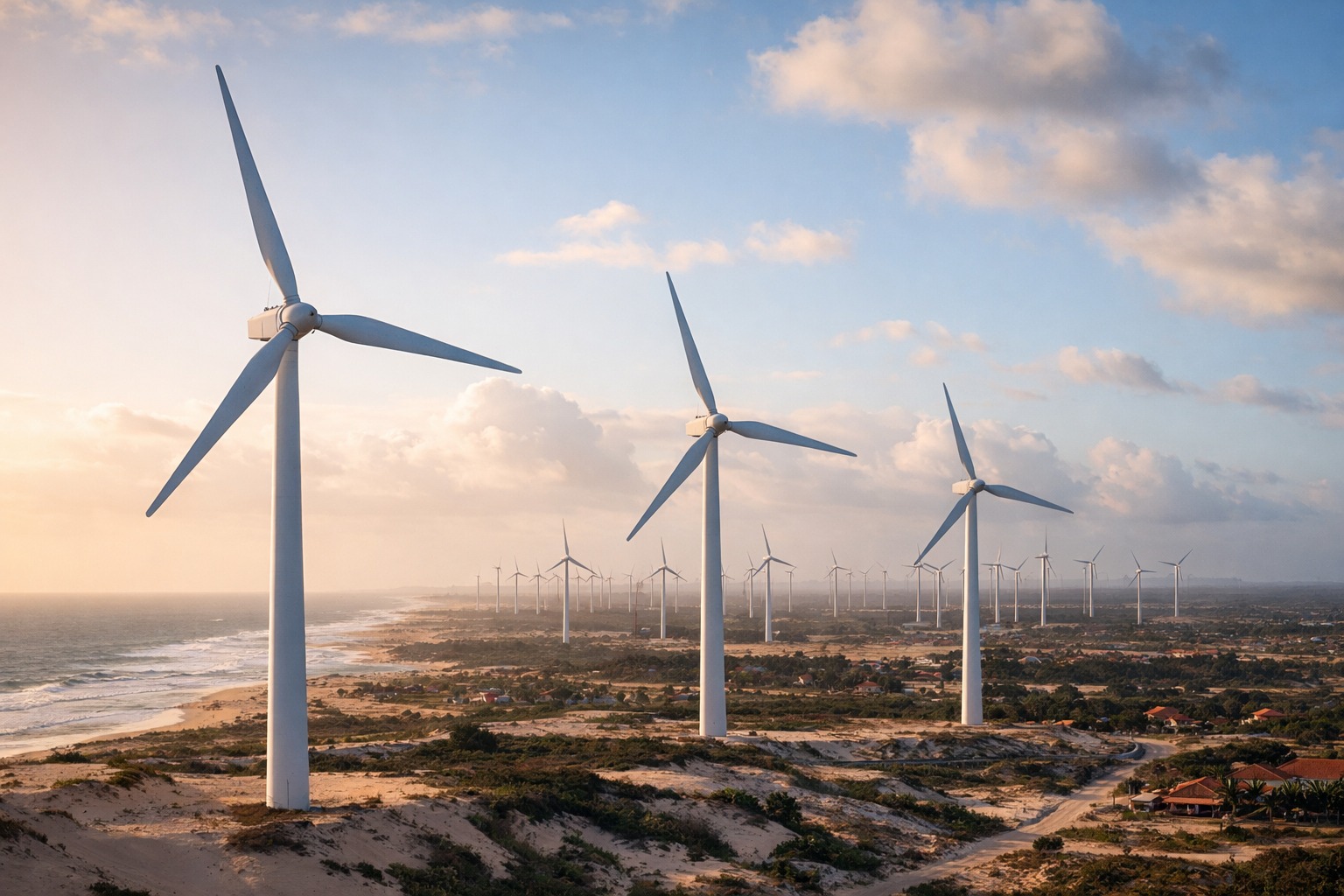
The Winds of the Northeast Are in Foreign Hands: Nearly 70% of the Region’s Wind Farms Are Owned by International Companies, with France, China, and Italy Leading Investments in Wind Energy in Brazil
-
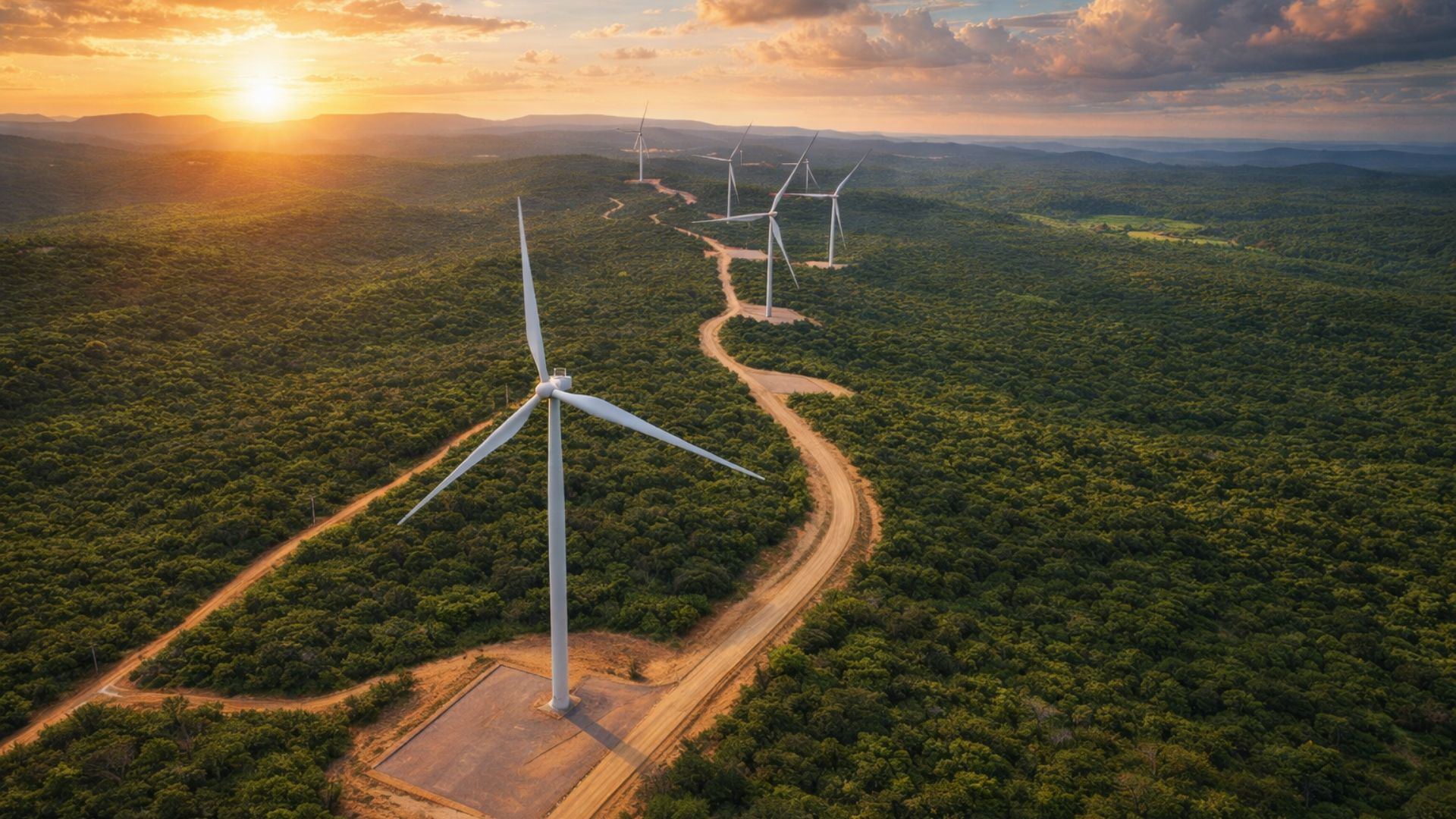
Echoenergia’s Wind Farms Receive Diamond and Platinum Seals and Boost Carbon Credits with Projects that Prevent Large Volumes of Annual Emissions

The recent trajectory of wind energy in Brazil is directly connected to the goals of energy transition and the need to reduce greenhouse gas emissions. The expansion of this source has occurred rapidly in recent years, driven by competitive auctions, technological advances, and the excellent wind regime in various regions of the country.
According to EPE, the best capacity factors are concentrated in the Northeast and South, where the winds are more consistent and intense. As a result, wind generation shows seasonal predictability throughout the year, contributing to the balance of the National Interconnected System (SIN). This predictability is a strategic differential, especially in a context of greater hydrological variability.
Furthermore, the consolidation of wind energy strengthens the diversification of Brazil’s electric matrix, reducing dependence on fossil sources and complementing hydropower generation. This movement enhances the resilience of the system and creates solid foundations for attracting new investments aligned with the energy transition.
Onshore Expansion as the Structural Base of the Wind Sector
Onshore wind generation remains the main pillar of the sector in Brazil. The maturity of onshore wind energy has allowed for significant scale gains and cost reductions, making this source one of the most competitive in the electricity market.
This progress has also had positive impacts on regional development. Municipalities hosting wind parks record increases in revenue, the creation of direct and indirect jobs, and the strengthening of local production chains.
The presence of wind energy helps to stimulate regional economies, especially in the Northeast, where the sector has become a relevant vector for sustainable development.
With a consolidated onshore base, Brazil creates favorable conditions to advance in more complex projects, enhancing its leadership in the energy transition and maintaining the flow of new investments in the sector.
Offshore Wind Energy and New Investments in Brazil
The potential of offshore wind energy in Brazil is considered one of the largest in the world. Studies by EPE and the Wind Energy Observatory from the Federal University of Ceará indicate that the coastline of Brazil has exceptional wind conditions, depth, and extent capable of adding dozens of gigawatts to the electrical matrix in the coming decades.
Despite this potential, the advancement of offshore wind energy directly depends on the consolidation of the regulatory framework. The Ministry of Mines and Energy and the Civil House are advancing in the development of rules that should define criteria for the granting of maritime areas, stages of environmental licensing, responsibilities for grid connection, and auction scheduling.
The lack of definitive rules still represents the main barrier to unlocking new offshore investments. Nevertheless, market interest is already emerging. Dozens of projects are in the initial licensing phase at Ibama, indicating that wind energy at sea will be one of the central pillars of the Brazilian energy transition, with strong potential to attract national and international capital.
Environmental Licensing and Legal Security for Wind Energy
Environmental licensing is a critical step for the future of wind energy in Brazil, both onshore and offshore. For onshore projects, the process is already following more consolidated procedures, including environmental impact studies, noise assessments, analysis of fauna and flora, and consultations with local communities.
Offshore projects face greater challenges. Licensing involves oceanographic studies, wind and current modeling, assessment of marine biodiversity, navigation route analysis, and fishing activities, in addition to integration with Aneel regulations. The complexity of these studies can extend timelines and increase uncertainties for investors.
On the other hand, improving the environmental regulatory framework presents an opportunity to strengthen predictability and legal security. These elements are essential to facilitate new investments and to consolidate the energy transition in a sustainable manner in Brazil.
Transmission Infrastructure as a Strategic Challenge
The accelerated expansion of wind energy imposes significant challenges on transmission infrastructure. The growth of generation, especially in the Northeast, requires continuous investments in transmission lines and substations to ensure the flow of produced energy.
EPE highlights that integrated planning between generation and transmission will be crucial until 2030. Without proportional expansion of the grid, regions with high wind potential may face connection restrictions, compromising the viability of new projects. In this context, modernizing electrical infrastructure becomes a key element of the energy transition and a strategic area for new investments in Brazil.
Production Chain, Innovation, and Industrial Development
The production chain associated with wind energy is also undergoing transformation. Offshore expansion demands large-scale equipment, ports adapted for heavy assembly operations, specialized vessels, and highly skilled labor. Brazil is still structuring its industrial base to meet these demands.
States like Ceará, Rio Grande do Norte, and Rio Grande do Sul are already moving to adapt ports and create industrial hubs focused on offshore wind energy. This process may position the country as a regional hub for technology and services, expanding the economic effects of wind energy and strengthening the attraction of new investments aligned with the energy transition.
Meanwhile, technological innovation is advancing rapidly. The use of artificial intelligence, digital operation, hybrid systems, and battery storage solutions is expected to increase efficiency and the integration of the source into the national electrical system.
Perspectives on the Strategic Role of Wind Energy
The future of wind energy in Brazil will be defined by the capacity to integrate expansion, regulation, infrastructure, and innovation. The combination of a mature onshore base and immense offshore potential places the country in a strategic position in the global energy transition.
With clear rules, legal security, and coordinated planning, wind energy can increase its share in the electrical matrix, reduce emissions, strengthen energy security, and create skilled jobs.
By the next decade, the sector has the potential to establish itself as one of the main drivers of sustainable development in Brazil, boosting the low-carbon economy and keeping the country on the path of new investments and international competitiveness.








Seja o primeiro a reagir!