





 Portuguese
  English
  Spanish
  4 min of reading
  0 comments


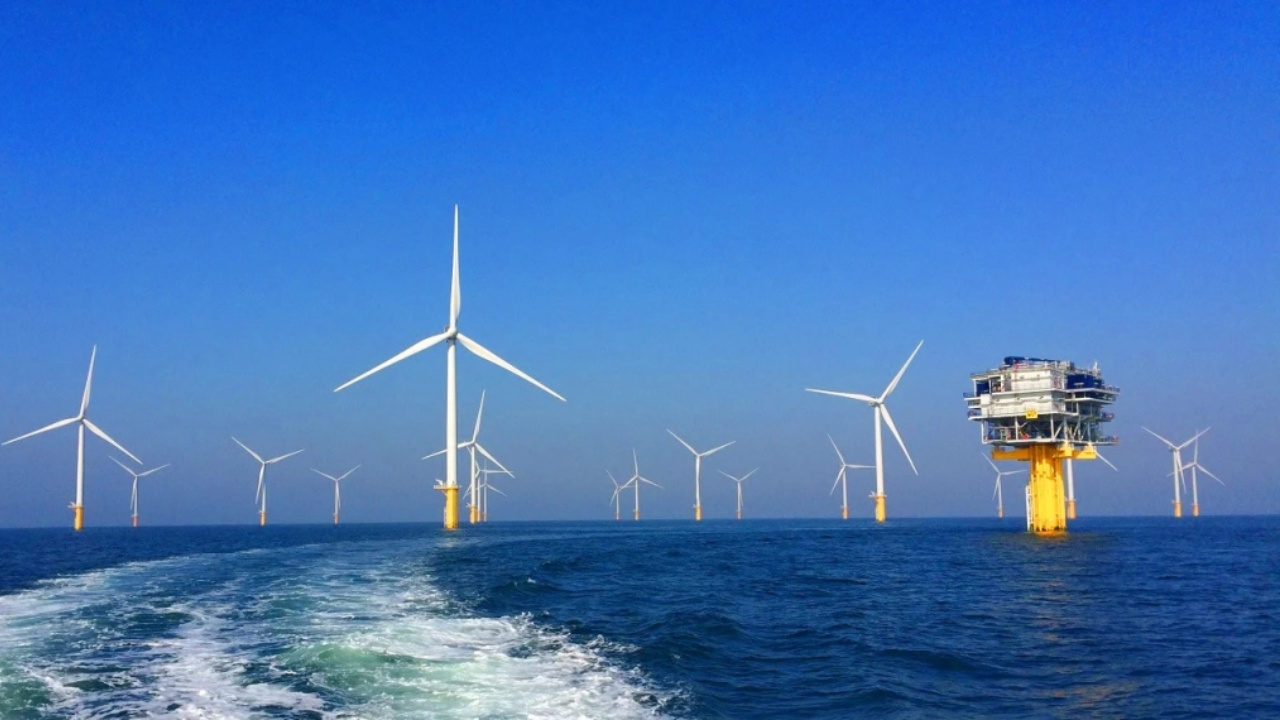
Petrobras and Lactec Launch Unprecedented Software for Offshore Wind Energy Analysis in Brazil. The Tool Promises to Reduce Costs, Optimize Projects, and Strengthen the Energy Transition in the Country.
Petrobras has been expanding its operations in the wind energy sector with a highly relevant project for Brazil, as reported this Thursday, 02. In partnership with Lactec, one of the largest research and innovation centers in the country, the company developed a pioneering software called CPE-Offshore, aimed at the planning and execution of offshore wind farms.
This advancement comes at a time when the world is debating the paths of the energy transition, and Brazil, with its immense maritime potential, is beginning to consolidate its position as a protagonist.
What Is the CPE-Offshore Software
The CPE-Offshore is the result of a Research and Development project regulated by the National Electric Energy Agency (Aneel). The tool was created to assist engineers and investors in strategic decisions regarding the construction and operation of offshore wind farms.
-
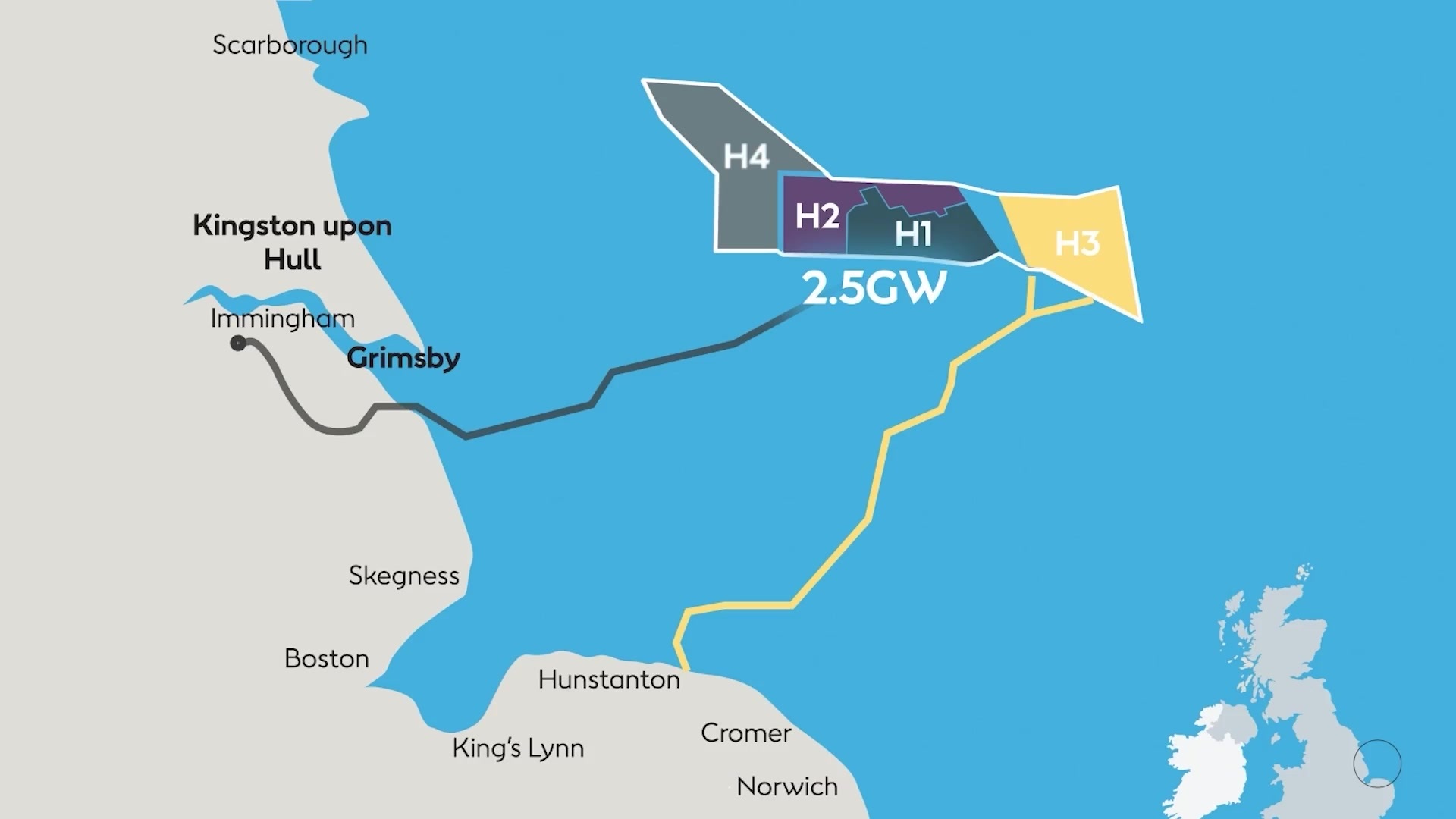
231 turbines of 260 meters at 160 km from the coast, monopiles weighing as much as nine blue whales embedded in the North Sea, and a crane ship taller than the Eiffel Tower: Hornsea 3 will be the largest offshore wind farm on the planet by 2027, and its first components have already arrived in England.
-
International Certification Puts Senai Norte on the Renewable Energy Map and Expands Access to Essential Training for Qualified Wind Power Professionals

-
The Winds of the Northeast Are in Foreign Hands: Nearly 70% of the Region’s Wind Farms Are Owned by International Companies, with France, China, and Italy Leading Investments in Wind Energy in Brazil
-
Echoenergia’s Wind Farms Receive Diamond and Platinum Seals and Boost Carbon Credits with Projects that Prevent Large Volumes of Annual Emissions
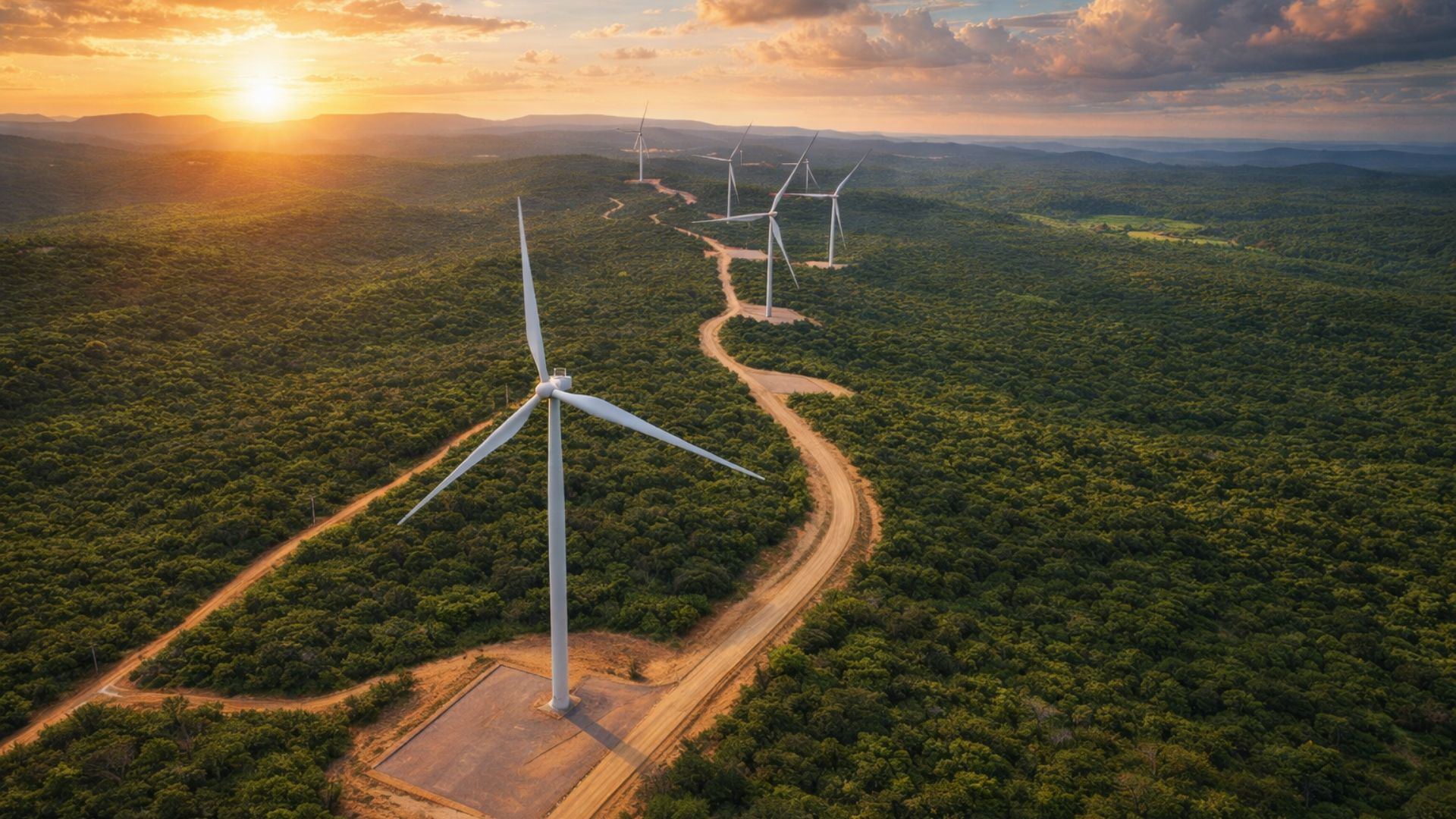

With a coastline of 7,367 kilometers and over 3.5 million km² of maritime space, Brazil presents unique conditions to explore stronger and more consistent winds offshore. However, these advantages also bring technical challenges that require specific solutions, rarely covered by international software.
Researcher Felipe José Lachovicz highlighted the importance of innovation: “Planning an offshore wind farm involves balancing a multitude of details that directly impact the project’s technical and financial feasibility. The CPE-Offshore was developed to model these variables in the Brazilian context, providing a comprehensive and robust analysis,” he stated.
Technical Details: The Electrical Heart of the Project
One of the highlights of the software is the Cables and Substations module, responsible for the Electrical Balance of Plant (EBOP). It sizes the entire electrical infrastructure of the park, from the collection system to the connection with the National Interconnected System (SIN).
This module also compares the most commonly used technologies in the sector: High Voltage Alternating Current (HVAC) and High Voltage Direct Current (HVDC).
According to Lachovicz, the impact is decisive: “The EBOP represents approximately half of the total installation costs of an offshore wind farm. Proper modeling here is essential to optimize solutions and reduce associated expenses,” he emphasized.
Internationally Recognized Advances
The results of the project were published in the prestigious IEEE Access journal, with the article “Electrical Balance of Plant Approach for Offshore Wind Power Plants: A Brazilian Case Study.” The study presents methodologies for sizing cables, substations, and energy transmission, including optimization of reactive power and a comparative cost analysis.
Among the most relevant findings for the Brazilian market are:
- Break-even Distance: In the Brazilian HVAC 230 kV/60Hz standard, the technology can be advantageous up to 180 km from the coast, a figure higher than that identified in international studies.
- Computational Time Savings: The software facilitates the selection of reactors for reactive power compensation, reducing manual steps.
- More Efficient Logistics: The tool calculates physical dimensions and weight of offshore substation components, essential for transport and assembly planning.
Petrobras and Wind Energy: Strategic Role in the Energy Transition
By investing in the CPE-Offshore, Petrobras signals that offshore wind energy will be an important part of its diversification strategy. The company seeks not only to explore oil and gas but also to establish a presence in renewable energy sectors, focusing on international competitiveness.
This project places Brazil in a differentiated position, as few countries have their own technological solutions for the challenges of installing plants at sea. The innovation reinforces Brazil’s leadership in the search for a sustainable energy transition.
Lactec, in turn, has more than 65 years of experience in research and development, which led to its selection as a partner to enable the tool. Its headquarters is located in Curitiba, but the institution also has units in Salvador and other strategic hubs.
The center has participated in over 500 innovation projects, many focusing on the energy sector. In 2023, it established itself as a national reference in Smart Grid and E-mobility, reinforcing the integration of technology, science, and sustainability.
Expected Impacts on the Brazilian Electric Sector
The launch of the CPE-Offshore has the potential to transform the national wind energy market. With forecasts of accelerated expansion in the coming years, offshore parks could become one of the main sources of renewable energy in the country.
The combination of Petrobras’ expertise with Lactec’s technical capabilities offers Brazil a strategic advantage. In addition to reducing costs and risks, the tool allows foreign investors to find greater security in the Brazilian market, creating space for new capital investments.
It is worth noting that Petrobras has been strengthening its presence in the debate on global energy transition. The creation of the CPE-Offshore shows that the state-owned company is willing to invest in cutting-edge technology to combine profitability with sustainable innovation.
This type of initiative is seen by experts as a milestone for Brazil to not only explore its natural resources but also lead the global race for renewable energy on a large scale.









Seja o primeiro a reagir!