





 Portuguese
  English
  Spanish
  2 min of reading
  0 comments


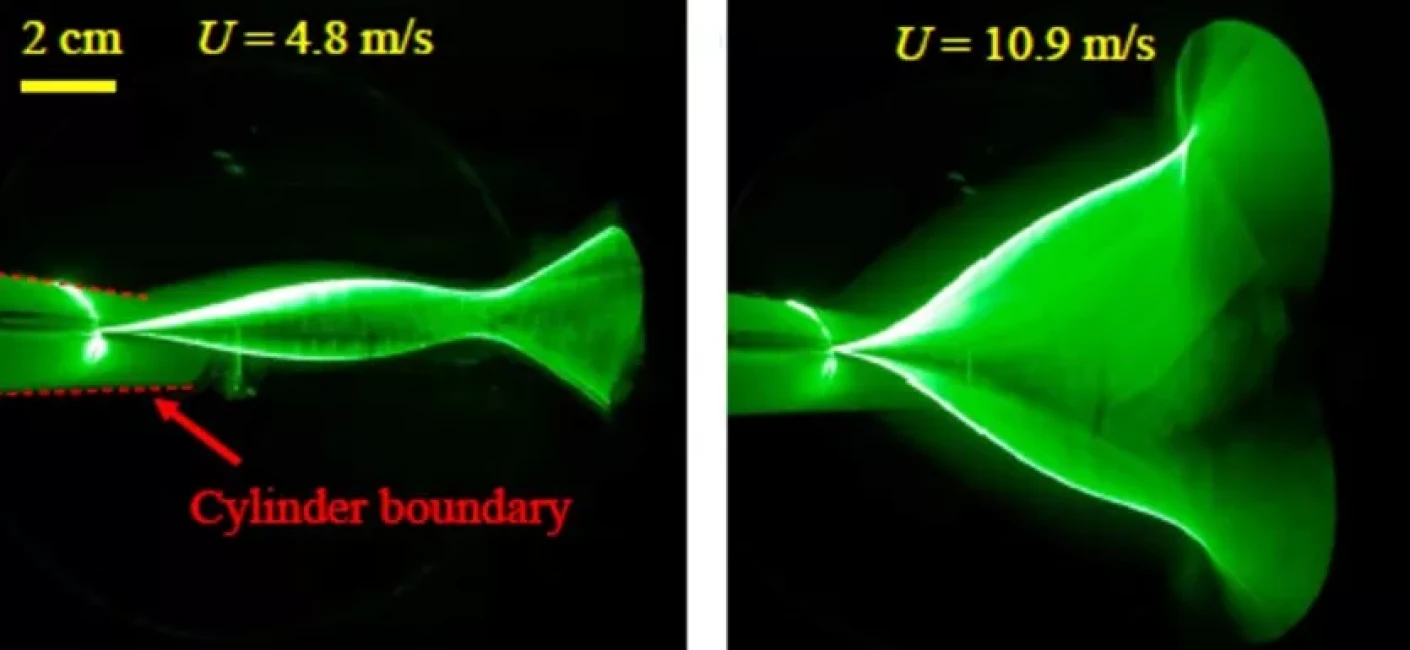
Indian Technology Uses Vibrating Sheet and Piezoelectric Material to Generate Electricity Silently, Cheaply and Efficiently in Any Environment
A new type of wind energy harvester could change the way we generate electricity. Instead of large turbines, the innovation comes from a simple metal sheet that vibrates with the wind. Created by researchers at IIT Bombay, in India, the technology is silent, cheap, and easy to install in urban or natural environments.
How The Harvester Works With No Moving Parts
The system uses a flexible sheet made of polymer, with a piezoelectric material. This sheet is placed next to a cylinder, where the wind forms vortices. These vortices make the sheet vibrate.
The vibrations generate voltage in the piezoelectric material, which turns into electricity. The secret lies in the phenomenon called “frequency locking.” The sheet vibrates in sync with the wind, which increases the energy generated.
-
Researchers discover a possible hydrogen deposit of up to 46 million tons beneath an ancient coal basin, and the volume could exceed half of the entire global production.

-
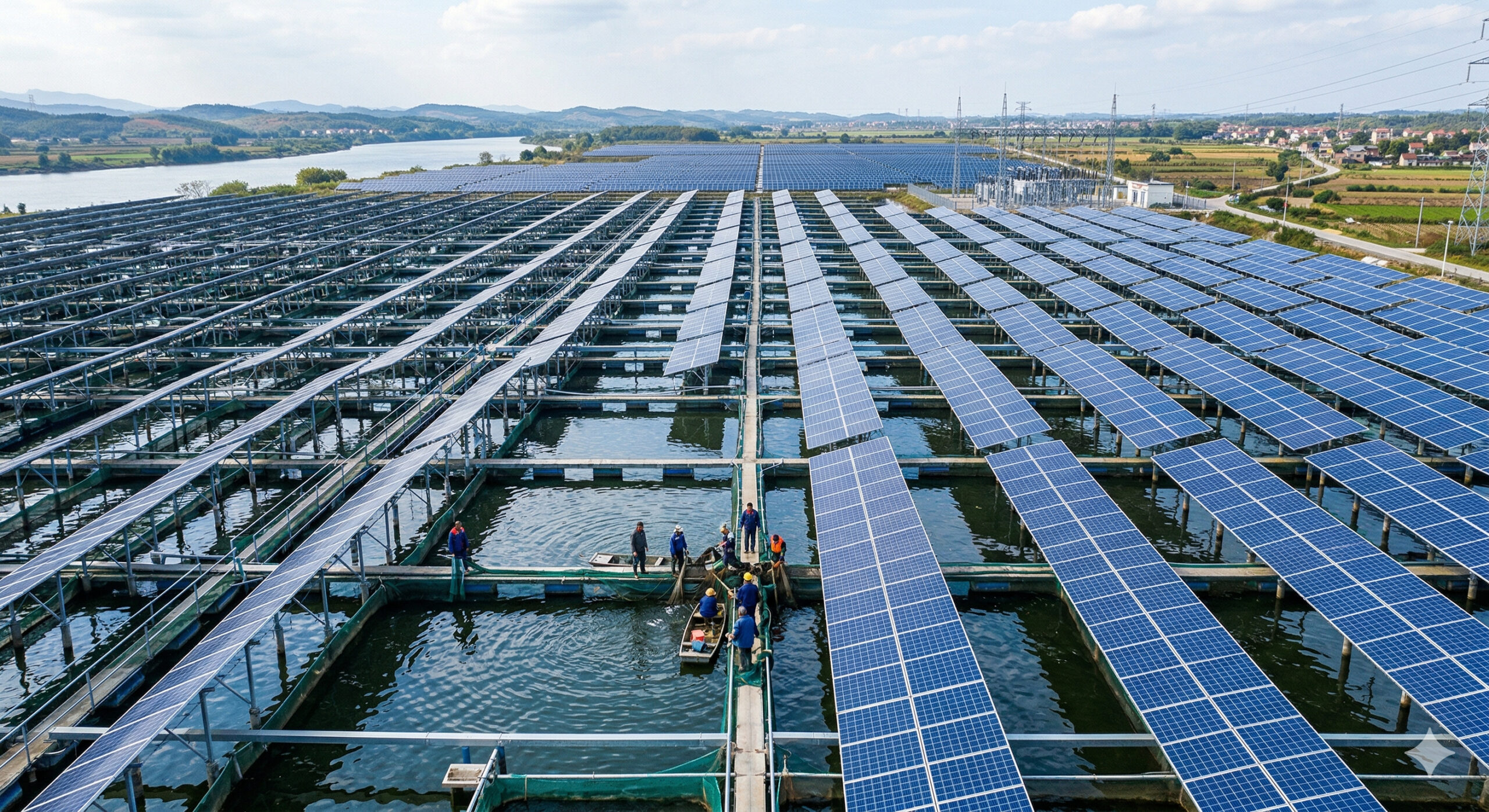
China bets on the Fishery-PV model and transforms fish farms into giant solar plants, covering ponds with panels that generate energy while utilizing the same space for large-scale aquaculture production.
-
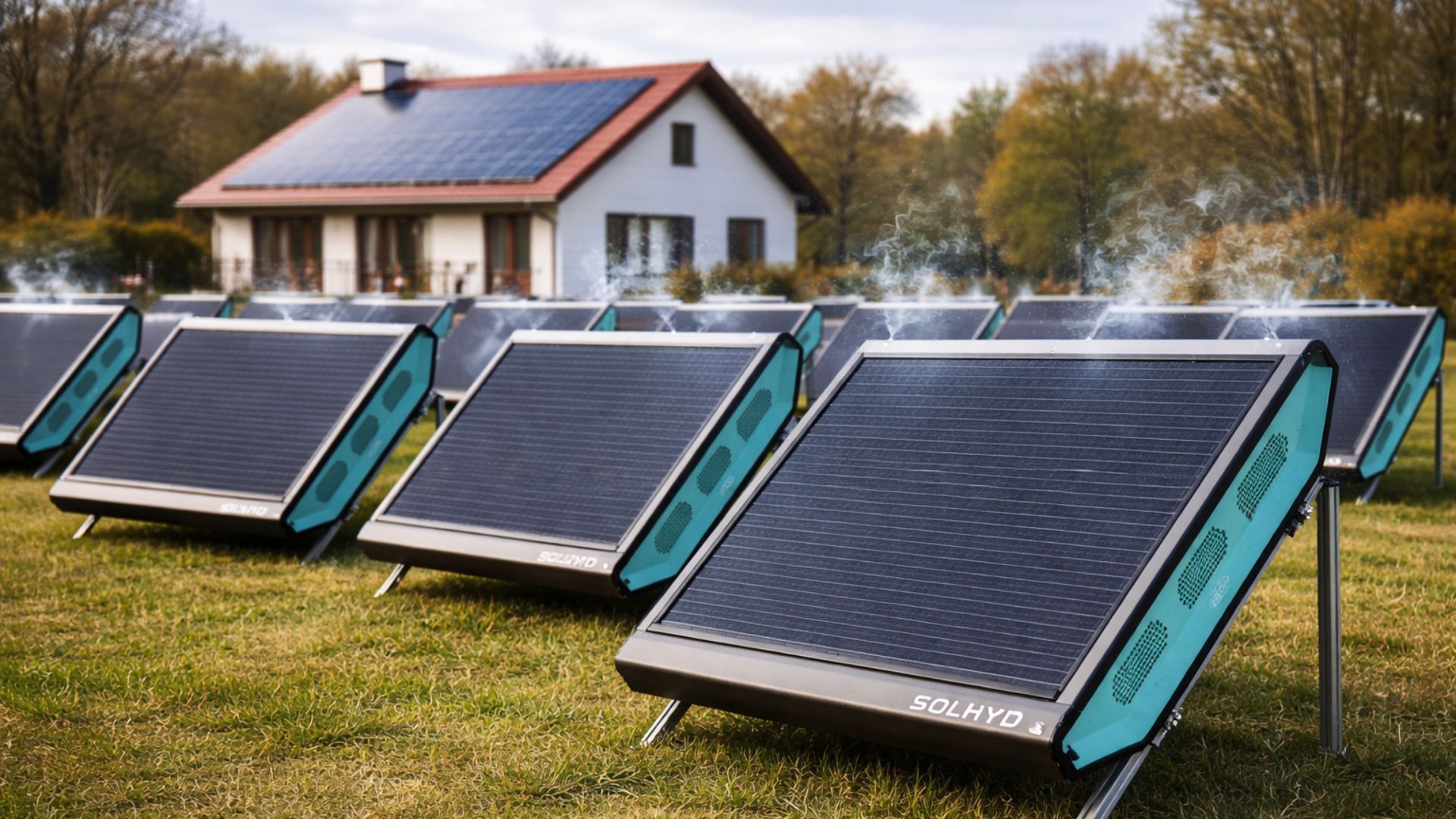
Green hydrogen at home: Belgium launches new technology that makes solar panels produce fuel from the moisture in the air, which could boost the energy transition.
-
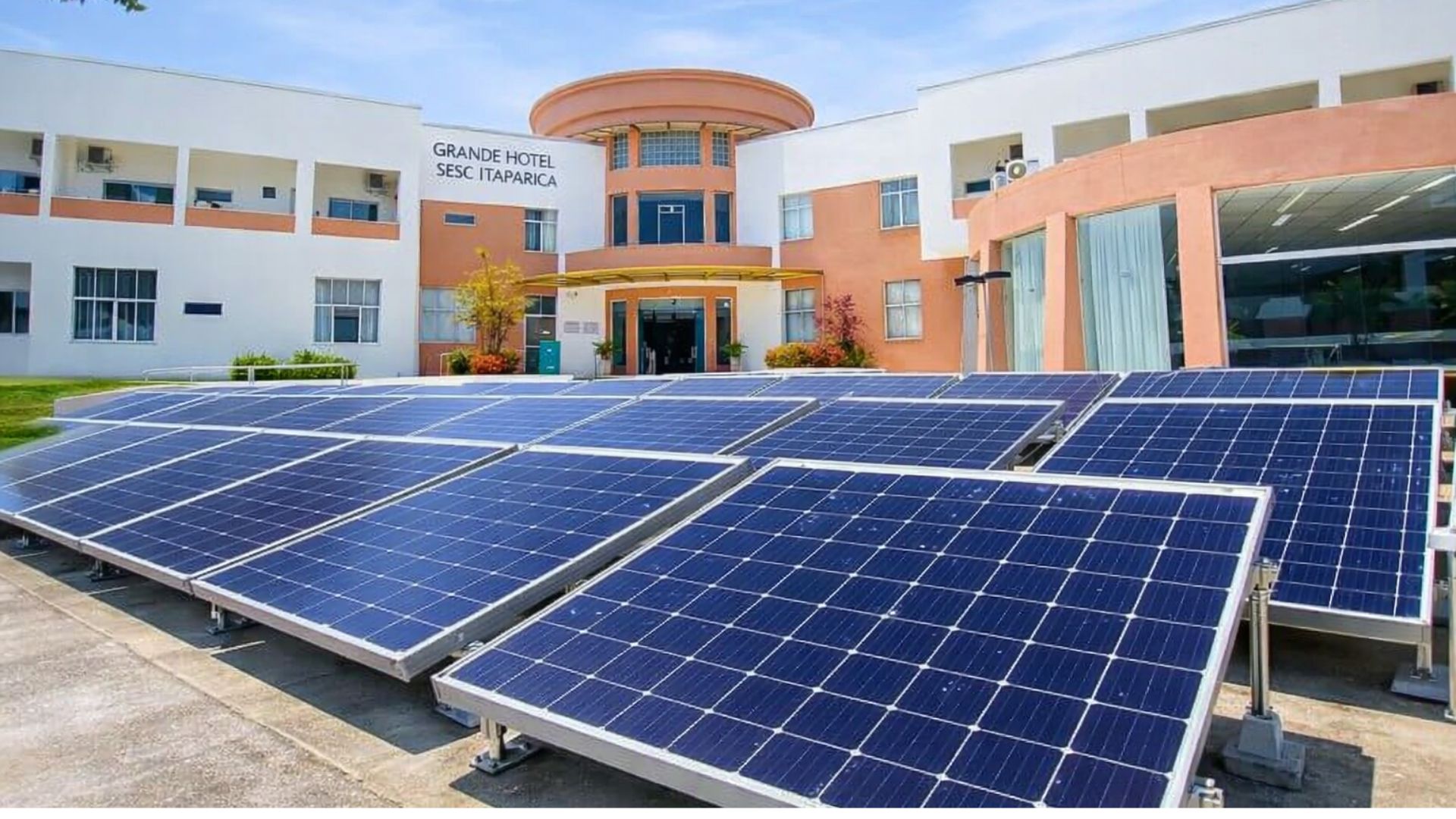
Sesc-BA bets on renewable energy with the support of EDP and drives the energy transition with a direct impact on cost reduction and the sustainability of its operations in Bahia.

Performance in Conducted Tests
In tests, the system showed superior performance compared to other similar harvesters. It managed to light up 20 LEDs continuously. With stored energy, it even lit up to 40 LEDs intermittently.
It was also tested with a rectification and storage circuit, showing it can power sensors and small electronic devices.
Advantages of The New Design
One of the biggest differentiators of the technology is that it has no rotating parts. This reduces the risk of breakage and the need for maintenance.
Another advantage is the ease of expansion. The system can be placed on roofs, walls, poles, or hidden in other structures. It also does not require large amounts of materials, such as steel or concrete, and does not generate noise.
Being compact and silent, the harvester is ideal for locations where wind turbines are not viable. It can also be useful in remote areas where electricity does not reach through the traditional grid. Local energy production also helps reduce losses during transmission.
Technical Challenges to Overcome
Despite its potential, the technology still needs to be improved. The next steps are to enhance energy conversion efficiency, adapt the system to different wind types, and ensure durability in adverse conditions. Long-term tests in real environments are also necessary.
This vibrating harvester not only generates energy from the wind. It proposes a new way of thinking about electricity: simple, clean, distributed, and within everyone’s reach.
With information from EcoIventos.








-

-

2 pessoas reagiram a isso.