





 Portuguese
  English
  Spanish
  4 min of reading


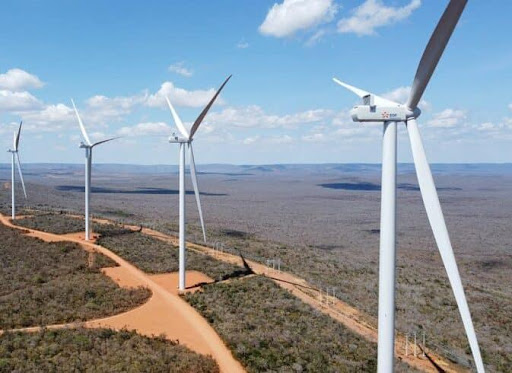
Largest Wind Farm in South America is Located in Brazil, at the Lagoa dos Ventos Complex, in Piauí.
If it were active, the first hydroelectric plant built in Brazil, the Marmelos Plant, would be completing 132 years. Built in 1889, on the banks of the Paraibuna River, in the region of Minas Gerais, today it is a historical museum that reflects the change over time in energy production, and shows an important point: hydroelectric plants do not have the same form as wind farms, famous for wind energy. Since then, several other large hydroelectric plants have been built, such as those in Belo Monte, Tucuruí, and Itaipú. Today, according to data from Aneel, Brazil has 217 hydroelectric plants in operation.
According to the Brasil Escola website, hydroelectric plants account for more than 60% of Brazil’s energy production, with an estimated output of 14,000 MW. Additionally, thermoelectric plants account for 24% of the country’s energy generation, with 3,008 plants totaling a production of 40,000 MW. Basically, while generating electricity, thermoelectric plants disperse various pollutants into the atmosphere daily, such as sulfur dioxide, nitrogen oxides, carbon monoxide, and carbon dioxide.
These substances can cause various diseases in humans, such as chronic bronchitis, lung cancer, tremors, and headaches. Furthermore, they are responsible for the proliferation of the greenhouse effect, necessitating a reformulation in how they are disposed of.
-
Researchers discover a possible hydrogen deposit of up to 46 million tons beneath an ancient coal basin, and the volume could exceed half of the entire global production.

-
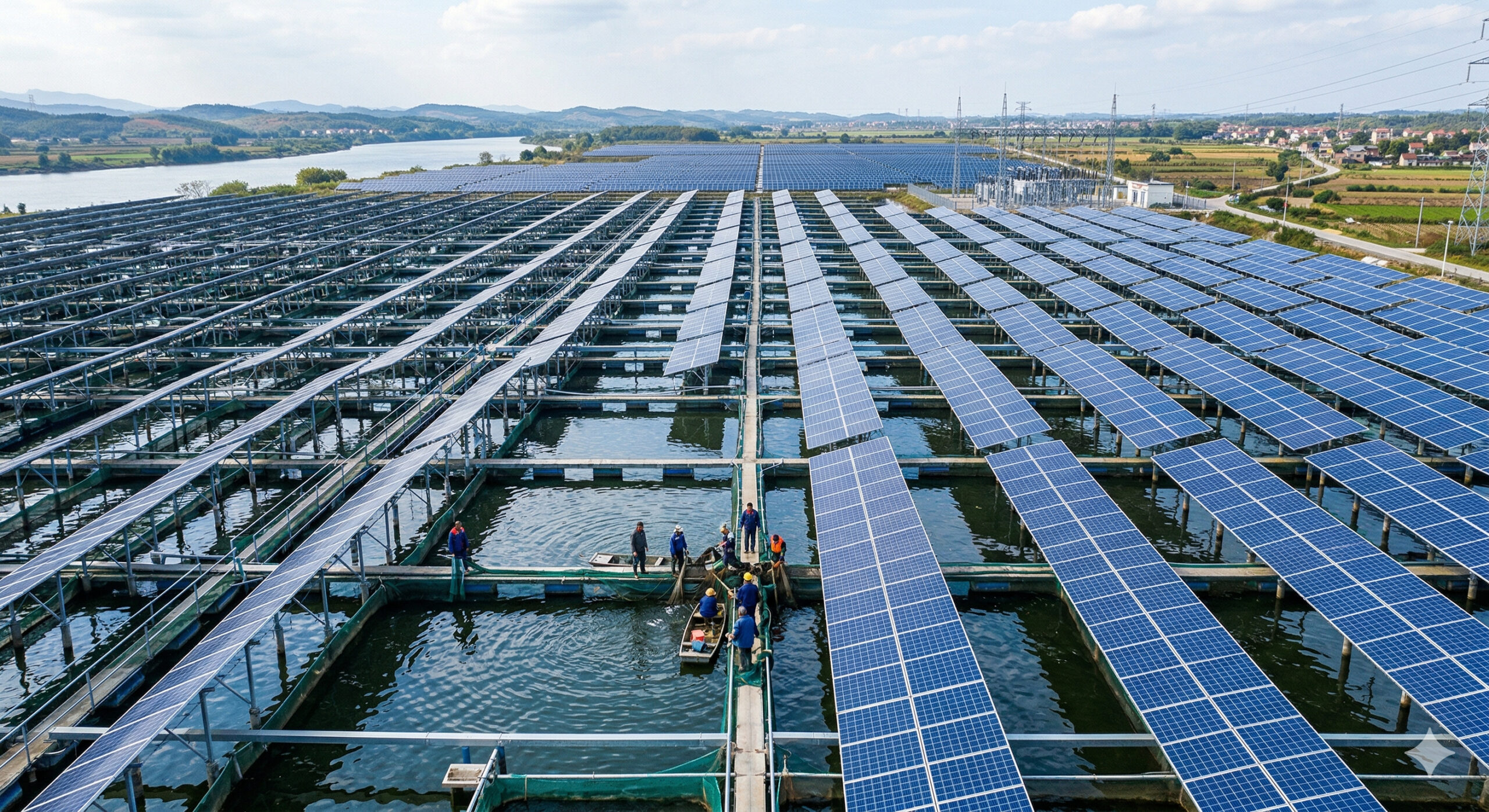
China bets on the Fishery-PV model and transforms fish farms into giant solar plants, covering ponds with panels that generate energy while utilizing the same space for large-scale aquaculture production.
-
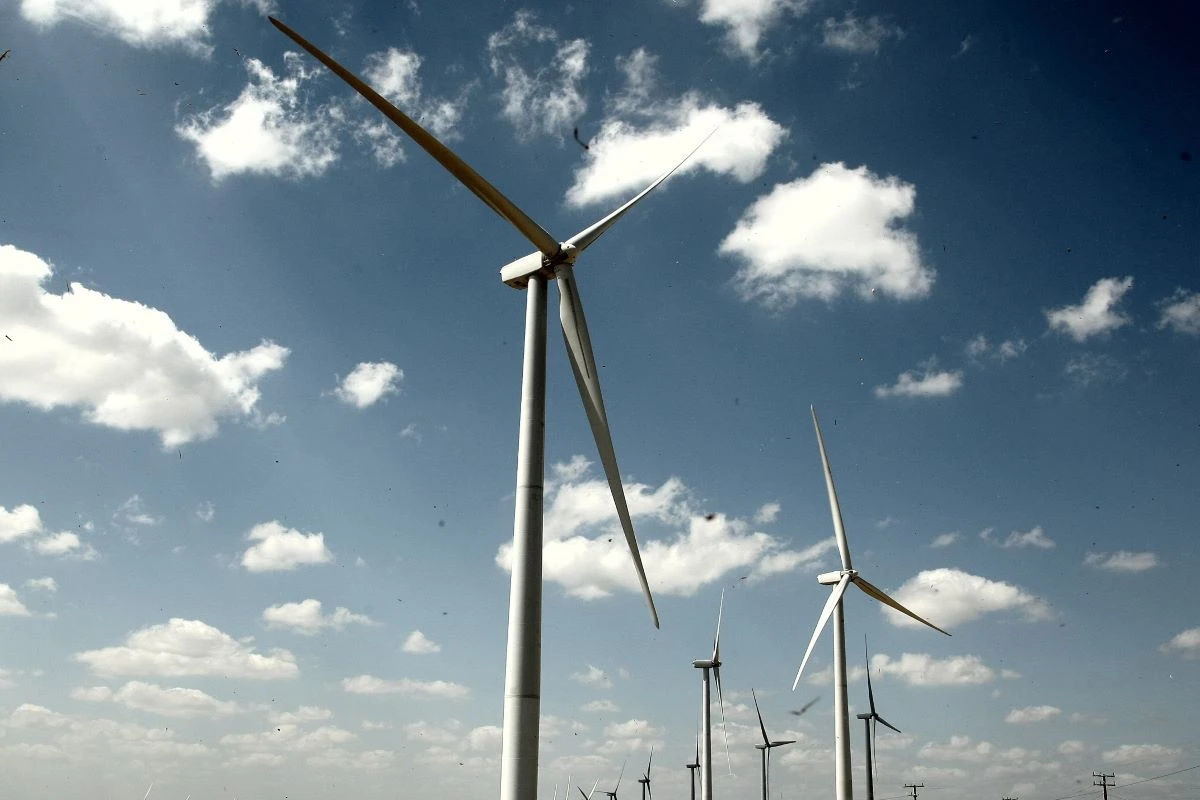
Urgent energy transition: Greenpeace advocates for massive investments and points to Brazil as a global leader in wind energy production in the coming years.
-
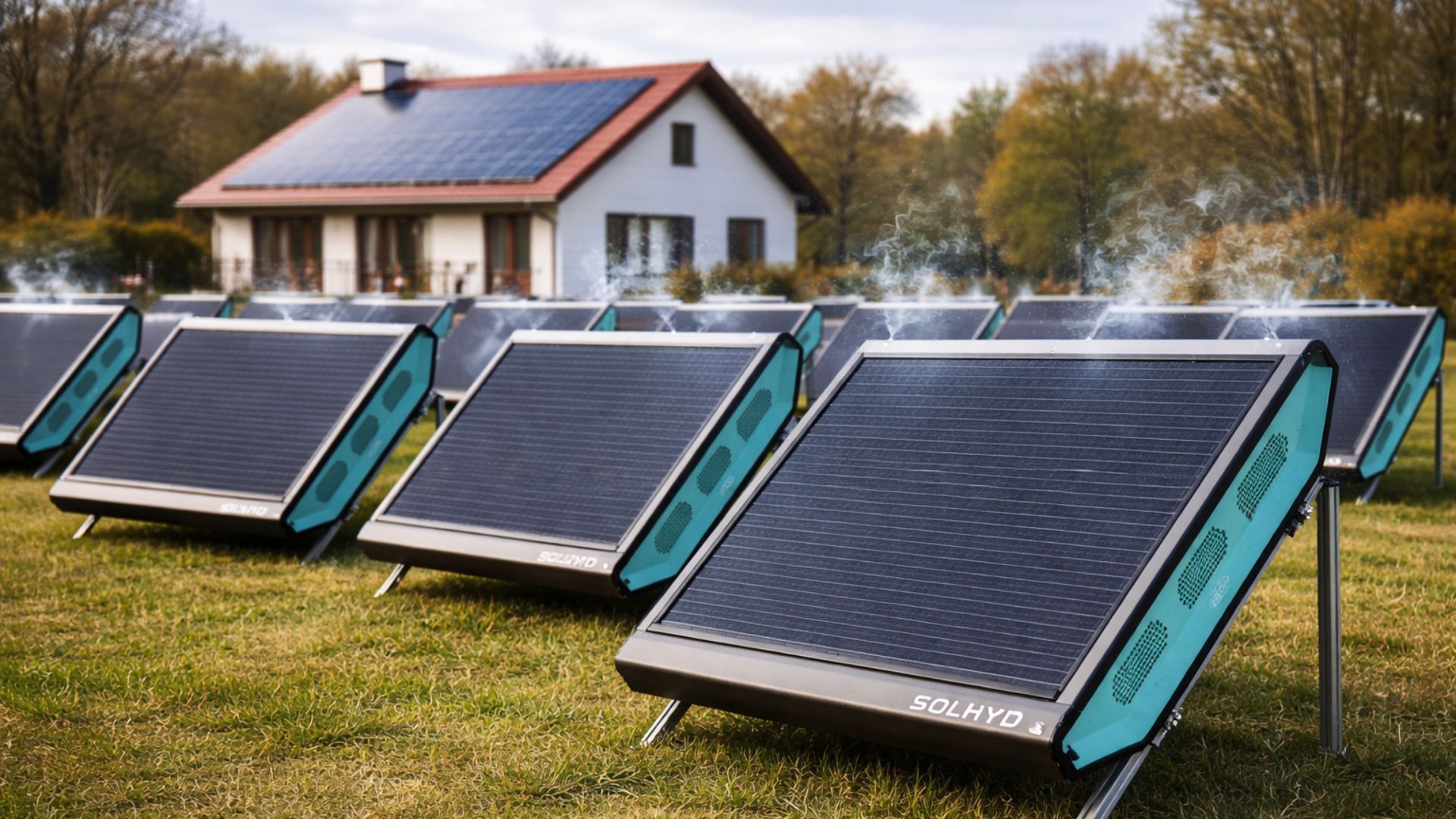
Green hydrogen at home: Belgium launches new technology that makes solar panels produce fuel from the moisture in the air, which could boost the energy transition.

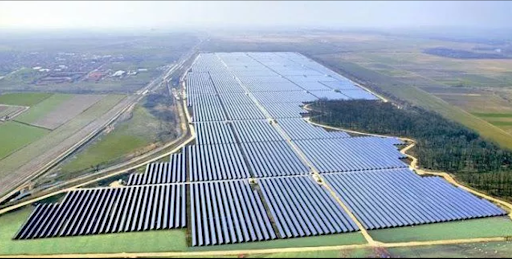
Largest Photovoltaic Plant (Usina Nova Olinda) in Latin America is in Piauí.
Annually, Brazil has around 300 days of sunshine. Thus, the country has a solar energy conversion capacity of around 90%. However, solar energy generation accounts for only 1.7% of what is produced in the country, according to data published on the Solar Portal. At the end of the 1980s, there was a peak in solar water heaters, which can produce energy by heating water, but the reasoning was not well interpreted at that time.
Talking about energy refers to a starting point, as without it, the resulting disruption does not allow life to proceed. Therefore, if we allow obstacles to energy production, we will first face a problem that will affect all sectors. The awakening to the energy solution brings with it the collateral effects of a deep sleep lasting nearly 100 years, amidst a glaring need. However, the immediate solution is not forthcoming, and existing production is maximized inefficiently. This is because consumption is overtaxed while we seek a solution that does not arise urgently, as the country fails to recognize the infrastructure it possesses for energy and technological advancement. Currently, wind energy accounts for 9.2% of what is produced in Brazil, according to Bluevision’s website. Additionally, the nuclear energy produced in the country — at Angra 1 and 2 — accounts for 1.1% of total energy, according to data from CNN Brasil.
If we consider the costs of building and maintaining hydroelectric plants, combined with the system’s fragility during a water crisis, alongside the pollution from thermoelectric plants and the risks posed by nuclear plants, we realize that, at the time, investing in hydroelectric plants was a wise decision in a country rich in water resources. Today, although reduced, the country’s hybrid vocation should be maintained, and thermoelectric plants need to be preserved and certified in a trustworthy manner to ensure the least environmental impact possible, making them environmentally viable.
Furthermore, nuclear plants have proven to be a mistake in many countries where they were installed. This is because, when they do not have problems or errors, they can yield social advances, but if that does not happen, there is no salvation for the damage they cause. On the other hand, photovoltaic and wind plants, if given the necessary investments, will result in sustainable evolution, with international prominence, as well as an internal economic growth with exuberant external revenues obtained thanks to their scale.
In this sense, it is time for the country to evaluate the importance of sustainable clean energy production, especially at low cost in municipalities. For this would lead to gradual independence and various royalties received, starting with the enactment of Law 14.300/22 (SCEE), which has a compensation program or sale of credits per generating unit (art.1, item VI – XIV). Finally, it is important to emphasize that the production of clean energy must be national, passing from city to city, which is why wind energy has shown to be efficient, as it demonstrates how a country can be rebuilt!

Raimundo Candido da Silva Jr
- Rua João Máximo de Carvalho n.º250 — Centro — Valparaíso — SP — Brazil – ZIP: 16.880000 — Valparaíso — SP — Brazil
- Cell Phone: (55) – 018 -99723 – 3949 – (WhatsApp) — emails:
- Lectures and Conferences: palestraseconferencias@yahoo.com
- Law and Public Management: advocaciaegestaopublica@yahoo.com
Note about the author – Raimundo Candido da Silva Jr. is:
Lawyer, Jurist, Administrator, Writer, Lecturer, and Speaker, member of the IAB (Brazilian Institute of Lawyers), IBCCRIM (Brazilian Institute of Criminal Sciences), ABDPC (Brazilian Academy of Civil Procedure Law), IBDFAM (Brazilian Institute of Family Law), IBRADEMP (Brazilian Institute of Business Law).








Seja o primeiro a reagir!