





 Portuguese
  English
  Spanish
  4 min of reading
  0 comments


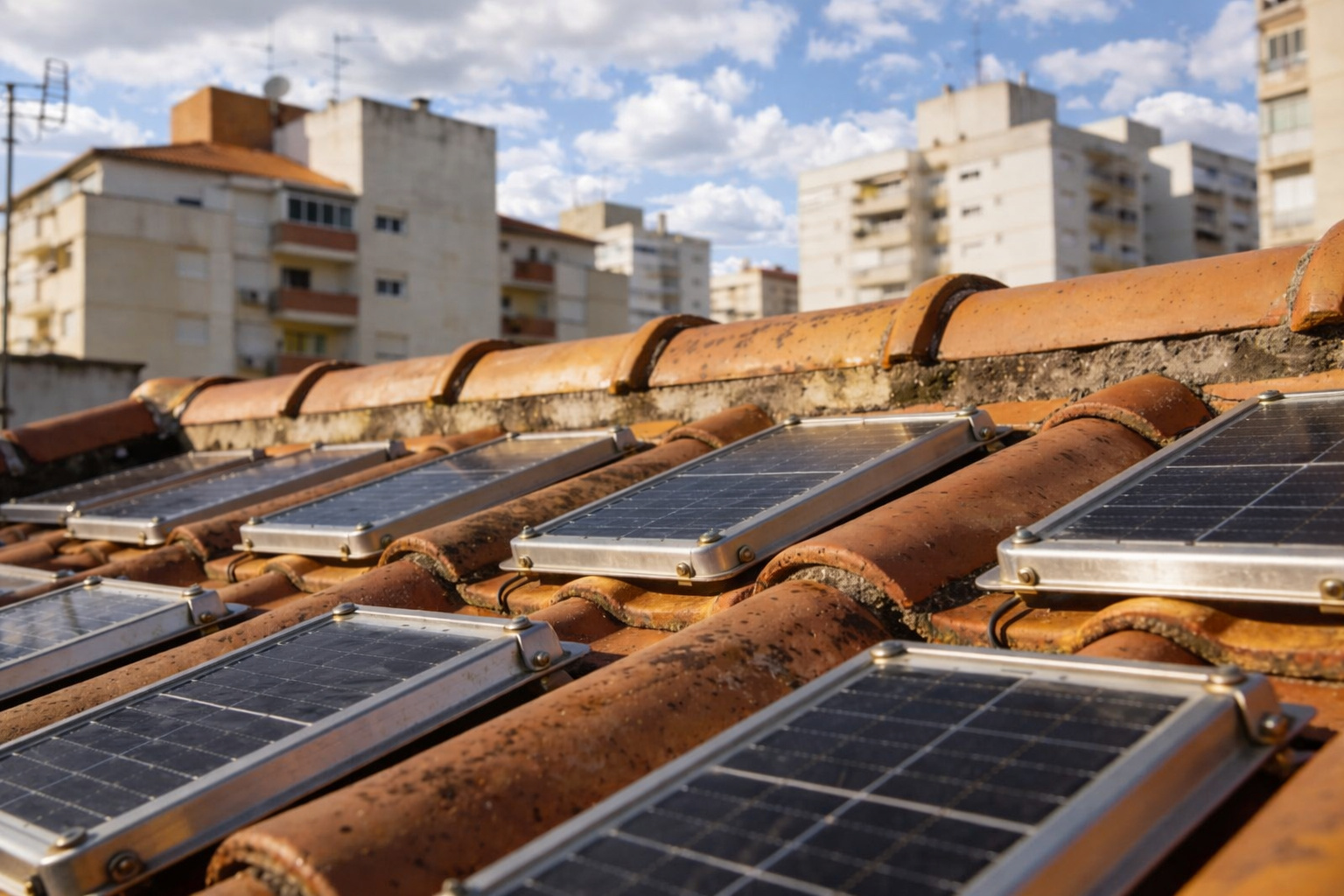
Discover How Brazilian Researches Use Wasted Heat to Generate Clean and Continuous Electricity, Bringing the Country Closer to the Concept of Infinite Energy in a Sustainable Way.
Throughout history, the idea of infinite energy has always sparked curiosity, debates, and often skepticism. Nevertheless, from the first steam engines to current renewable sources, humanity continues to seek to produce electricity in a continuous, clean, and efficient manner.
Although science makes it clear that infinite energy, in the literal sense, does not exist, the concept remains relevant because it symbolizes the reduction of energy limits and dependencies.
In this sense, looking back, it becomes evident that different civilizations learned to harness natural forces to generate energy. First, water powered mills. Then, wind propelled vessels.
-
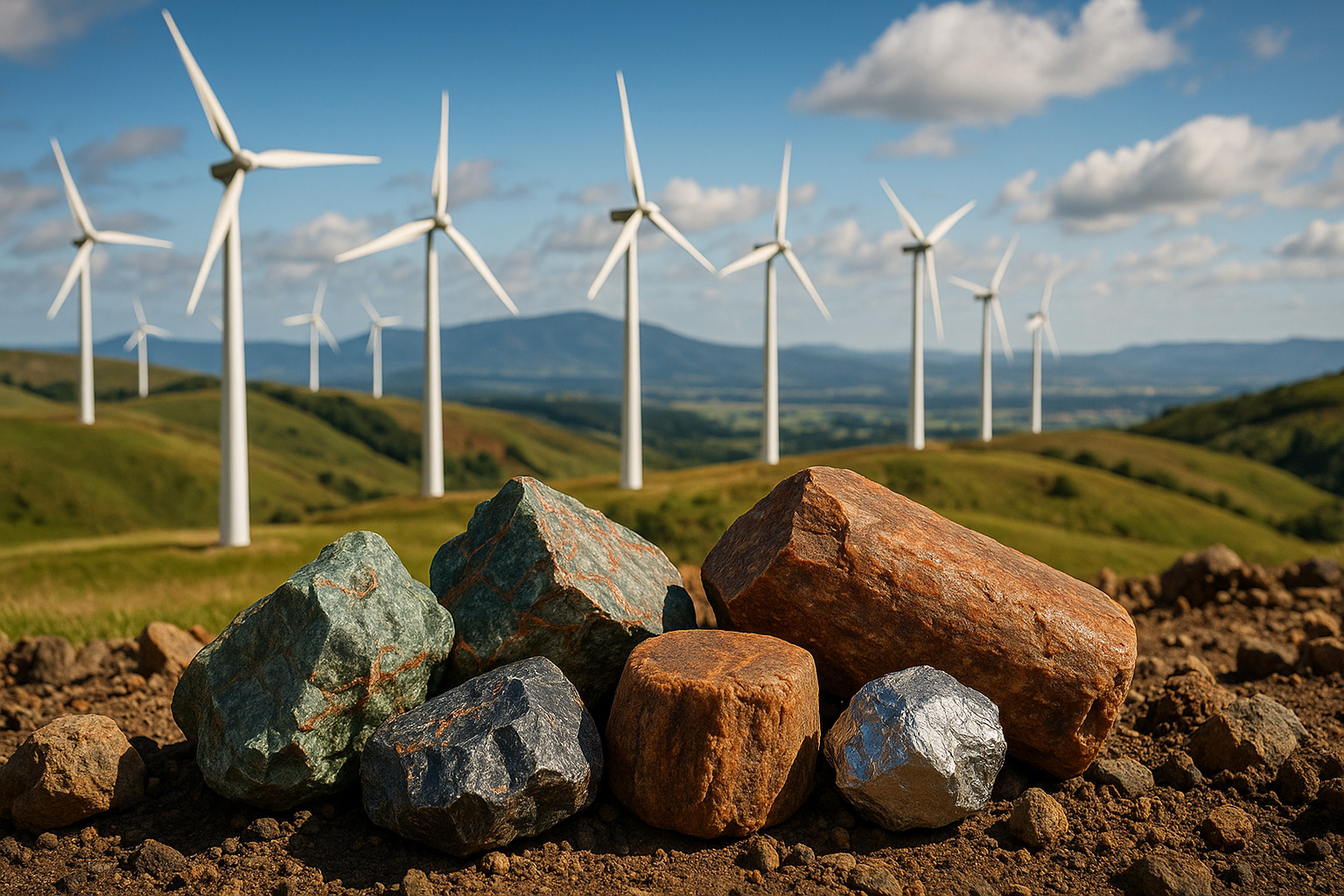
The Brazilian state accelerates industrial competitiveness with a focus on the extraction of strategic minerals to boost the energy transition in Goiás.
-
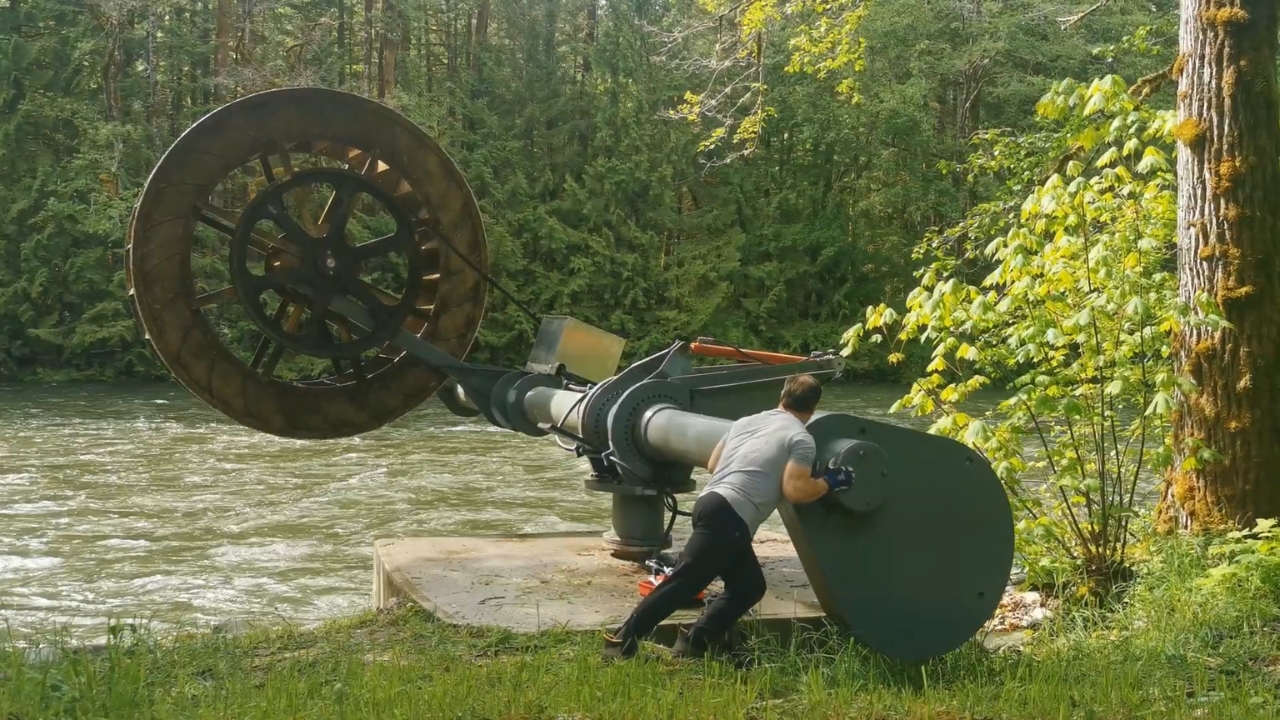
A Canadian retiree creates a hydroelectric system on a real river, generating energy continuously throughout the day and demonstrating how the power of water can supply a house with stability even in a simple structure.
-
Petrobras reaffirms its commitment to the market and ensures that it will carry out the energy transition safely to maintain national sovereignty.

-
Researchers discover a possible hydrogen deposit of up to 46 million tons beneath an ancient coal basin, and the volume could exceed half of the entire global production.


Next, heat began to drive industrial boilers, marking a new technological leap. Thus, the history of energy follows the human capacity for adaptation and innovation.
Today, however, the debate about infinite energy moves away from fantasy. Instead, it approaches the smart utilization of abundant and constant resources. Therefore, Brazil, with its warm climate and clean energy matrix, is consistently advancing in this direction, supported by national scientific research.
The Role of Heat in Electricity Generation
Historically, heat has always been central to energy production. During the Industrial Revolution, for example, the heat generated by burning coal powered machines and propelled entire economies. Subsequently, this same principle supported large-scale thermal power plants.
However, despite its importance, a large portion of the heat generated in these processes is lost. In other words, it dissipates into the environment without any utilization. Additionally, this thermal waste also occurs in urban daily life, in engines, electronic devices, and household appliances.
In light of this, in recent decades, material science has started to view waste as an opportunity. Thus, if heat represents energy, it makes sense to convert it directly into electricity. In this way, the concept of infinite energy gains a practical and realistic meaning, based on efficiency and reuse.
The Brazilian Technology That Transforms Heat into Energy
In this context, Brazil takes on a prominent role. Researchers from the University of São Paulo, in partnership with CNPEM, are conducting in-depth studies on thermoelectric and photothermal materials. From this research, the materials can generate electrical current through temperature differences.
Furthermore, scientists analyze the microscopic structure of compounds, assessing how it influences energy performance. At the same time, the goal involves creating durable, efficient, and environmentally responsible solutions, able to function in real urban environments.
Consequently, this advancement strengthens national science. More than that, it demonstrates that the country produces high-level innovation. At the same time, the technology creates opportunities for industrial applications, startups, and new productive chains related to clean energy.
Applications in Daily Life and Cities
In general, the main advantage of this technology is the use of heat already present in the environment. After all, in Brazilian cities, high temperatures prevail for much of the year, ensuring a constant availability of thermal energy.
Additionally, roofs, facades, paved streets, vehicles, and electronic equipment continuously release heat. Thus, with the appropriate materials, these points can start to function as small sources of clean and decentralized energy.
In practice, this means that autonomous sensors, urban monitoring systems, and connected devices can operate with less dependence on the traditional electrical grid. In this way, cities become more efficient, resilient, and smart.
Infinite Energy as a Practical and Sustainable Concept
Whenever the theme of infinite energy arises, many people envision something impossible. However, this technology presents a new perspective. In fact, it offers an almost continuous source of electricity whenever there is heat available, something common in tropical regions like Brazil.
Still, it is important to highlight that the proposal does not replace hydropower plants, solar, or wind farms. On the contrary, the technology complements the energy matrix, reduces waste, and enhances the efficient use of natural resources.
Moreover, this diversification strengthens energy security, making the system less dependent on centralized structures and better prepared for consumption peaks.
Environmental Impacts and Energy Efficiency
From an environmental perspective, the reuse of heat generates direct positive impacts. After all, by transforming wasted heat into electricity, the technology reduces energy losses and improves urban and industrial efficiency.
At the same time, the intelligent use of heat helps to mitigate heat islands in cities, as part of the accumulated thermal energy becomes productive. Consequently, this approach aligns with global sustainability goals and emission reduction.
From an economic standpoint, such solutions also generate long-term benefits, such as reduced operational costs and the promotion of new business models related to the energy transition.
The Future of Infinite Energy in Brazil
When analyzing the history of energy in Brazil, one perceives a constant search for solutions aligned with the climatic and territorial reality. From the large hydropower plants of the 20th century to the recent expansion of solar and wind energy, innovation has always guided the national energy sector.
Now, the generation of electricity from heat reinforces this trajectory and points to a future based on the complementarity of sources. In this scenario, the concept of infinite energy ceases to be a distant dream and begins to symbolize the continuous use of abundant natural flows.
In summary, when science, technology, and creativity walk together, even heat becomes an ally. Thus, the future of energy tends to be simpler, more accessible, and sustainable, built from intelligent solutions developed in Brazil itself.








Seja o primeiro a reagir!