





 Portuguese
  English
  Spanish
  3 min of reading
  0 comments



Conab Advances Toward Energy Autonomy and Sustainability with Clean Energy System in Warehouses, Reducing Costs, Emissions, and Strengthening Storage Infrastructure
Clean energy emerges as a central piece of the latest initiative from National Supply Company (Conab), launching the “Solar Warehouses” program, according to a report published.
With the announcement made on November 11 during COP 30 in Belém (PA), the state-owned company begins the installation of photovoltaic panels in 21 storage units distributed across the country, the initial phase of a change aimed at reaching all 64 units in the coming years.
The initiative aims to reduce electricity costs, cut carbon emissions, and ensure the transition of the public storage system to a more independent and modern energy management.
-
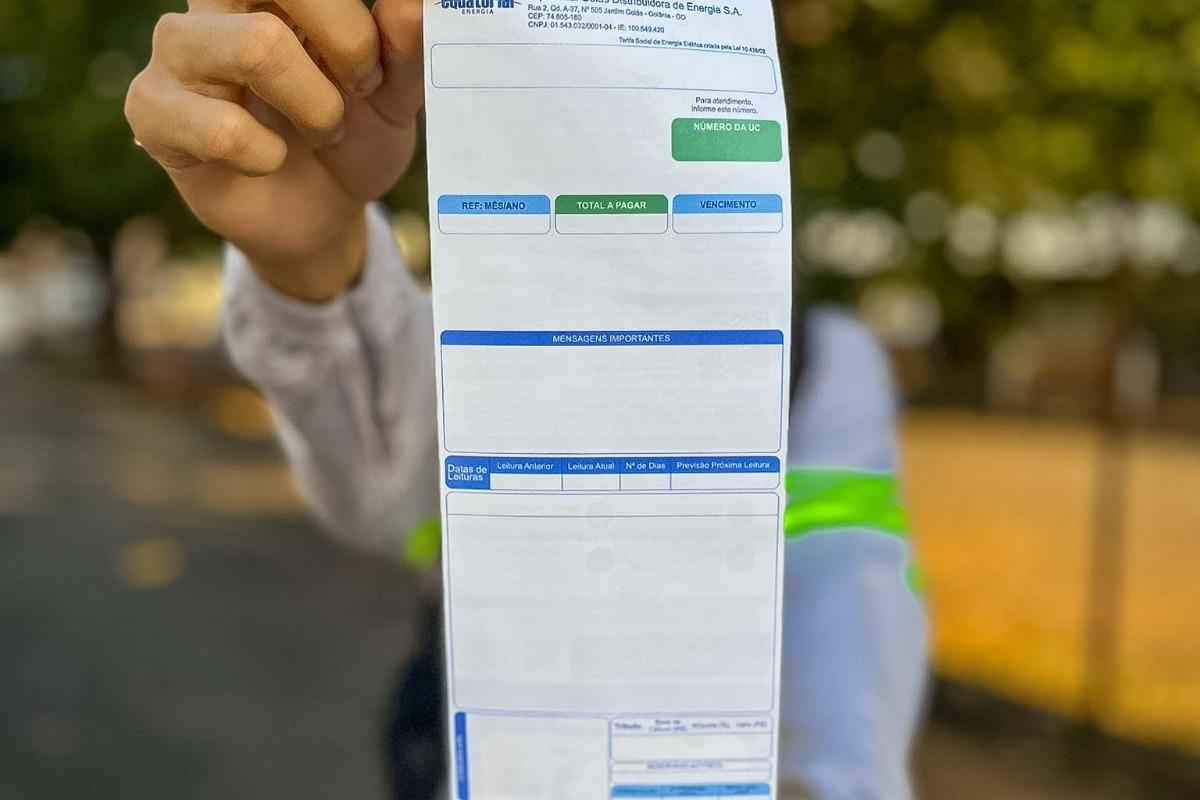
Equatorial adopts new national number for consumer units on electricity bills starting in April, following ANEEL standards and modernizing energy bills in several states.
-
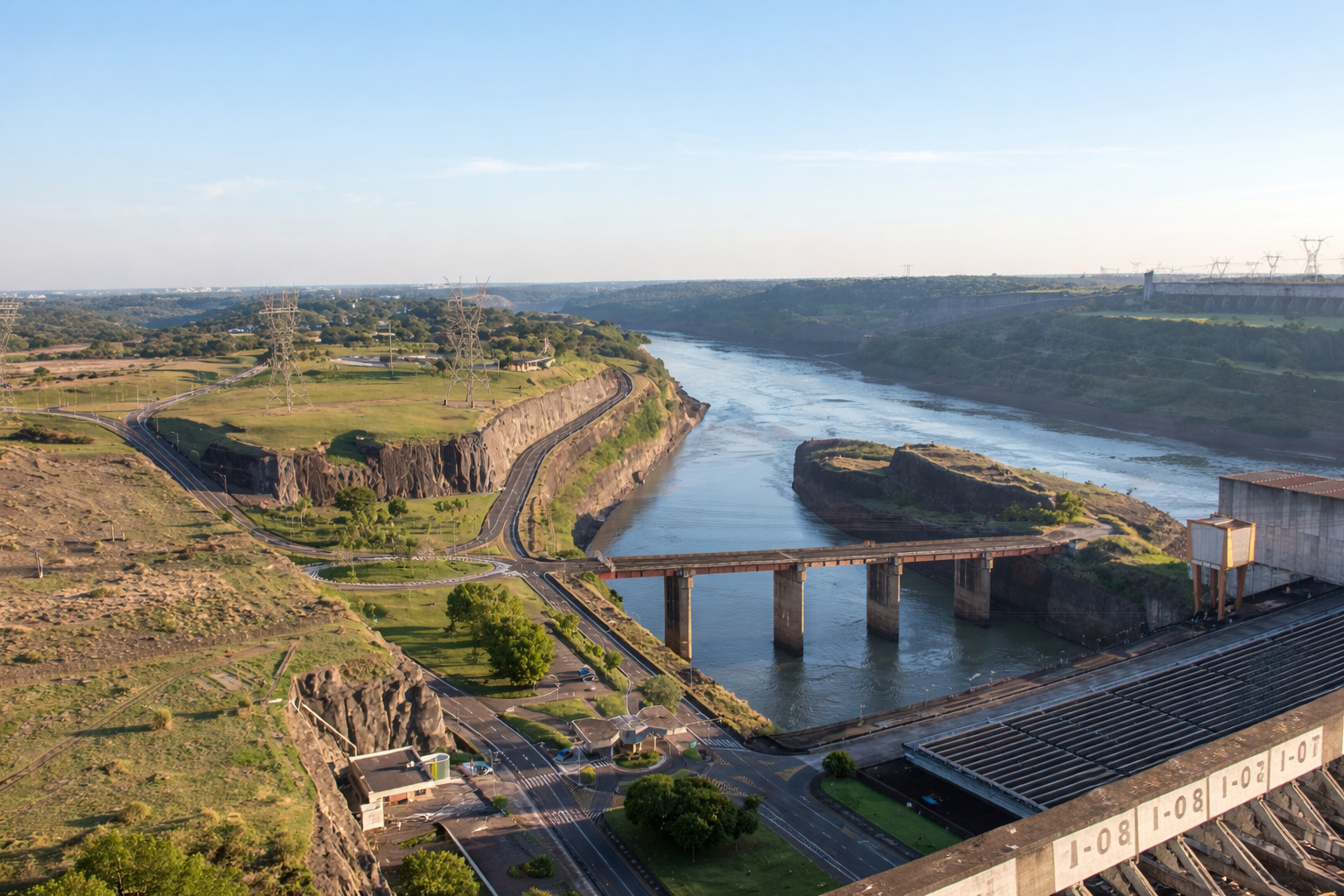
Itaipu Impresses the World: Hydroelectric Plant with 20 Turbines and 14,000 MW Generates Over 2.9 Billion MWh and Leads Global Clean Energy Production
-
Aneel Revokes CMAA Thermal Power Plants After Network Restrictions and Excess Energy in the System
-
13-Year-Old Scientist Creates Clean Energy Device For Just R$ 16, Wins $25,000 Prize And Surprises The World With Affordable Solution


Integration of Renewable Energy and Efficiency in the Storage Sector
Conab invested about R$ 6.9 million to kick off the Solar Warehouses Program, associated with its Conab Verde program, focusing on sustainable practices and energy autonomy.
In partnership with the Federal University of Pelotas (UFPel), the project plans to install Grid-Connected Photovoltaic Systems (SFVCR) in the 21 units, as well as align with federal decrees that encourage renewable sources and tools for good environmental governance.
The main goal is to contribute to the United Nations (UN) in SDG 7, which seeks to ensure “universal access to clean energy by 2030.”
The first warehouse to benefit was the Rondonópolis Storage Unit (MT), which already operates with a complete photovoltaic system and provides power for all administrative activities of the unit.
Reduction of Emissions, Costs, and Modernization of the Storage Network
At the unit in Canoas (RS), in the Metropolitan Region of Porto Alegre, the notice published on November 7 provides for the installation of 250 photovoltaic panels, with an estimated savings of 180 MWh/year and a reduction of about 9 tons of CO₂ annually.
The investment in this unit is estimated at R$ 619.6 thousand, and the execution period will be 120 days after the service order is issued.
At the Ananindeua (PA) unit, 127 panels are planned, with an estimated production to reduce consumption by about 132 MWh/year and avoid the emission of approximately 6.6 tons of CO₂, with an investment of R$ 499.6 thousand.
The projects for the other 19 units in the initial phase are already being prepared, consolidating the national expansion of Conab Verde, towards clean energy throughout Brazil.
Increased Storage Capacity and Impact on Food Security
In the last three years, Conab has invested approximately R$ 272 million in renovations, expansions, and equipment acquisition, with resources that include contributions from the National Bank for Economic and Social Development (BNDES) and Itaipu Binacional.
The public storage capacity increased from 900 thousand tons to 1.32 million tons, a 48% increase.
The interventions include roof recovery, installation of mobile lifelines, strengthening technical supervision, and engineering project planning.
This more robust and modern infrastructure supports the “Sales at Counter” (ProVB) program, aimed at small producers, and strengthens Conab’s role as a public policy instrument for food security and controlling food inflation.
The adoption of clean energy by Conab aligns not only with mitigating environmental impacts and optimizing resources but also with the strategy of making its storage units self-sufficient in electricity.
By investing in photovoltaic solar systems, the state-owned company reduces its dependence on the grid, lowers operational costs, and moves toward a more sustainable management model, echoing national and international goals for the use of renewable energy.
The expansion plan for the other units demonstrates the commitment to this new paradigm, reinforcing modernization, efficiency, and social-environmental responsibility in the public storage sector.
In this process, clean energy positions itself as an essential foundation to lead Conab into a new era.







-

-

-

-

6 pessoas reagiram a isso.