





 Portuguese
  English
  Spanish
  5 min of reading
  0 comments


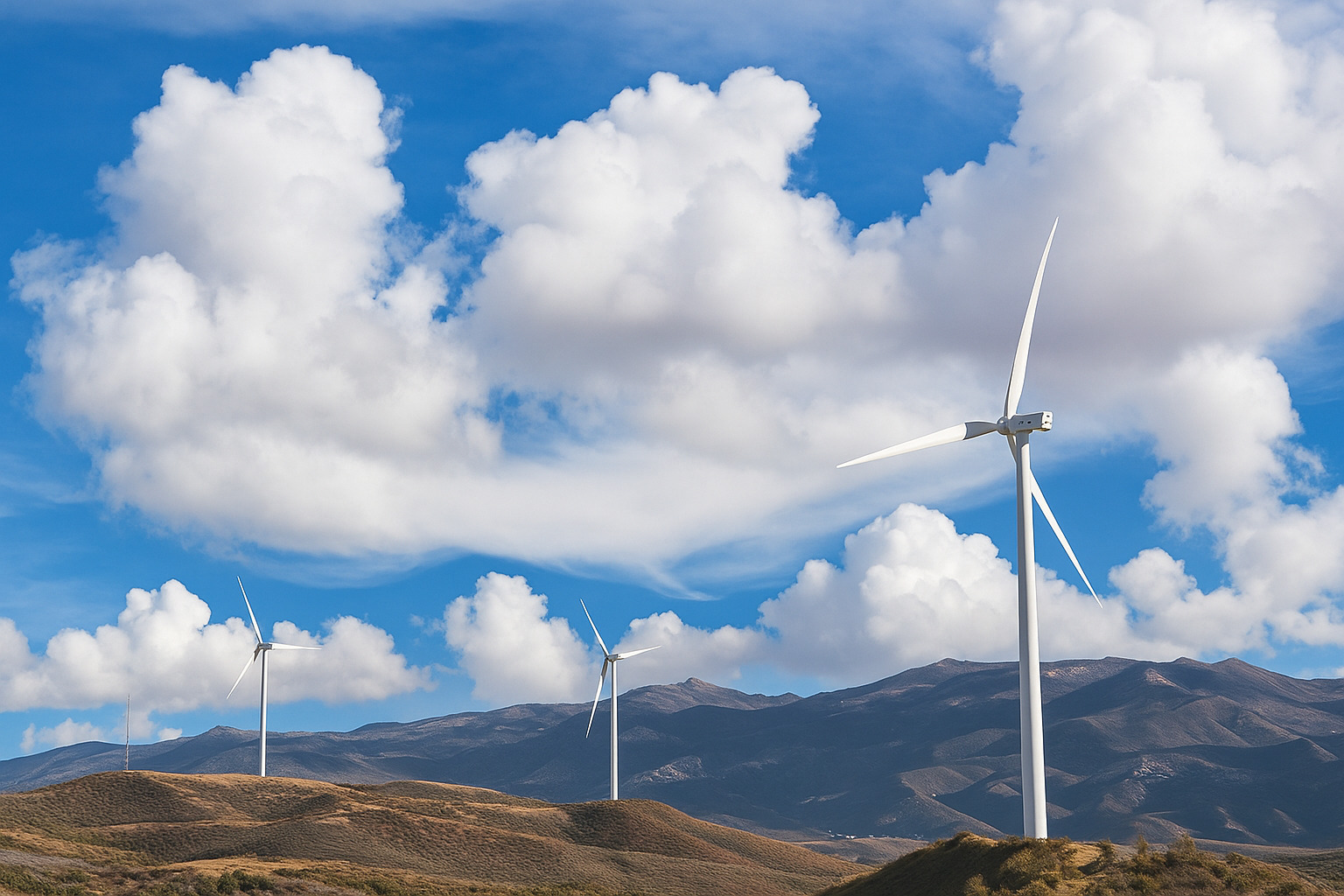
Discover How Brazil Combines Clean Energy and Relations with China to Become a Global Reference in Artificial Intelligence and Technological Innovation.
Brazil is going through a strategic moment that could define its prominence in the global technology landscape, especially in the field of artificial intelligence (AI). In this context, two forces stand out: the abundance of clean energy and the strengthening of relations with China. Therefore, these elements offer competitive advantages. Consequently, they position the country as an attractive destination for international investments. Additionally, they pave the way for the development of new technological hubs.
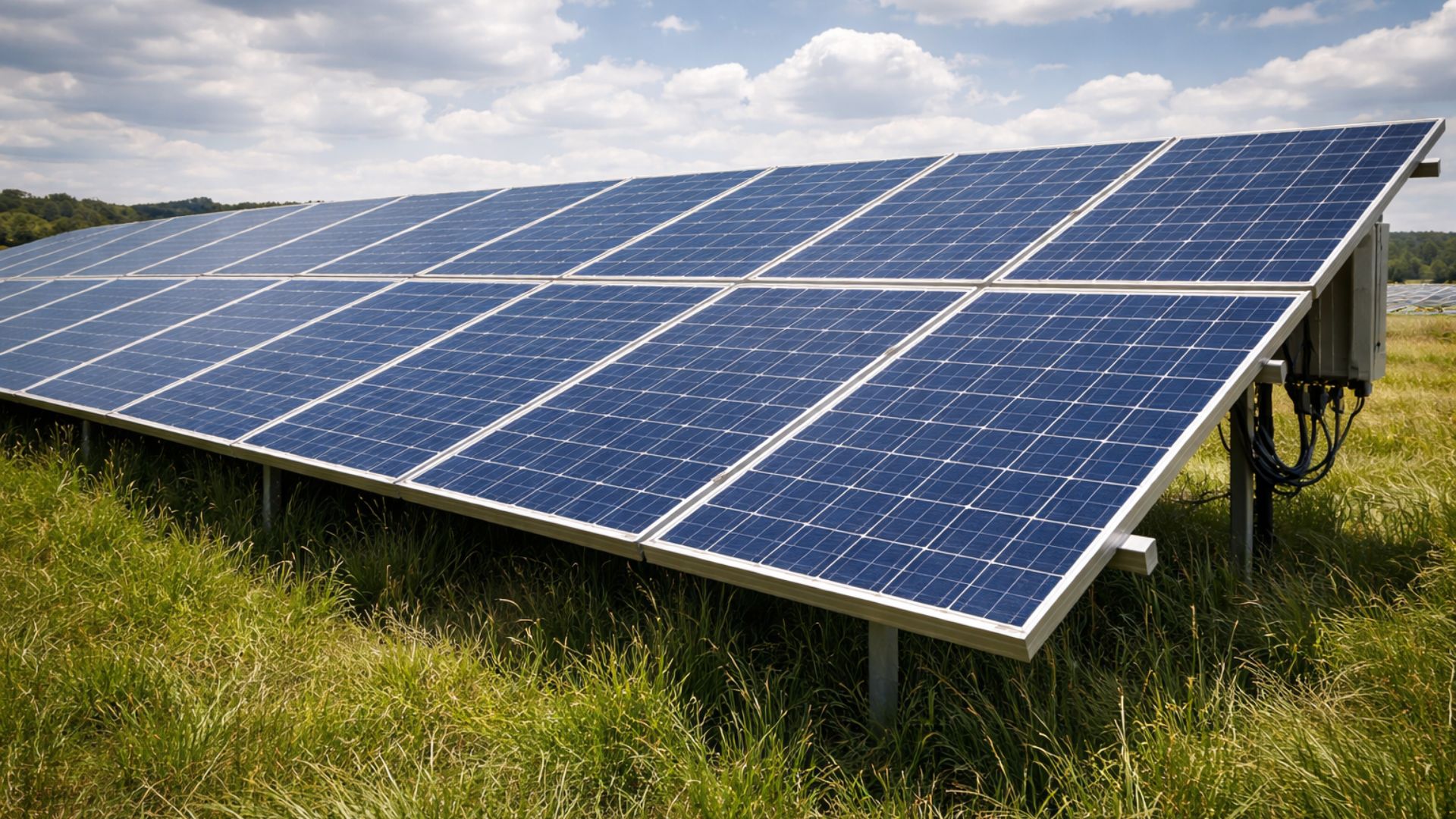
Historically, Brazil has built an energy matrix based on renewable sources. Since the 1970s, with the alcohol program from sugarcane, the country has sought alternatives to reduce dependence on fossil fuels. Furthermore, this trajectory has evolved with the growth of hydropower. Today, it generates a substantial portion of the electricity consumed. More recently, Brazil has expanded its generation of solar and wind energy. Thus, it has established itself among the world leaders in energy sustainability.
Therefore, this history of innovation in renewable energy places the country in a privileged position in the context of AI. This technology requires high electricity consumption to operate data centers, neural networks, and machine learning systems. While global energy demand is growing with the advancement of digitalization, Brazil stands out for offering clean energy in abundance, capable of supporting large technological operations without compromising the environment.
-
How green infrastructure and renewable energy at the World Cup transform the logistics of the largest sporting event on the planet in North America.

-
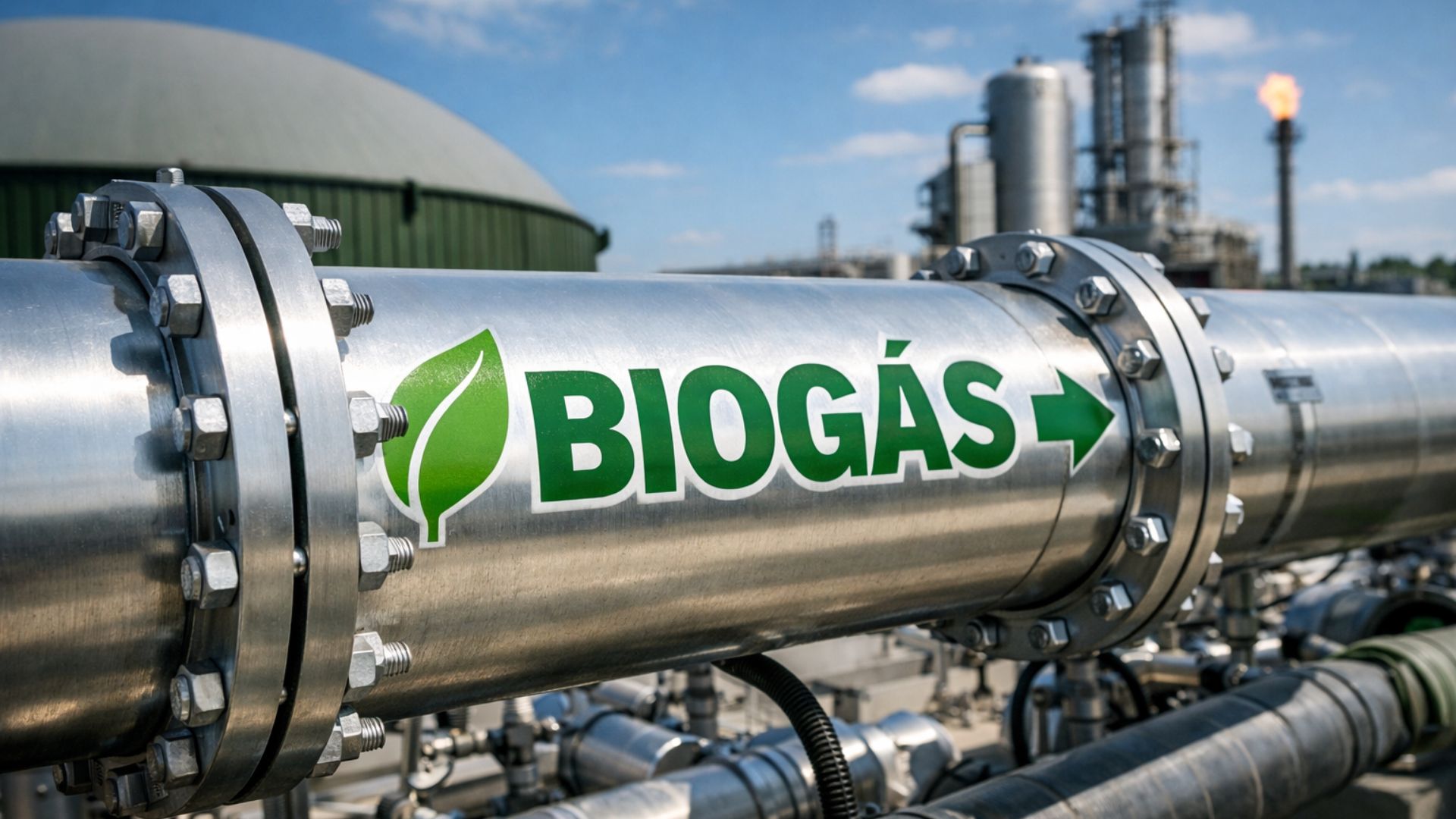
The Cagece and UFC project advances in sustainable innovation with biogas by converting waste into renewable energy, reducing environmental impacts, and increasing sanitation efficiency with concrete and measurable results.
-
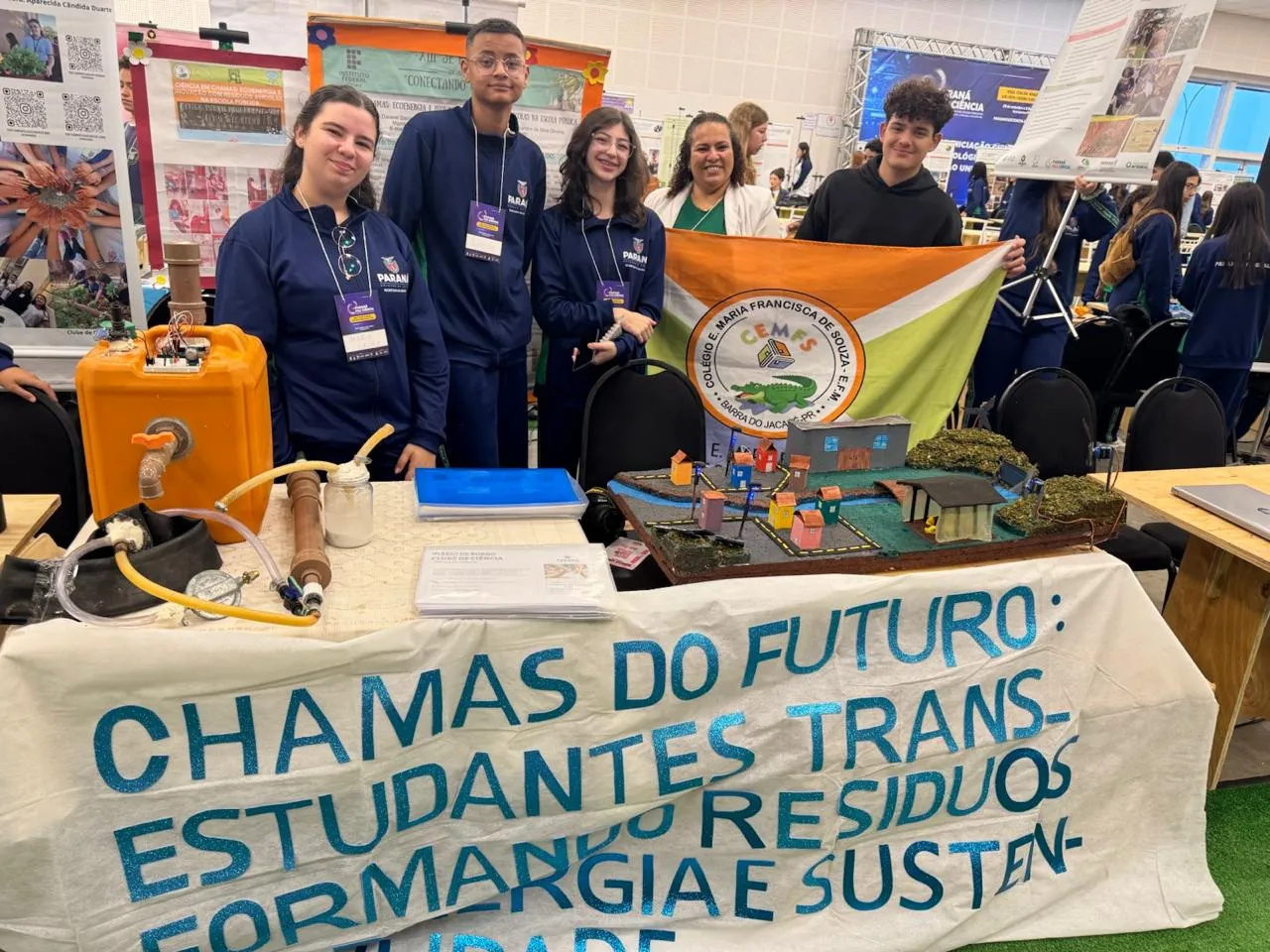
Paranaense students develop a system that transforms farm waste into clean energy and revolutionizes sustainable agribusiness.
-
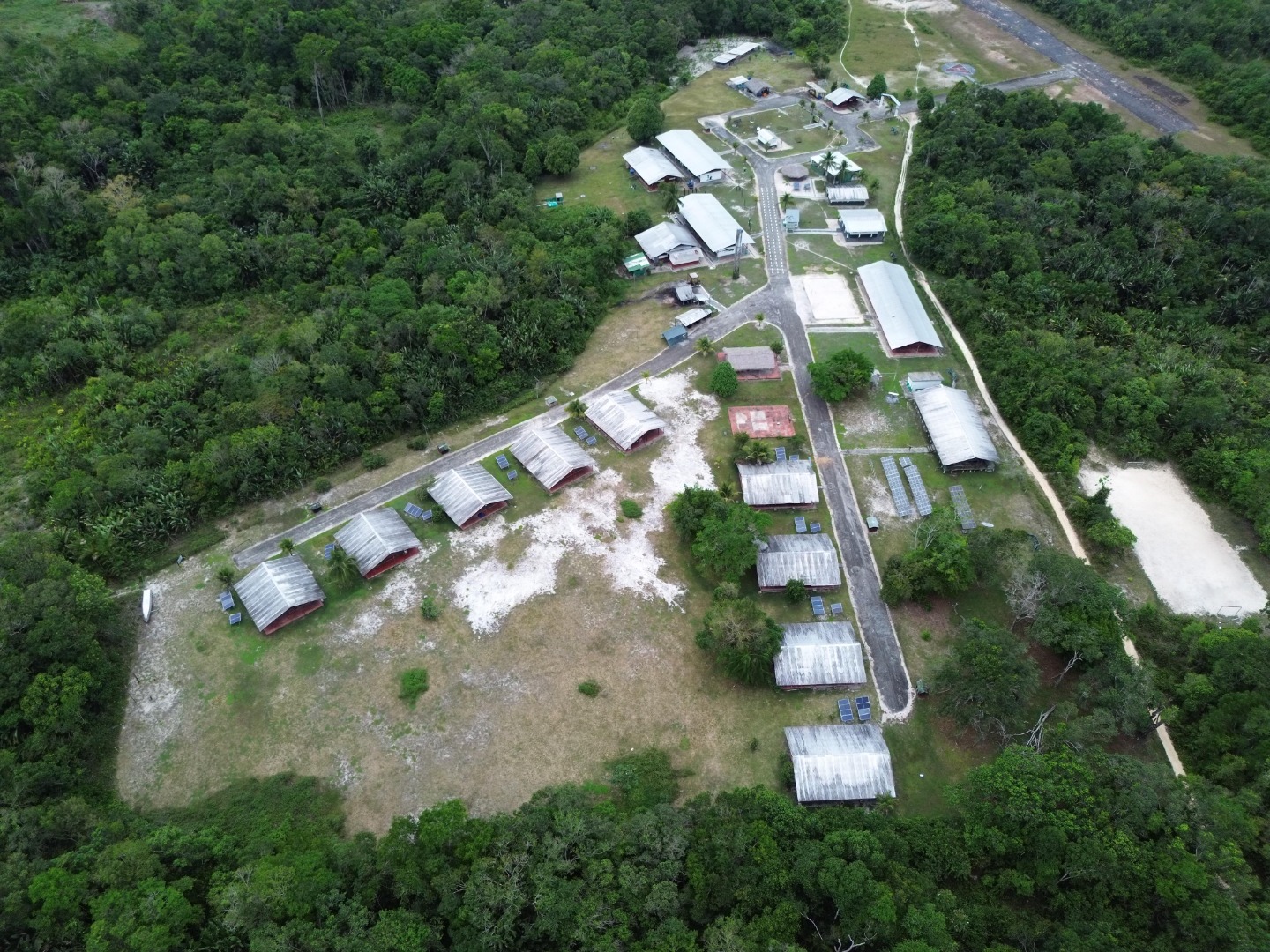
The Ministry of Defense installs a giant photovoltaic plant and ensures a stable supply of clean energy in Maturacá, in the Amazon.
Moreover, the diversity of renewable sources in Brazil ensures resilience. Hydropower stations, solar parks, and wind farms distributed throughout the territory maintain stability in energy generation, even in the face of climatic or geopolitical variations. Thus, the ability to provide clean electricity consistently attracts large-scale technological projects. Therefore, it creates an important strategic differential.
Strategic Relations with China
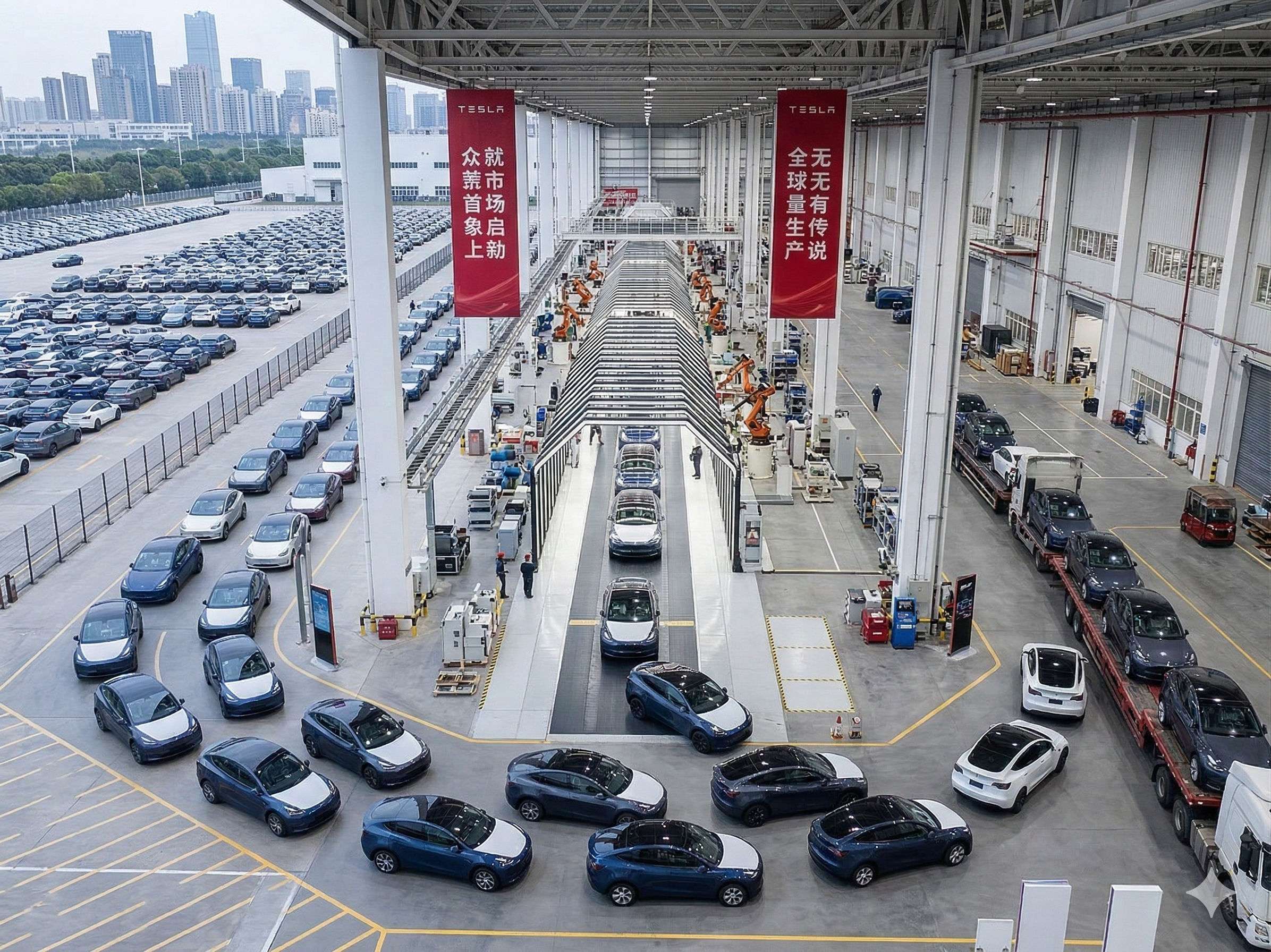
Another decisive factor for Brazil is the consolidation of relations with China, the country’s largest economic partner since 2009. As a result, bilateral trade is consistently growing. It reaches records in several areas. China invests in strategic sectors in Brazil, such as telecommunications, mobility, and energy, establishing a solid presence in the country. Additionally, the relationship is not limited to trade; it involves technology transfer, scientific cooperation, and strategic partnerships in innovation.
This approach to China allows Brazilian companies to integrate into global technology chains. Furthermore, they can leverage the knowledge of one of the most advanced countries in artificial intelligence. In this way, the development of AI in Brazil relies on two interconnected pillars: the availability of clean energy and integration with a global technological partner. This combination offers unique advantages. Meanwhile, many nations face energy constraints or dependence on fossil fuels.
Besides the economic aspect, relations with China also influence diplomacy and science in Brazil. Therefore, exchange programs and joint research bring universities, innovation centers, and private companies closer to international standards of excellence. Thus, this interaction creates opportunities for the training of skilled professionals in AI and cutting-edge technologies. Consequently, it expands the talent base necessary to sustain sector growth.
Chinese Companies and Investments in Brazil
Chinese companies, such as Huawei, already consider Brazil a long-term strategic market. Moreover, with investments in data centers, cloud, and artificial intelligence, these corporations see the country as a promising hub. It is capable of attracting talent and consolidating an innovation ecosystem. This presence strengthens economic growth and consequently creates opportunities for research, development, and application of AI-based solutions in Brazil.
The synergy between clean energy and international cooperation positions the country as a center for technological experimentation. In this way, it can compete with traditional powers in digital innovation. Additionally, the Brazilian government and funding institutions stimulate technological expansion. Therefore, policies supporting research, digital entrepreneurship, and energy sustainability create a favorable environment for startups and large companies.
The strengthening of digital infrastructure increases competitiveness. Therefore, the expansion of fiber optic networks, 5G connectivity, and data processing centers allows Brazil to integrate artificial intelligence solutions. Thus, it connects cities, industries, and service sectors. On the other hand, foreign investments, especially from China, accelerate this process. In this way, they ensure that the country keeps pace with global advancements and becomes a reference in clean and smart technology.
Sustainability and International Competitiveness
Brazil’s experience in renewable energy generation, combined with Chinese expertise in AI and digital infrastructure, creates a unique combination. It transforms the country into a global reference. In the historical context, Brazil has always had the potential to lead, but economic and geopolitical factors have limited its reach. With digital technology and artificial intelligence, new opportunities arise to overcome these limitations.
The ability to provide clean energy on a large scale, along with strategic partnerships with China, allows Brazil to become a global hub for innovation. In addition, it attracts investments, talent, and cutting-edge knowledge. Energy sustainability directly impacts international competitiveness. Global companies seek to reduce their carbon footprint. Therefore, they prioritize electricity from renewable sources when choosing the location of data centers and large-scale operations.
International reputation also strengthens. Therefore, countries that invest in clean energy gain trust as innovative partners. Consequently, this image enhances Brazil’s ability to negotiate trade, technological, and scientific agreements. Thus, it opens new opportunities for bilateral and multilateral cooperation. In this way, energy sustainability becomes an environmental, strategic, and economic differential.
Education, Innovation, and Global Integration
In addition to the economic impact, strengthening relations with China opens opportunities for educational, scientific, and cultural exchanges. In this way, cooperation programs in science and technology help Brazilian students, researchers, and professionals gain experience in highly competitive and innovative environments. Thus, this integration strengthens the national technology ecosystem. It fosters startups, research laboratories, and solutions applicable to different sectors of the economy.
The creation of a sustainable innovation environment depends on the availability of clean energy and access to international knowledge and investments. Additionally, participation in fairs, trade missions, and technological training programs brings Brazil closer to global innovation hubs. In this way, these efforts help to form a robust environment capable of attracting new investments and consolidating the country as a regional and global reference in clean technology and artificial intelligence.
Brazil as a Global Leader in AI
In the Brazilian case, the abundance of clean energy and proximity to China create a concrete opportunity to transform the country into a technological reference center. Moreover, the investment in artificial intelligence is not just an economic strategy. It also promotes sustainable development, talent development, and global integration.
In summary, Brazil has unique conditions to take on a central role in artificial intelligence. Therefore, the combination of clean energy and strategic relations with China creates a favorable scenario for investments, innovation, and long-term development.
The history of Brazil’s energy matrix, combined with economic diplomacy and strengthened technological ties, positions the country favorably. Thus, with strategic planning, international cooperation, and a focus on sustainability, Brazil can establish itself as a global leader in artificial intelligence, attracting attention, resources, and talent from around the world.








-

Uma pessoa reagiu a isso.