





 Portuguese
  English
  Spanish
  5 min of reading
  0 comments


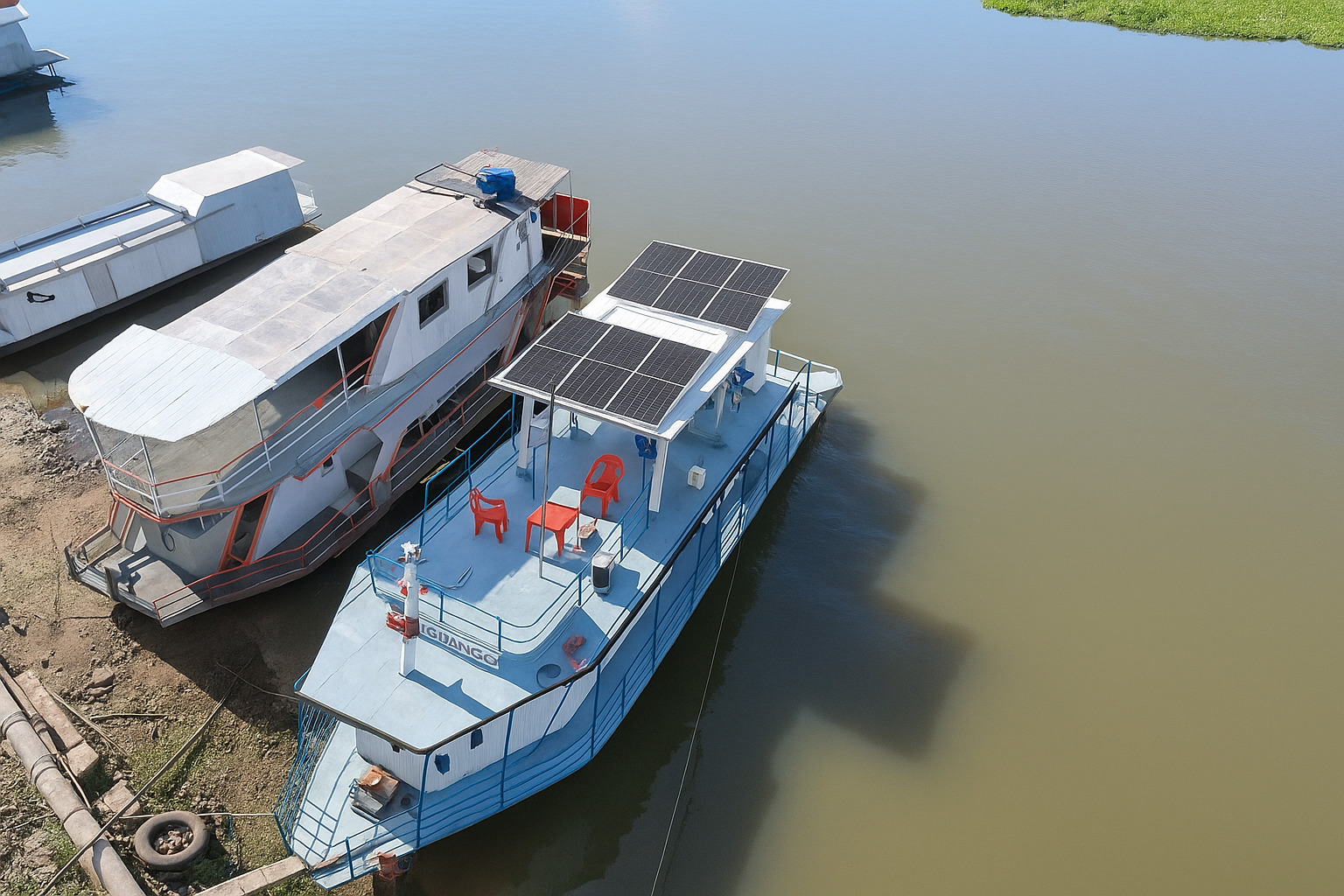
Discover How the Houseboat in the Pantanal Achieved Energy Autonomy with a Hybrid System, Promoting Clean Energy in the Pantanal Sustainably and Economically.
The Pantanal, located mainly in the states of Mato Grosso and Mato Grosso do Sul, is one of the richest and most biodiverse ecosystems in the world.
Therefore, its waters, flora, and fauna attract researchers, tourists, and traditional communities that rely on environmental balance to survive.
Throughout history, this region has faced challenges related to sustainable development, especially in activities that depend on energy for transportation, communication, and local infrastructure.
-
Seagri’s headquarters invests in solar energy with Neoenergia Coelba and promises to cut electricity costs, highlighting a strategic advance in sustainability and energy efficiency within state public administration.
-
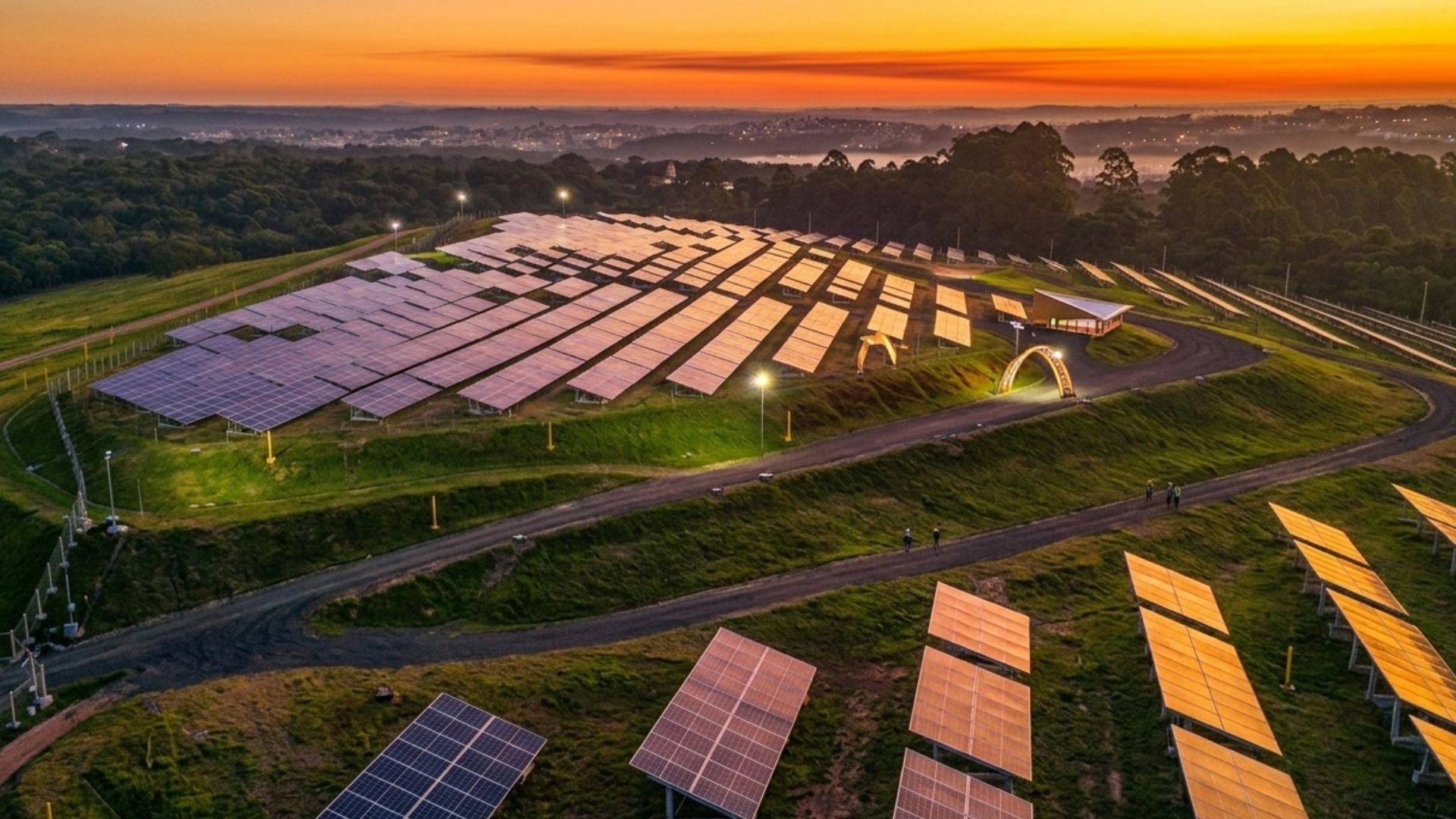
Solar Pyramid draws attention by converting solar energy into million-dollar savings and repositioning the City Hall of Curitiba as an example of innovation, sustainability, and intelligent use of public resources.
-
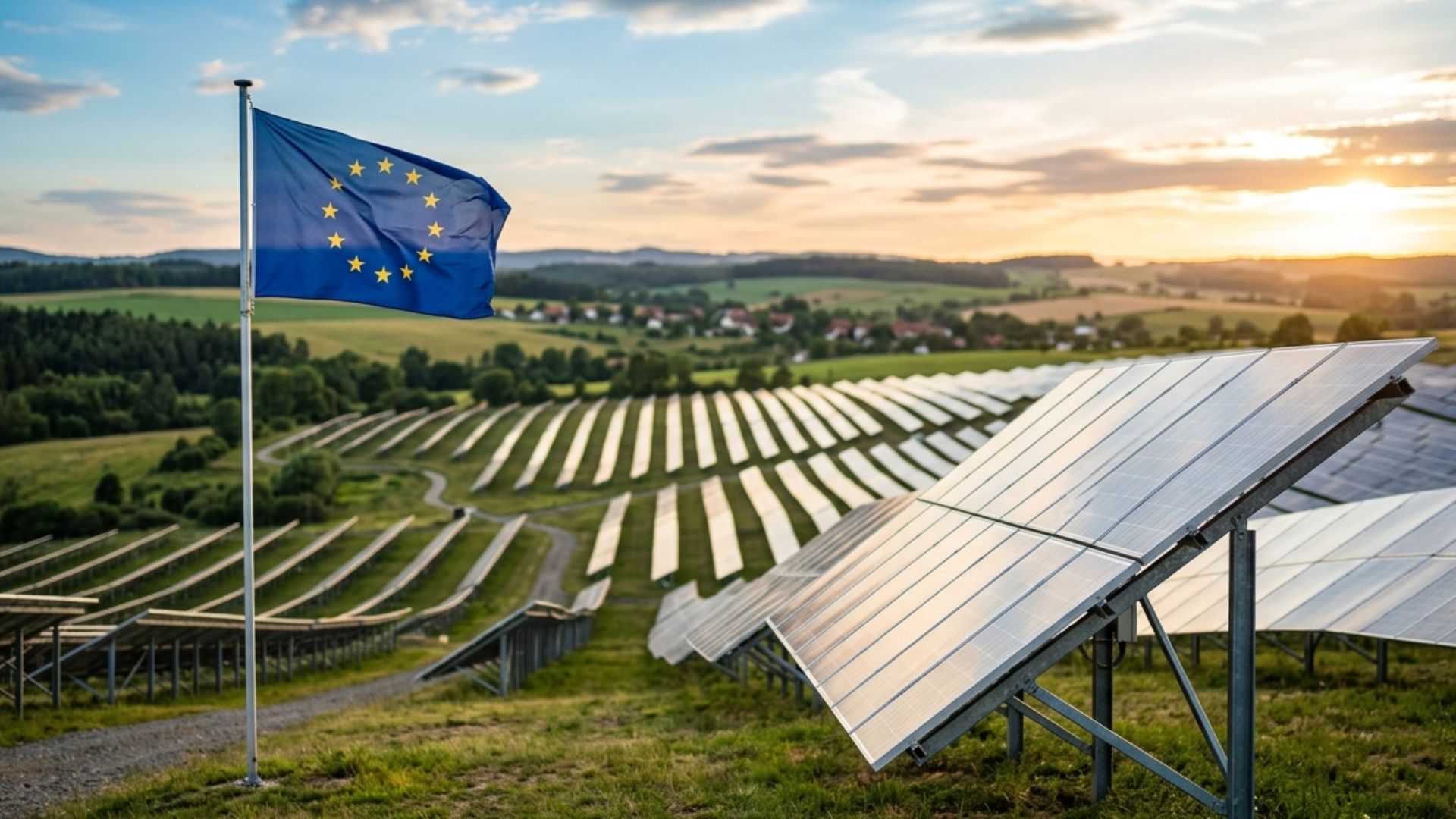
Europe records strong euro economy with solar energy in March and sparks curiosity about which country leads growth that redefines the energy market and reduces costs.
-
Piauí reaches a historic milestone in energy transition: State records nearly 160,000 households powered by solar energy and leads growth in the Northeast.

In this context, the adoption of clean energy in the Pantanal emerges as a strategic solution. It allows for the reconciliation of progress and environmental preservation.
Recently, a houseboat that navigates the waters of the Pantanal in Mato Grosso became an example of this advancement. Thus, teams installed innovative equipment in its structure. They ensure energy autonomy and reduce dependence on fossil fuels, such as diesel and gasoline.
The project, a result of the partnership between BRFOX and Intelbras, implemented a hybrid photovoltaic system with a capacity of 5.26 kWp, capable of generating around 600 kWh per month.
Consequently, this system replaces the continuous use of traditional generators, promoting a cleaner, quieter, and more financially advantageous operation.
Historically, the Pantanal has always faced logistical and energetic challenges due to its vastness and the predominance of floodable areas.
Thus, many communities rely on river transport to access markets, schools, and healthcare services.
On these routes, the energy autonomy of vessels becomes crucial. This increases the importance of adopting clean energy in the Pantanal.
Clean Energy in Practice: Off-Grid and Hybrid Systems
Moreover, riverine communities, fishermen, and vessel operators used diesel generators to light and move their boats.
However, this practice generated high costs for fuel and maintenance. It also contributed to noise and environmental pollution in the region.
With the advancement of solar technology, it became possible to utilize renewable sources, reducing negative impacts and ensuring clean energy in the Pantanal efficiently.
Thus, the vessel in Cáceres, Mato Grosso, has an intelligent off-grid system.
The system includes nine 585 W solar modules from Intelbras and a 5 kWp off-grid hybrid inverter charger, which manages up to four different energy sources: external grid, batteries, diesel generator, and photovoltaic panels.
This configuration allows the systems to operate in an integrated or independent manner, ensuring autonomy even under adverse conditions or during periods of low sunlight.
Additionally, the project brought significant economic impacts. With an investment of approximately R$ 28 thousand, the estimated return occurs in just 18 months.
Consequently, the monthly savings reach R$ 708 in electricity and can reach up to R$ 1,530 when compared to the exclusive operation of 10 kVa diesel generators.
These values do not include the reduced maintenance costs, which also represent significant savings.
Furthermore, using solar energy helps reduce greenhouse gas emissions. This preserves the air quality and environment of the Pantanal.
Thus, this initiative demonstrates that it is possible to combine economic development, technological innovation, and environmental conservation.
It creates a sustainable model for vessels and small riverine communities.
Technology and Energy Efficiency
The integrator responsible for the project, Fabiano Santos, highlighted that the hybrid inverter allows for quick battery charging, with a current of up to 100A.
It works with lithium and lead-acid batteries.
This flexibility allows for the adoption of different storage configurations, meeting the specific needs of each vessel.
Additionally, the equipment has a parallel function, allowing the system to be expanded with up to six inverters, reaching up to 30 kWp.
Another benefit of the system is that it automates the generator start-up in situations of low battery charge or solar panel energy.
Thus, it ensures the continuity of power supply without requiring constant human intervention.
Therefore, for vessels operating in remote locations of the Pantanal, this functionality increases reliability and operational safety.
The implementation of this type of technology represents an important step in the history of clean energy in the Pantanal.
For decades, the region relied on traditional energy solutions, which, while efficient in terms of power, impacted the environment.
However, with hybrid systems like the one installed on the houseboat, the emission of polluting gases decreases significantly. This protects the local flora and fauna.
Solar Lighting and Project Expansion
In addition to energy generation, the project incorporated solar lighting solutions from Intelbras, such as sconces and floodlights.
Thus, these technologies ensure that internal and external areas of the vessels receive efficient lighting, without increasing the energy consumption from fossil fuels.
The integration between solar energy generation and distribution systems transforms the operation of vessels and camps in the Pantanal, making them more sustainable and economically viable.
Furthermore, the partnership between BRFOX and Intelbras included other vessels that provide services to DNIT in monitoring the Paraguay River.
In these cases, similar systems were installed. They migrated from lead-acid batteries to lithium batteries from Intelbras and incorporated solar lighting solutions.
Consequently, one of these vessels operates 100% with lithium batteries and solar lighting, without the need for diesel or gasoline generators. This demonstrates the efficiency and viability of clean energy in the Pantanal.
The use of solar energy in vessels also helps raise awareness among communities about environmental preservation and responsible use of natural resources.
Therefore, the project acts as a model reference, encouraging other vessels and tourist operations to adopt similar solutions.
The Pantanal as a Laboratory for Sustainable Innovation
The advancement of solar and hybrid technology reflects global sustainability trends.
Moreover, the Pantanal, due to its remote and hard-to-access nature, becomes a natural laboratory to test innovative renewable energy solutions.
Thus, the success of these projects shows that it is possible to align technological development with environmental preservation, ensuring that the ecosystem remains intact for future generations.
Historically, the Pantanal has always had a close relationship with water.
Navigating by houseboats is an ancient tradition, dating back to when riverine communities relied on these transports to export products, fish, and communicate with other locations.
Therefore, the introduction of clean energy systems in the Pantanal represents an evolution of this tradition. It allows vessels to continue fulfilling their essential functions in a more sustainable and efficient manner.
Additionally, the project promotes environmental awareness and technological education.
By demonstrating that vessels can operate autonomously with solar energy, it paves the way for other communities and companies to adopt similar solutions.
In this way, the practice reduces environmental impacts, increases energy efficiency, and creates opportunities for sustainable development in the Pantanal.
Conclusion
Therefore, the installation of the hybrid photovoltaic system on the Pantanal houseboat marks the adoption of clean energy in the Pantanal.
In addition to ensuring energy autonomy, reducing costs, and preserving the environment, the project integrates technological innovation and regional tradition.
Thus, the combination of solar generation, modern batteries, and efficient lighting solutions allows vessels and camps to operate sustainably.
It serves as an example for other initiatives and solidifies the Pantanal as a reference in clean energy and sustainable development.






Seja o primeiro a reagir!