





 Portuguese
  English
  Spanish
  3 min of reading
  0 comments


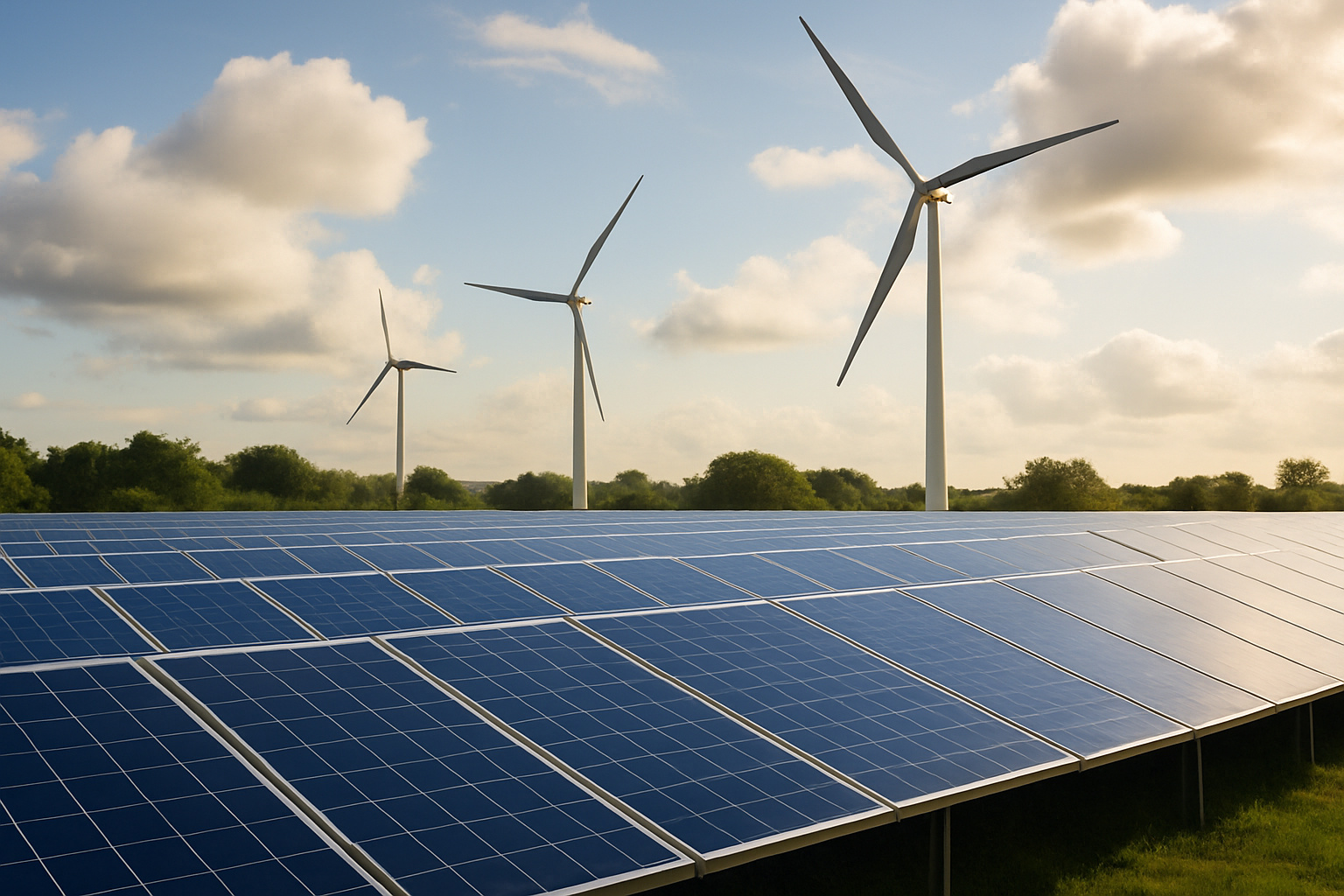
Solar And Wind Energy Lead Advancement And Drive Global Energy Transition
On the eve of the COP30, the new report from Ember in partnership with the International Renewable Energy Agency (IRENA) reveals that clean energy sources surpassed 40% of global electricity generation in 2024. The advancement is primarily driven by the expansion of solar and wind sources, which are consolidating as pillars of the global energy transition.
Global Scenario And Record Numbers
According to the report from Ember, global generation from low-emission sources reached 40.9% in 2024, reflecting a significant increase compared to the previous year. Renewable energies were responsible for the addition of 858 TWh to the global electricity matrix, a leap of 49% compared to the previous record.
Solar energy was the standout, recording a 29% growth in generation capacity. Meanwhile, wind energy expanded by 7.9%, reaching 2,494 TWh in the same period. In contrast, fossil sources advanced only 1.4%, highlighting that renewables gain space and competitiveness on a global scale.
Reduced Costs And Expanding Microgeneration
Despite geopolitical and economic instability, the installation and operation costs of renewable sources continue to decline, maintaining their attractiveness compared to fossil fuels. This scenario has stimulated the expansion of distributed microgeneration, especially from photovoltaic solar energy in homes and small businesses.
As a result, consumers have started to save while simultaneously driving demand for solar equipment, strengthening the global production chain. The economy of scale and the decreasing costs of photovoltaic systems make the transition even more accessible and sustainable.
However, wind farms, while strategic, depend on higher investments, which may restrict their expansion compared to solar.
-
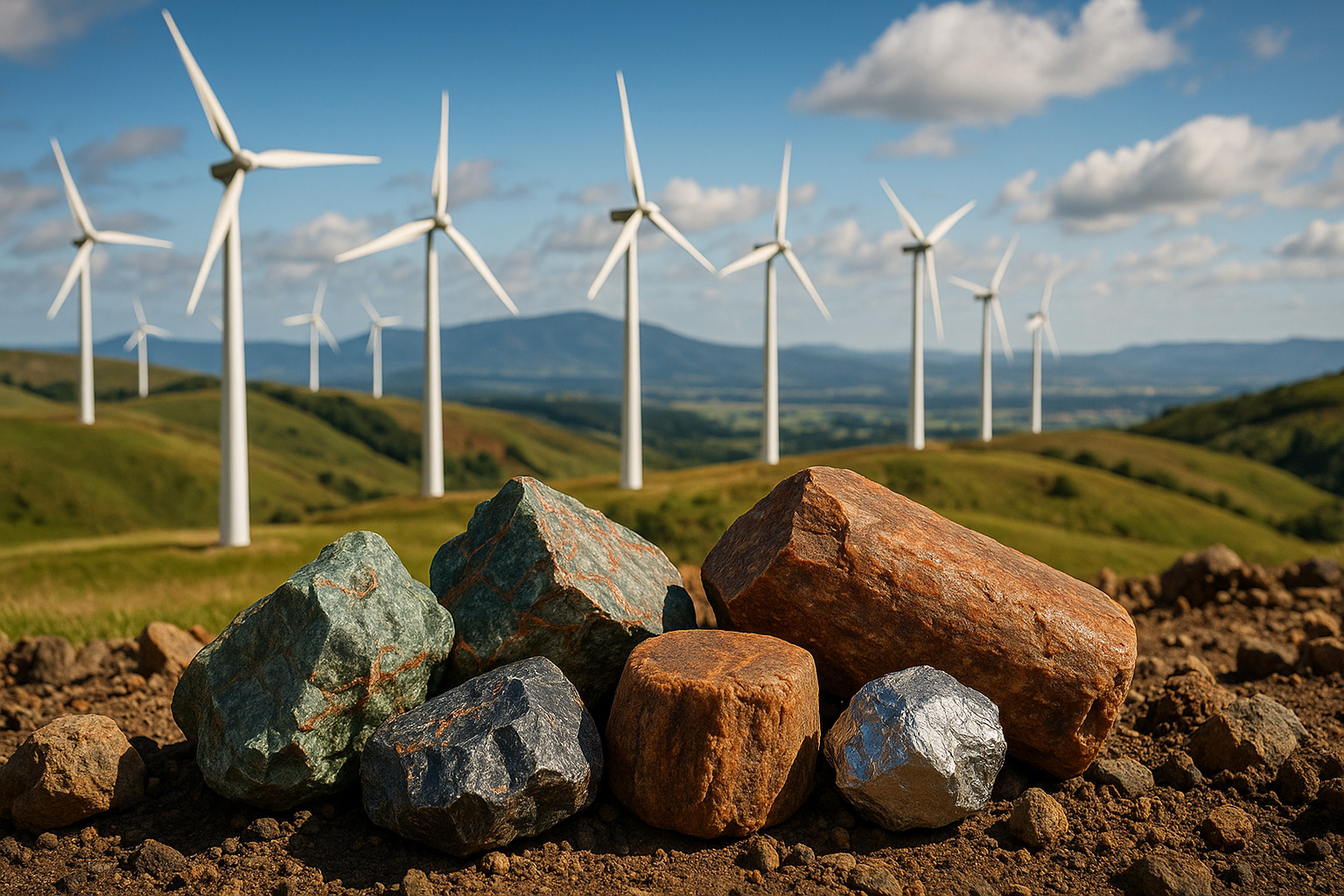
The Brazilian state accelerates industrial competitiveness with a focus on the extraction of strategic minerals to boost the energy transition in Goiás.
-
A Canadian retiree creates a hydroelectric system on a real river, generating energy continuously throughout the day and demonstrating how the power of water can supply a house with stability even in a simple structure.

-
Petrobras reaffirms its commitment to the market and ensures that it will carry out the energy transition safely to maintain national sovereignty.

-
Researchers discover a possible hydrogen deposit of up to 46 million tons beneath an ancient coal basin, and the volume could exceed half of the entire global production.


Structural Challenges And Risk Of Slowdown
Even with advancements, the lack of adequate infrastructure could compromise the speed of the energy transition. The expansion of transmission networks and intelligent energy management systems is essential to efficiently integrate multiple renewable sources.
Moreover, the projected overproduction of oil in the United States for 2025 could pressure commodity prices and dissuade investments in new clean sources.
Instability in international trade also contributes to some countries delaying energy transition plans, awaiting greater economic security.
Renewed Hope With COP30
Despite these obstacles, the global trend remains firmly aimed at decarbonization. The report from Ember and IRENA emphasizes that renewable sources are today more competitive and accessible.
The growth recorded in 2024 consolidates a historic milestone in global electricity generation.
The proximity of the COP30, scheduled for November 2025, underscores the urgency of continuing investments in clean energy, ensuring a sustainable and resilient electricity system.
After all, the energy transition is no longer an option — it is an urgent necessity.










Seja o primeiro a reagir!