





 Portuguese
  English
  Spanish
  3 min of reading
  0 comments


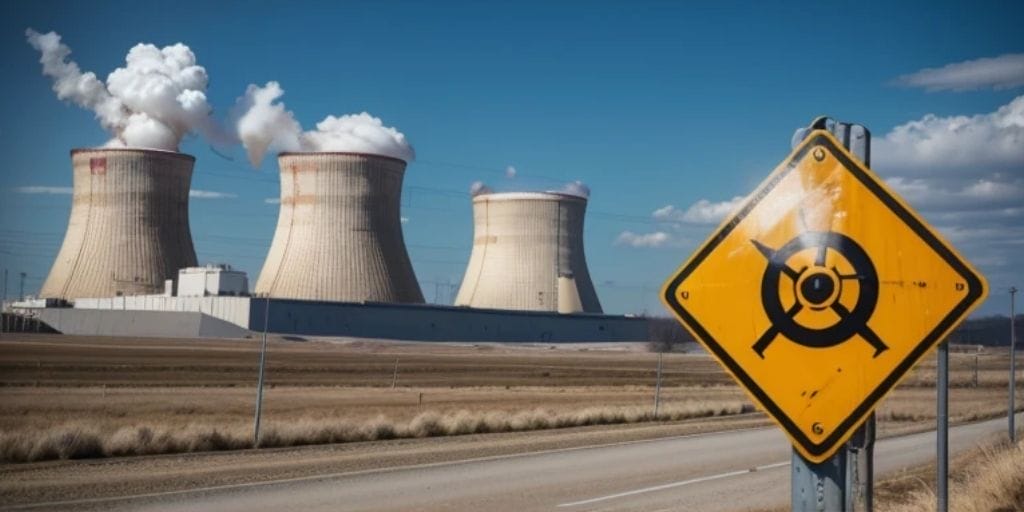
Imagine A World Where Nuclear Energy Emerges As The Great Savior In The Fight Against Global Warming.
An idea that seemed relegated to the past, but is gaining momentum again, as argued by Emmanuel Macron, President of France, at the COP28 climate conference at the end of last year. Could Brazil benefit from this energy paradigm shift?
Macron, like other advocates of nuclear energy, argues that this energy source is a clean alternative, emitting relatively low levels of greenhouse gases compared to fossil fuels like oil, coal, and gas. However, this solution is not unanimous and raises intense debates about its risks and viability.
The Dilemma Of Nuclear Waste And Accidents
Nuclear energy brings with it the issue of disposing of radioactive waste, which can remain dangerous for tens of thousands of years.
-
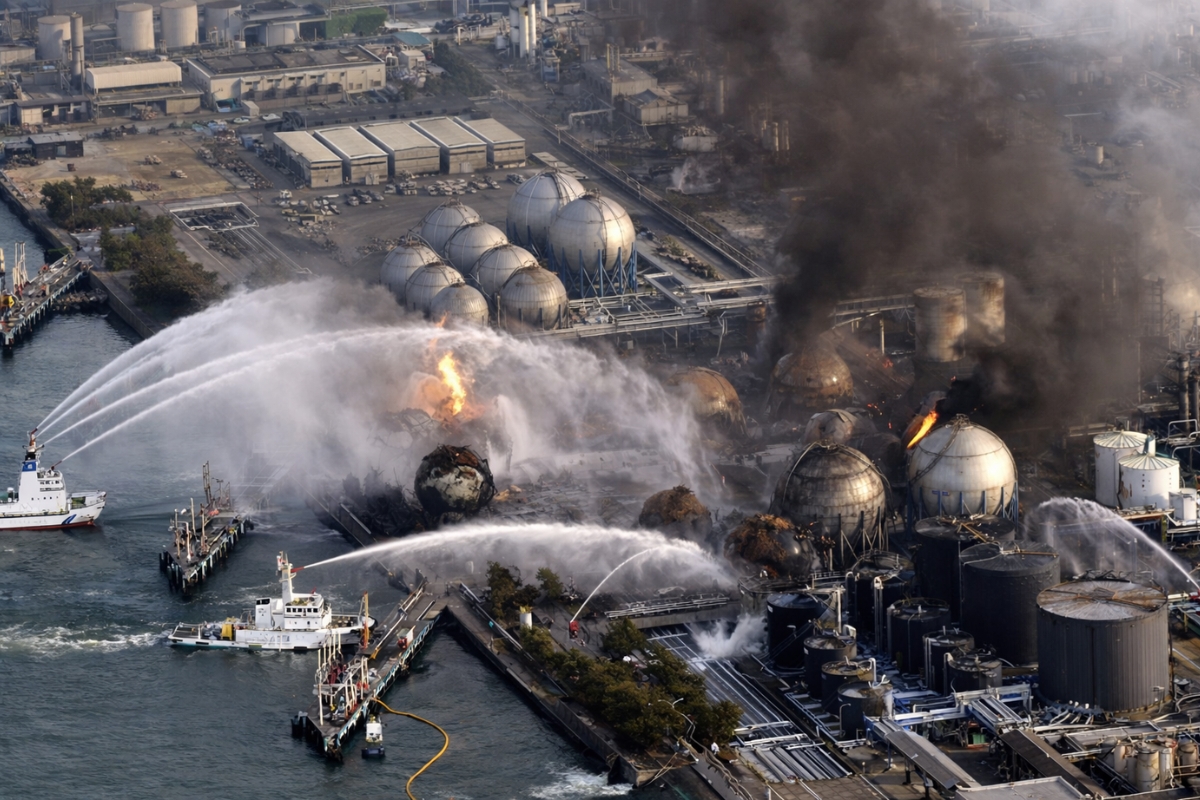
Fukushima Marks A Turning Point In Japan’s Energy Policy: After The Disaster, The Country Shut Down Its 54 Nuclear Reactors And, 15 Years Later, Only A Small Portion Have Returned To Operation
-
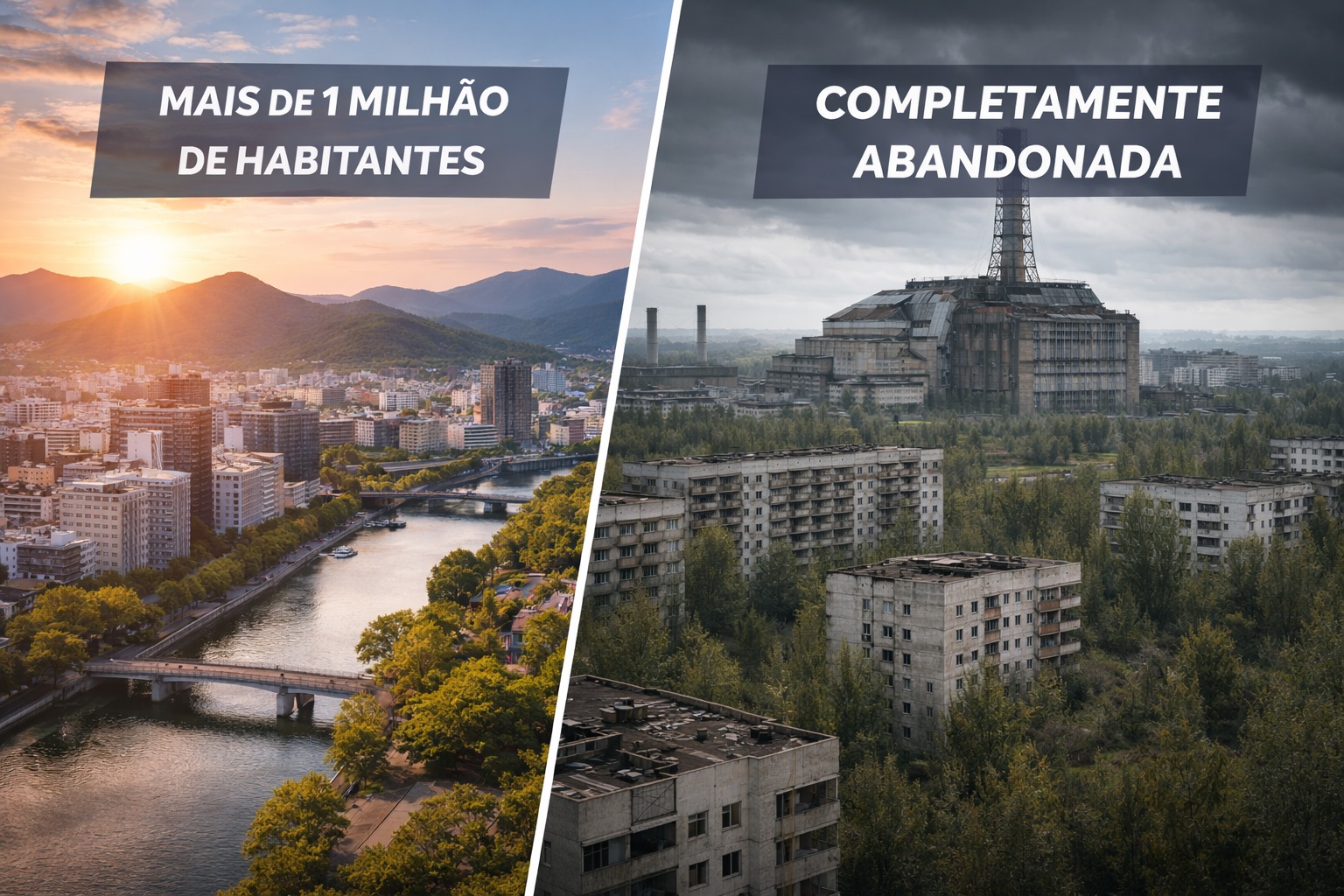
How Japan Overcame The Nuclear Bomb And Now Houses Millions In Hiroshima, While Ukraine Lost Chernobyl?
-
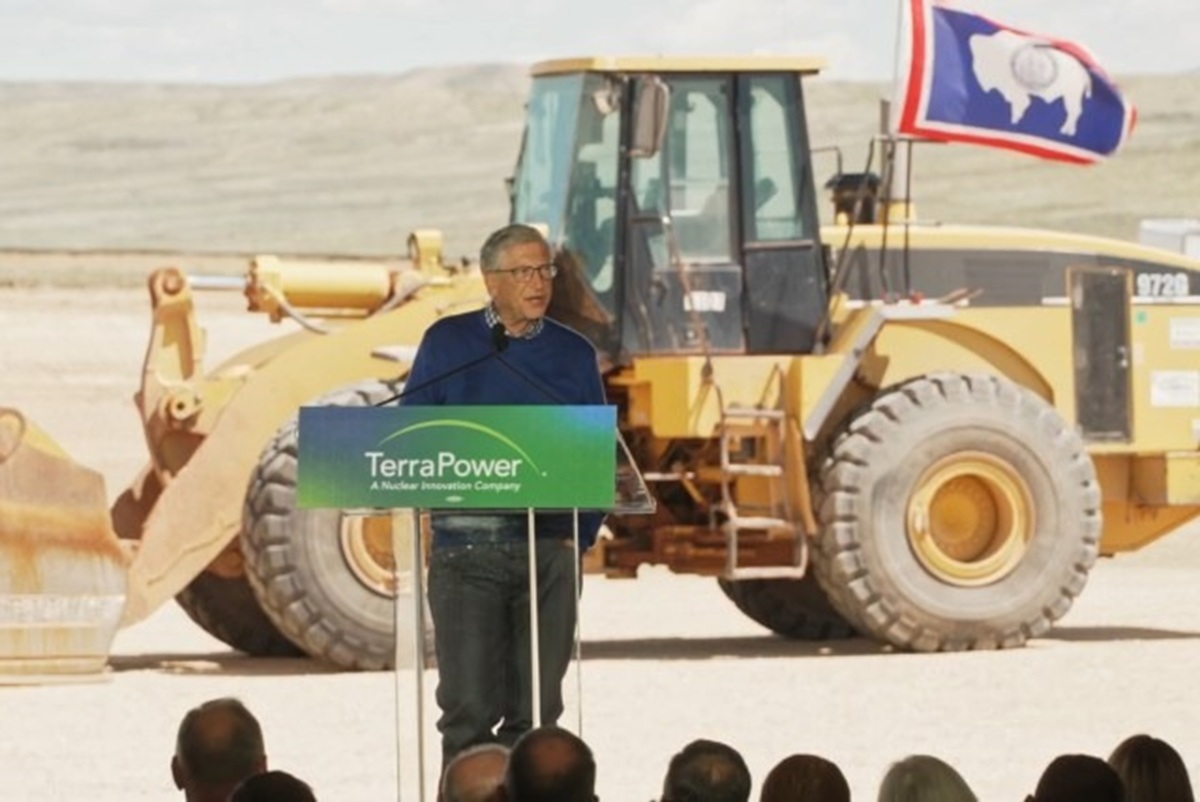
Bill Gates Receives Historic Approval to Build Giant 345 MW Nuclear Plant in the U.S. and Promises to Generate Up to 500 MW of Energy with Innovative Technology
-
India Opens Nuclear Energy to Private Capital to Accelerate Projects and Attract Billions, While Brazil Remains Stalled at Angra 3 and Discusses Who Will Foot the Bill for Completion
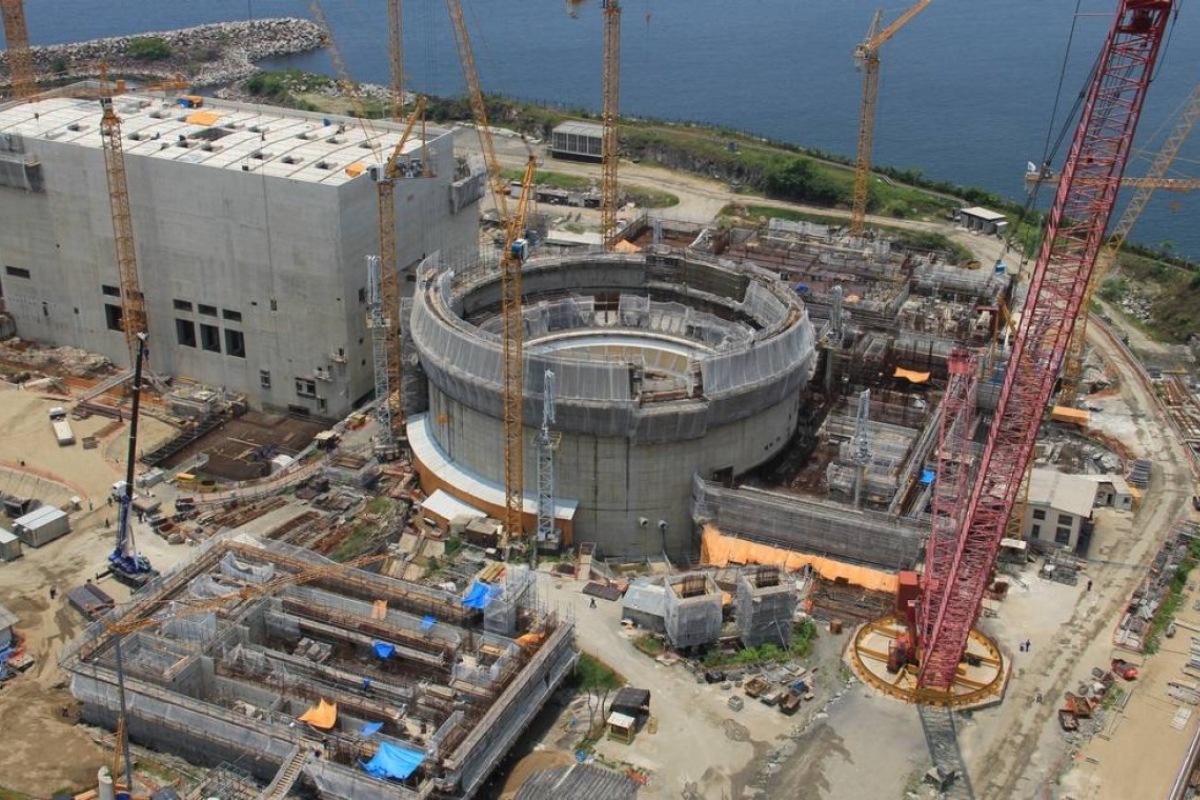

Moreover, the history of catastrophic accidents such as Chernobyl and Fukushima, and current fears surrounding the Zaporozhye plant in Ukraine, increase resistance to the acceptance of this energy source.
Additionally, critics point out that nuclear energy is expensive and slow to become operational. High initial costs, long construction times, and frequent delays in nuclear projects are often cited as disadvantages. In contrast, renewable energy sources like wind and solar are quicker to build and offer faster returns to investors.
Surge In Uranium Prices
Despite the criticisms, global interest in nuclear energy is growing. Since the war in Ukraine, uranium—essential for nuclear power production—has seen its price soar.
According to experts, with the West distancing itself from Russian nuclear fuels, uranium prices have risen significantly, reaching historic peaks. In February 2024, for example, the troy ounce of uranium exceeded 100 dollars before stabilizing around 80 dollars in June.
According to Bank of America specialists, uranium is regaining its credibility as a solution to decarbonization and energy security challenges. According to the International Energy Agency (IEA), global nuclear power production is expected to reach a historic high by 2025, surpassing the record set in 2021.
This is because France, Japan, China, India, South Korea, and Europe are among those expanding or restarting their nuclear operations.
Brazil On The Path To Nuclear Energy
This movement could benefit Brazil, a country with the sixth largest uranium reserves in the world, which is strategically positioned to take advantage of this scenario.
In an interview with Folha de S.Paulo, Leonam Guimarães, technical director of the Brazilian Association for the Development of Nuclear Activities (ABDAM), stated that the growing demand for nuclear energy and the recent ban on Russian nuclear fuel imports by the United States could create several opportunities for Brazil.
In the interview, he also highlighted that Brazil could increase investments in uranium mining and enrichment.
Furthermore, the country has the potential to become an alternative supplier of nuclear fuel for markets seeking to reduce their dependency on Russia. The recent signing of a nuclear energy cooperation agreement between Brazil and France is a step in this direction.
Projects Under Development
During the Brazilian Leaders in Energy Forum 2024 in Rio de Janeiro, Minister of Mines and Energy, Alexandre Silveira, stated that Brazil has “more uranium than Petrobras is worth.”
The Santa Quitéria mine in Ceará has received location licensing and is expected to produce up to 2,300 tons of uranium per year. The increase in the price of uranium in the international market makes the exploration of these reserves even more attractive.
On the occasion, the minister also mentioned Brazil’s potential to develop small-scale reactors, which are more efficient and safer for isolated communities.
However, the country still significantly depends on Russia for its nuclear fuels, with Rosatom supplying 100% of the fuel for the Angra plants until 2027.
Risks And Uncertainties
While nuclear energy is a promising solution, it is not without risks. Global political instability, such as the war between Russia and Ukraine, and extreme climate phenomena, such as floods and droughts, represent constant threats to nuclear operations.
Additionally, high costs and potential defaults in nuclear projects are further concerns. Because of this, the question remains for the reader. Should Brazil really invest heavily in nuclear energy as a solution to its energy and environmental challenges, despite the risks involved? Leave your opinion in the comments.








Seja o primeiro a reagir!