






 Portuguese
  Spanish



Amid The Conflict Between Russia And Ukraine, North Korea Seeks Opportunities To Assess Its Military Capabilities, But Faces Unexpected Challenges
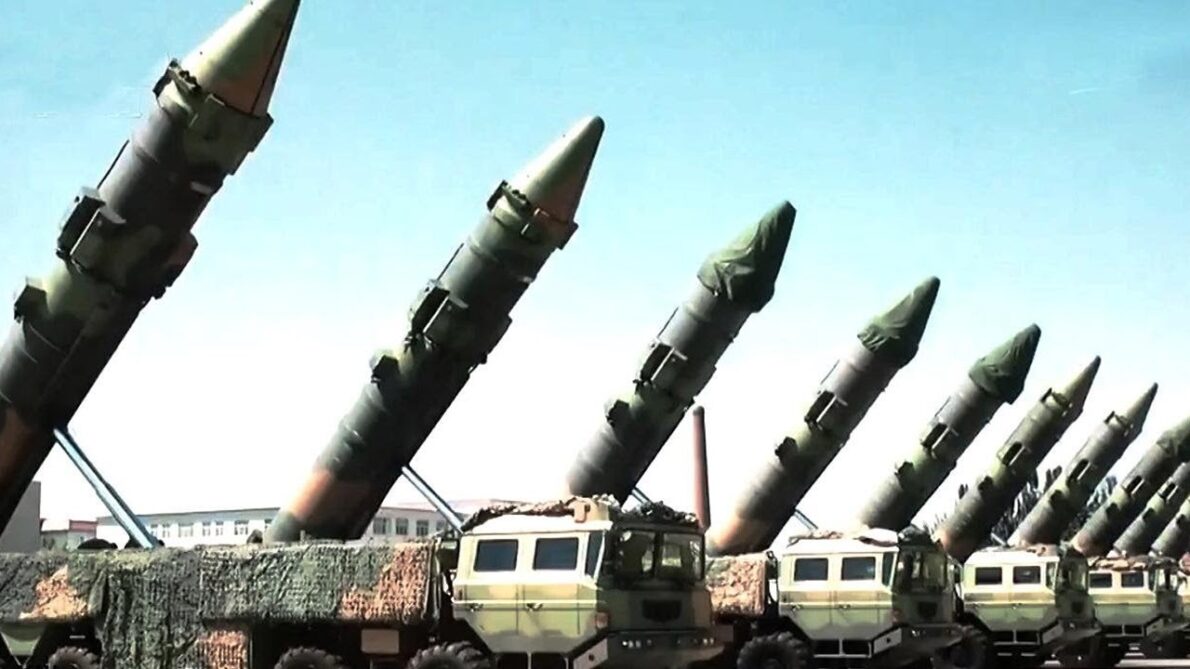
North Korea, known for its investment in military armaments, especially ballistic missiles, recently sent several units of these projectiles to Russia. However, the results on the battlefield were not as expected. In light of this, Pyongyang may be considering Ukraine as a new testing ground to improve its missile technologies.
In a recent communication to the United States Defense Congress, Secretary of Defense Lloyd Austin provided a detailed update on the current state of the conflict between Russia and Ukraine. He highlighted the conditions faced by the Ukrainian Armed Forces and emphasized the growing rebuilding of Russia’s military capabilities, supported by allies such as Iran, China, and North Korea.
The Role Of North Korea In The Conflict
North Korea, along with Iran and China, has emerged as a crucial ally for Russia, providing a variety of military equipment. While Iran contributes drones and surplus munitions and China provides raw materials and high-tech components, North Korea has supplied artillery shells and ballistic missiles.
-
Chinese Nuclear Submarine Launches Simulated Warhead Missile in Pacific, Heightening Regional Tensions Amid Naval Drills with Russia Near Qingdao; New Zealand and Papua New Guinea Warn of Persistent Chinese Military Presence

-
Ayatollah Ali Khamenei’s Funeral Draws 15 to 20 Million in Tehran, Calls for Revenge Against Trump After Joint Israel-U.S. Attack

-
U.S. Establishes Permanent Embassy in Jerusalem, Reigniting International Debate Over Israel’s Capital
-
The world has nearly 12,000 nuclear warheads, with the majority held by the United States and Russia; see the figures for China, France, and the United Kingdom.


The use of these North Korean-origin weapons by Russia in the conflict with Ukraine has allowed the Pyongyang regime to assess and enhance its missiles in real combat situations. However, several reports indicate the ineffectiveness of the ballistic missiles used by Russia during the conflict. According to investigations conducted by Ukrainian researchers, based on the debris of these missiles, approximately half of the missiles launched between December and February lost trajectory, resulting in explosions in mid-air.
Issues With North Korean Missiles
These missiles, possibly of the Hwasong-11 (KN-2) type, have an operational range of nearly 900 km and exhibit design similarities to Soviet-origin Iskander missiles. The introduction of these missiles into the North Korean arsenal is relatively recent, recorded since 2018. Despite this, the effectiveness of the missiles during the conflict in Ukraine raised serious doubts about the quality and accuracy of these weapons.
The observed failures indicate that North Korea still faces significant challenges in developing reliable ballistic missiles. The possibility of future support from Russia, through the transfer of technology in sensitive sectors as compensation for the backing provided, also deserves attention.
This was emphatically highlighted during the United States Secretary of Defense’s conference, where he stated: “Without the support of Iran, North Korea, and China, this likely would not have unfolded the way it did.”







