





 English
  Francês
  Alemão
  Italiano
  Japonês
  Norueguês
  Portuguese
  Spanish
  2 min of reading
  0 comments


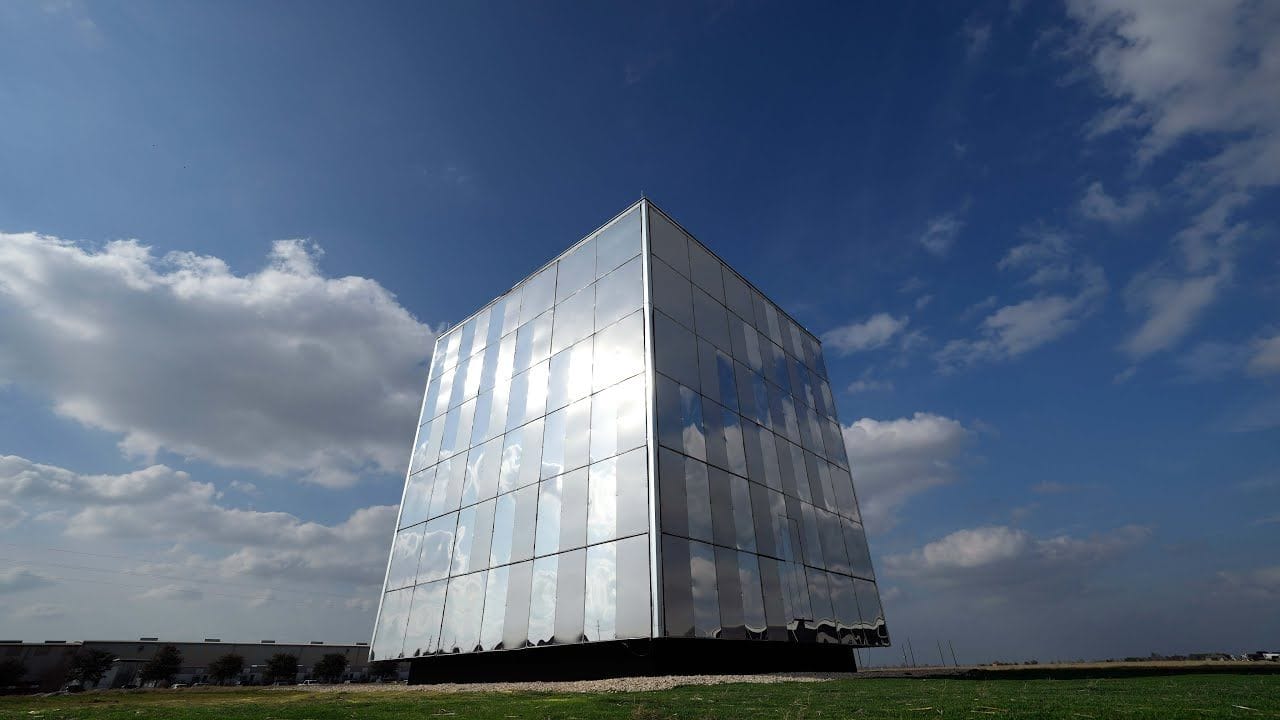
New Studies Indicate That Small Modular Nuclear Reactors May Be Key to Achieving Zero Emission Targets.
A recent survey from the Financial Times points to a growing trend in the nuclear energy sector: Small Modular Reactors (SMRs). These smaller-scale reactors are attracting interest from governments around the world, especially those looking to increase atomic energy production to meet their zero emission targets.
Small Modular Nuclear Reactors

Proponents of SMRs argue that they are safer, cost-effective, quick, and easy to build compared to traditional large nuclear plants. Manufactured in controlled factory environments, the standardized designs of these reactors promise to be cheaper to mass-produce, facilitating the procurement of spare parts or expansions.
One of the major attractions of SMRs is the possibility of being transported and installed in remote locations, where energy-intensive and hard-to-decarbonize industries, such as mining or desalination plants, are located. Their compact designs eliminate the need for large water sources for cooling, unlike large nuclear plants, as noted in the article from Igui Ecologia.
-
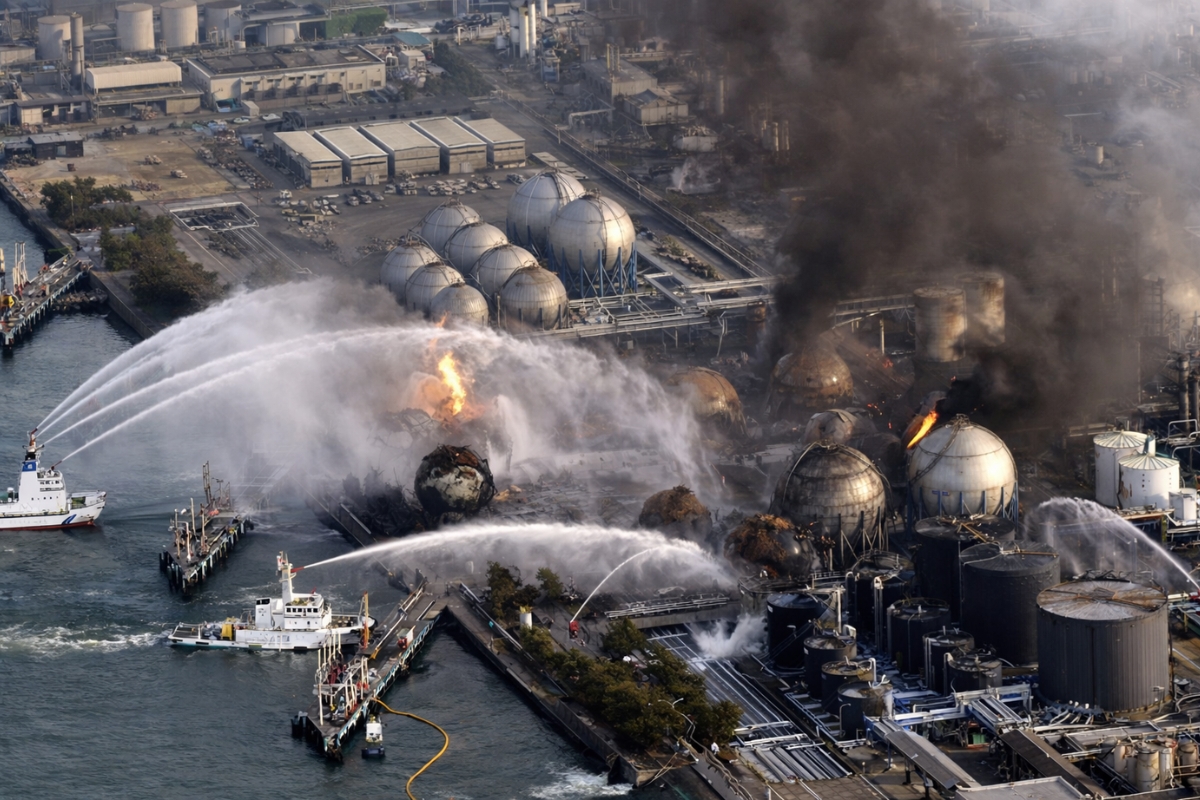
Fukushima Marks A Turning Point In Japan’s Energy Policy: After The Disaster, The Country Shut Down Its 54 Nuclear Reactors And, 15 Years Later, Only A Small Portion Have Returned To Operation
-
How Japan Overcame The Nuclear Bomb And Now Houses Millions In Hiroshima, While Ukraine Lost Chernobyl?

-
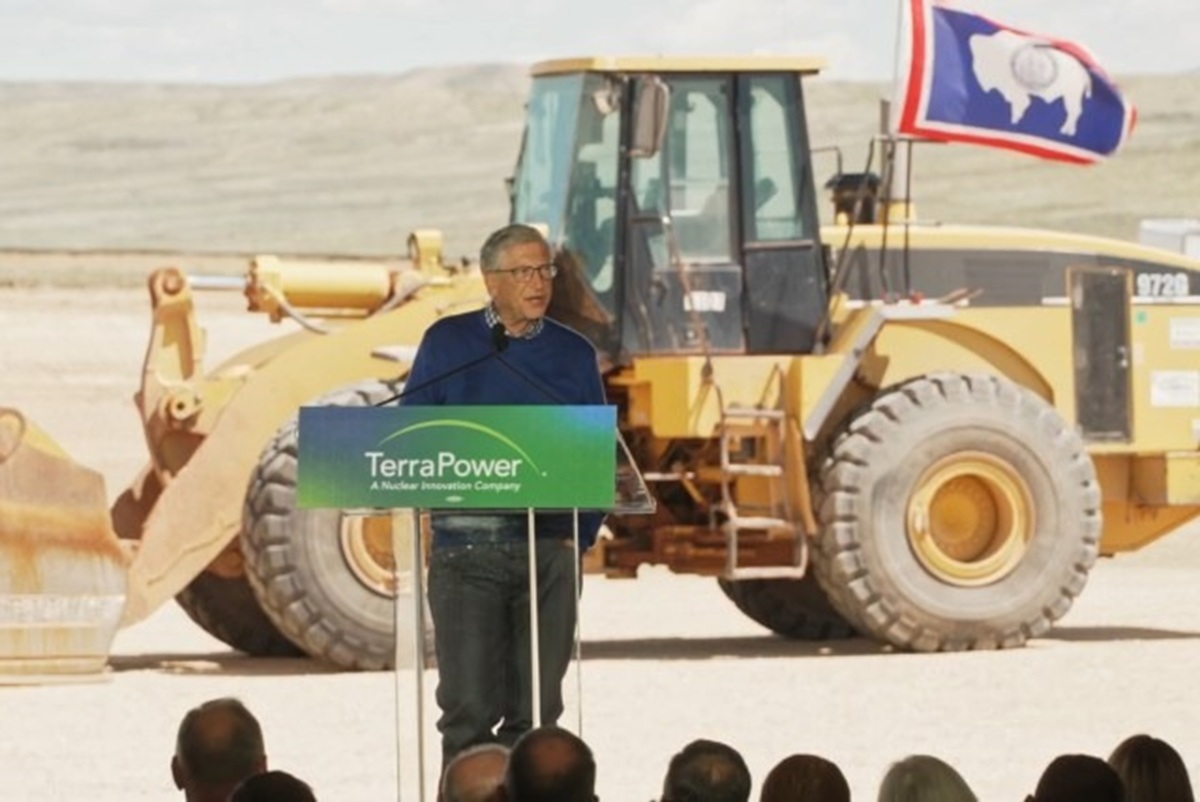
Bill Gates Receives Historic Approval to Build Giant 345 MW Nuclear Plant in the U.S. and Promises to Generate Up to 500 MW of Energy with Innovative Technology
-
India Opens Nuclear Energy to Private Capital to Accelerate Projects and Attract Billions, While Brazil Remains Stalled at Angra 3 and Discusses Who Will Foot the Bill for Completion
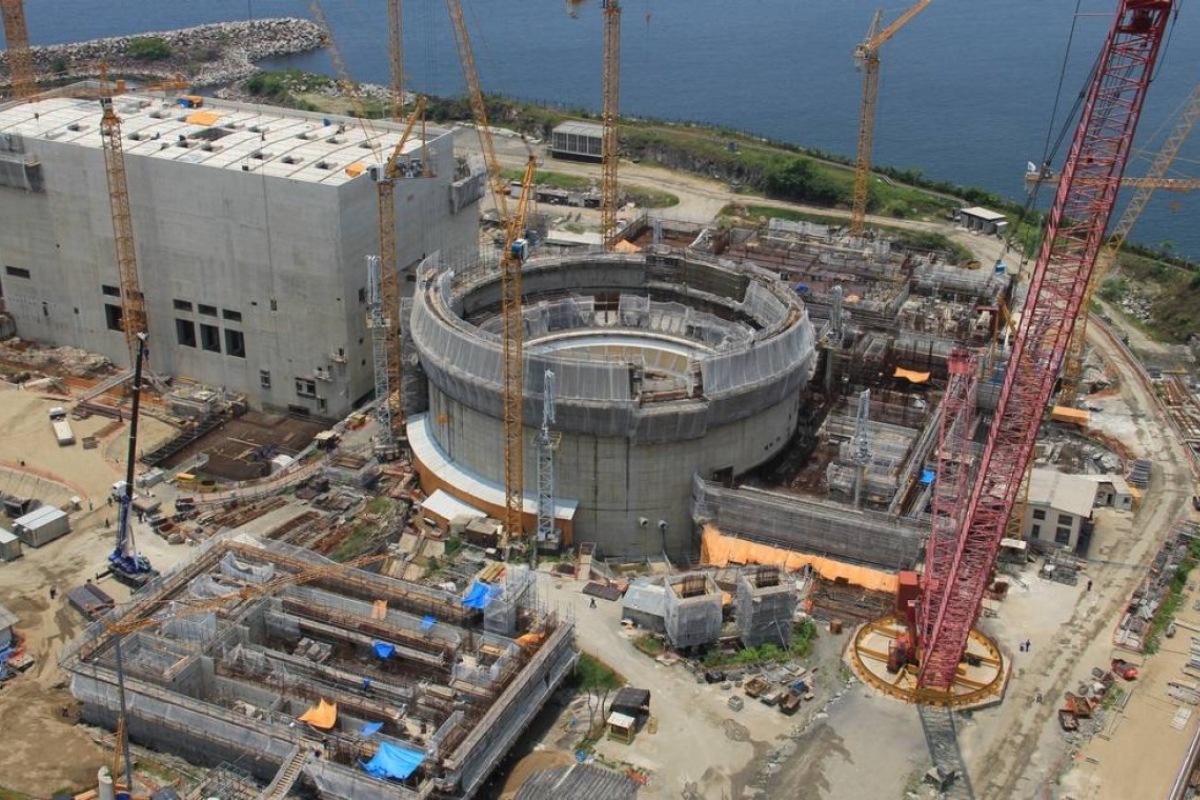

Small-Scale Mobile Reactors Have Been Used for Decades to Power Military Vessels
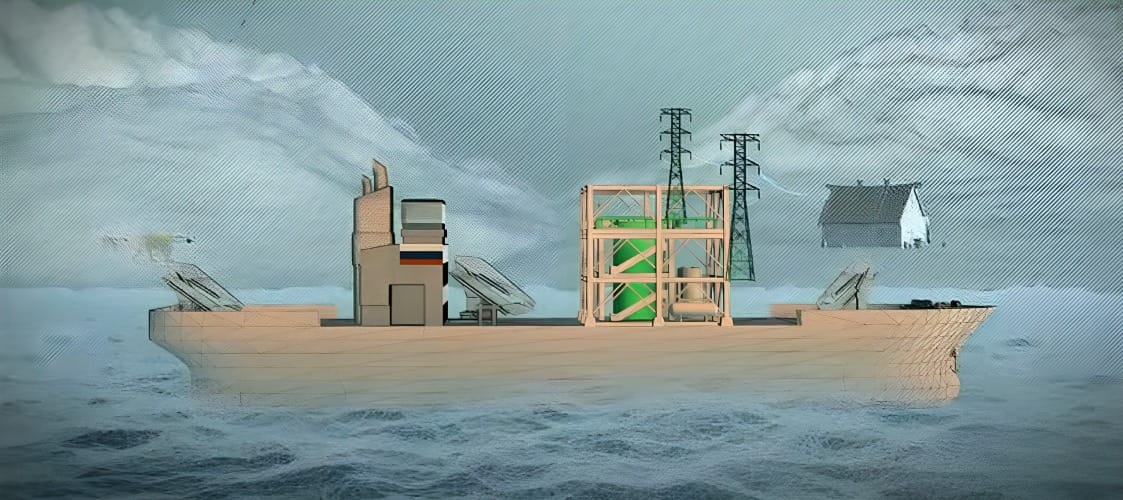
However, only recently have companies like Rolls-Royce, Westinghouse, and GE Hitachi started to develop SMR designs for commercial electricity generation on land. To date, no land-based commercial SMR is connected to the power grid, although a Russian floating SMR is already providing electricity and heat to a remote region in the Arctic.
One of the main challenges for wider adoption of SMRs is cost. Nuclear energy, per kilowatt-hour, is considered the most expensive, surpassing even solar, wind, and in some cases, coal. Concerns about safety and the disposal of nuclear waste remain critical issues.
However, for SMR companies and the investors who support them, the global demand for emission-free energy could mean that efficient, smaller solutions are on the horizon. SMRs may not be the definitive solution, but they represent a promising step in the quest for cleaner and more sustainable energy sources.
The Financial Times survey highlights a crucial moment in the history of nuclear energy. With the world clamoring for clean and sustainable energy solutions, Small Modular Nuclear Reactors may be a key piece to achieving a zero-emission future. Although they still face significant challenges, particularly in terms of cost and safety, SMRs represent a promising innovation in the field of nuclear energy.








Seja o primeiro a reagir!