





 Portuguese
  English
  Spanish
  3 min of reading
  5 comments


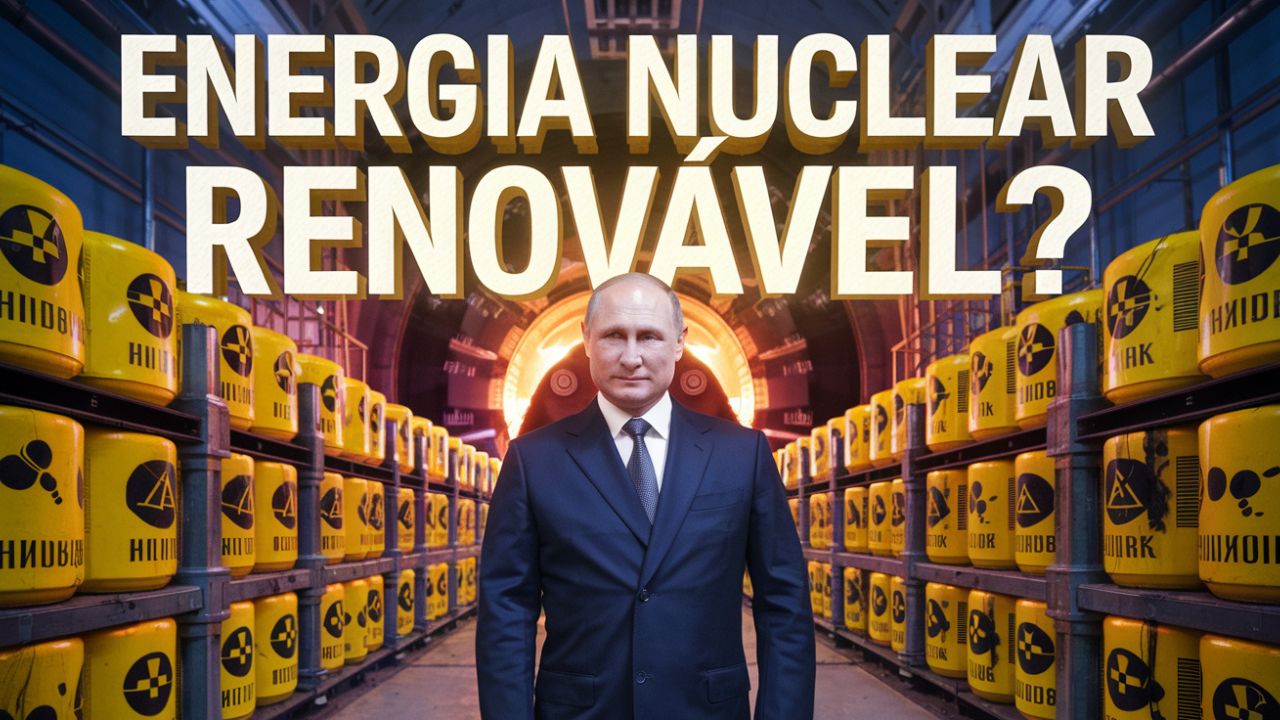


With Fuel Reprocessing, Rosatom Reduces Radioactive Waste, Reuses Uranium and Plutonium, and Advances Toward Fourth Generation Technologies, Making Nuclear Energy Cleaner and More Efficient.
Can nuclear energy be considered renewable? This is a question many experts are debating, but the Russian giant Rosatom seems to be one step ahead with its bet on nuclear fuel reprocessing. This technology promises to transform the sector by drastically reducing waste and paving the way for a more sustainable future.
Nuclear Reprocessing and the Promise of Sustainability
When nuclear fuel reaches the end of its useful life, it still contains valuable elements like uranium and plutonium. Nuclear reprocessing is the process of extracting these elements for reuse, creating a closed cycle that minimizes waste. Think of it as recycling glass bottles: instead of discarding them, you repurpose the material.
By reusing the elements from spent fuel, the process drastically reduces the amount of accumulated radioactive waste. Furthermore, it minimizes the need for long-term storage, one of the biggest challenges of traditional nuclear energy.
-
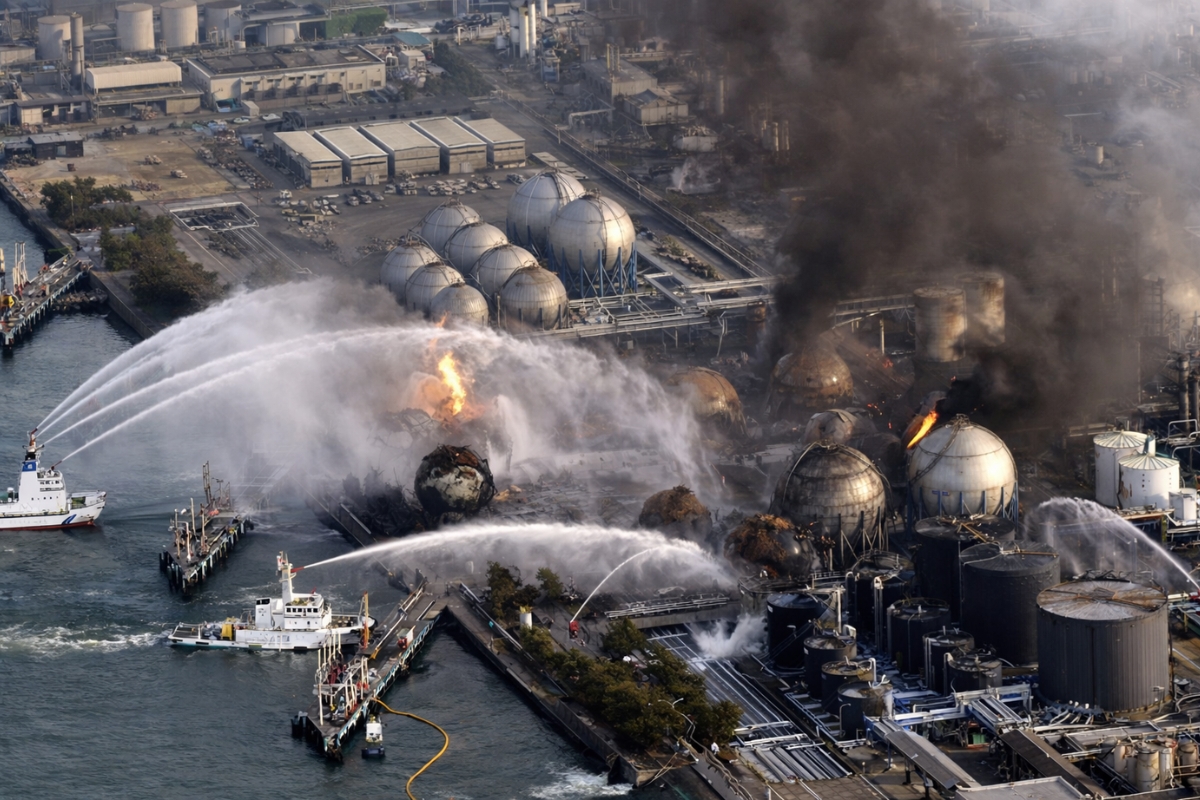
Fukushima Marks A Turning Point In Japan’s Energy Policy: After The Disaster, The Country Shut Down Its 54 Nuclear Reactors And, 15 Years Later, Only A Small Portion Have Returned To Operation
-
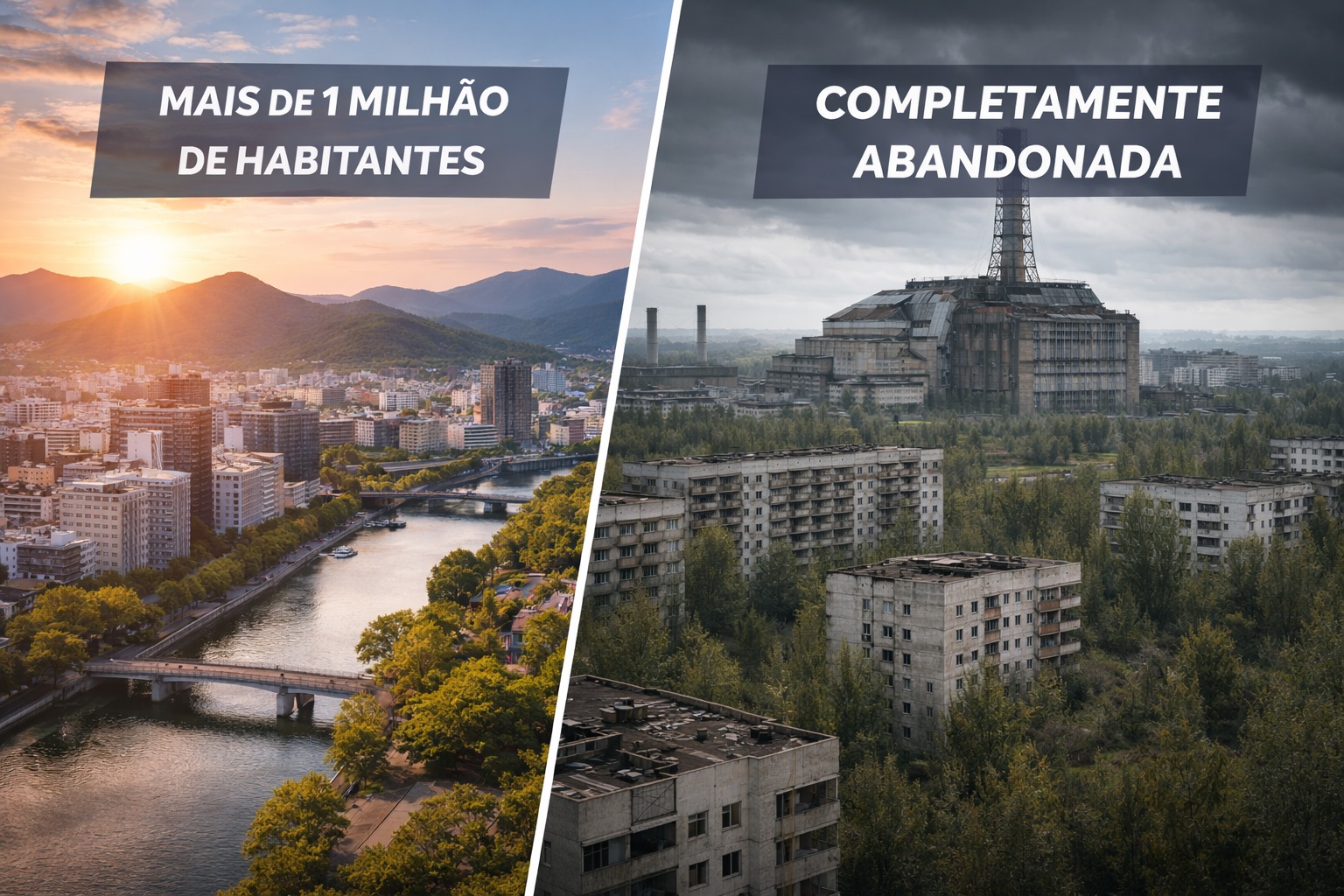
How Japan Overcame The Nuclear Bomb And Now Houses Millions In Hiroshima, While Ukraine Lost Chernobyl?
-
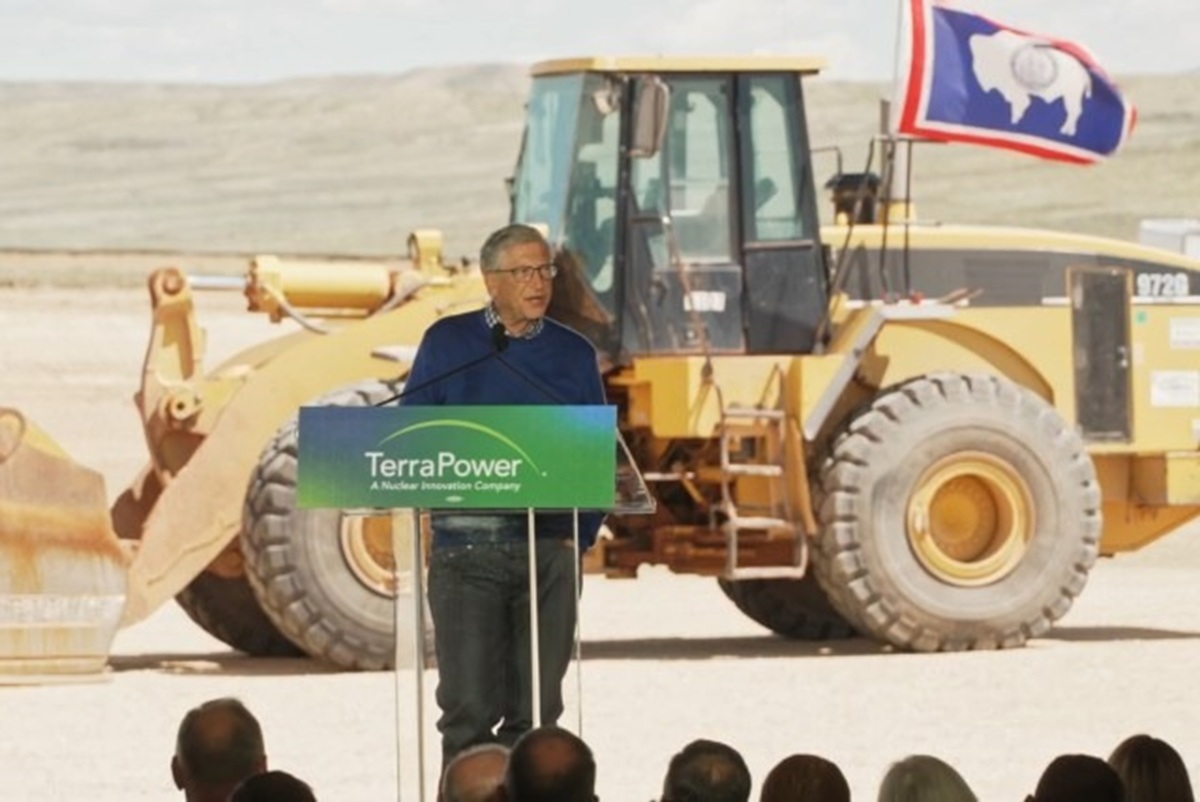
Bill Gates Receives Historic Approval to Build Giant 345 MW Nuclear Plant in the U.S. and Promises to Generate Up to 500 MW of Energy with Innovative Technology
-
India Opens Nuclear Energy to Private Capital to Accelerate Projects and Attract Billions, While Brazil Remains Stalled at Angra 3 and Discusses Who Will Foot the Bill for Completion
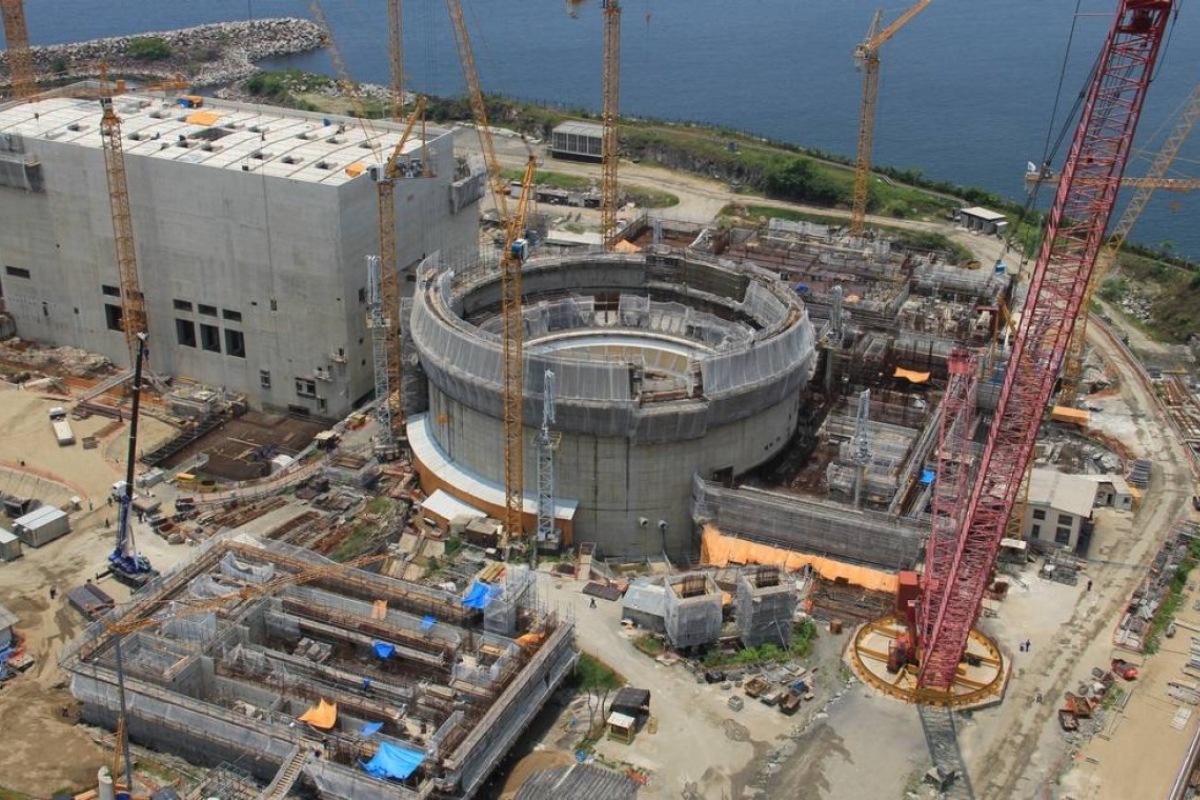

Rosatom: Leadership and Innovation in the Nuclear Sector
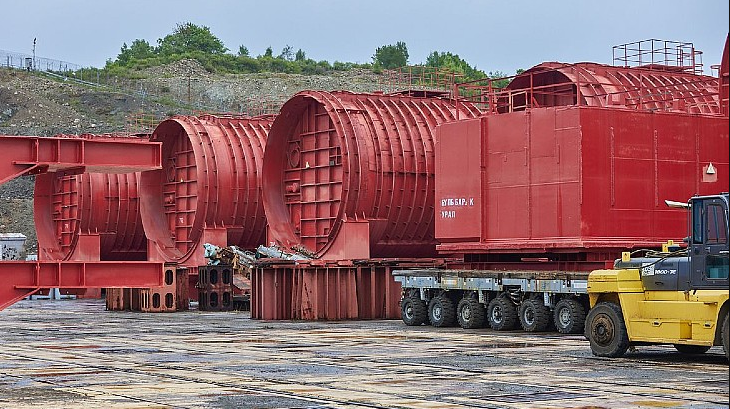
Rosatom recently announced the completion of its second nuclear reprocessing complex, located in Zheleznogorsk, Russia. This facility, which began planning in 2010, is part of a nuclear security and technological innovation strategy.
The new complex not only reduces solid and liquid waste but also adheres to strict nuclear safety standards, including seismic resistance. This means the operation is safe, even in adverse scenarios.
Future Nuclear Energy
According to Dmitry Kolupaev, General Director of GKhK, the new complex represents a significant environmental breakthrough. The technology used eliminates radioactive liquid waste and significantly reduces solids, making the process more sustainable than ever.
With the potential to harness fourth generation technologies, Rosatom believes that nuclear energy could become practically renewable. This would have a revolutionary impact on the global energy sector, placing nuclear energy alongside other renewable sources.
The Journey So Far: Timeline and Advances
The Experimental Demonstration Center began its construction in 2010. In 2015, the first phase of the project was completed, allowing for experimental scale reprocessing tests.
The second phase, recently completed, expands capacities to the industrial level. The official inauguration is scheduled for 2025, when the RT-2 project promises to further transform the sector.
Nuclear Energy: A Truly Renewable Alternative?
While the technology is promising, there are still challenges such as high costs and the need for specialized infrastructure. However, the environmental and energy advantages make the investment appealing.
Reprocessed nuclear energy offers benefits such as high efficiency and lower environmental impact compared to fossil fuels. However, can it compete with the accessibility and scalability of solar and wind? Only time will tell.
The nuclear reprocessing led by Rosatom is a bold bet to make nuclear energy more sustainable and perhaps renewable. This technology could not only solve the problem of radioactive waste but also redefine the role of nuclear energy in the global landscape. Could this be the future of renewable energy? The answer may be closer than we think.


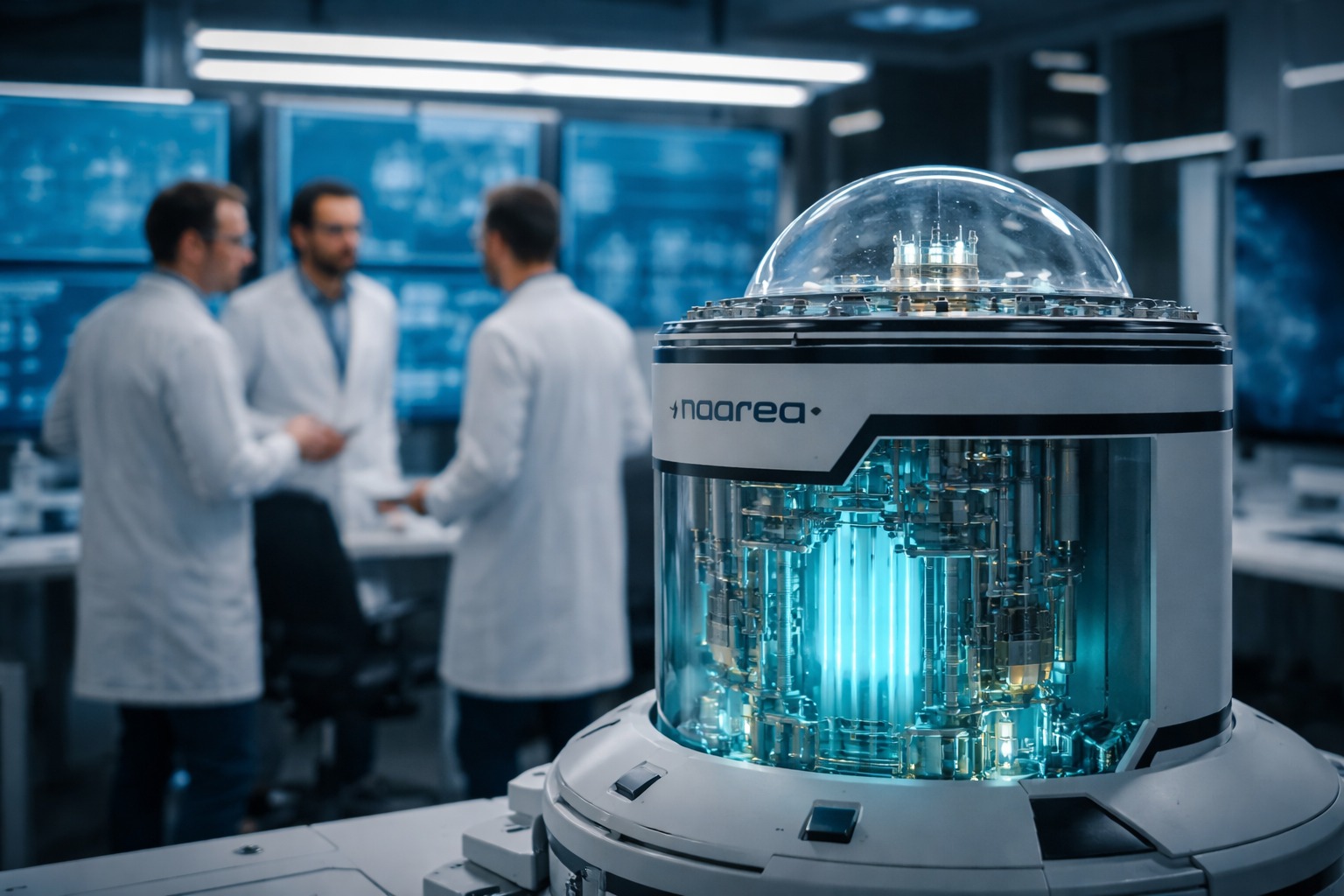




Russia is one of the most advanced nuclear powers – both for civilian, military and medicinal use. They opened the world’s first grid connected atomic power station in 1954 – which was even operating until 2002!
Incrível ver como um povo escravizado, o russo, ainda consegue dar cartas na ciência!
Que seria se não fosse um povo embrutecido e escravizado…mas isso parece não ser do próprio interesse dos seus “líderes” e de todos aqueles que fora da Rússia passam a mão pelo pêlo ao oligarcas Russos!
Apesar da russo fobia arquitetada pela CIA …os Russos seguem em frente.
Alemanha que trocou a segurança nuclear (usinas) por uma “pauta verde” e o gás barato russo … está literalmente empobrecendo.
Alemães, os que governam, estão com sérios problemas cognitivos…