





 Portuguese
  English
  Spanish
  5 min of reading
  0 comments


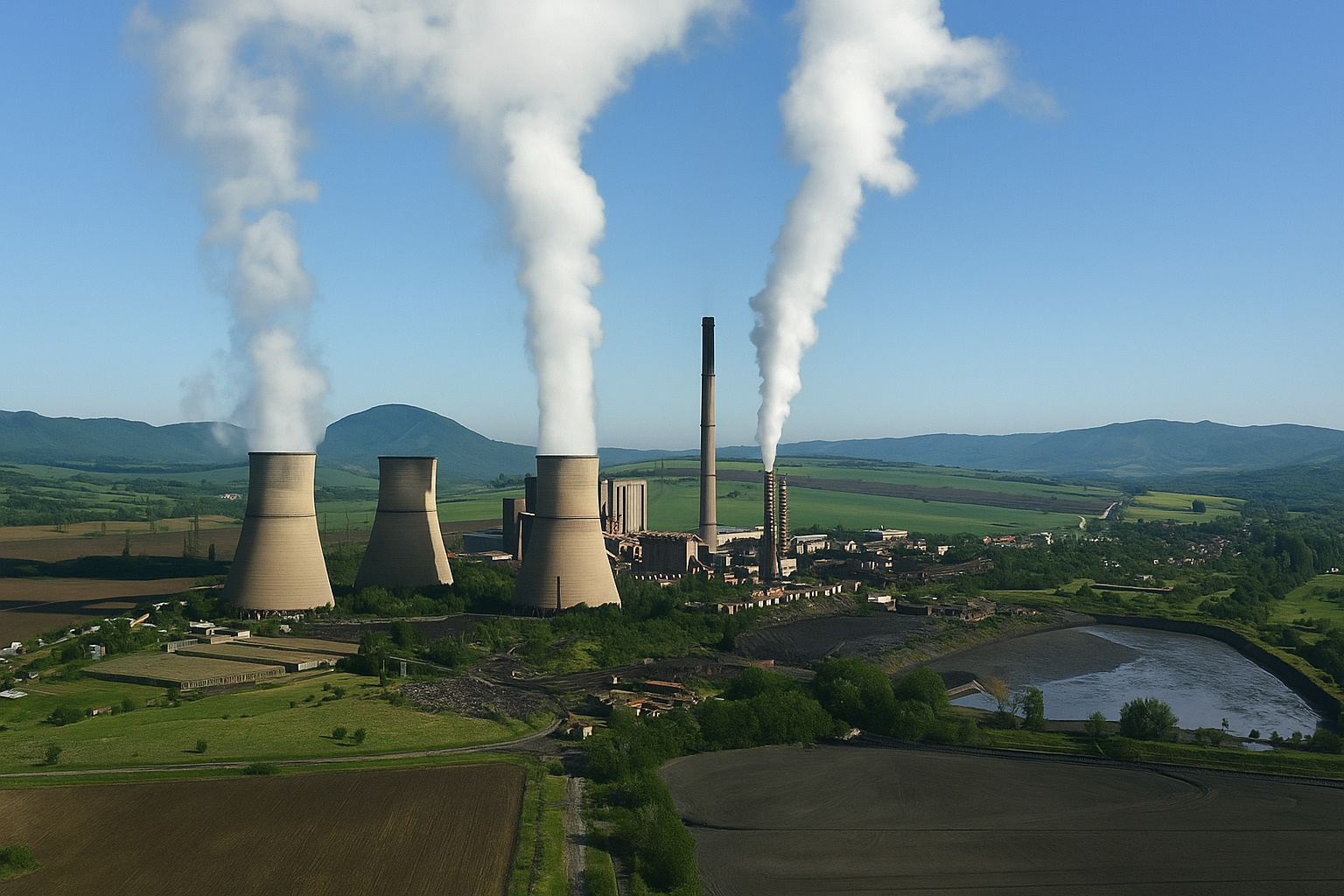
Discover How the Energy That Sustains Brazil Depends on Thermal Power Plants to Balance the Electric Matrix and Ensure Energy Security in the Country.
The energy that sustains development of a country does not come solely from clean and renewable sources, but also from complementary solutions that guarantee stability. In Brazil, thermal power plants play a fundamental role, balancing the electric matrix and preventing blackouts during times of water scarcity.
Although the country is globally recognized for its strong reliance on hydropower, this predominance also creates vulnerabilities. When long periods of drought affect water basins, electricity generation drops drastically. In this scenario, thermal power plants come into action and ensure that the population and industry remain supplied.
Additionally, these plants contribute to the resilience of the electric system. In other words, they allow regions with lower hydropower capacity or higher demand to receive energy continuously and reliably. This is especially important in a continental country like Brazil, where climatic conditions vary significantly between North, South, Southeast, and Northeast.
-
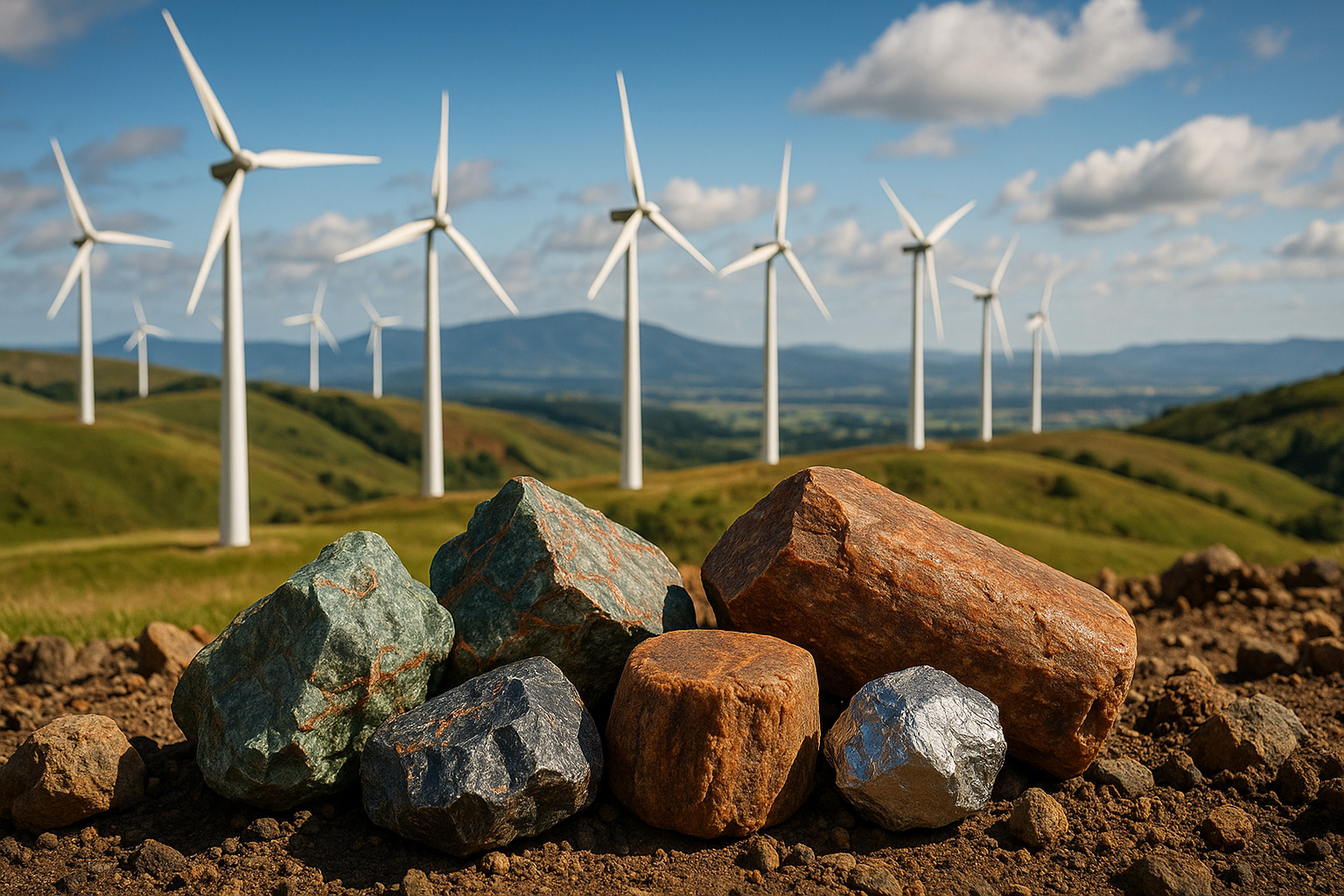
The Brazilian state accelerates industrial competitiveness with a focus on the extraction of strategic minerals to boost the energy transition in Goiás.
-
A Canadian retiree creates a hydroelectric system on a real river, generating energy continuously throughout the day and demonstrating how the power of water can supply a house with stability even in a simple structure.

-
Petrobras reaffirms its commitment to the market and ensures that it will carry out the energy transition safely to maintain national sovereignty.

-
Researchers discover a possible hydrogen deposit of up to 46 million tons beneath an ancient coal basin, and the volume could exceed half of the entire global production.


The Historical Role of Thermal Power Plants in the Energy Matrix
Historically, the first Brazilian thermal power plants emerged in the early 20th century, when industrialization began to gain momentum. At that time, hydropower plants were still expanding, and reliance on complementary sources was inevitable.
As the decades passed, thermal power plants gained ground as a strategic backup for the system. Whenever the reservoirs of hydropower plants did not reach safe levels, thermal dispatch was triggered to maintain energy supply.
This shift intensified especially in the 2000s, when the country faced the blackout crisis. Since then, authorities have reinforced investments in thermal power plants to reduce the risk of rationing and ensure energy security.
Moreover, the development of thermal power plants in Brazil has always been linked to economic growth. As industries, commerce, and services expanded, the need for firm energy increased. Therefore, these plants not only addressed emergencies but also supported regional and national progress.
Thermal Power Plants as Energy That Supports Balance
Today, the energy that sustains the reliability of the Brazilian electric system is a mosaic. Hydropower still accounts for a large part of the supply, but cannot ensure stability alone. Thermal power plants act as a “plan B”. They guarantee electricity even in critical moments.
Despite criticisms related to pollutant emissions, thermal power plants offer an essential advantage: predictability. While solar and wind energy fluctuate with weather conditions, thermal plants can be activated at any time, without depending on nature.
This means that during peak consumption periods, such as heat waves increasing the use of air conditioning, thermal power plants serve as an immediate support. This role prevents supply failures and reinforces the concept of energy that sustains not only the present but also the future.
Beyond the energy aspect, thermal power plants directly influence the local economy. By generating jobs, stimulating production chains, and attracting investments, they contribute to the growth of nearby municipalities. In the South and Southeast regions, for example, thermal complexes like Jorge Lacerda and UTE Mauá have consolidated as important economic hubs.
The Energy Transition and the Need for Balance
In the current scenario, the energy transition has gained global prominence. Brazil, with its abundance of renewable resources, seeks to increase the use of clean sources such as solar, wind, and biomass.
However, even with significant advances, it cannot be ignored that these sources vary with the climate. The absence of sun on cloudy days or the lack of wind in certain regions can compromise supply.
Therefore, experts assert that the Brazilian energy future should not rely solely on one solution. The balance between renewables and thermal power plants will be crucial to ensure that the energy that sustains the economy remains stable.
Additionally, the integration between different types of energy allows for the optimization of the National Interconnected System (SIN). This means that energy generated in one region can be transferred to another with lower supply, avoiding waste and blackouts.
Meanwhile, public policies and private investments in technological modernization are increasing the efficiency of thermal plants. The use of digital systems for monitoring, load adjustment, and predictive maintenance reduces costs and ensures continuous production, reinforcing the reliability of the energy that sustains the country.
Perspectives and Innovation in the Thermal Sector
Thermal power plants have also evolved over time. Today, many plants already utilize natural gas, which emits fewer pollutants compared to coal and fuel oil. Additionally, new technologies seek to enhance energy efficiency and reduce environmental impacts.
Another important trend is the use of biogas and biomethane, which enable thermal generation from organic waste. This innovation transforms an environmental challenge into an opportunity for clean energy production, bringing thermal power plants closer to the concept of sustainability.
Thus, the modernization of thermal plants not only reduces emissions but also strengthens the Brazilian energy sector in the face of growing demands. In other words, it is possible to reconcile energy security with environmental responsibility.
Furthermore, investments in research and development promote alternatives to reduce dependence on fossil fuels, such as hybrid systems that combine biomass and natural gas. This means that the future of thermal power plants will be more efficient, flexible, and sustainable, maintaining their role as energy that supports the electric matrix.
The Strategic Importance for the Future
If Brazil intends to maintain its global leadership in renewable energy, it also needs to ensure system security. This is only possible with the presence of thermal power plants. Without them, exclusive reliance on intermittent sources could bring instability and blackout risks.
Therefore, the discussion about energy that sustains must go beyond the opposition between renewables and fossils. It is necessary to understand that each source has its role and that the future lies in complementarity.
Thermal power plants are not just a legacy of the past, but an indispensable pillar to ensure that the Brazilian energy matrix is reliable, accessible, and sustainable.
Furthermore, the presence of thermal power plants allows renewable energy expansion policies to be implemented more securely. Without this support, solar and wind projects could face frequent interruptions, compromising energy supply for large urban centers.
The Energy That Sustains
The energy that sustains Brazil does not depend on a single solution. On the contrary, it arises from the integration of different sources, which together form a network capable of facing climatic challenges and meeting increasing demand.
In this context, thermal power plants continue to be a fundamental link. They ensure security, stability, and predictability, while also evolving to reduce environmental impacts and contribute to a more balanced matrix.
Thus, understanding the importance of thermal power plants means recognizing that the energy transition is not just about replacing sources, but about building a solid and diversified foundation. This is, after all, the true essence of the energy that sustains the future of the country.
Moreover, by combining technological innovation, efficient management, and fuel diversification, Brazil strengthens the resilience of the electric system, allowing the energy matrix to grow safely and reliably.










Seja o primeiro a reagir!