





 Portuguese
  English
  Spanish
  4 min of reading


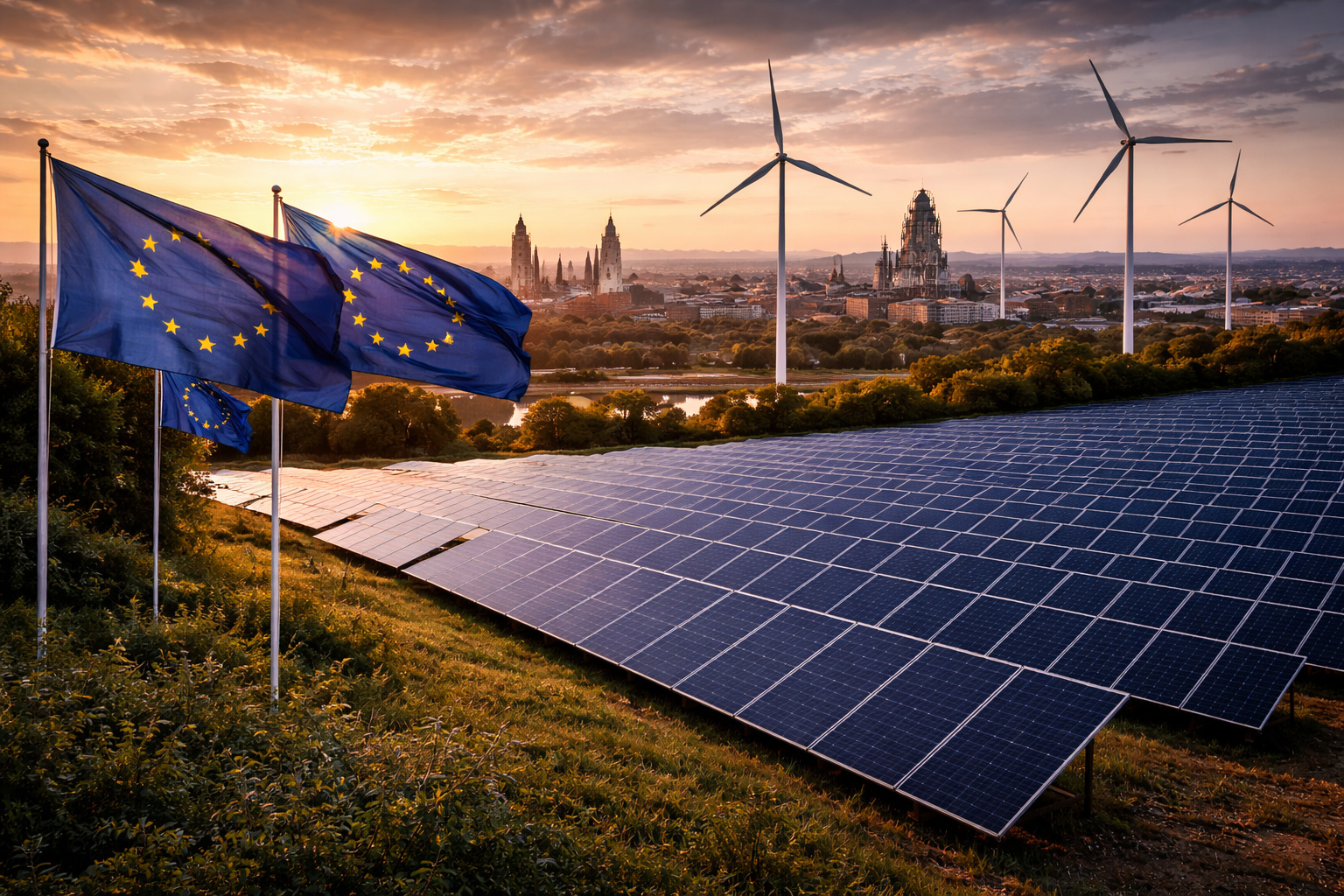
The Energy Transition Has Been Central to the European Union’s Agenda for Over Two Decades.
Since the early 2000s, the bloc has begun to structure public policies aimed at reducing emissions, diversifying the energy matrix, and strengthening energy security. Along this journey, renewable energy has taken on a strategic role, both from environmental and economic perspectives.
In 2024, this effort yielded new results. According to official data released by Eurostat, 25.2% of all energy consumed in the European Union came from renewable sources, an advance of 0.7 percentage points compared to 2023. While the growth confirms a positive trajectory, it also highlights a significant challenge. The index still remains 17.3 percentage points below the target set for 2030.
According to the European directive for promoting the use of energy from renewable sources, the EU aims for 42.5% of gross final energy consumption to come from these sources by the end of the decade, with the possibility of raising the target to 45%. Therefore, the current pace, while consistent, requires significant acceleration.
-
Researchers discover a possible hydrogen deposit of up to 46 million tons beneath an ancient coal basin, and the volume could exceed half of the entire global production.

-
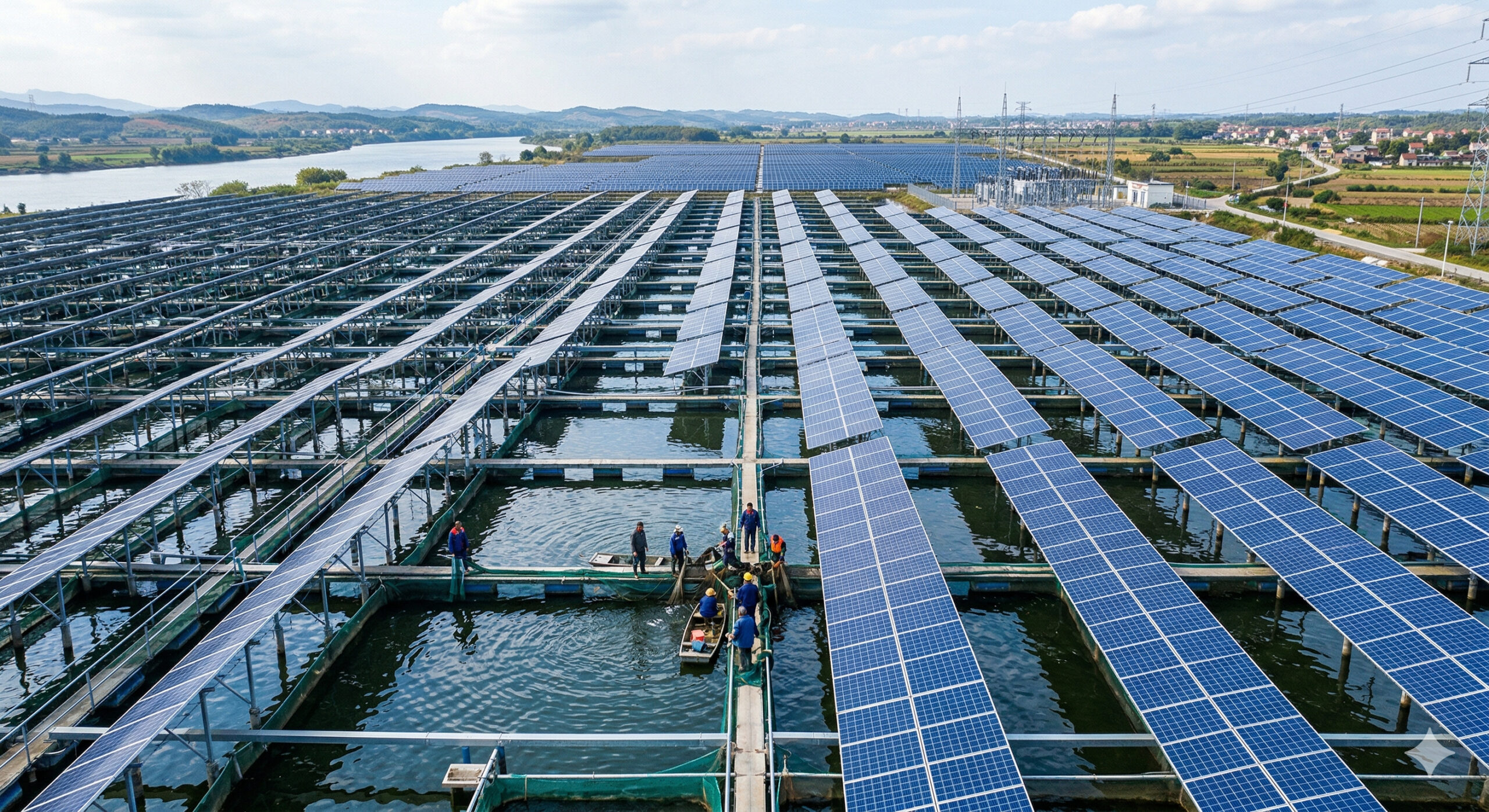
China bets on the Fishery-PV model and transforms fish farms into giant solar plants, covering ponds with panels that generate energy while utilizing the same space for large-scale aquaculture production.
-
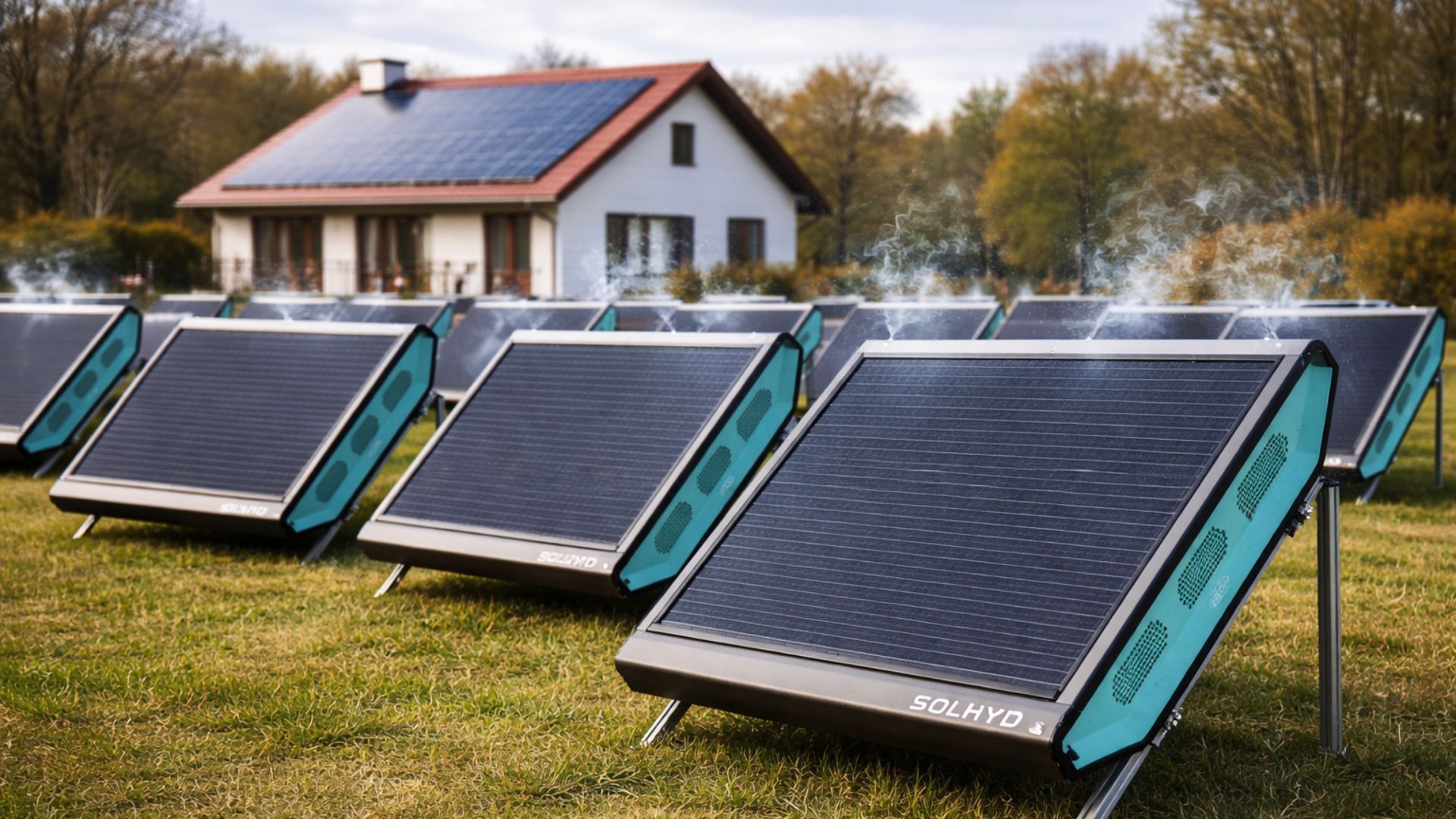
Green hydrogen at home: Belgium launches new technology that makes solar panels produce fuel from the moisture in the air, which could boost the energy transition.
-
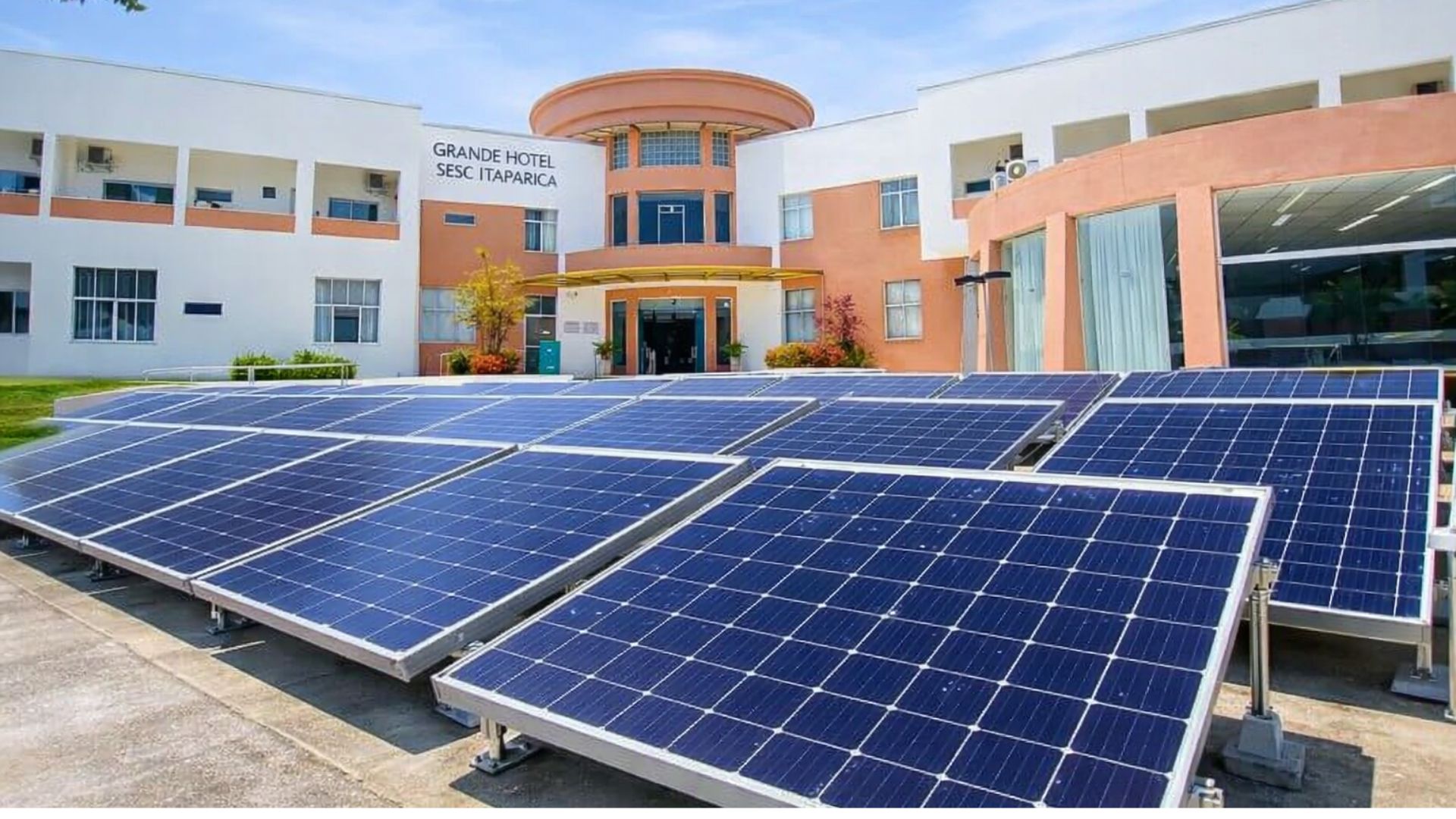
Sesc-BA bets on renewable energy with the support of EDP and drives the energy transition with a direct impact on cost reduction and the sustainability of its operations in Bahia.

Energy and the Evolution of European Policies
To understand the current state of renewable energy in the EU, it is important to look at the historical context. In 2009, the bloc approved the first comprehensive directive on renewables, setting mandatory targets for member states. Since then, successive revisions have raised climate ambitions, especially after the Paris Agreement in 2015.
According to the European Commission, the most recent revision of the directive increased the renewable target from 32% to 42.5% by 2030. This change reflects not only environmental concerns but also geopolitical factors. The European energy crisis of recent years has reinforced the need to reduce dependence on imported fossil fuels, especially gas and oil.
Despite this, the latest data show that progress is uneven among the countries in the bloc. While some states already operate with a high share of renewable energy, others still face structural, regulatory, and economic barriers.
Differences Between EU Countries
Among EU countries, Sweden leads by a wide margin. According to Eurostat, 62.8% of gross final energy consumption in the country in 2024 came from renewable sources. This result is mainly due to the intensive use of solid biomass, hydropower, and wind, sources that have historically been integrated into the Swedish energy matrix.
Just behind, Finland achieved 52.1%, with a similar profile based on biomass, hydropower, and wind energy. Denmark ranks third, with 46.8%, driven mainly by biomass, wind, and biogas. These countries demonstrate how consistent long-term policies can transform the energy matrix.
In contrast, some member states still show a low share of renewable energy. Belgium, Luxembourg, and Ireland recorded the lowest percentages, at 14.3%, 14.7%, and 16.1%, respectively. According to experts in the European energy sector, these numbers reflect territorial limitations, greater dependence on fossil sources, and challenges in expanding infrastructures.
Portugal’s Position in the European Landscape
Portugal occupies an intermediate but relevant position. According to Eurostat, the country holds the seventh position in the European Union ranking, with 36.3% of energy consumption coming from renewable sources in 2024. This performance places Portugal in the top third of the table.
Historically, Portugal has consistently invested in renewable energy, especially in hydropower, wind, and more recently, solar. According to data from the Portuguese government, incentive policies and competitive auctions have helped to expand installed capacity and reduce costs.
Still, the challenge remains, as the percentage increase needs to be maintained over the coming years to keep pace with rising European targets and growing energy demand.
Renewable Energy and the Challenge of the Next Six Years
When observing the numbers in aggregate, the EU’s challenge becomes evident. To meet the 2030 target, member countries need to increase the share of renewable energy in gross final consumption by more than 17 percentage points in just six years.
According to the European Commission, this effort will require not only expanding installed capacity but also modernizing electrical grids, investing in storage, and fostering integration among countries. Without these measures, growth is likely to lose momentum, even with an abundance of renewable resources.
Additionally, economic factors influence progress. Financing costs, inflation, and regulatory changes affect investment decisions. According to the International Energy Agency, stable and predictable policies are essential to sustain the expansion of renewable energy at scale.
Energy as a Strategic Axis of the European Transition
Despite the challenges, the progress recorded in 2024 confirms that renewable energy remains a central pillar of the European strategy. The growth of 0.7 percentage points in a single year demonstrates resilience, even in a complex economic and geopolitical landscape.
At the same time, Eurostat’s data serve as a warning. The distance to the 2030 target requires acceleration, coordination, and structural decisions. The energy transition in the EU is therefore entering a decisive phase, where the focus shifts from mere expansion to include integration, efficiency, and governance.
Thus, renewable energy continues to advance in the European Union, but the path to 2030 will require more than gradual progress. It will be necessary to turn political ambition into concrete execution, ensuring that the growth observed in recent years translates into a cleaner, safer, and more resilient energy matrix for the entire bloc.







Seja o primeiro a reagir!