





 Portuguese
  English
  Spanish
  5 min of reading
  0 comments


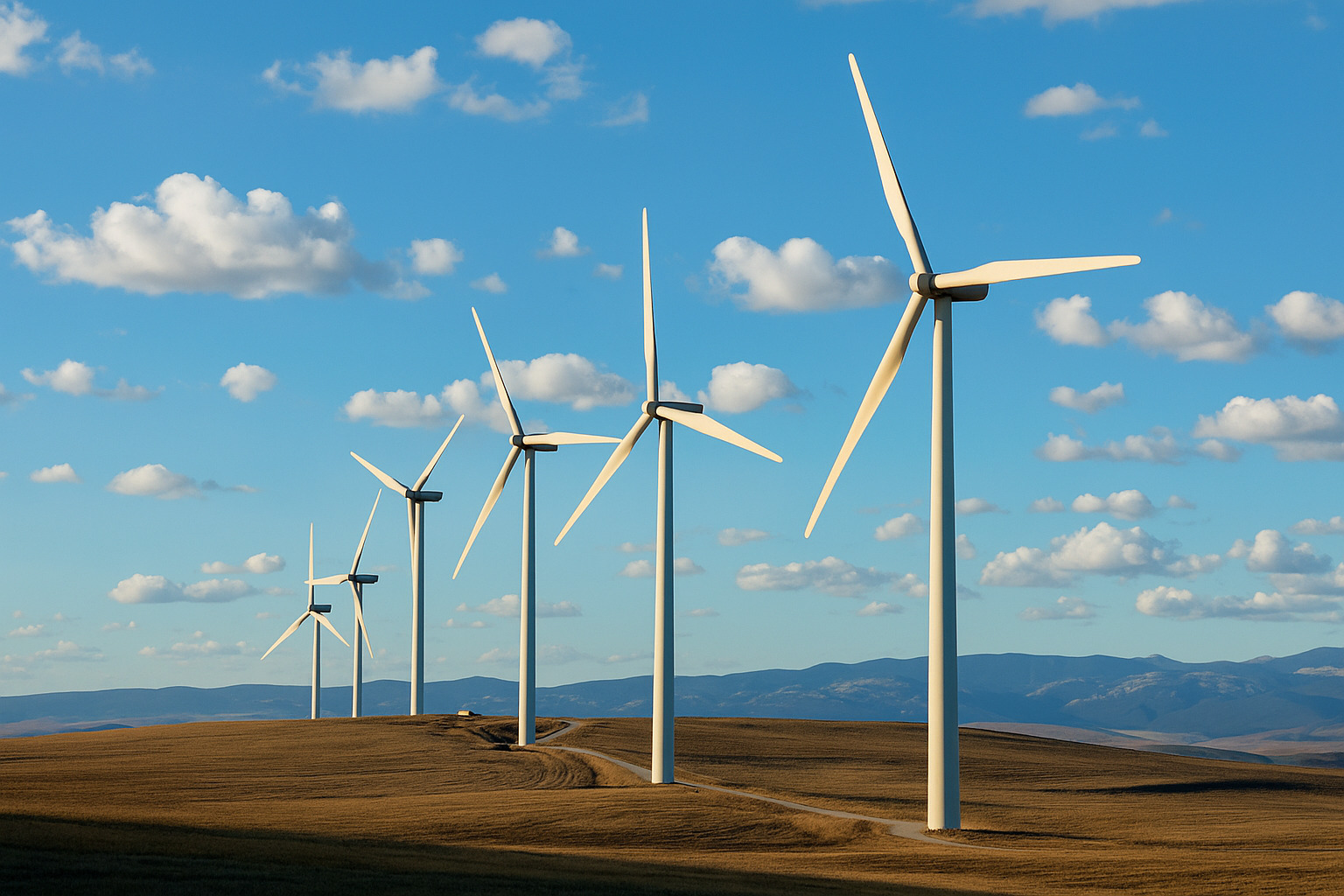
IRENA Report Shows That Brazilian Renewable Energy Has Lower Costs Than Global, Leads in Expansion, and Reinforces Its Strategic Role in the Global Energy Scenario.
Brazilian renewable energy is increasingly gaining prominence in the global scenario. This happens not only because of its abundance but also due to low generation costs.
According to a report from the International Renewable Energy Agency (IRENA), Brazil is among the countries that generate clean energy at the lowest cost, even surpassing some more advanced economies.
This recognition reaffirms a historical role that Brazil has occupied for decades in the sustainable energy sector. Since the oil crisis in the 1970s, the country decided to invest in alternatives to fossil fuels.
-
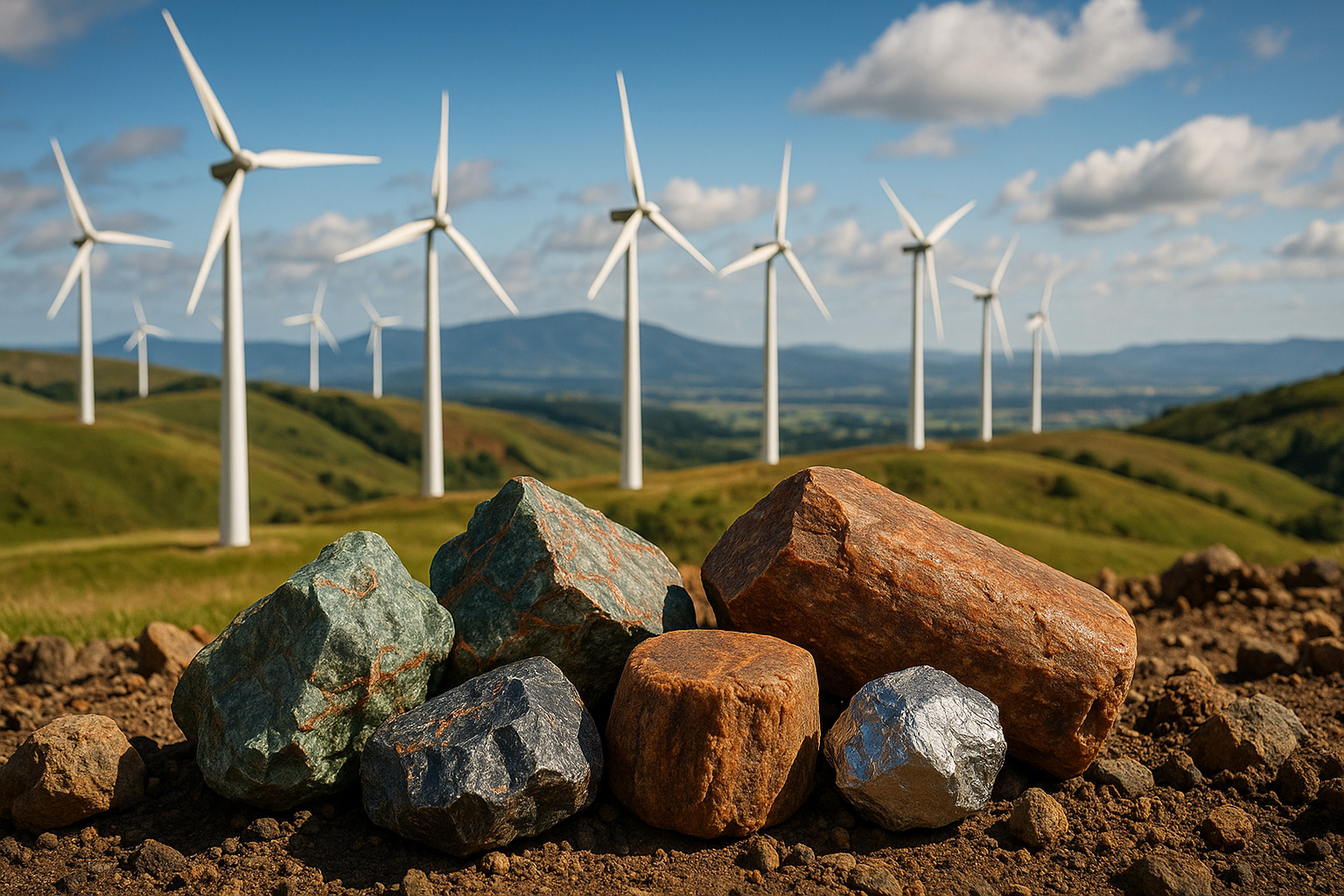
The Brazilian state accelerates industrial competitiveness with a focus on the extraction of strategic minerals to boost the energy transition in Goiás.
-
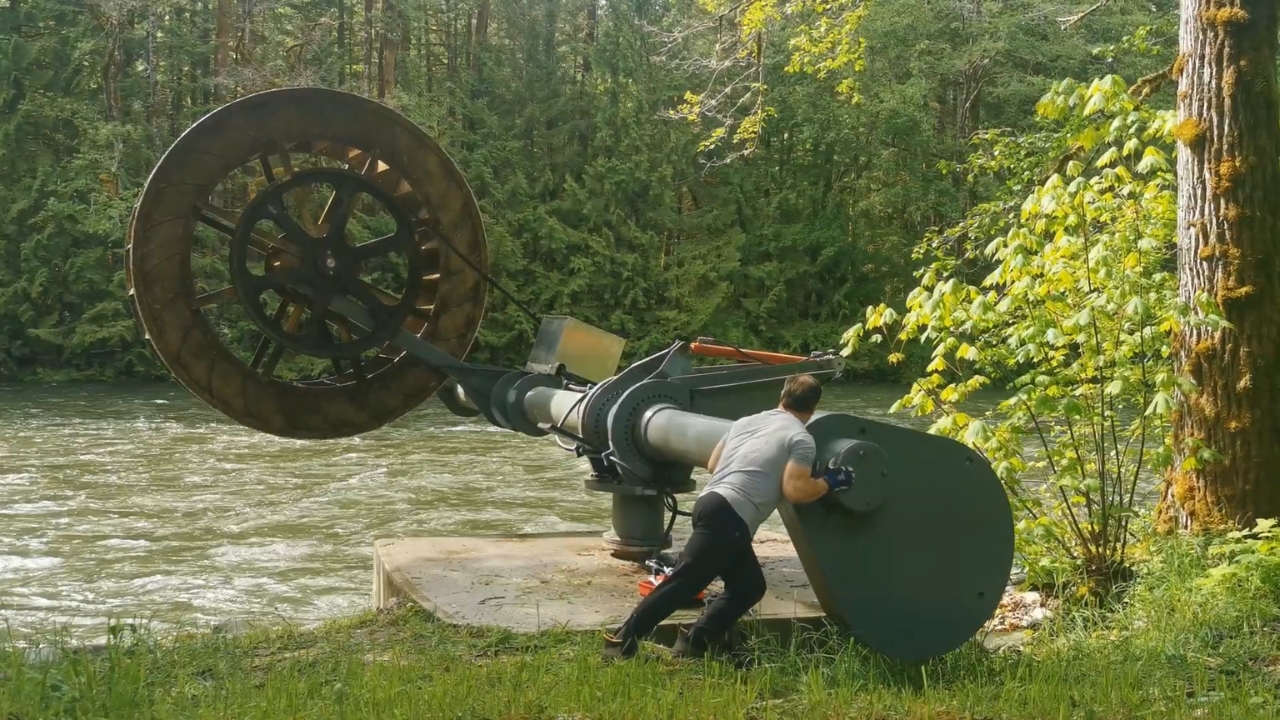
A Canadian retiree creates a hydroelectric system on a real river, generating energy continuously throughout the day and demonstrating how the power of water can supply a house with stability even in a simple structure.
-
Petrobras reaffirms its commitment to the market and ensures that it will carry out the energy transition safely to maintain national sovereignty.

-
Researchers discover a possible hydrogen deposit of up to 46 million tons beneath an ancient coal basin, and the volume could exceed half of the entire global production.

A notable example was the National Alcohol Program (Proálcool), which popularized the use of ethanol as fuel.
Over time, new renewable sources gained ground. Hydroelectric energy established itself as Brazil’s main power source during the 20th century.
For this reason, the country built large plants on rivers such as the São Francisco and the Paraná. Thus, it leveraged its vast hydric potential to maintain a predominantly clean energy matrix.
Accelerated Growth and Lower Costs
In recent years, Brazil has accelerated the expansion of solar and wind energy. Technological advances, coupled with the decreasing cost of equipment and public policies aimed at long-term contracts, created a very attractive environment for investors.
In 2024, Brazil positioned itself as the fourth largest in renewable capacity additions worldwide, trailing only China, the United States, and the European Union.
In other words, Brazilians installed almost 19 gigawatts of solar energy in just one year.
In addition to growing, the country also stood out for its costs. Brazilian onshore wind energy reached an average of US$ 30 per megawatt-hour, a value 32% below the global average.
Similarly, solar energy proved to be highly competitive, thanks to the drop in panel prices and ongoing improvements in system efficiency.
In light of this scenario, the benefits were not restricted to large companies. Small producers and residential consumers also began to benefit.
Distributed generation is advancing rapidly. Currently, thousands of Brazilian properties already have installed solar panels.
Renewable Matrix and Global Leadership
As revealed by IRENA, 88% of Brazil’s electrical matrix is composed of renewable sources, a figure higher than that of several developed nations.
This reality is primarily due to the combination of sun, wind, and water, which allows for clean production and a stable energy supply.
Despite this, the country faces a paradox: generation costs are low, but the tariff for consumers is high.
According to the data, Brazilians pay an average of R$ 864 per megawatt-hour. This amount is considered high relative to the country’s potential.
This happens because a large part of the electricity bill results from charges, taxes, and subsidies included in the bill.
To put it into perspective, about half of the amount is not directly linked to the generation, transmission, or distribution of energy.
Thus, this mismatch reveals the urgent need for a reform in the Brazilian tariff model.
Many experts suggest simplifying charges and increasing transparency. Additionally, they recommend further incentivizing local energy generation.
Infrastructure Bottlenecks and Energy Waste
However, one of the main obstacles to the expansion of Brazilian renewable energy lies in the electrical infrastructure.
As many solar and wind plants were installed in the Northeast, a region with enormous natural potential, it was expected that the transmission network would keep pace with this growth.
However, due to insufficient evacuation lines, many projects had to reduce generation by more than 50%, a situation known as curtailment.
In other words, energy was produced, but could not be utilized.
For this reason, the country urgently needs to invest in the modernization of the electrical grid.
More robust and interconnected transmission lines will allow for the integration of different regions and, thus, avoid significant waste.
Additionally, it is essential to incorporate modern energy storage solutions, as well as digital tools that assist in system management.
Such technologies help to balance supply and demand, especially in light of the intermittency of sources like sun and wind.
Job Creation and Economic Gains
Even in the face of challenges, the sector’s results are impressive.
In 2024, Brazilian renewable energy generated R$ 53 billion and created approximately 457,000 direct and indirect jobs.
This is due to the production chain that encompasses everything from component manufacturing to maintenance and management of the plants.
As a result, the sector also promotes regional development.
Since many plants were constructed in rural areas where formal job opportunities are scarce, renewable energy has become an ally of economic inclusion.
Additionally, since the year 2000, clean projects have prevented global spending of over US$ 400 billion on fossil fuels.
In this sense, Brazil had a significant contribution. This happened thanks to its renewable matrix and the continuous growth of solar and wind sources.
A Future of Clean and Affordable Energy
This trajectory undoubtedly confirms that the Brazilian energy transition is viable, both from an environmental and economic perspective.
To maintain this progress, the country needs strategic planning, adequate incentives, and constant investments in infrastructure.
Moreover, the UN Secretary-General, António Guterres, recently stated that “clean energy is smart economics – and the world is following the money”.
This phrase nicely sums up the current moment. After all, renewable sources already dominate the global market and have become economically more attractive than fossil fuels.
Brazil, with its natural wealth and technical expertise, is ready to lead this process.
However, success also depends on decentralized and participatory actions.
For instance, residential consumers, businesses, and communities that invest in their own solar generation systems strengthen the resilience of the electrical system.
Thus, the more people adopt this model, the more balanced and sustainable the country’s energy future will be.
Therefore, Brazilian renewable energy is no longer just an alternative.
It solidifies itself as a protagonist. It represents economic development, job creation, supply stability, and environmental preservation.
More than a trend, it represents a strategic path for a modern, fair, and sustainable Brazil.








Seja o primeiro a reagir!