





 Portuguese
  English
  Spanish
  4 min of reading



Magazine Luiza Invested Heavily in Solar Energy, Entering 2022 with Over 223 Stores Supplied by Solar Energy. Learn More.
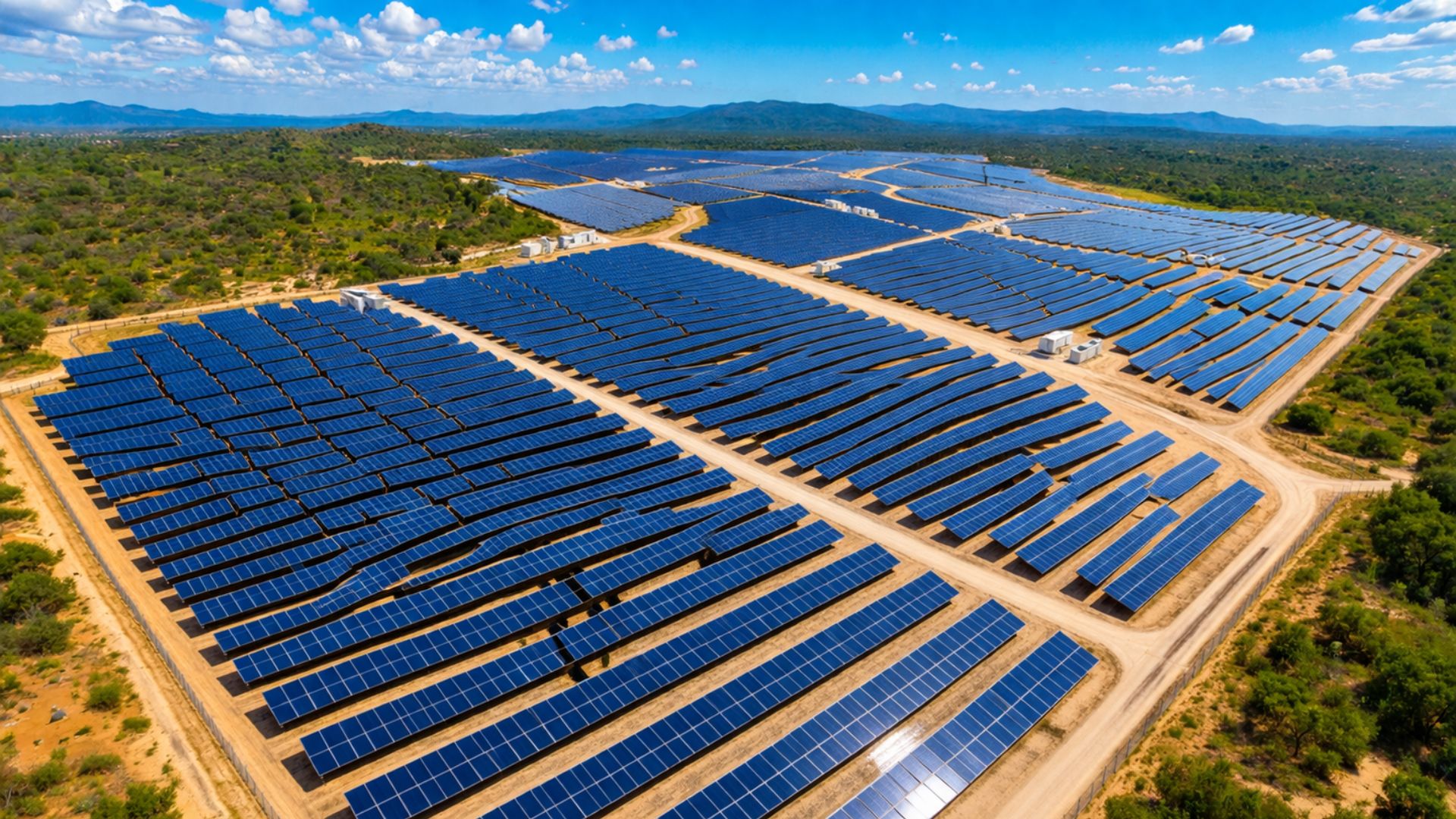
Magazine Luiza, one of the best retail companies in Brazil, already has around 223 stores supplied by solar energy, provided by GreenYellow.
In 2020, 4.8 MW of energy were contracted for the growth of 223 stores. In the second half of 2021, the plants located in Coroados and Riolândia in the State of São Paulo and Florestópolis in Paraná, totaling 4861 kW, were delivered by the company and connected to their respective distributors.
- Solar Energy: Increased Demand Drives Company to Create New Payment Methods Aiming to Increase Solar Panel Installations
- São Paulo Reaches 1 GW of Distributed Generation. Growth Driven by the Gold Rush Caused by the “Sun Tax” and Increased Electricity Bills.
Renewable Energy: CPFL Returns to the Special Portfolio in the São Paulo Stock Exchange for Excellence in Governance and Environmental Policies. - Renewable Energy: Energisa Announces Investments of R$29.5 Billion by 2026, Focusing on Business Diversification and Emphasis on Green Energy
In addition to the energy contracted in the first negotiation, a new agreement was also closed for the construction of two plants, one of 0.88 in Goianésia and another of 1025 in the city of Canarana in Mato Grosso.
-
The Sol do Agreste Photovoltaic Complex begins operations in Pernambuco and accelerates the expansion of solar energy in Brazil, directly impacting the reduction of emissions and strengthening the sustainable energy matrix.
-
Renewable energy advances over protected areas in Brazil, and a survey by the Energy Transition Observatory reveals silent impacts that challenge environmental conservation and pressure sensitive traditional territories.

-
Rio Grande do Sul accelerates energy transition: State invests in renewable technologies and consolidates decarbonization strategies and pathways to attract billions in new industrial investments.

-
With 160,000 m² of collectors, an area larger than 20 football fields, Silkeborg, in Denmark, hosts a solar thermal plant that heats 19,500 homes and could become the largest solar heating plant in the world.


“In total, the plants will supply Magazine Luiza’s stores with 13 GW annually, which is equivalent to over 1,500 tons of CO2 that will no longer be emitted into the environment. This is a very important movement, coming from one of the main conglomerates in the country in the retail segment, demonstrating the value placed on ESG issues.
We want to be a partner to companies from different sectors in the energy transition, as we have a fully integrated portfolio of solutions, which includes everything from the supply of renewable energy, to energy efficiency, I-RECs emissions, and entering the Free Energy Market” says Roberto Zerkowski, president of GreenYellow.
Will Solar Energy and Other Forms of Green Energy Be a Trend Among Companies?
The contracts from Magazine Luiza, like those of other companies, are not just escaping the price increases from utilities, which in 2021 already saw consecutive increases in the electricity bill, and for 2022, there is no forecast of improvement.
Between the Free Energy Market and solar energy, in addition to the aim of reducing the electricity bill, which is economically interesting, there is also the so-called environmental responsibility.


Environmental responsibility involves the shift to renewable energy, the so-called ESG (in a free translation, social and environmental governance).
At this moment in Brazil, it is still a trend that is not being so “demanded,” but many companies have taken advantage of this current situation to gain even more from their investment in solar energy.
This is because, in addition to “gaining points” with investors and public opinion through these actions, companies also take the opportunity to escape the increases in the electricity bill, generated by the tariff flags that utilities need during this water and energy crisis.
What Is the Current Landscape of Green Energy in Brazil? And of the Free Energy Market?
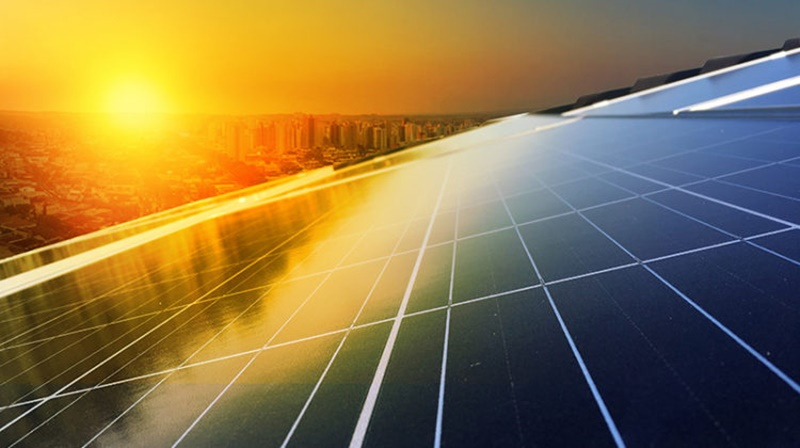
Solar energy is becoming one of the biggest stars in the modification of electrical grids in Brazil, especially when we talk about distributed energy.
Companies selling solar panels are making the acquisition of products easier, and there is also a general decrease in equipment costs, where a residential installation of solar panels can cost around R$10,000, an investment that is recovered on average in four years for equipment that lasts about 25 years.
The free energy market has a number of particularities that can make it easier for medium and large companies to achieve considerable savings on their electricity bills, in addition to the possibility of making this expenditure more predictable monthly.
Moreover, in the current situation, it is important for companies, especially larger ones, to have total control over the source of the electricity they use. This is part of the environmental responsibility to generate “0” carbon in their activities, which is leading to discounts on network usage fees.
For all these reasons, it is highly likely that this market will grow even more during 2022 and beyond in Brazil.








Seja o primeiro a reagir!