





 English
  Francês
  Alemão
  Italiano
  Japonês
  Norueguês
  Portuguese
  Spanish
  2 min of reading
  0 comments


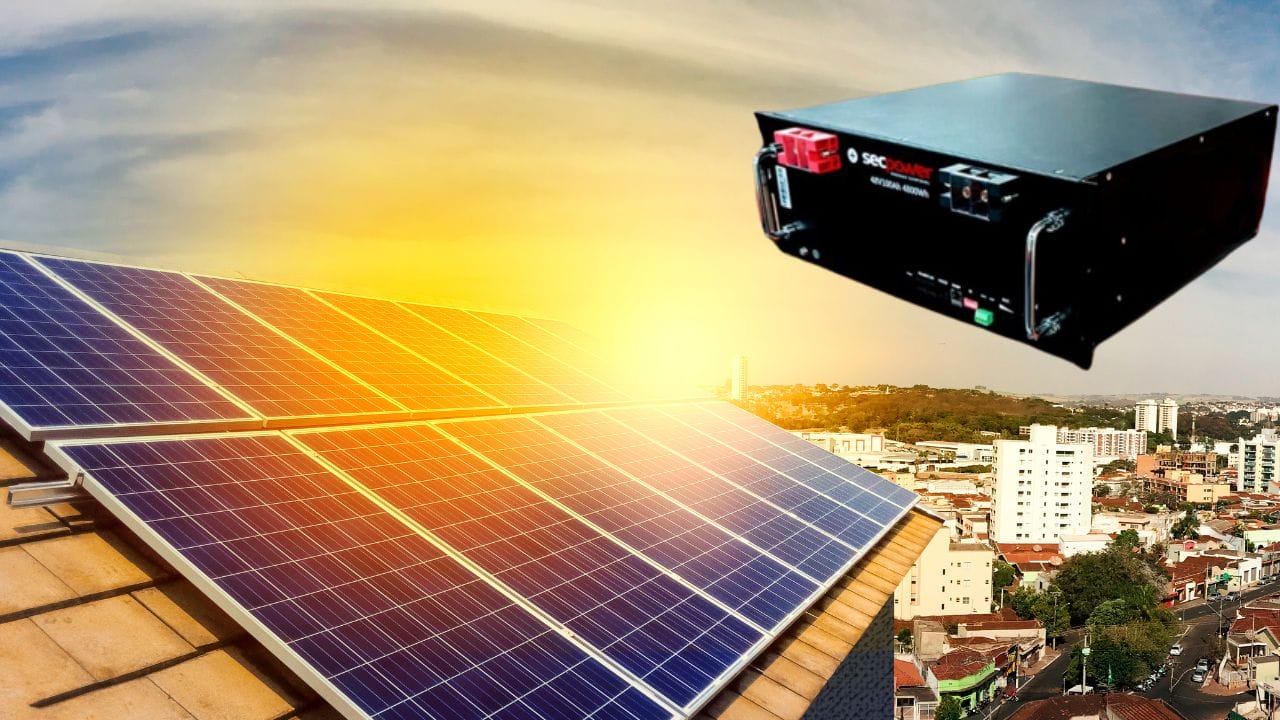
When It Comes to Solar Energy, Batteries Come into Play as Key Components, and Lithium Ones Are Stealing the Show. But What Makes Them So Cool? They Offer a Fine Blend of Longevity, Efficiency, and Cost Savings That Is Making Offgrid and Hybrid Systems Work Well.
Lithium-ion batteries are standing out in the crowd for their deep discharge capability, allowing up to 90% of the charge to be used without compromising their lifespan. Numerous advantages for the solar energy sector.
They can withstand about 4,000 to 6,000 cycles, lasting up to about 15 years of tough use. On the other hand, lead-acid batteries, like the Moura 100 amps, won’t even last until breakfast if you push them too hard.
What also makes lithium batteries special is that they don’t degrade with heat. While lead-acid batteries start to struggle at temperatures above 25°C, lithium ones handle temperatures up to 60°C with ease. This is a big advantage for those living in harsh sunny conditions.
-
With 160,000 m² of collectors, an area larger than 20 football fields, Silkeborg, in Denmark, hosts a solar thermal plant that heats 19,500 homes and could become the largest solar heating plant in the world.

-
A study reveals the expansion of renewable energy procurement in Brazil and shows how companies are taking advantage of opportunities to reduce expenses, ensure energy efficiency, and strengthen strategic environmental commitments.

-
Roraima bets on the sun to escape high tariffs: Amid the energy crisis and price hikes, solar energy is growing in Roraima and transforming consumption in the North region.
-
Mato Grosso do Sul excels in the sugar-energy sector: the state reaches a milestone of 22 operating mills and accelerates the production of clean energy in MS with a focus on sustainability.

More Energy in the Same Space: Lithium Batteries Are Special
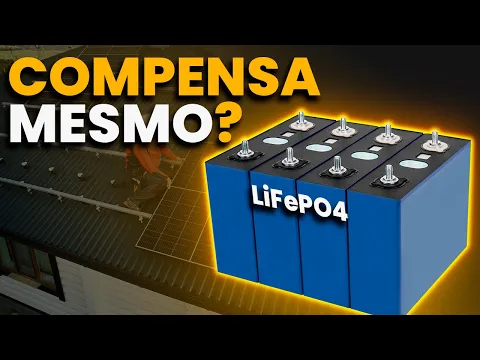

Speaking of energy storage, lithium batteries are “small but mighty.” They deliver up to 90% of the energy they store, while traditional lead-acid batteries only allow you to use about 30% to avoid premature failure.
In terms of price, a lithium battery of 100 amps may seem costly, but it lasts a good 15 years.
As for lead-acid batteries, you’ll be replacing them more often than “the latest trends.” In the end, the lithium battery is worth the investment and won’t leave you in a bind.
Lithium Batteries Are the Big Deal in Offgrid Solar Energy
With all these advantages, lithium batteries are changing the game in offgrid solar energy. At the rate things are going, they will boost the use of solar energy, making it an even more solid option for Brazil’s future.









Seja o primeiro a reagir!