Portuguese
  Spanish




When It Comes to Solar Energy, Batteries Come into Play as Key Components, and Lithium Ones Are Stealing the Show. But What Makes Them So Cool? They Offer a Fine Blend of Longevity, Efficiency, and Cost Savings That Is Making Offgrid and Hybrid Systems Work Well.
Lithium-ion batteries are standing out in the crowd for their deep discharge capability, allowing up to 90% of the charge to be used without compromising their lifespan. Numerous advantages for the solar energy sector.
They can withstand about 4,000 to 6,000 cycles, lasting up to about 15 years of tough use. On the other hand, lead-acid batteries, like the Moura 100 amps, won’t even last until breakfast if you push them too hard.
What also makes lithium batteries special is that they don’t degrade with heat. While lead-acid batteries start to struggle at temperatures above 25°C, lithium ones handle temperatures up to 60°C with ease. This is a big advantage for those living in harsh sunny conditions.
-
Ceará brings together 7 giants and R$ 66 billion to transform Pecém into the largest green hydrogen hub in Brazil, with final decisions expected by the end of 2026.

-
Scientists Convert Factory Waste Heat into Hydrogen Using Perovskite Catalyst at Significantly Lower Temperatures

-
Airbus and MTU Launch Joint Venture to Advance Hydrogen-Powered Electric Aircraft Engines, Paving the Way for a New Era of Low-Emission Commercial Aviation
-
In a Place Many Doubt Solar Power Works, 360 Panels Operate in the Arctic, Harnessing Reflected Snowlight to Reduce Diesel Use at an Isolated Station


More Energy in the Same Space: Lithium Batteries Are Special
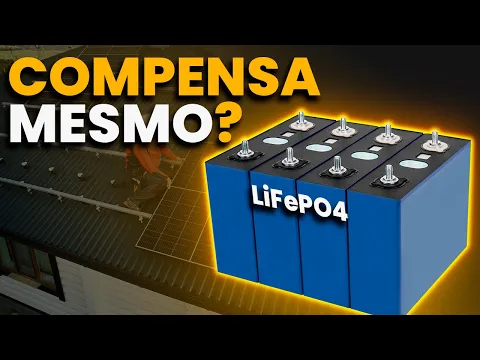

Speaking of energy storage, lithium batteries are “small but mighty.” They deliver up to 90% of the energy they store, while traditional lead-acid batteries only allow you to use about 30% to avoid premature failure.
In terms of price, a lithium battery of 100 amps may seem costly, but it lasts a good 15 years.
As for lead-acid batteries, you’ll be replacing them more often than “the latest trends.” In the end, the lithium battery is worth the investment and won’t leave you in a bind.
Lithium Batteries Are the Big Deal in Offgrid Solar Energy
With all these advantages, lithium batteries are changing the game in offgrid solar energy. At the rate things are going, they will boost the use of solar energy, making it an even more solid option for Brazil’s future.