





 Portuguese
  English
  Spanish
  4 min of reading
  0 comments


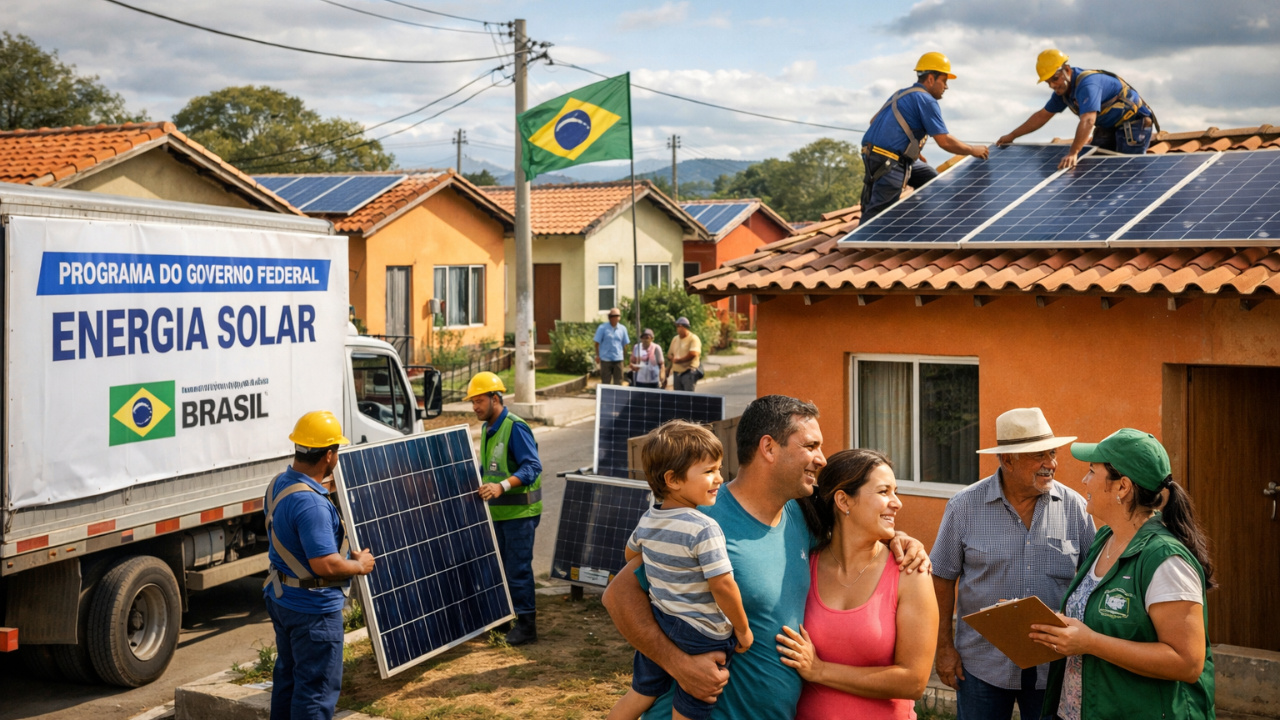
Understand How Access to Solar Energy Works With Government Support, What Financing Options Exist, Who Can Participate, and the Main Incentive Programs Available in the Country.
The demand for solar energy is continuously growing in Brazil, driven by rising electricity costs and the search for more sustainable alternatives. In this scenario, many consumers are trying to understand if it is possible to obtain solar energy through government initiatives and what options are currently available.
Although the topic generates expectations, there are still doubts about the existence of free equipment distribution programs and who can access public incentives. What exists, in practice, is a set of mechanisms that facilitates the initial investment and increases access to distributed solar generation.
Government Does Not Distribute Solar Panels for Free
Contrary to what many believe, the federal government does not carry out the free distribution of solar panels for residences. Currently, there are no public programs aimed at the direct donation of photovoltaic systems for domestic use.
-
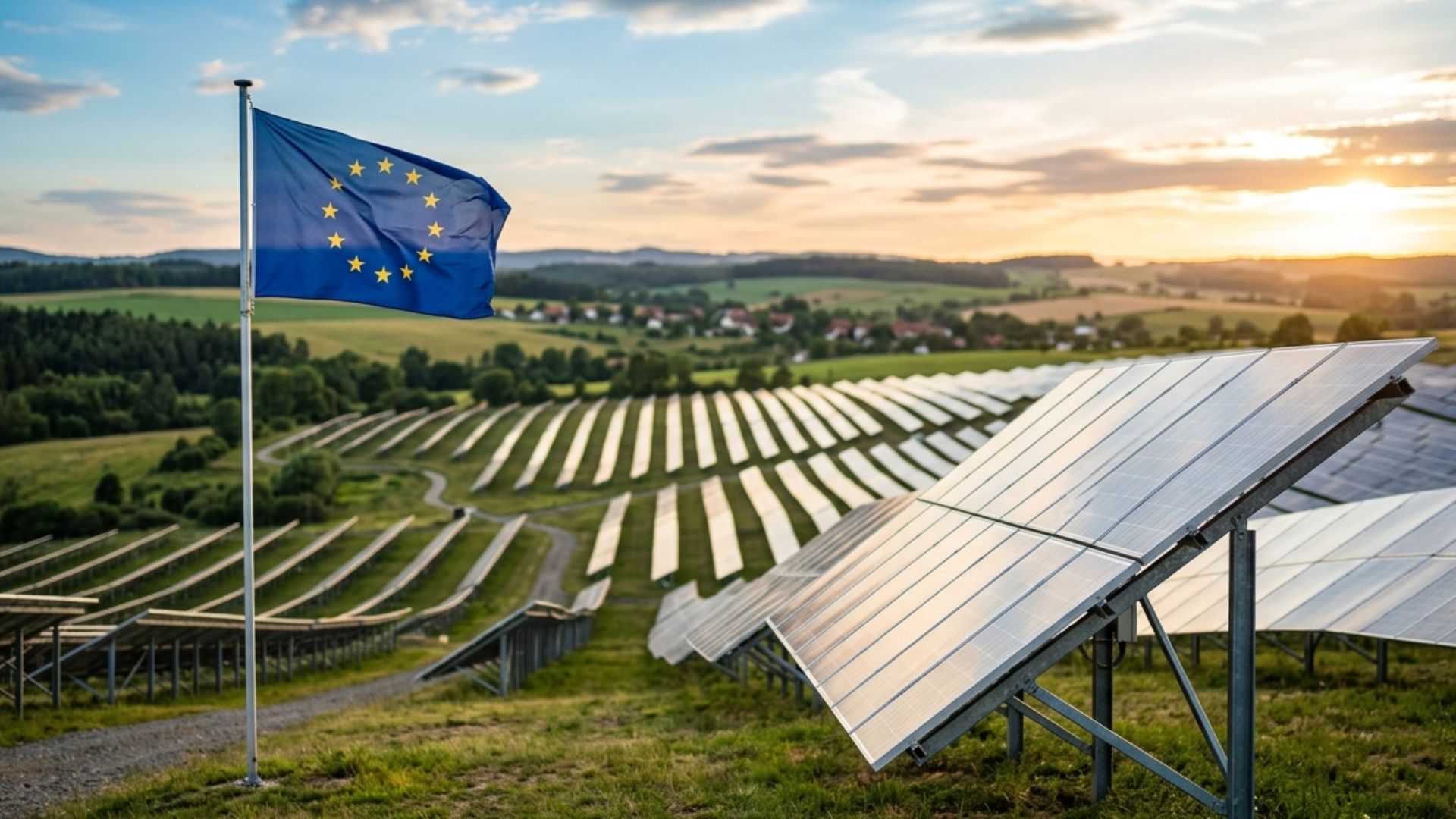
Europe records strong euro economy with solar energy in March and sparks curiosity about which country leads growth that redefines the energy market and reduces costs.
-
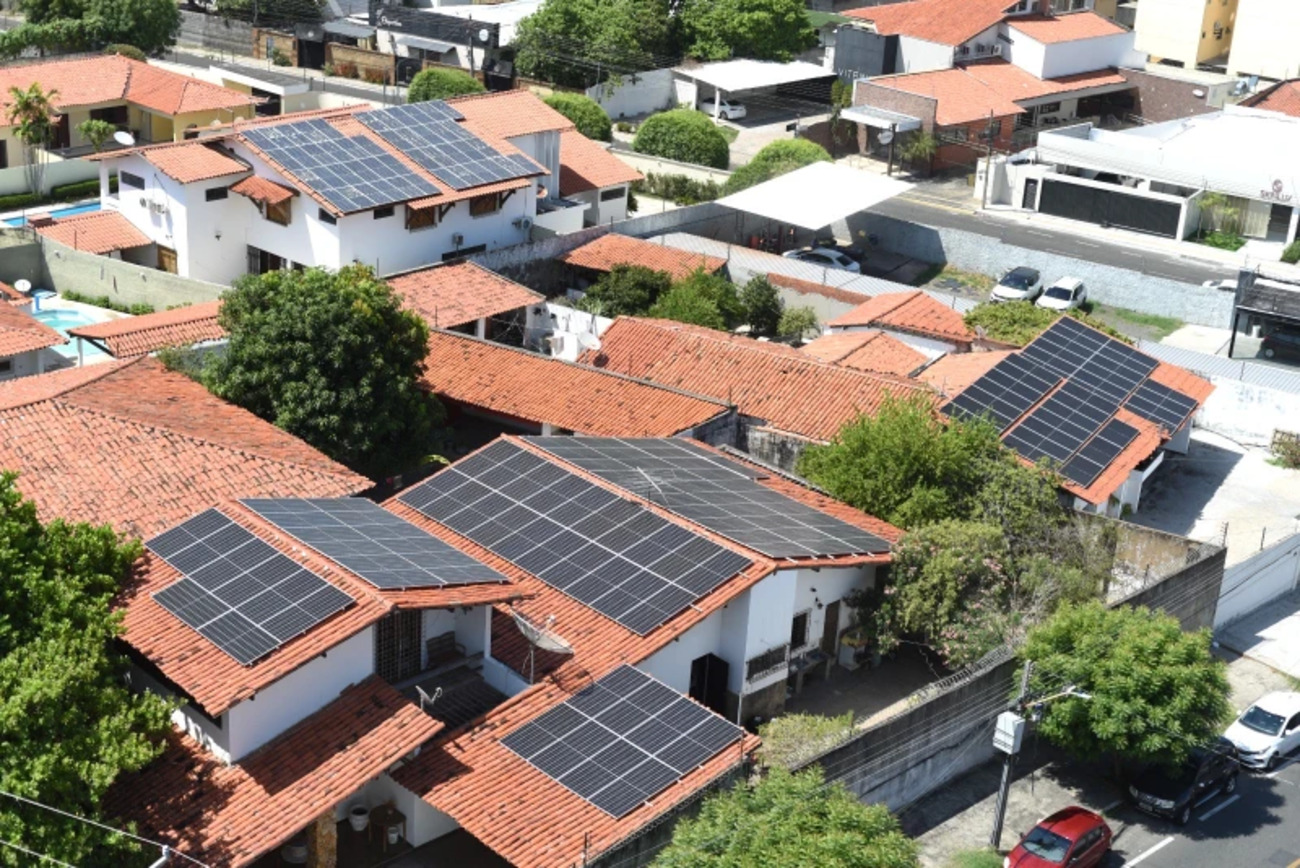
Piauí reaches a historic milestone in energy transition: State records nearly 160,000 households powered by solar energy and leads growth in the Northeast.
-
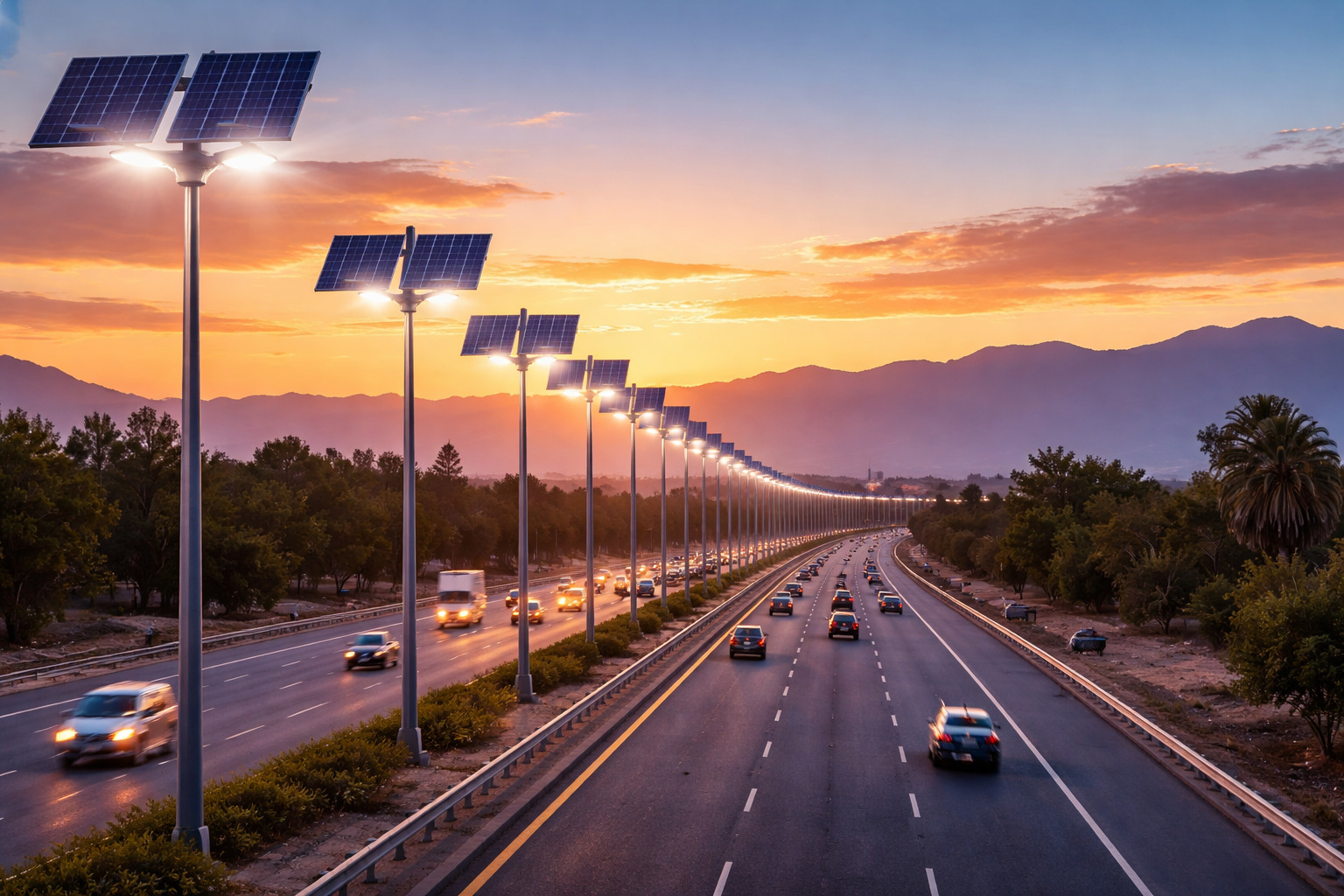
Argentina debuts its first 100% solar-powered highway and transforms an entire road into a showcase of clean energy.
-
Minas Gerais reaches a historic record and surpasses the power of Itaipu, but network costs generate debate: Understand why solar energy in MG impacts the electricity bill of those without panels.
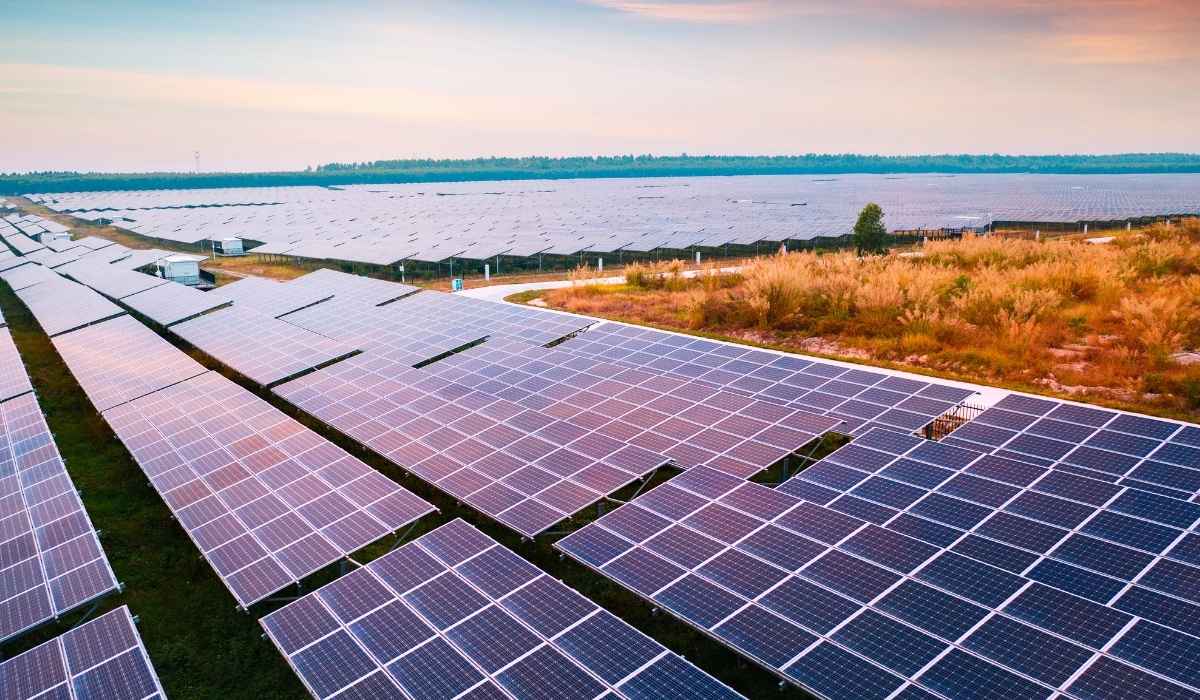

Government support occurs in another way. The focus is on financing programs, partnerships with public banks, and tax incentives. These measures aim to reduce the main obstacle to adopting solar energy: the initial installation cost.
With lower interest rates and longer payment terms, these instruments make investment more accessible for families, rural producers, and small entrepreneurs.
Public Financing Enables Solar Energy
Obtaining solar energy with government support primarily goes through access to subsidized credit lines. Public banks such as Caixa Econômica Federal and Banco do Brasil offer specific financing for the purchase and installation of photovoltaic systems.
These lines usually present differentiated conditions, with reduced interest rates and extended payment terms. This way, the investment amount can be spread over the years, often with installments close to or lower than the savings generated on the electricity bill.
Additionally, regional development banks also operate in this market. Banco do Nordeste, for example, maintains lines aimed at solar energy, expanding financing options in different regions of the country.
Use of FGTS Expands Alternatives for Housing Beneficiaries
Those participating in the Minha Casa, Minha Vida program find one more possibility of support. Beneficiaries can use resources from the Severance Indemnity Fund (FGTS) to supplement the investment in solar energy.
The use of FGTS is limited to up to five minimum wages, respecting the fund’s rules. Still, this alternative helps reduce the financed amount and, consequently, the total cost of the project.
In some segments of the housing program, projects already include the installation of solar energy systems, reinforcing the integration of technology into public housing policies.
Who Can Access Solar Energy Incentives
Access to government-supported solar energy programs depends on the rules of each initiative. In general, low- and middle-income families, rural producers, small businesses, and individuals linked to housing programs can participate.
Each credit line or incentive has its own criteria, such as income, purpose of the system, and location of the property. Therefore, prior analysis of the conditions is considered essential before applying for funding.
Tax Incentives Reduce the Cost of Solar Energy
In addition to easier credit, solar energy benefits from tax incentives that vary according to the state or municipality. In various regions, there is a reduction or exemption of ICMS on equipment and energy generated by photovoltaic systems.
Some cities also offer benefits in property tax (IPTU) for properties that adopt solar energy. These discounts help reduce the total investment cost and speed up the financial return of the system.
Main Incentive Programs for Solar Energy in Brazil
Among the initiatives that strengthen the sector, different programs and public policies stand out. The credit lines from BNDES, Banco do Brasil, and Caixa Econômica Federal are among the most widely used.
The PADIS, Support Program for the Technological Development of the Semiconductor Industry, also plays a significant role in encouraging the production chain of solar equipment in the country.
In the states, specific programs expand the reach of solar energy. An example is RenovaPR, aimed at rural producers, which offers differentiated conditions for financing photovoltaic systems in the countryside.
These initiatives show that, although there is no free distribution of panels, the set of public policies has broadened access to solar energy and stimulated the transition to renewable sources in Brazil.








-

-

-

-

-

15 pessoas reagiram a isso.