





 English
  Francês
  Alemão
  Italiano
  Japonês
  Norueguês
  Portuguese
  Spanish
  3 min of reading


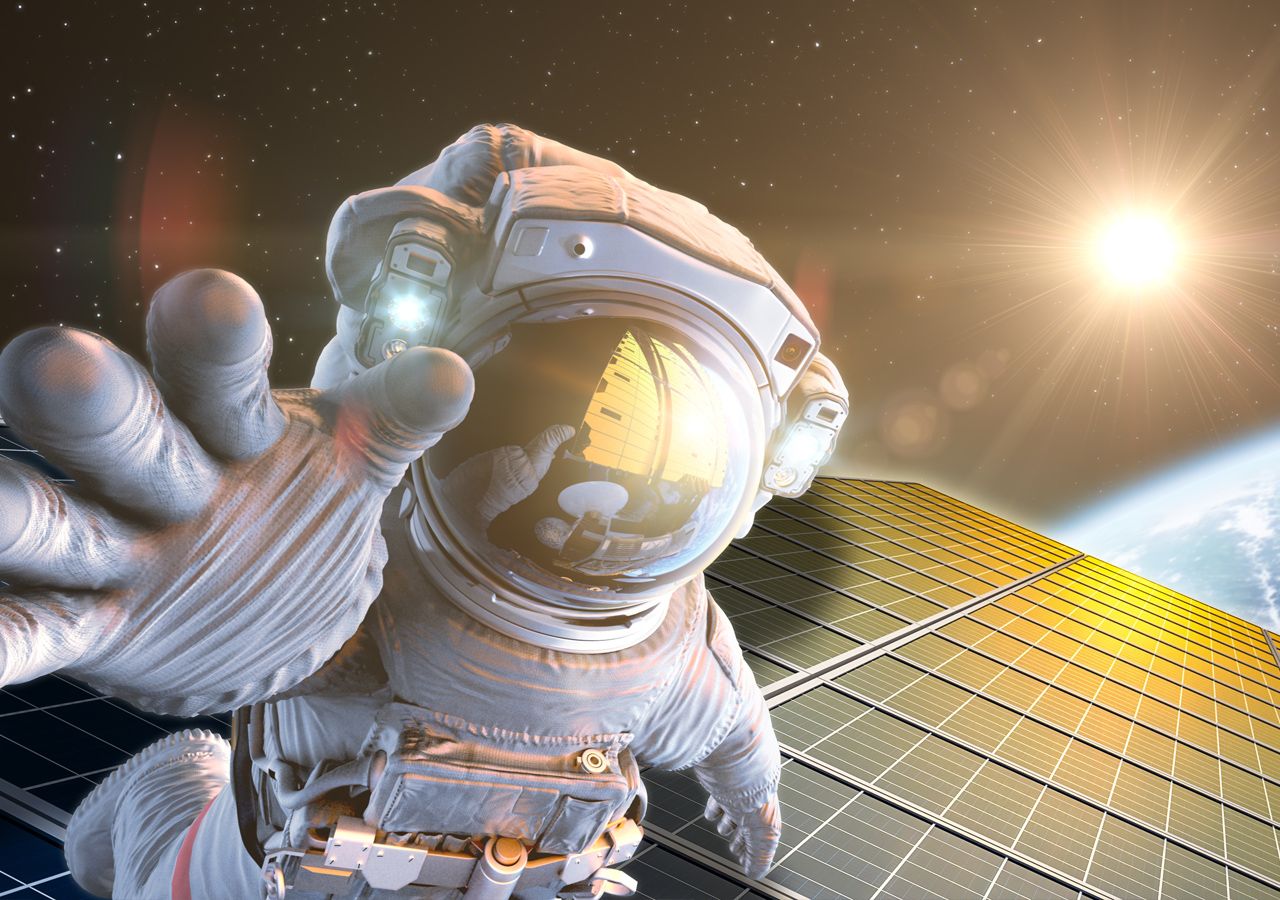
Scientists Are Closer Than Ever to Producing the Dreamed Solar Energy Through a Space Station. Several Countries and Companies Are Already Studying the Possibility of Generating Renewable Energy in Earth Orbit
Solar energy is one of the most favored forms of renewable energy, however, so far the only impasse is that it requires sunny days to generate electricity. With this in mind, scientists are planning to develop a solar energy space station so that it is possible to have infinite renewable energy. This idea has been on the minds of brilliant thinkers for a long time, but now it may be closer to becoming a reality.
Read Other Related News
Innovative Ideas Based on Old Concepts Aim to Place a Solar Space Station in Orbit by 2050
Creating this type of solar energy space station requires a lot of investment and technology. However, companies like SpaceX, Virgin Galactic, and Blue Origin are working to make space travel cheaper and more accessible, thus, the idea of making a solar energy “plant” in space to solve the renewable energy demand may be closer to production.
-
With 160,000 m² of collectors, an area larger than 20 football fields, Silkeborg, in Denmark, hosts a solar thermal plant that heats 19,500 homes and could become the largest solar heating plant in the world.

-
A study reveals the expansion of renewable energy procurement in Brazil and shows how companies are taking advantage of opportunities to reduce expenses, ensure energy efficiency, and strengthen strategic environmental commitments.

-
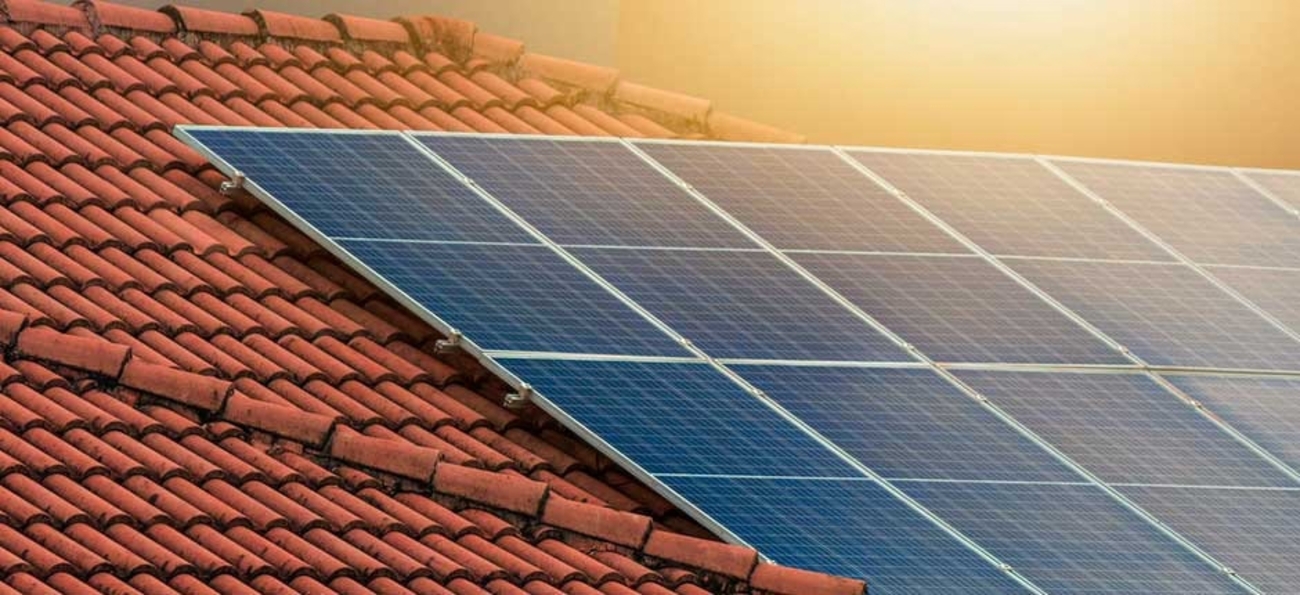
Roraima bets on the sun to escape high tariffs: Amid the energy crisis and price hikes, solar energy is growing in Roraima and transforming consumption in the North region.
-
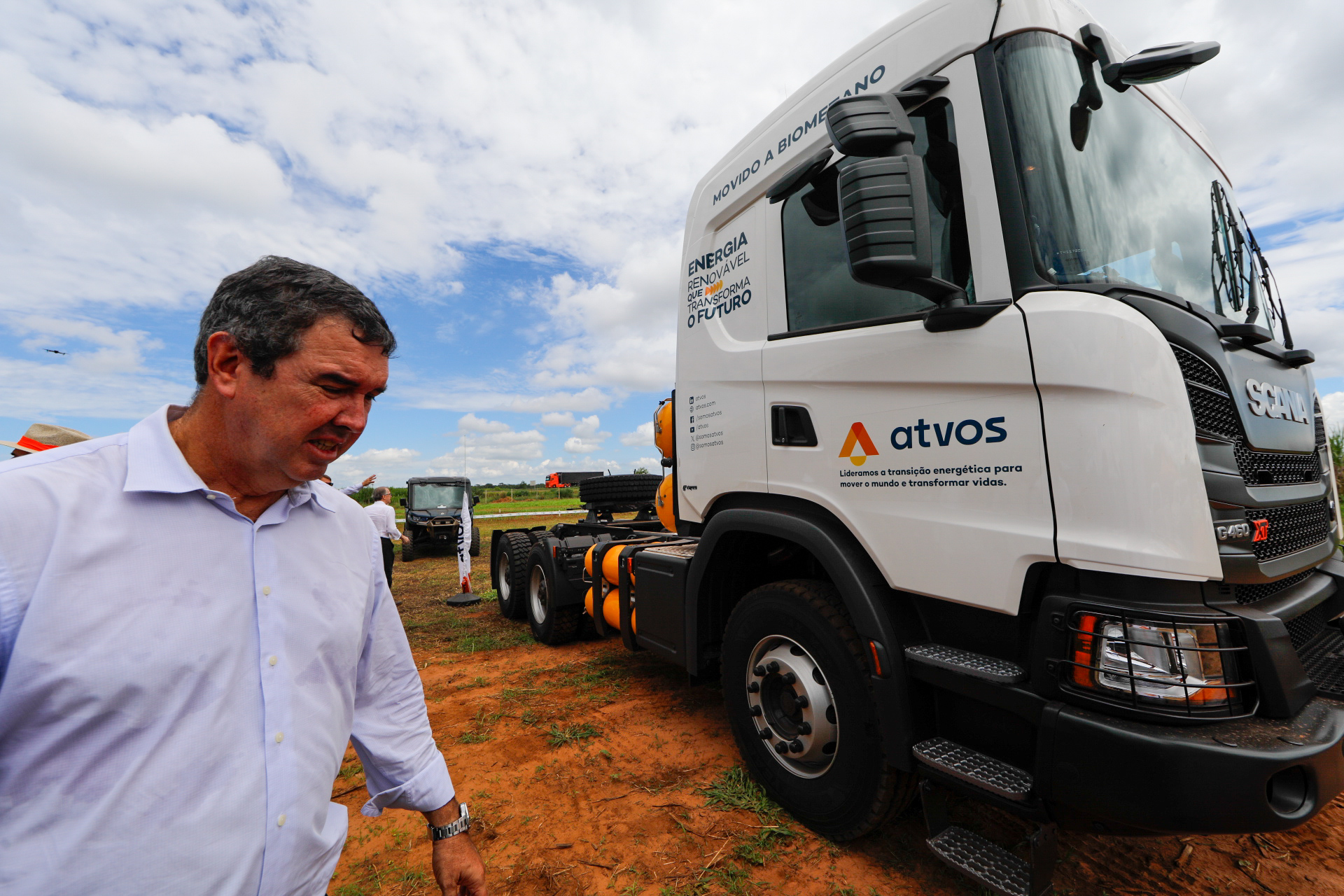
Mato Grosso do Sul excels in the sugar-energy sector: the state reaches a milestone of 22 operating mills and accelerates the production of clean energy in MS with a focus on sustainability.
Although it seems like an innovative idea, one of the first scientists to think about using solar energy from space was the Russian Konstantin Tsiolkovsky in 1920, when satellites or rockets didn’t even exist yet. However, the one who made the idea of a renewable energy space station famous was the science fiction writer Isaac Asimov.

The writer always counted on scientist readers, leading to numerous studies on the subject being inspired. The idea was that since solar radiation is basically infinite, it gave an advantage over the fossil fuels that the world depended on and still depends. Therefore, it made sense to develop a space station that captures solar energy directly from the source.
Price Accessibility May Accelerate Renewable Energy Space Station Project
The impasse is that solar energy stations like the one envisioned by the scientist have not yet been developed. There are various methods proposed, one of which is to create a series of small satellites that remain close to each other, forming one large solar energy panel.
In 2017, scientists from California developed a design for a renewable energy space station that operated this way, with thousands of solar panels measuring 10 cm x 10 cm. Currently, SpaceX, founded by Elon Musk, is already operating a constellation of satellites to offer internet service with the Starlink project.
There is information that these satellites could be adapted for renewable energy generation. Last year, the British newspaper “The Telegraph” highlighted that the extensive use of satellites by the company made the price of technology lower. Between the 1970s and 2000, it cost R$ 105,000 to place one kilogram in Earth orbit. Since then, this price has fallen to around R$ 10,000.
Scientists from Several Countries Plan to Develop a Solar Energy Station in Space
Last year, the United Kingdom announced plans to develop a renewable energy station 1,700 meters wide, which would be sent to space in parts. Components the size of a home computer would be sent and assembled by robots and would weigh 2,000 tons at an altitude of 35,000 kilometers above the earth.
In 2019, the Chinese announced the “Omega” project, and since then they have begun tests to find the best way to transmit solar energy to the earth. Details have not been disclosed, but the project will have the capacity to produce up to 2 GW of renewable energy per year.









Seja o primeiro a reagir!