





 Portuguese
  English
  Spanish
  2 min of reading


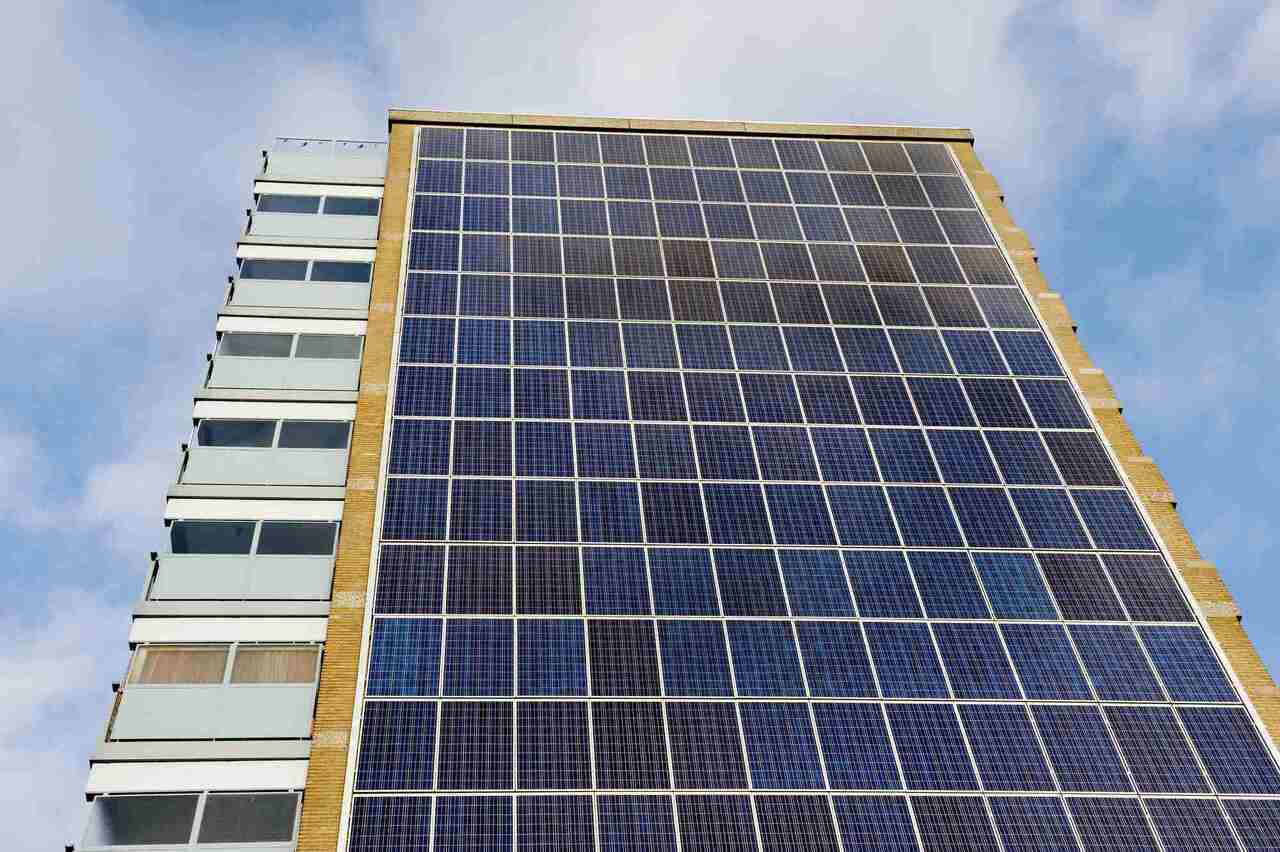
The Average Costs of Solar Power Modules Fell Worldwide, Making Renewable Energy More Accessible
Renewable energy is increasingly part of our reality, which was once considered quite uncommon and expensive, but this may change in the future, as after a long price decline over the years, solar energy has become the cheapest electricity option in history.
Read Also
This result does not mean that solar energy is the cheapest renewable energy in all regions of the world, but still, in the United States, the average costs of solar modules have fallen drastically in the last 15 years, going from US$ 3.50/Wp to US$0.50/Wp.
Plans for the Future Market
The U.S. Department of Energy (DOE) aims to cut costs for solar power plants by 60% by 2030. The current U.S. Secretary of Energy, Jennifer M. Granholm, said that “In many parts of the country, solar energy is already cheaper than coal and other fossil fuels, and with more innovation, we can cut the cost again by more than half in a decade.”
-
Renewable energy advances over protected areas in Brazil, and a survey by the Energy Transition Observatory reveals silent impacts that challenge environmental conservation and pressure sensitive traditional territories.

-
Rio Grande do Sul accelerates energy transition: State invests in renewable technologies and consolidates decarbonization strategies and pathways to attract billions in new industrial investments.

-
With 160,000 m² of collectors, an area larger than 20 football fields, Silkeborg, in Denmark, hosts a solar thermal plant that heats 19,500 homes and could become the largest solar heating plant in the world.

-
A study reveals the expansion of renewable energy procurement in Brazil and shows how companies are taking advantage of opportunities to reduce expenses, ensure energy efficiency, and strengthen strategic environmental commitments.

According to her, with the funding of US$ 126 million (about R$ 716 million at current conversion rates) that is already reserved for the initiative, it will be possible to move towards President Biden’s goal of utilizing 100% clean electricity by 2035.
Solar Energy Market in Brazil
Photovoltaic energy is the renewable energy that has been growing rapidly. There are various economic and environmental benefits that are helping to drive the growth of this renewable energy source.
It represents, in Brazil, only 1.7% of the entire energy matrix, however, the number of installed photovoltaic systems in Brazilian territory has grown considerably, especially in the Southern and Southeastern regions of the country.
Solar renewable energy is being predominantly used in Brazil in residences, as an aid in reducing electricity bills, either through thermal energy, heating water, or by using photovoltaic energy to generate electricity.









Seja o primeiro a reagir!