Portuguese
  Spanish


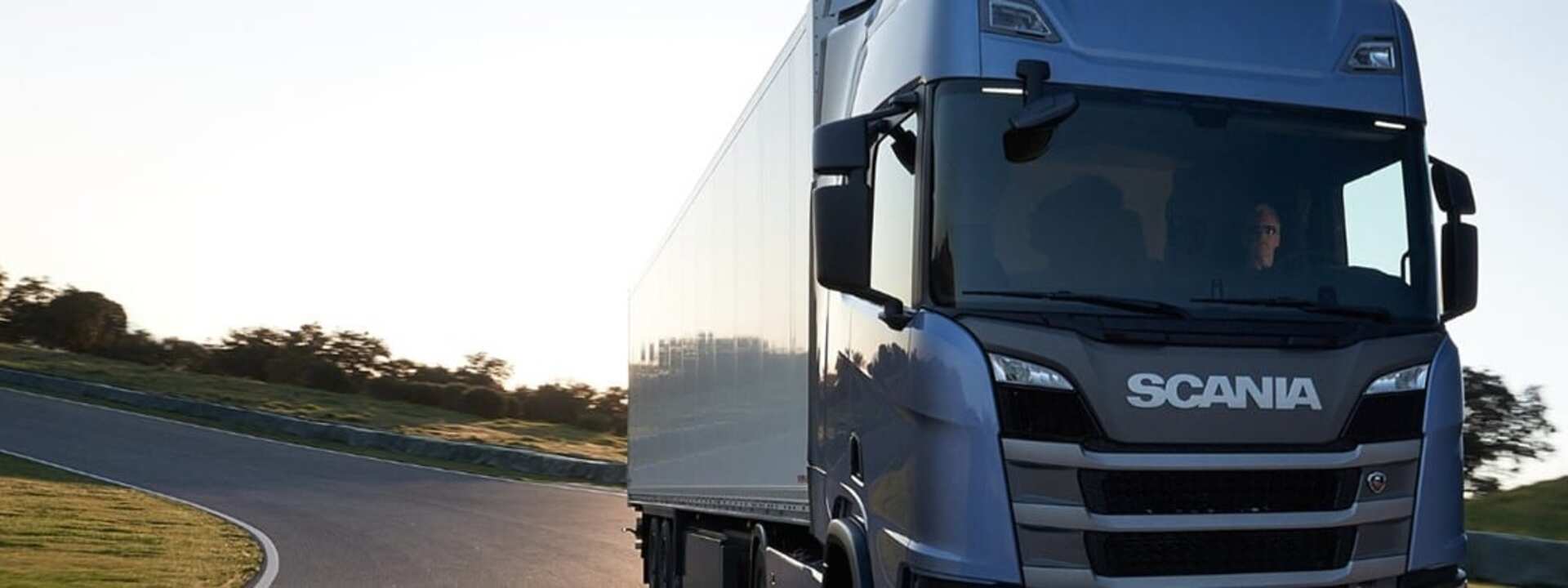

Scania Truck Runs Entirely on Solar Power and Is a Revolution for the Market
Scania, one of the world’s leading manufacturers of heavy trucks, buses, and industrial and marine engines, is betting on solar energy to help save money and reduce dependence on fuels, and has created a solar-powered truck.
Read Also
Truck drivers are essential in our lives, responsible for transporting goods such as food, products, and all kinds of supplies, and one of their challenges has been the rising price of diesel, which diminishes the profits of these professionals every year.
To help reduce costs and decrease dependence on fuels, Scania has created a solar-powered truck, installing solar panels on a trailer attached to a prime mover, and the use of solar energy could help reduce fuel consumption by about 20%, according to Scania.
-
Giant Batteries Take Center Stage in Chile Auction as Company Offers 960 GWh of Solar Energy for Nighttime Use, Aiming to Stabilize Solar Power Supply

-
1983 Chevrolet Runs Over 100,000 km Without Gasoline, Powered by Wood Chips, Reaches 125 km/h in Airport Test
-
Workshop Converts Giant Tractor Tire Tricycle into a Three-Wheel Drive Hybrid with 36,000-Watt Electric Motor Capable of Climbing Hills

-
After a Year of Success in Switzerland, Solar Railway Attracts Italy’s Interest for Clean Energy Transformation


Scania’s Solar-Powered Truck Still in Testing Phase in Sweden
Currently, Scania’s solar-powered truck is in the testing phase in Sweden by the carrier Ernst Express, publicly funded by the Swedish government’s innovation agency. This is an example showing that when governments believe in these initiatives and invest, they happen.
The expectation is that the solar panels will generate about 14,000 kWh annually, potentially doubling in warmer countries like Brazil, which is on the list of countries with the highest solar radiation levels in the world.
Scania Truck Features Modern Design
The truck is covered with photovoltaic cells measuring 18 meters in length. The total area of the panels, including the sides of the vehicle, is 140 m².
Scania’s Head of Vehicle Technology and Design, Eric Falkgrim, says that solar cells have previously been used on boats. “But only to power auxiliary equipment, such as refrigerators and stoves, and not the powertrain,” he says.