





 Portuguese
  English
  Spanish
 5 min of reading
  0 comments


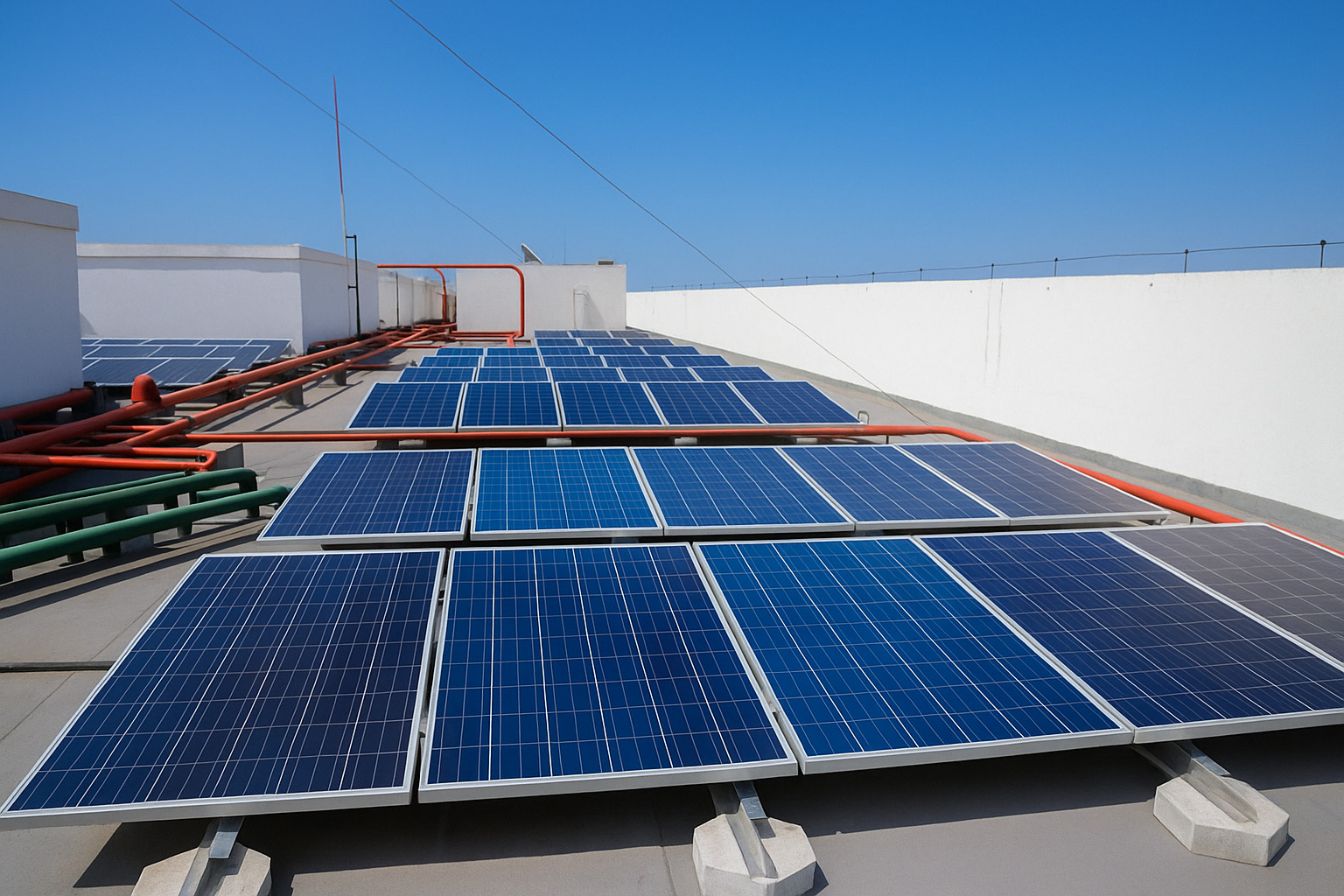
Discover How the Expanding Solar Energy in Mato Grosso Transforms Cities, Creates Jobs, and Ensures Savings for Families and Businesses.
Brazil has been undergoing a significant transformation in its energy sector, moreover, marked by the search for clean, renewable, and decentralized sources.
Among these sources, solar energy stands out as a strategic vector for sustainable growth. Contributing to the reduction of costs, job creation, and energy autonomy for families and businesses.
In this sense, Mato Grosso establishes itself as one of the protagonists of expanding solar energy. Reaching the mark of 2.7 gigawatts (GW) of installed capacity in self-generation.
-
Seagri’s headquarters invests in solar energy with Neoenergia Coelba and promises to cut electricity costs, highlighting a strategic advance in sustainability and energy efficiency within state public administration.
-
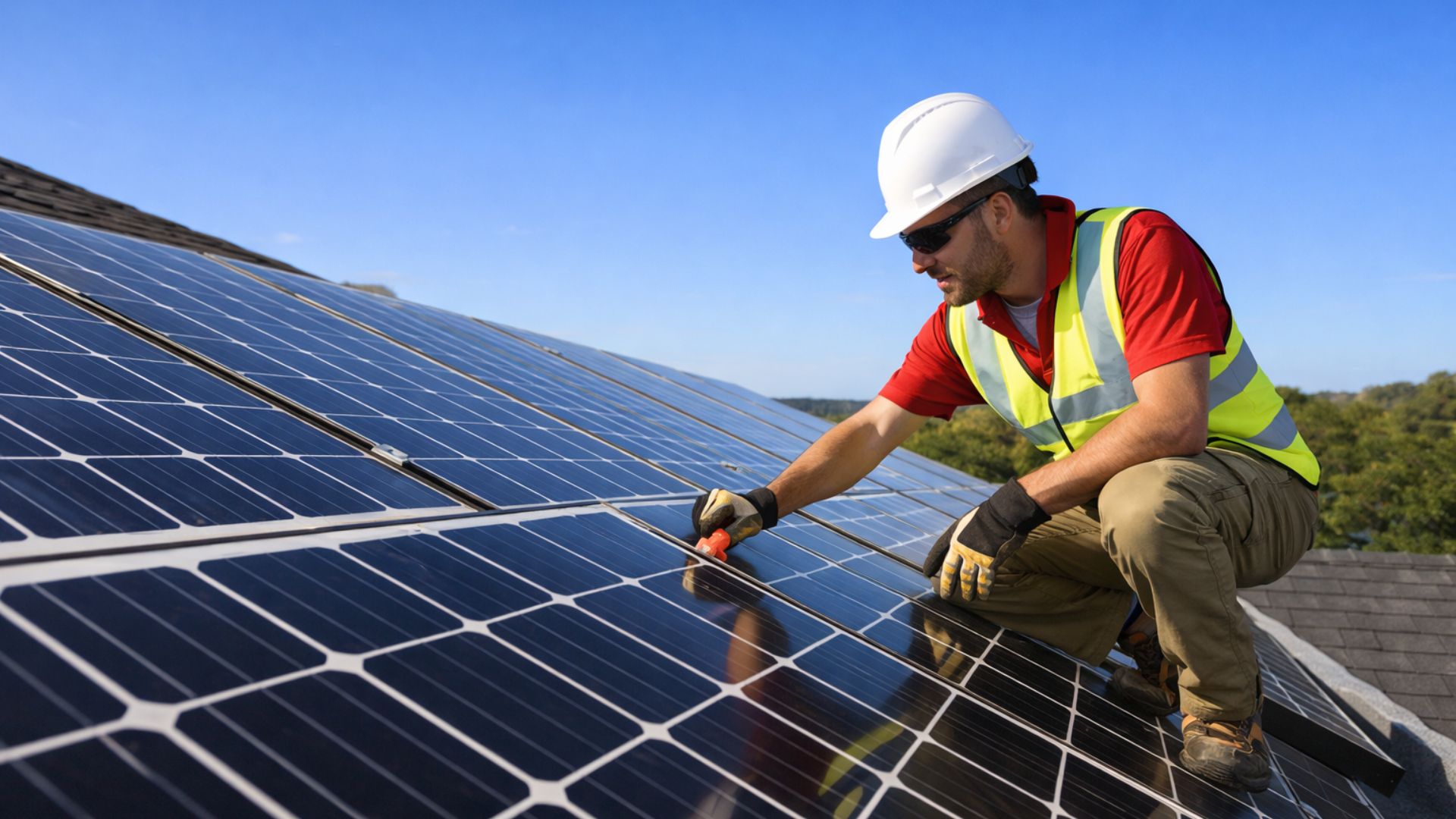
Solar Pyramid draws attention by converting solar energy into million-dollar savings and repositioning the City Hall of Curitiba as an example of innovation, sustainability, and intelligent use of public resources.
-
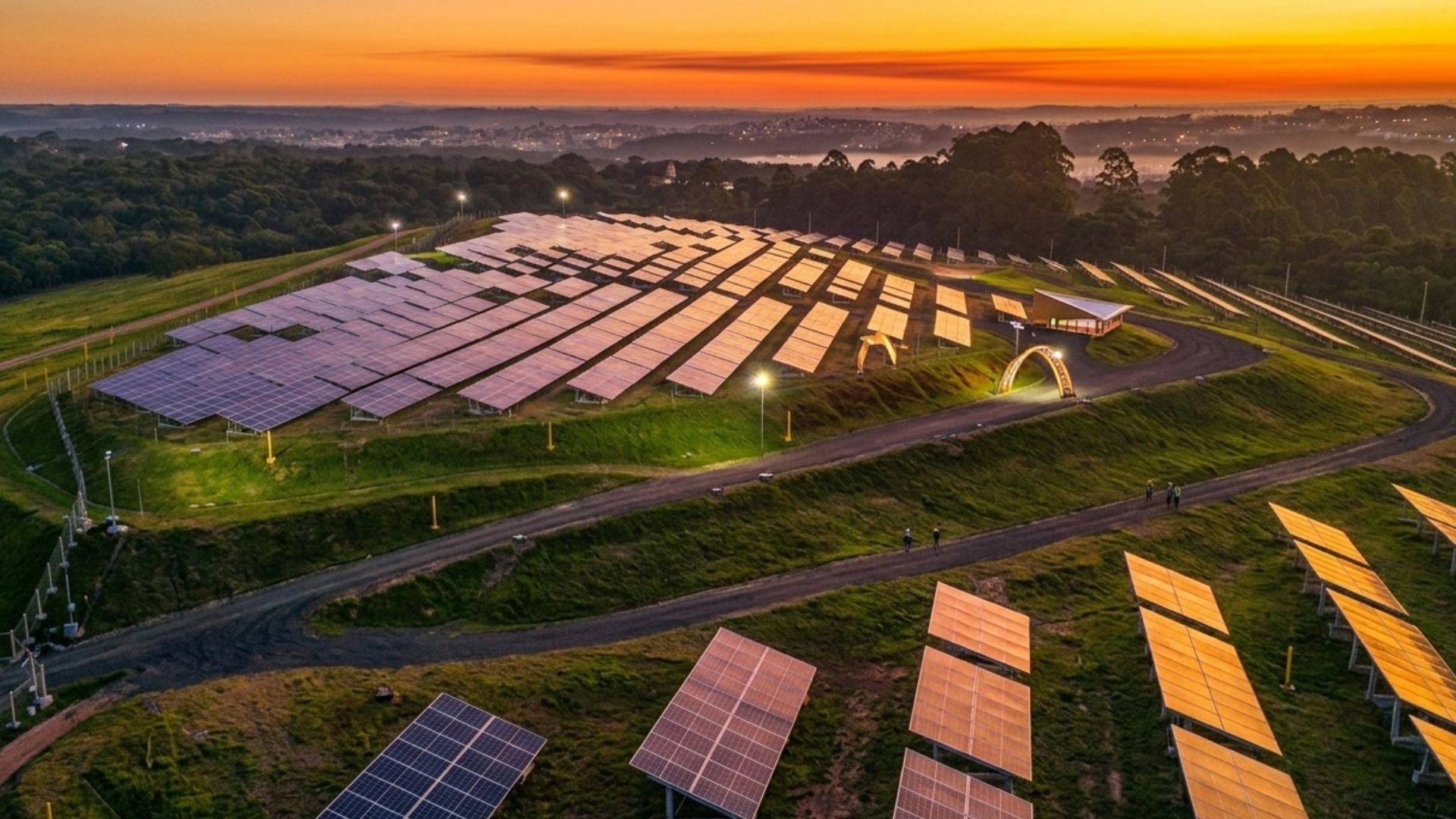
Europe records strong euro economy with solar energy in March and sparks curiosity about which country leads growth that redefines the energy market and reduces costs.
-
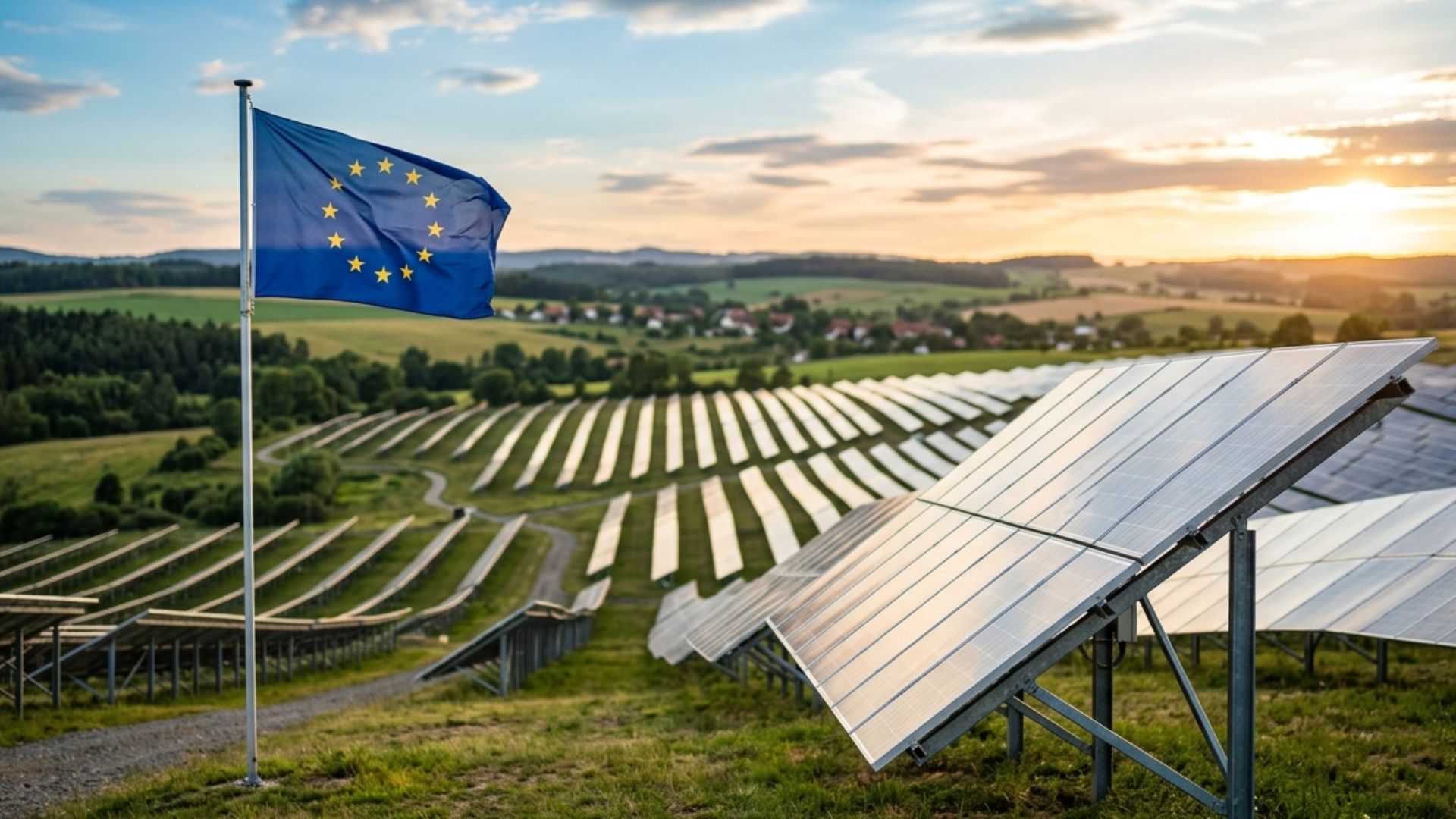
Piauí reaches a historic milestone in energy transition: State records nearly 160,000 households powered by solar energy and leads growth in the Northeast.
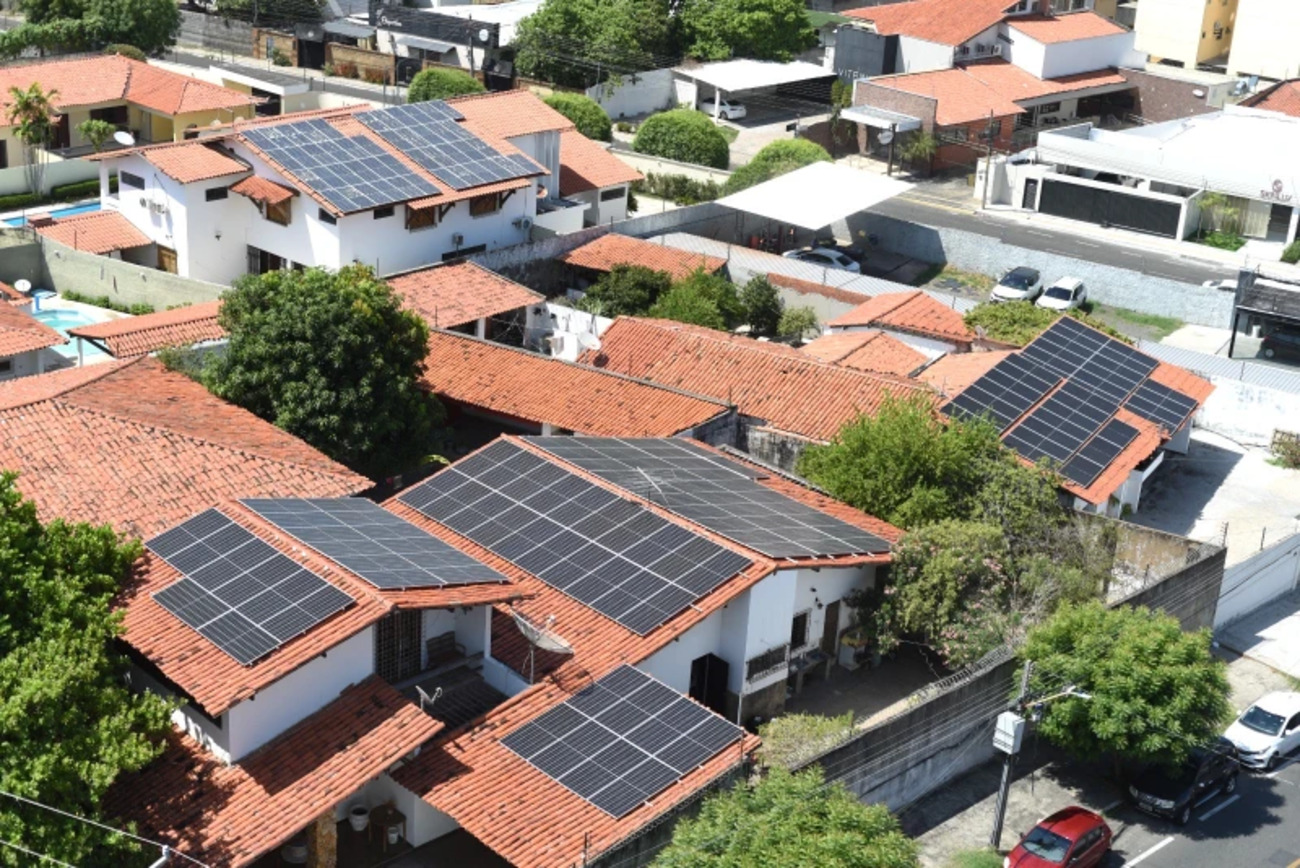

According to data from the Brazilian Association of Photovoltaic Solar Energy (ABSOLAR), the state has over 201 thousand photovoltaic connections on rooftops and small plots. Spread across 141 cities, meaning 100% of the municipalities in the region.
Consequently, this progress reflects not only the availability of abundant solar radiation. But also the growing awareness of consumers, businesses, and authorities about the benefits of distributed energy generation.
Currently, over 255 thousand consumers in Mato Grosso already reduce their electricity bills, gain greater autonomy, and enjoy electrical reliability. Essential factors for modern life and local economic development.
In addition to the direct impact on household economy, expanding solar energy influences the local infrastructure.
Municipalities have invested in training technicians and installers, strengthening the service sector and promoting the formation of specialized professionals.
Consequently, this movement creates a virtuous cycle, where the increase in the supply of qualified labor contributes to the expansion of new projects and consolidates the sector as a sustainable economic pillar.
History and Evolution of Solar Energy in Mato Grosso
Historically, the trajectory of solar energy in Mato Grosso and Brazil began timidly, but consistently.
Since 2012, the self-generated solar modality has attracted investments of R$ 11.8 billion. Created more than 82 thousand direct and indirect jobs and contributed over R$ 3.6 billion to public revenue.
Moreover, this growth accompanies the global evolution of solar energy, marked by technological advancements that reduced installation and maintenance costs.
This has made photovoltaic systems increasingly accessible to different consumer profiles.
The development of solar energy is also related to national public policies, such as the incentive for sustainability and the commitment to environmental goals.
Brazil, a signatory to international agreements on climate change, has sought to diversify its energy matrix.
Therefore, Mato Grosso demonstrates how regions with strong solar radiation can lead this process.
The expansion of solar energy offers a practical way to reduce dependence on fossil sources and increase the energy resilience of the country.
The expansion of solar energy is not limited to the economic aspect.
It constitutes a clean alternative, capable of reducing greenhouse gas emissions and strengthening the energy transition toward a sustainable model.
A recent study by Volt Robotics, commissioned by ABSOLAR, pointed out that distributed solar energy generation could provide a net savings of over R$ 84.9 billion for Brazilians by 2031.
Thus, these benefits reach both consumers who have installed systems and those who do not yet generate their own energy, highlighting the positive effect of democratizing access to solar energy.
Regulation and Challenges in the Electric Sector
The accelerated growth of expanding solar energy in Mato Grosso also depends on the Brazilian regulatory framework.
Law No. 14,300/2022, which organizes distributed renewable energy generation, brought legal security and clear incentives for residential, commercial, and industrial consumers to adopt photovoltaic systems.
However, recent provisional measures, such as MPs No. 1300/2025 and 1304/2025, create debates about the future of regulation.
ABSOLAR argues that changes to these provisions, if not well-structured, could generate legal insecurity, especially in the definition of tariffs applicable to consumers who generate their own energy.
The debate over bi-nominal tariffs, which include fixed charges imposed by the National Electric Energy Agency (Aneel), highlights the importance of clear and stable public policies.
For specialists and representatives of ABSOLAR, the imposition of arbitrary tariffs could compromise the return on investments made by consumers adopting solar energy, hindering the progress of expanding solar energy in the country.
Therefore, parliamentarians and authorities need to participate actively in the regulatory process, ensuring that the sector continues to develop in a sustainable and predictable manner.
Additionally, international experience shows that countries that ensure regulatory predictability tend to attract more investments and consolidate a competitive market for distributed generation.
Consequently, Mato Grosso, by strengthening its regulatory environment and encouraging self-generation of solar energy, creates favorable conditions for technological innovation, the emergence of startups, and the strengthening of the local photovoltaic equipment industry.
Social Growth and Impact on the Population
In addition to regulatory issues, the growth of solar energy in Mato Grosso also relies on social perception.
Research indicates that nine out of ten Brazilians want to generate their own clean and renewable energy.
In this way, this trend reveals an important cultural shift, where consumers take greater ownership of their energy choices, valuing both financial economy and environmental responsibility.
In Mato Grosso, the expansion of solar energy represents not only an economic opportunity, but also an advance in the quality of life of people and in the competitiveness of the productive sector.
The impact of solar energy goes beyond residences.
Productive sectors, such as industry and agribusiness, also benefit from distributed generation to reduce operational costs and increase predictability in resource management.
The implementation of solar systems in small and medium enterprises shows significant results, encouraging new initiatives and strengthening the photovoltaic technology supply chain in the state.
Moreover, community engagement intensifies with solar generation projects in schools, hospitals, and public spaces, stimulating environmental education, awakening interest in clean technology, and promoting a sustainability culture.
Protagonism and Future Perspectives
The trajectory of solar energy in Mato Grosso reflects a history of innovation, investment, and environmental awareness.
The state positions itself as an example of how public policies, clear regulatory frameworks, and social interest can drive sustainable growth.
The local protagonism in expanding solar energy evidences Brazil’s ability to integrate technology, economy, and sustainability, creating a model that other regions of the country and countries with similar characteristics can replicate.
Barbara Rubim, vice-president of distributed generation at ABSOLAR, emphasizes that the democratization of self-generated solar energy strengthens sustainability, attracts investments, creates green jobs, and enhances competitiveness.
The continuous development of solar projects allows families and businesses to better control their energy expenses, therefore, contributing to a safer, more economical, and environmentally balanced future.
Thus, the advance of expanding solar energy in Mato Grosso represents much more than numbers and statistics.
It symbolizes a cultural, economic, and technological transformation, consolidating distributed generation as a pillar of the Brazilian energy matrix.
With consistent policies, economic incentives, and community engagement, expanding solar energy has the potential to continue growing, strengthening the country in the global energy transition and ensuring lasting benefits for all of society.









Seja o primeiro a reagir!