





 Portuguese
  English
  Spanish
  4 min of reading
  1 comment


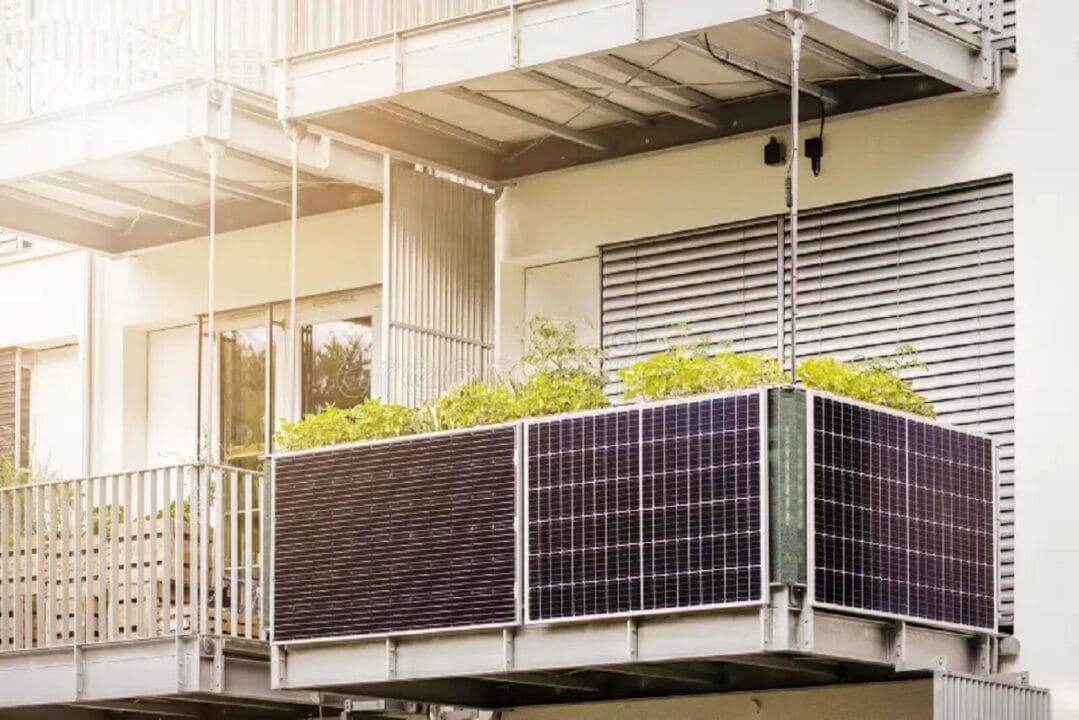

Transform Your Balcony with Solar Power! Install Solar Panels and Enjoy Renewable Energy. Save Money and Enhance Your Space
Initially, balcony power plants are not a complex product: they are fixed to the railing of a balcony and connected to the home electrical grid through an outlet. When the sun shines, they produce solar energy. Today we will talk about them.
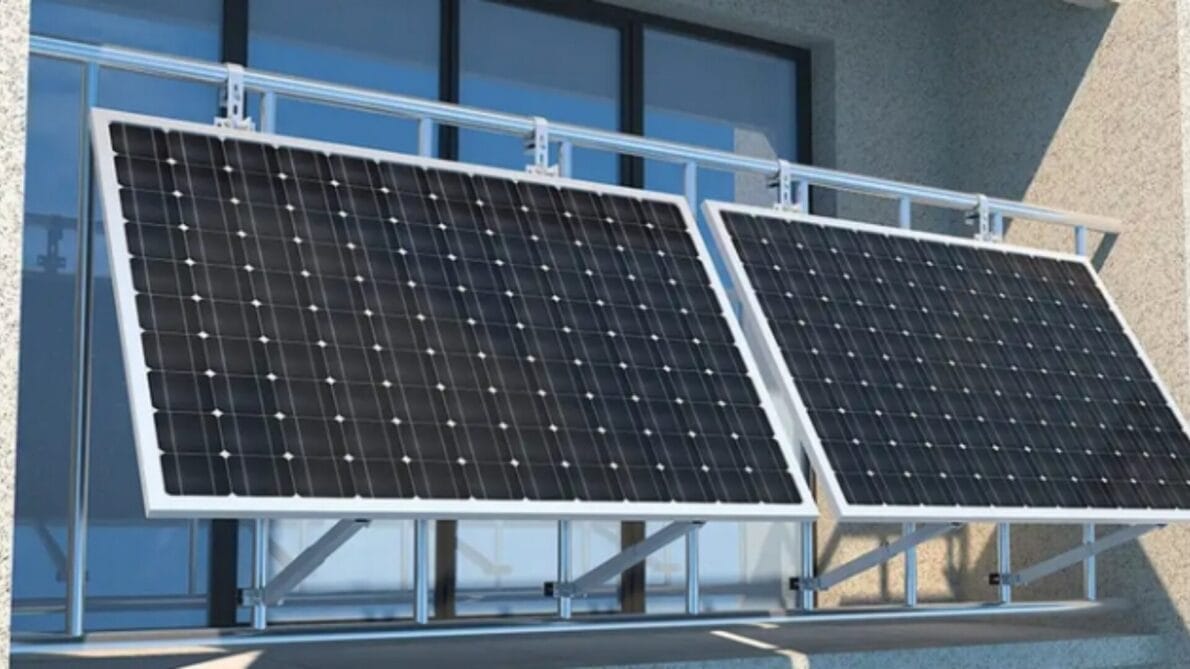
A balcony power plant is a small photovoltaic installation with one or two solar panels that are mounted on a balcony. The main feature is that the electricity generated is fed directly into the home electrical grid, for example, through an outlet on the balcony.
Balcony power plants have become increasingly popular due to their energy efficiency and positive impact. Additionally, their compact size and ease of installation make them an attractive option for those who want to utilize renewable solar energy sources in their home without the need for large spaces or expensive investments.
-
Seagri’s headquarters invests in solar energy with Neoenergia Coelba and promises to cut electricity costs, highlighting a strategic advance in sustainability and energy efficiency within state public administration.
-
A Canadian retiree creates a hydroelectric system on a real river, generating energy continuously throughout the day and demonstrating how the power of water can supply a house with stability even in a simple structure.

-
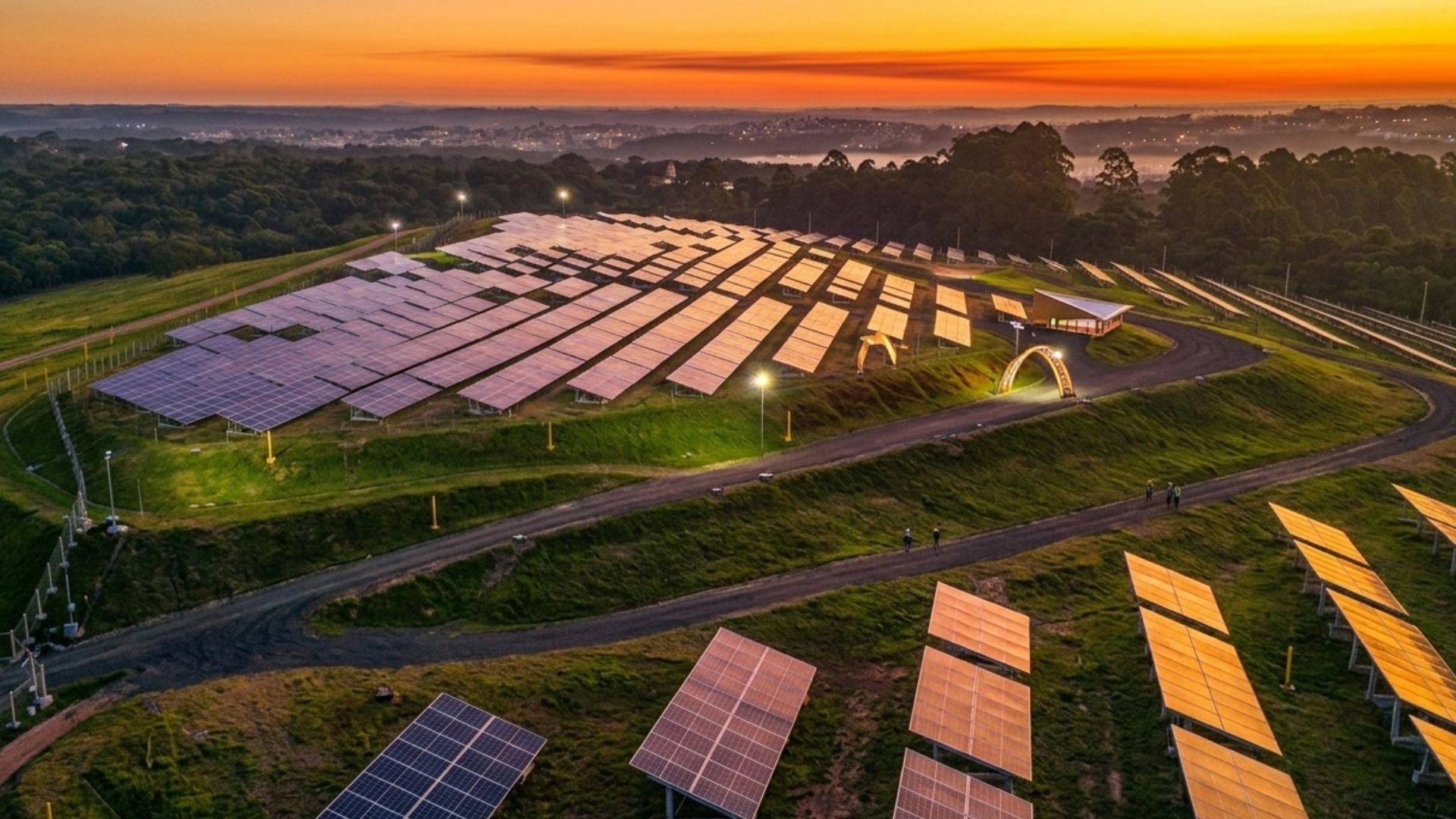
Solar Pyramid draws attention by converting solar energy into million-dollar savings and repositioning the City Hall of Curitiba as an example of innovation, sustainability, and intelligent use of public resources.
-
Petrobras reaffirms its commitment to the market and ensures that it will carry out the energy transition safely to maintain national sovereignty.


The essence of a balcony power plant is (or should be in the future) the simplicity of installation, management, and use. Especially for renters, a balcony power plant is the ideal way to reduce their own electricity costs.
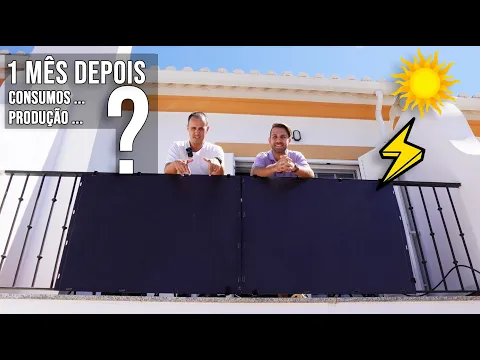

Components of a Solar Power Plant for Balconies
A balcony power plant consists of one or two solar panels, a microinverter, and a connection cable to link the solar plant to the home electrical circuit. Depending on the type of installation, a complete set of balcony power plant may also include a mounting bracket for the railing, facade, or roof, for example, of a garden shed or garage.
Installation of Photovoltaic Power Plants for Balconies
The installation of photovoltaic power plants on balconies can vary according to the type of plant and the characteristics of the balcony. Below are general steps for installing a photovoltaic power plant:
- Balcony Assessment: The first step is to conduct an assessment of the balcony to determine if it is suitable for the installation of a photovoltaic plant. It is necessary to check the orientation of the balcony, the amount of direct sunlight it receives, the size of the balcony, and the structural capacity of the building to support the additional load of the plant.
- Equipment Selection: Once it is determined that the balcony is suitable for installation, the necessary equipment should be selected. This includes solar panels, the inverter, and electrical cables.
- Installation of Solar Panels: The solar panels are typically installed on special brackets designed to keep them in place on the balcony. The brackets are secured to the balcony with screws and anchors to ensure the stability of the panels.
- Installation of the Inverter: The inverter is the component that converts the solar energy generated by the solar panels into usable energy for the home. It is generally installed inside the home, near the electrical meter.
- Electrical Connection: Once the solar panels and the inverter are installed, they are electrically connected to the home’s electrical network. This may require the installation of an automatic transfer switch (ATS) to ensure electrical safety.
It is important to keep in mind that the installation of a photovoltaic power plant on a balcony should be carried out by a professional experienced in this type of installation. Safety requirements and necessary permits from the local authority should also be met before proceeding with the installation.
The costs and installation time may vary depending on the size and complexity of the system, as well
as local requirements. However, balcony power plants are generally more economical than rooftop installations, and the installation time is usually shorter.
Where Does the Electricity Flow?
According to the basic law of physics, electrical energy always follows the path of least resistance. Thus, from the balcony outlet, solar energy is supplied to the next consumer connected to the same phase. If there is no demand, the electrical energy flows through the main meter to the extended network of the house or to the public grid.
However, if there is demand in one of the other phases at the same time, electricity is again drawn from the grid in parallel. Physically, it is not the same electricity. But: electricity meters do not calculate the additional energy. Thus, in balance, the consumer of the second or third phase is supplied with the energy that was injected through the balcony outlet.
So far, the regulations regarding balcony power plants have prohibited meters from running backward. Therefore, grid operators require the installation of non-reversal meters. However, depending on your country, this could change in the future.
Covering standby consumption and saving between 10-15% of electricity costs. This is the goal of purchasing a balcony power plant with a power of 600 W. This corresponds to the use of two modern solar modules in combination with a microinverter.
The speed at which a balcony power plant pays for itself depends on several factors:
- How sunny is the region? What is the orientation of the balcony?
- Is there partial shade?
- What are the backup consumers in the home that need electricity even when no one is home?
- Is there someone at home who can take advantage of especially sunny periods to consume additional electricity (for example, turning on the washing machine)?
- What is the price of electricity?
In summary, the three essential factors for the payback period of a balcony power plant are energy consumption, solar radiation, and electricity price. According to optimistic calculations, the payback period of a balcony power plant varies between five and nine years.










Muito bom e interessante gostaria de saber mais como poderíamos instalar na minha varanda também obgdo.