





 Portuguese
  English
  Spanish
  6 min of reading
  0 comments


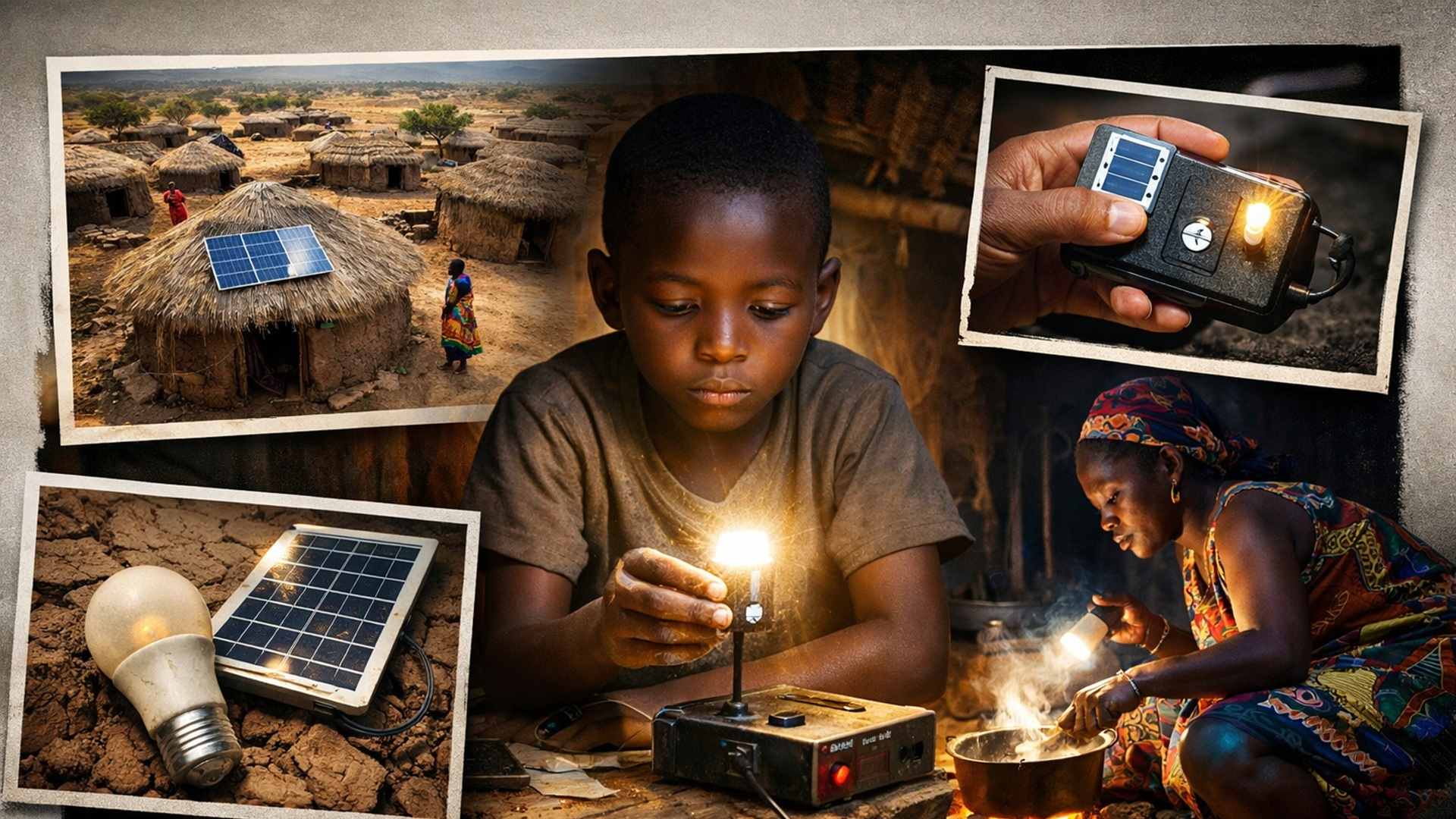
Research Conducted by Scientists with Over 1,000 Families in Malawi Shows That the Expansion of Solar Energy in Off-Grid Regions Still Faces Significant Technical Limitations, as Many Home Systems Produce Only 6 Watts, Considered Inadequate to Provide Broader Energy Services Within Homes
A study conducted by researchers from the University of Michigan analyzed the adoption of solar energy in over 1,000 families in Malawi over two years and identified that the low capacity of home systems limits the available energy services.
The research indicates that the expansion of solar energy in regions with limited access to electricity depends not only on the availability of technology but also on how the systems are implemented and the energy capacity they are able to provide to households.
The work was presented in three scientific papers led by researchers affiliated with the University of Michigan and international partners. The analyses investigated the use of domestic solar technologies in one of the countries with the least access to energy in the world.
-
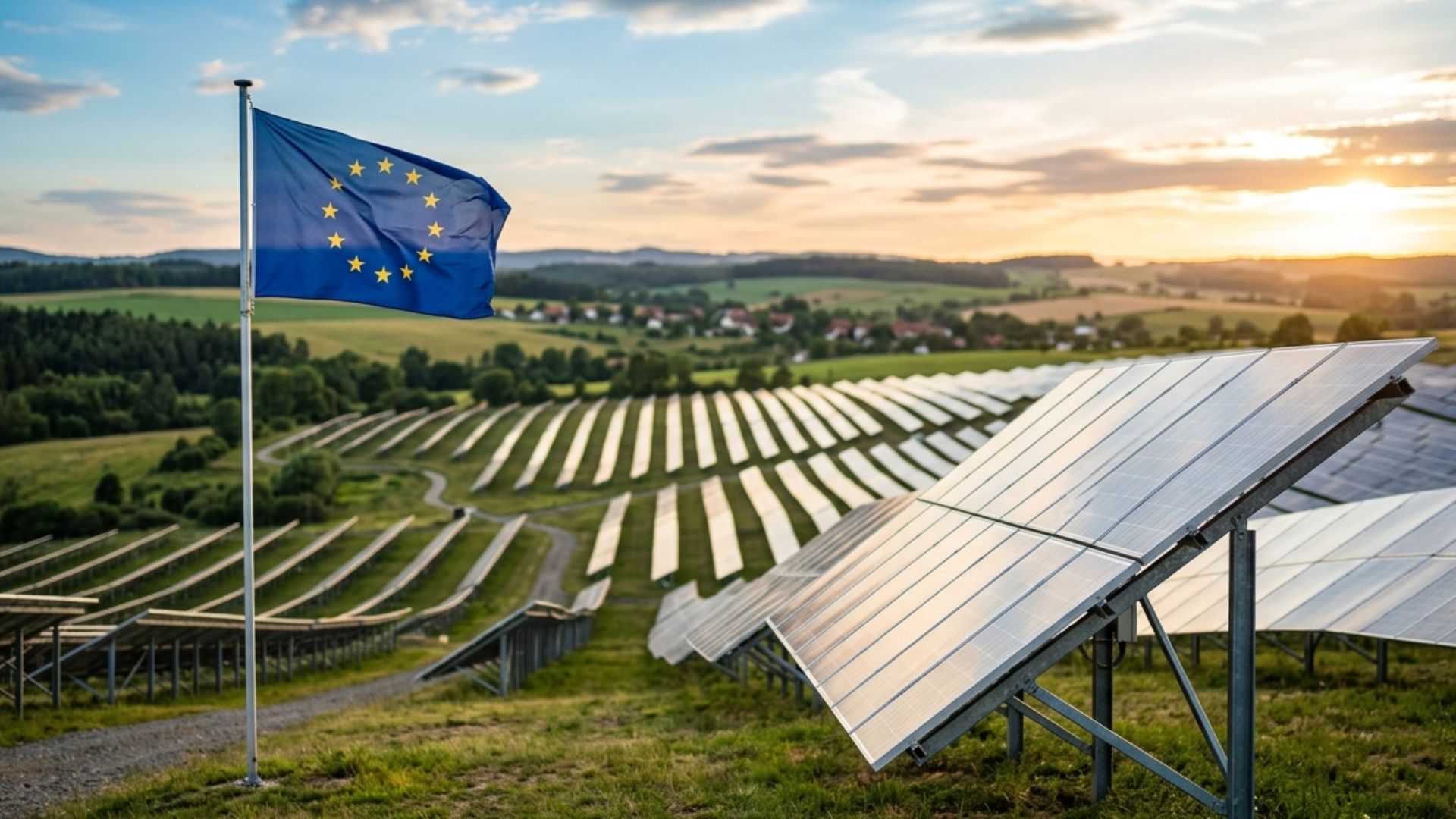
Europe records strong euro economy with solar energy in March and sparks curiosity about which country leads growth that redefines the energy market and reduces costs.
-
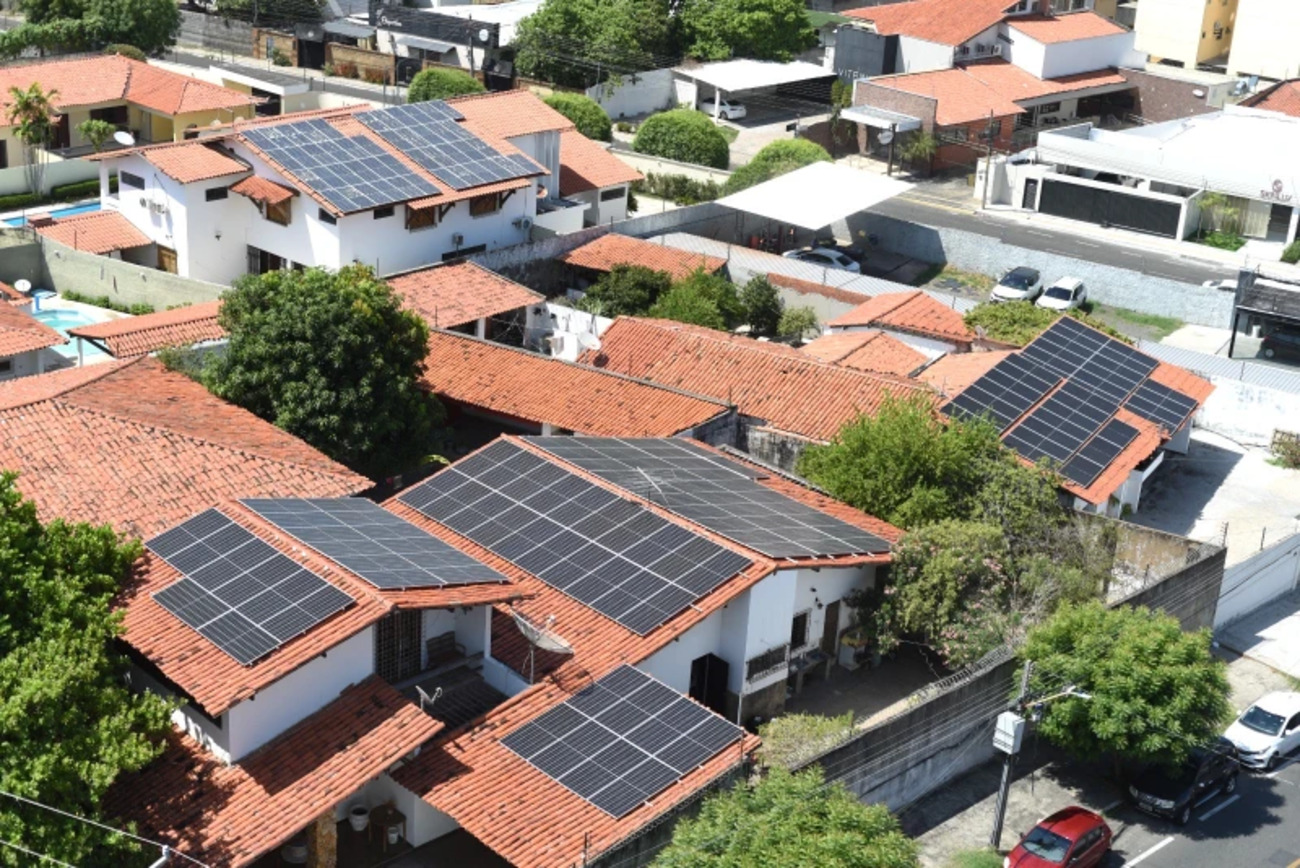
Piauí reaches a historic milestone in energy transition: State records nearly 160,000 households powered by solar energy and leads growth in the Northeast.
-
Argentina debuts its first 100% solar-powered highway and transforms an entire road into a showcase of clean energy.

-
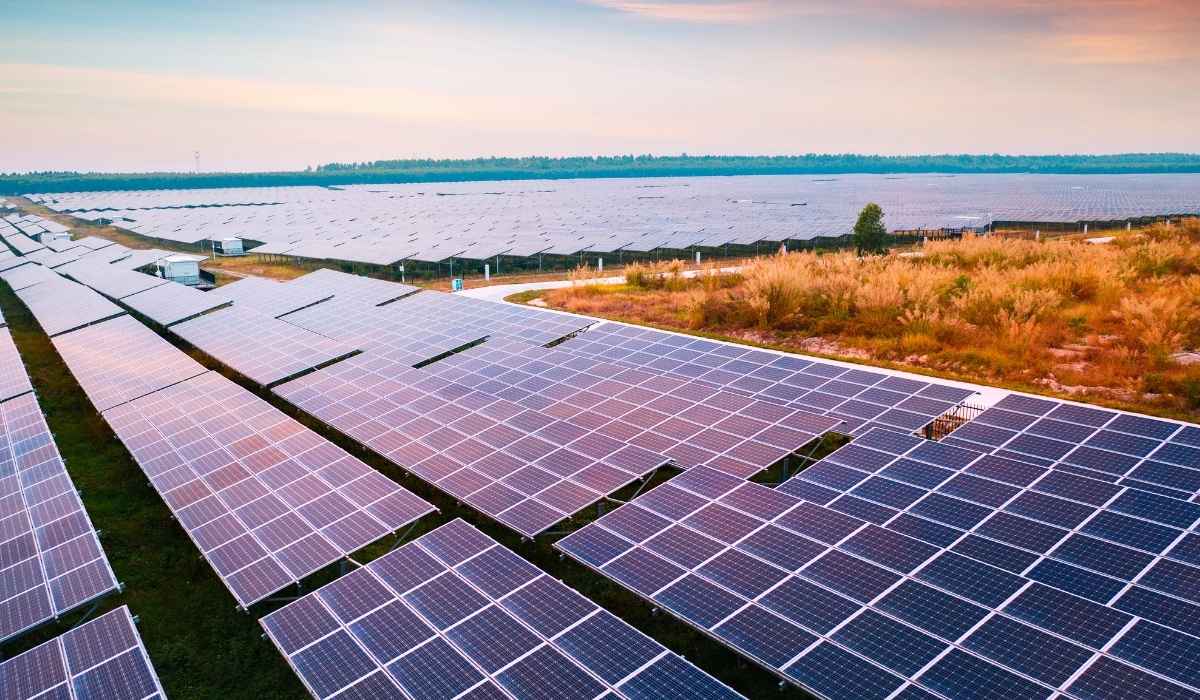
Minas Gerais reaches a historic record and surpasses the power of Itaipu, but network costs generate debate: Understand why solar energy in MG impacts the electricity bill of those without panels.

The results show that, although solar energy is expanding rapidly on the African continent, most installed home systems have limited capacity. This limitation reduces the reach of the energy services offered to families.
According to the researchers, understanding how solar energy is used in the daily lives of these communities is essential for developing more efficient implementation strategies and increasing the social impact of the technology.
Study Analyzed Solar Energy Adoption in Over One Thousand Families in Malawi
The study involved interviews and surveys conducted with more than 1,000 families in Malawi, an African country that has one of the lowest rates of electricity access in the world. The research was carried out over a period of two years.
The investigation was led by Pamela Jagger, a professor at the School for Environment and Sustainability at the University of Michigan. The main objective was to understand how domestic solar energy is being adopted and what energy services it actually provides to households.
The researchers identified that simply making solar energy technologies available does not guarantee that they will be adopted or used in a way that provides meaningful access to energy.
The work also highlighted different barriers to the sustained adoption of solar technology. Among them are the relatively high costs of equipment and the low generation capacity of many systems available for small households.
Despite these limitations, the studies also revealed social and economic benefits associated with the use of solar energy. These results can help guide more effective strategies for implementing the technology in regions facing energy poverty.
Average Capacity of Home Solar Energy Systems Is Only 6 Watts
One of the analyses of the project was conducted by Andrea Mahieu, then a master’s student at the School for Environment and Sustainability at the University of Michigan. The study evaluated the actual power supplied by the home systems used by the surveyed families.
The results showed that the median power of the solar energy devices used in the analyzed households was only 6 watts. This capacity significantly limits the number of devices or activities that can be powered by the systems.
For comparison, data cited in the research indicates that 97% of residential solar panels installed on rooftops in the United States the previous year produced between 400 and 460 watts, according to the EnergySage platform.
According to Pamela Jagger, the rapid expansion of solar energy in Africa may create the impression that the issue of energy access is being resolved quickly. However, the limited capacity of many home systems restricts the energy services available.
She claims that, although the adoption of solar technology is growing at a rapid pace, home systems still provide relatively modest levels of energy compared to other residential solar installations.
Solar Energy Systems Above 50 Watts Provide Broader Benefits
The researchers observed important differences between families with low-power solar systems and those with more robust installations. In Malawi, households with systems of at least 50 watts demonstrated access to more significant energy benefits.
These families were more likely to expand their solar systems with additional components. The increase in energy capacity allowed them to broaden the services provided by solar energy within their homes.
According to the study’s findings, systems above 50 watts enable activities such as cooking at home, using appliances, and extending work or study activities during the night.
However, these higher-capacity systems are still considered uncommon in the analyzed context. Families that had such installations were also among the wealthiest within the surveyed group.
According to Pamela Jagger, truly significant energy services rely on systems with capacities greater than 50 watts. To effectively expand access to energy, she says it will be necessary to find ways to offer more powerful solar systems.
Use of Solar Energy to Charge Cell Phones Dominates Homes
Another study within the research investigated how families utilize the solar energy available in their home systems. The analysis was led by Ryan McCord, a PhD student at Duke University.
The researchers identified that the most common use of solar energy in households in Malawi is charging cell phones.
Devices are widely used in homes and play a central role in communication and accessing services.
More than 90% of households in the country have cell phones. However, only 6% of rural households have access to conventional electricity.
Without access to the power grid, many residents must walk for hours to commercial centers to charge their cell phones.
In these locations, they typically pay for the recharging service.
The presence of solar energy at home allows them to avoid these trips and costs. Thus, even low-power solar systems can generate significant time and monetary savings for families.
The researchers also observed another common use of domestic solar energy. Many households utilize their limited energy to illuminate outdoor lights at night, seeking to enhance safety around their homes.
Solar Energy Is Also Associated With An Increase in Mobile Money Usage
A third study of the project investigated potential indirect impacts of the adoption of solar energy in the analyzed communities. This analysis was conducted by Congyi Dai, a PhD student at the School for Environment and Sustainability at the University of Michigan.
During the work, Dai observed that families with access to solar energy seemed to use mobile money systems more frequently. These services allow users to send and receive payments through apps accessed on their cell phones.
This type of technology is particularly relevant in regions with few formal banking services. The use of mobile money can enhance financial inclusion and offer new forms of savings for families.
The researchers emphasize that many studies on solar energy focus only on the direct benefits of home electrification. Among these benefits are the possibility of operating small businesses or using appliances.
However, the team claims that the adoption of solar energy can generate broader effects. Some of these benefits may be more subtle and are not yet fully captured by traditional research.
Researchers Highlight the Early Stage of Solar Energy in Malawi
Despite the growth in the adoption of domestic solar technologies, the researchers state that the implementation of solar energy in Malawi is still in its early stages.
According to Pamela Jagger, the current reality is still far from the possibilities that researchers envision for the future of energy access in these regions.
The advancement of research in this field faces uncertainties following cuts to the National Science Foundation program that supported the work. The program was suspended during the Trump administration.
Even so, Jagger asserts that the private sector will likely continue to seek solutions to technical and implementation challenges related to solar energy. According to her, there are economic opportunities associated with solving these problems.
She also highlights the importance of international collaboration for training, innovation, and building research networks. For the researcher, reducing these opportunities could have impacts beyond the scientific community.
Jagger adds that projections indicate that by 2100, about a quarter of the world’s population will live in Sub-Saharan Africa. In this context, she asserts that engagement with the region has economic, business, and strategic relevance.
In addition to researchers from the University of Michigan and Duke University, the project involved collaboration from scientists at the University of North Carolina, Harvard University, and the Lilongwe University of Agriculture and Natural Resources in Malawi.








Seja o primeiro a reagir!