





 Portuguese
  English
  Spanish
  5 min of reading
  13 comments


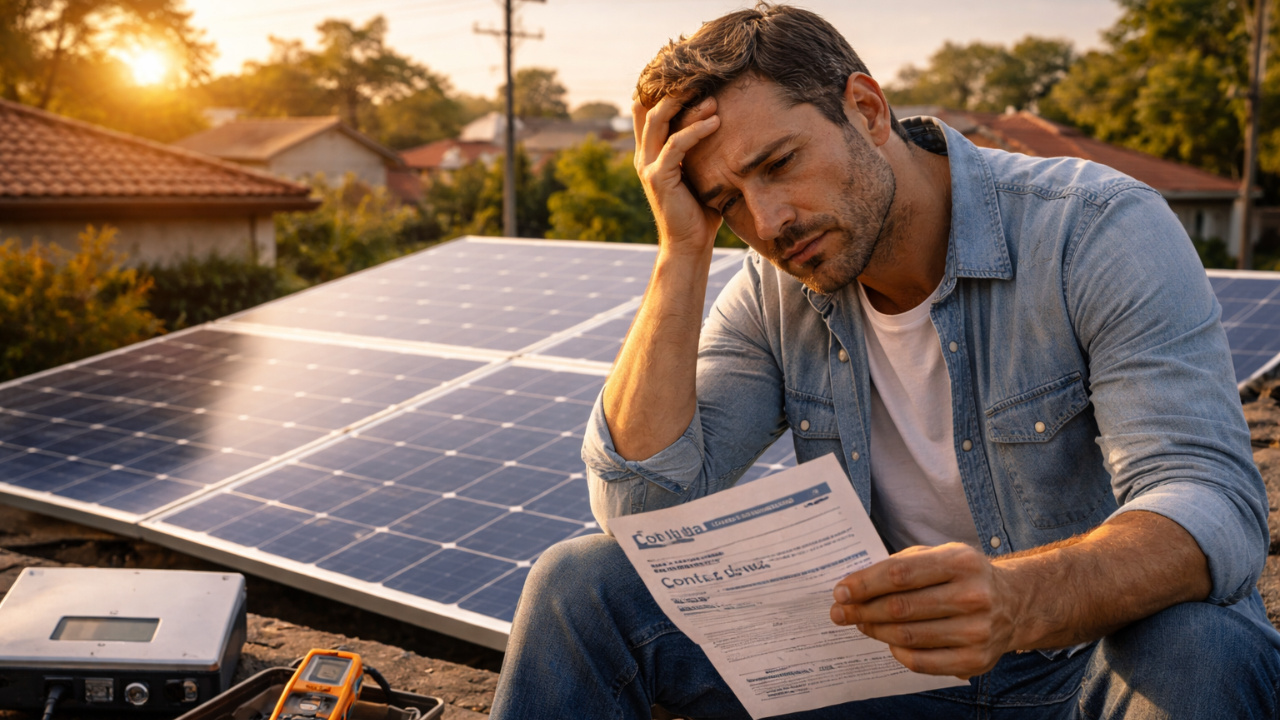


Starting in 2026, Solar Energy in Brazil Will Experience a Reduction in Credits on Electricity Bills with the Increase of the Fio B Charge, Foreseen in the Legal Framework for Distributed Generation.
Solar energy generation in Brazil will undergo a significant change starting January 2026. Consumers who installed photovoltaic systems approved after January 7, 2023, will feel a direct impact on the cost of their generation. This change results from the advancement of the schedule outlined in Law 14.300/2022, known as the Legal Framework for Distributed Generation.
The primary change is the gradual increase in the charge for the so-called Fio B, one of the components of the electricity distribution tariff. In practice, this charge reduces the amount of credits that the consumer-generator can offset against their electricity bill when injecting excess energy into the grid.
What Changes in the Calculation of Solar Energy Credits in 2026
Until 2025, consumers subject to the transition rules could still offset 55% of the amount pertaining to the Fio B. Starting in 2026, this percentage drops to 40%. This means that 60% of this tariff component will no longer be deducted from the credits generated by solar energy.
-
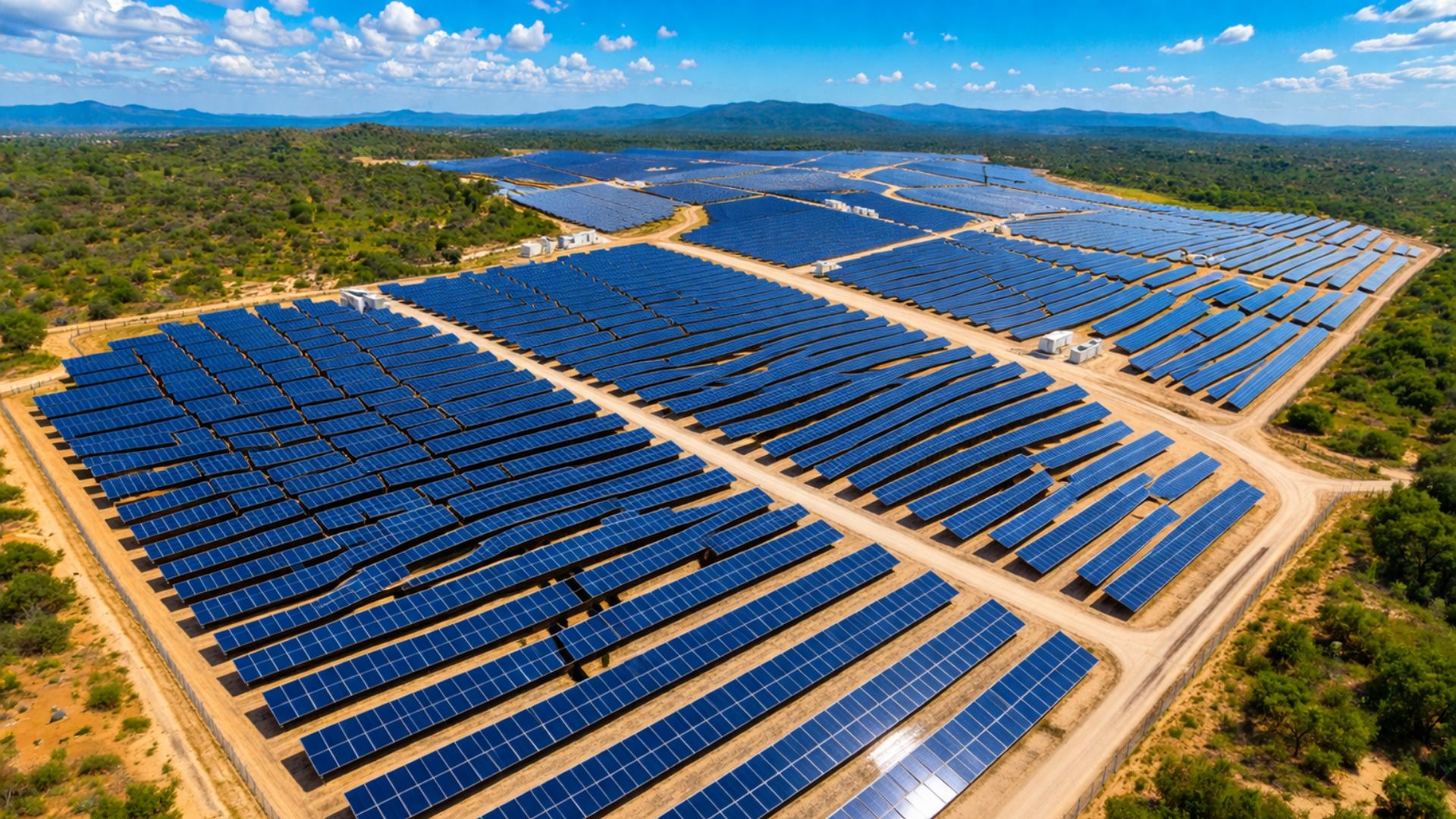
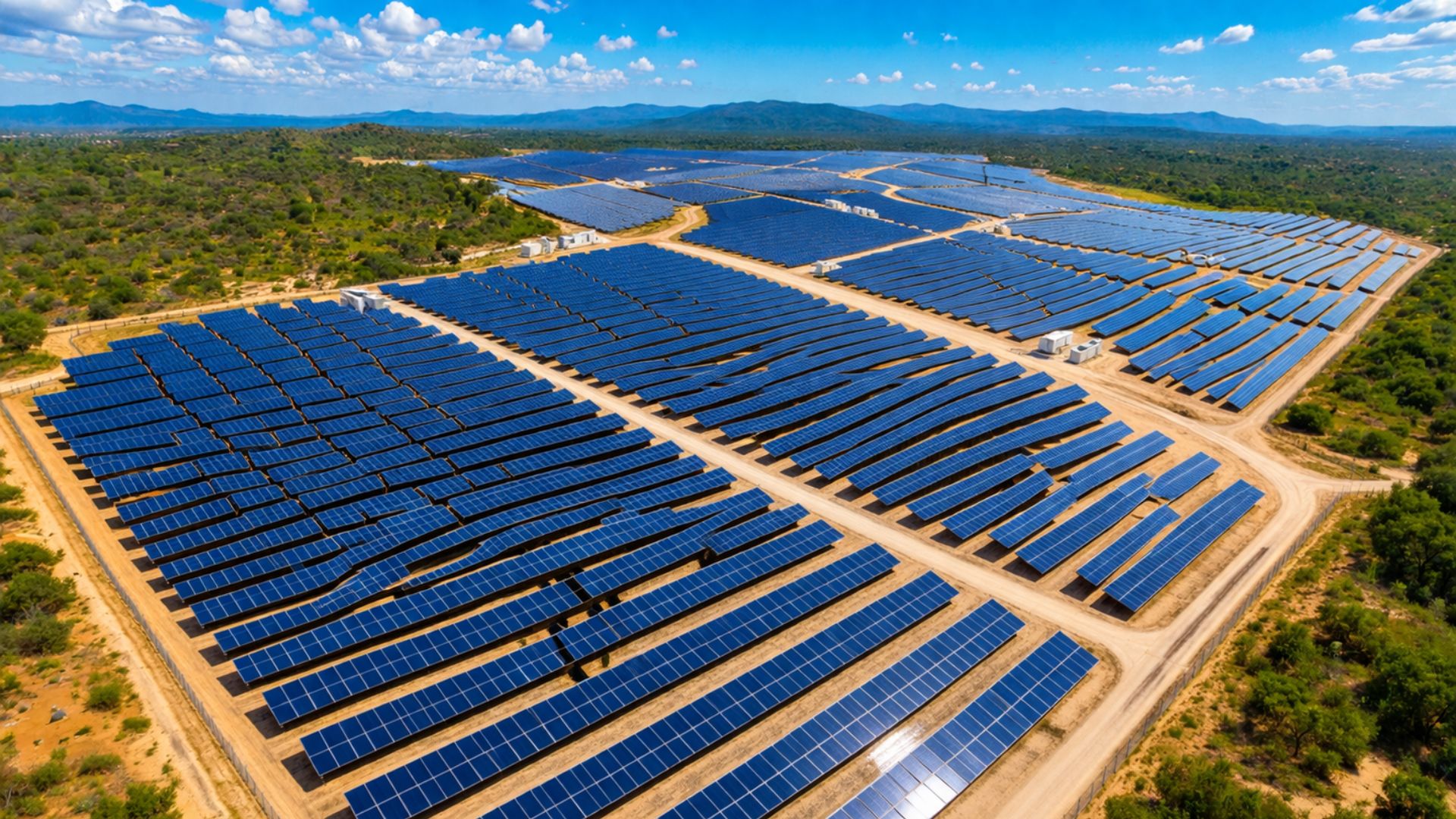
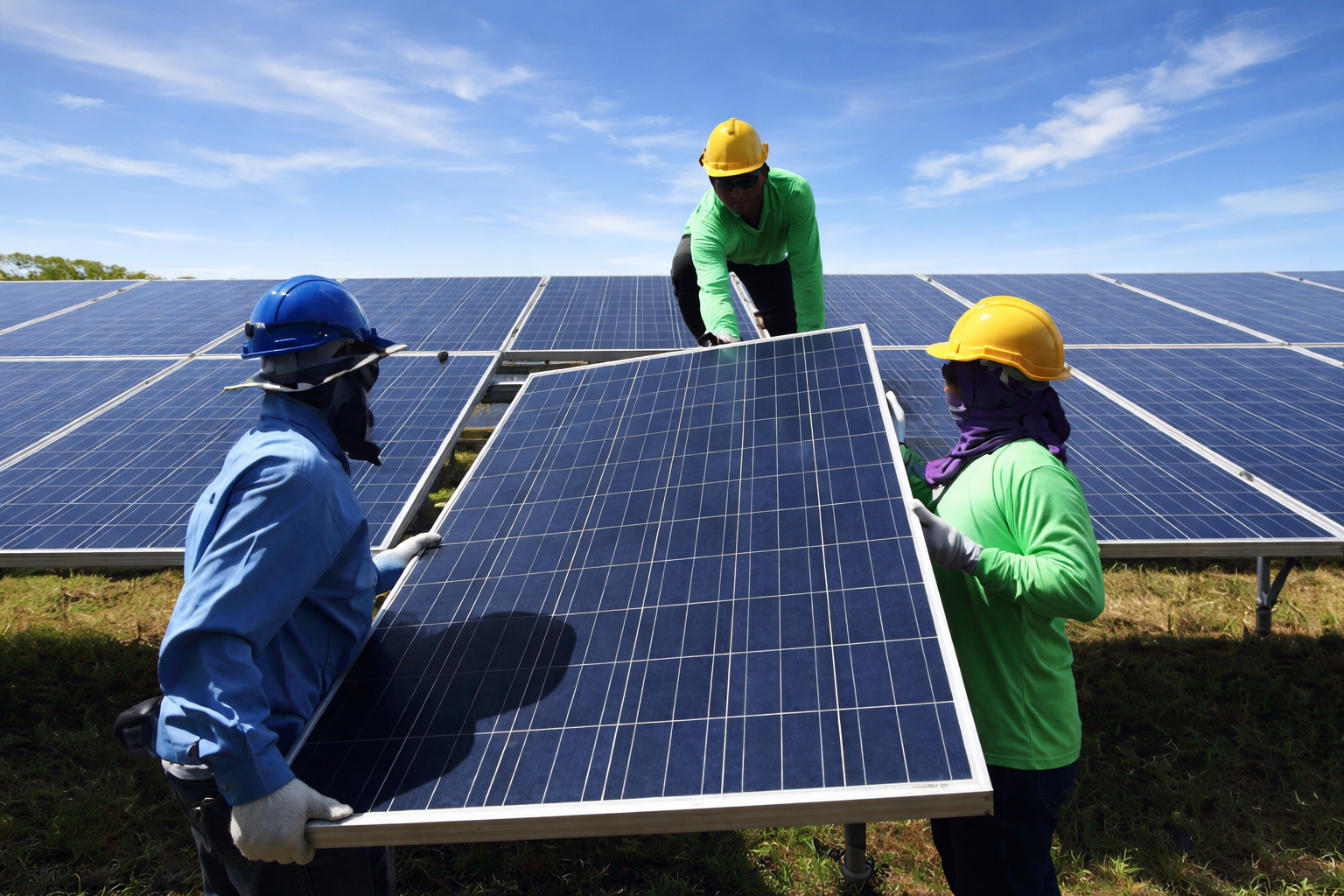
The Sol do Agreste Photovoltaic Complex begins operations in Pernambuco and accelerates the expansion of solar energy in Brazil, directly impacting the reduction of emissions and strengthening the sustainable energy matrix.

-
The Sol do Agreste Photovoltaic Complex begins operations in Pernambuco and accelerates the expansion of solar energy in Brazil, directly impacting the reduction of emissions and strengthening the sustainable energy matrix.
-
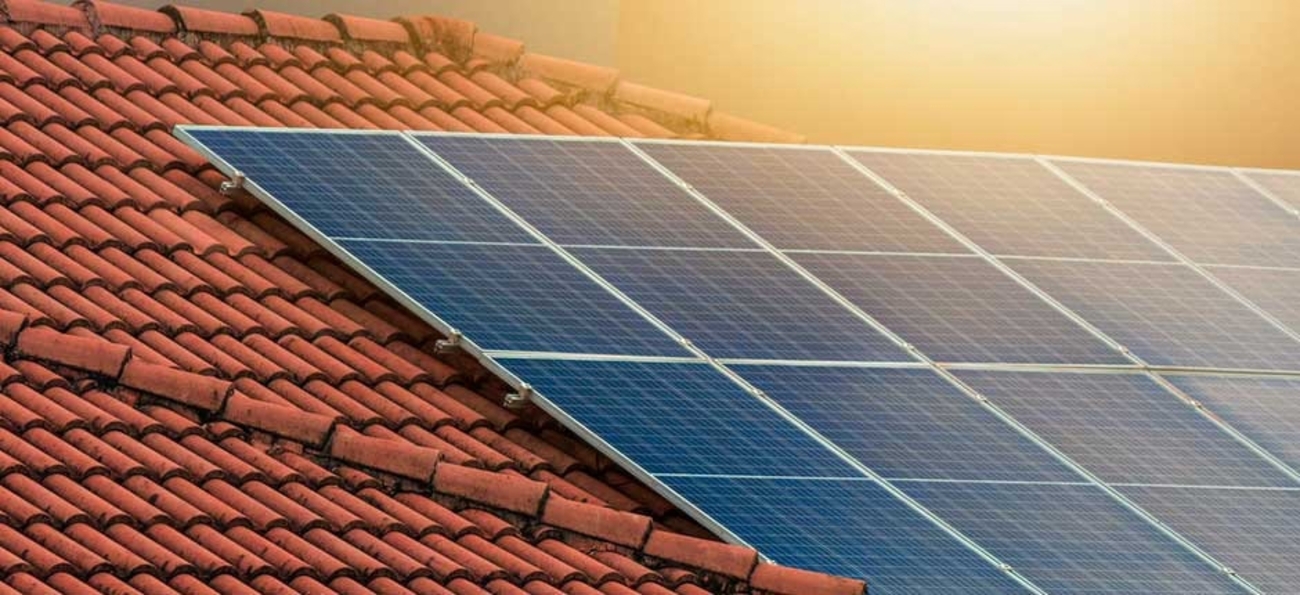
Roraima bets on the sun to escape high tariffs: Amid the energy crisis and price hikes, solar energy is growing in Roraima and transforming consumption in the North region.

-
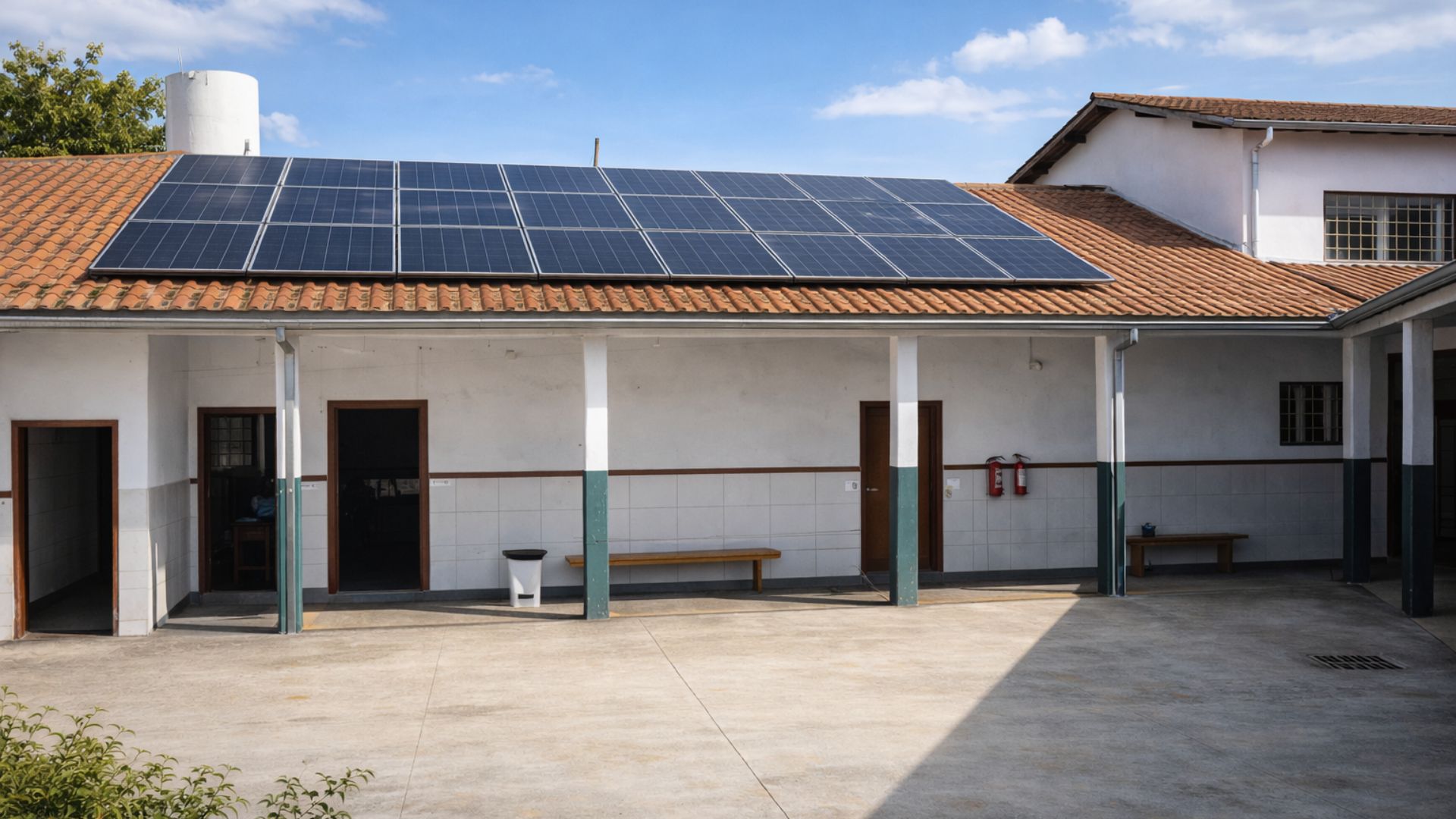
Copel boosts solar energy in Paraná and brings innovation to public schools, promoting savings on electricity bills, energy efficiency, and a direct impact on the quality of education.

In practice, the energy injected into the grid will continue to be accounted for, but part of the value that previously returned entirely as credit will now be charged. The result is a direct reduction in the monthly savings obtained from the photovoltaic system.
This change does not represent the creation of a new fee, but rather the gradual removal of a benefit that has existed since the initial expansion of distributed generation in the country.
Understand What Fio B Is and Why It Affects the Electricity Bill
The Fio B is a part of the System Usage Tariff (TUSD). It exists to compensate electricity distribution companies for the use of the physical infrastructure of the grid. This cost includes poles, cables, transformers, maintenance, operation, and expansion of the electrical system.
This amount has always been paid by all consumers connected to the grid. The difference is that, for those generating solar energy and injecting excess, the Fio B was almost entirely compensated as an incentive for distributed generation.
With the new legal framework, the government defined that this subsidy would be gradually reduced. The declared goal is to balance the cost of the grid between consumers who generate their own energy and those who rely solely on the distributor.
Financial Impact Varies by Electricity Distributor
The impact of the new charge will not be uniform across the country. The value of the Fio B depends on the local distributor, such as CPFL, Enel, Cemig, Equatorial, or Neoenergia. Each company has specific tariffs approved by the National Electric Energy Agency (ANEEL).
A practical example helps to illustrate the effect. In the concession area of CPFL Paulista, by injecting 1,000 kWh of solar energy into the grid, the consumer stops receiving about R$ 123.90 in credits solely due to the 60% of the Fio B that will no longer be compensable in 2026.
Over a year, this accumulated amount can significantly reduce the expected savings from the solar project, extending the payback period for the initial investment made in panels, inverters, and structure.
Who Is Protected from the New Fio B Charge
Not all solar energy consumers will be affected by the changes starting in 2026. Those who had their systems approved before January 7, 2023, remain subject to the rule of acquired rights.
These consumers maintain full compensation of the tariffs, including the Fio B, until the year 2045. In practice, they remain almost exempt from this charge for over two decades, preserving the economic conditions that motivated the original investment.
Systems approved after this date will follow the transition schedule defined by the law, with a gradual increase in the charge in the following years.
Escalation of Charges Already Has Set Dates
The schedule outlined in the Legal Framework for Distributed Generation establishes that the charge for the Fio B will continue to increase after 2026. In 2027, the non-compensable percentage rises to 75%. In 2028, it reaches 90%.
Starting in 2029, the sector is expected to operate under a new compensation model, which has not yet been fully defined by regulatory agencies. This uncertainty has caused concern among consumers, integrators, and investors in the solar sector.
Price Drop of Equipment Does Not Alleviate Concerns
Even with the reduction in the costs of photovoltaic equipment, the regulatory landscape has weighed more heavily than the price of hardware. In January 2026, TOPCon solar modules are traded at around US$ 0.088 per watt, while N-Type cells cost about US$ 0.032 per watt, values considered competitive in the international market.
Despite this, the main challenge for new solar energy projects is not the cost of the panels but the predictability of the rules for compensating the excess energy. Without regulatory clarity, the calculation of financial feasibility becomes more complex.
Regulatory Uncertainties After 2029 Worry the Sector
ANEEL has not yet completed the regulation that will define how the excess energy generated by solar energy systems will be valued starting in 2029. Furthermore, strategic guidelines that were supposed to have been published by the National Council for Energy Policy (CNPE) remain delayed.
Currently, Public Consultation No. 23/2025 is underway. The process seeks to gather technical and economic contributions to define the new compensation model for distributed generation. The expectation is that the public consultation will conclude only in March 2026.
Until then, the sector remains in a waiting pattern, facing difficulties in planning medium- and long-term investments.
A Simple Analogy Helps to Understand the Change
To facilitate the understanding of the new charge, experts often compare the electric grid to a toll road. At the beginning of solar energy expansion, those producing their own electricity could travel for free, as an incentive.
Now, toll booths are beginning to be installed. The toll, represented by the Fio B, becomes more expensive each year. The logic is that, in the future, all users of the grid will pay a proportional amount for using the infrastructure, including those generating solar energy.
In this scenario, solar energy remains a relevant alternative in Brazil, but it starts to require more detailed planning, especially for projects coming online from 2026, when the new phase of the legal framework begins to significantly impact electricity bills.





Tem uma galera falando besteria de governo X ou Y, mas omitem que a lei é de 2022 (Lei 14.300/2022). Sejam, no mínimo, honestos.
É **** viu.
Fuja desse país o quanto antes, nunca vi um governo pra tirar tanto do povo quanto esse.
É o governo do amor, amor de **** custa caro. Nós brasileiros temos tudo que merecemos, sempre preferimos escolher a **** do que os olhos.
Lei 14.300/2022. 2022 ****!