






 Portuguese
  Spanish
  5 min of reading
  0 comments


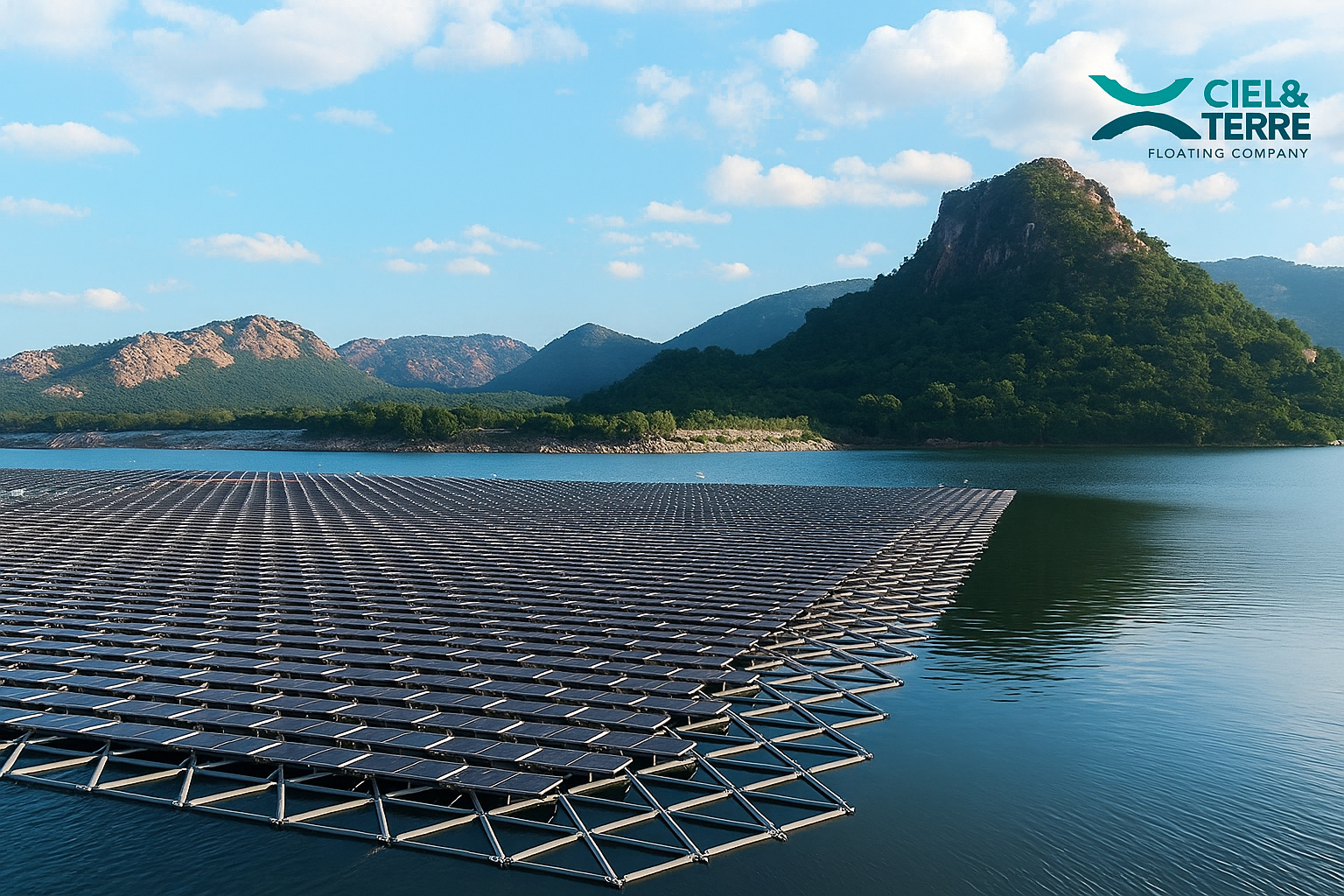
Discover How Floating Solar Energy Gains Modular, Efficient and Sustainable Design, Transforming Bodies of Water into Safe Sources of Clean Electricity.
In recent years, solar energy has established itself as one of the main alternatives for the global energy transition.
Moreover, the need to reduce carbon emissions and diversify the energy matrix has led to the search for more efficient, flexible, and sustainable solutions.
In this context, floating solar energy gains innovative design, bringing together technology, engineering, and environmental awareness in systems that utilize bodies of water to intelligently generate electricity.
-
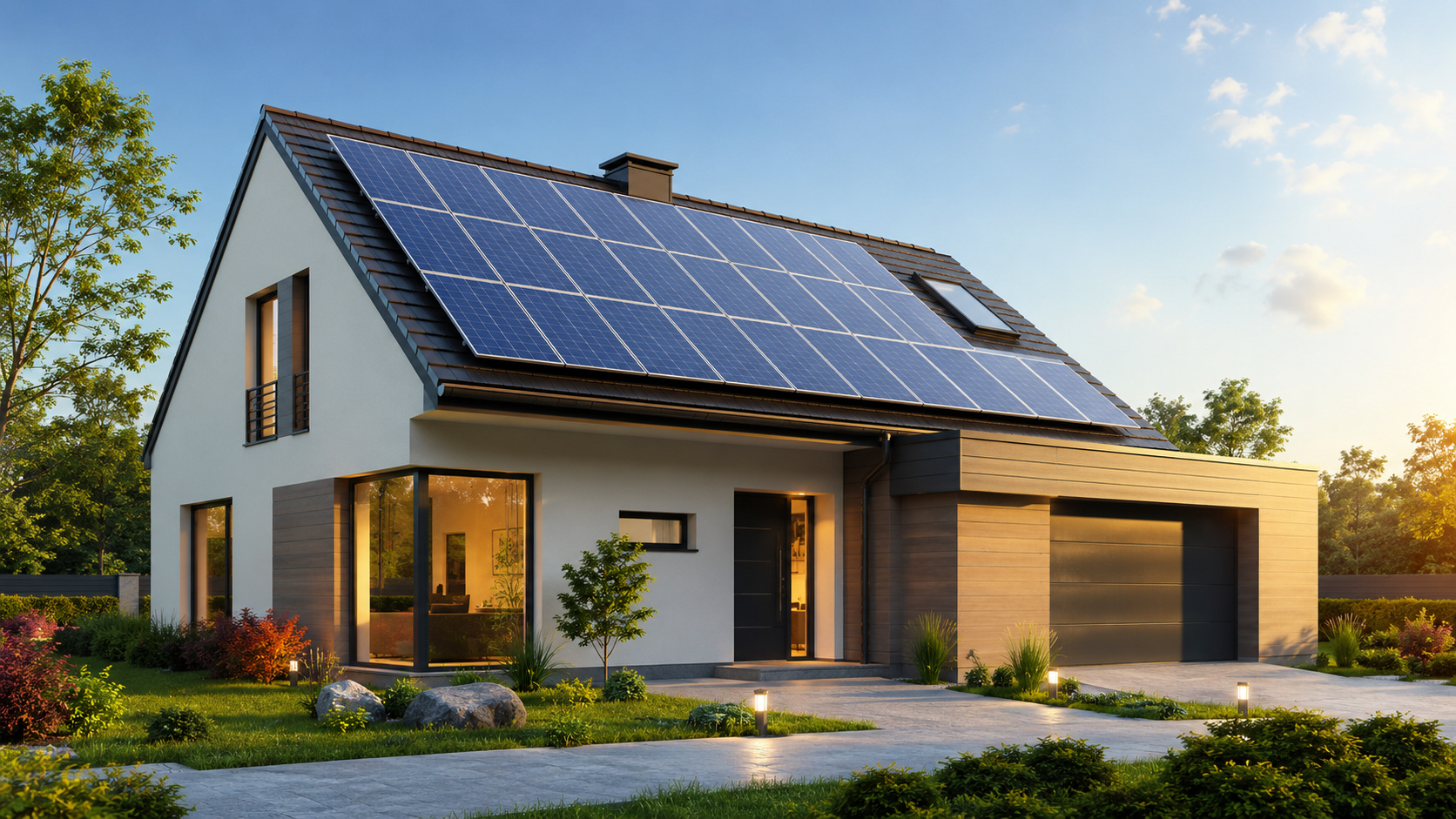
Solar energy can increase property value by up to 10% and become a selling point.

-
Solar and wind energy surpass natural gas for the first time in the world and accelerate energy revolution

-
Africa has about 500,000 cell towers and most still burn diesel to operate, while companies rush to cover antennas with solar energy and avoid signal blackouts.
-
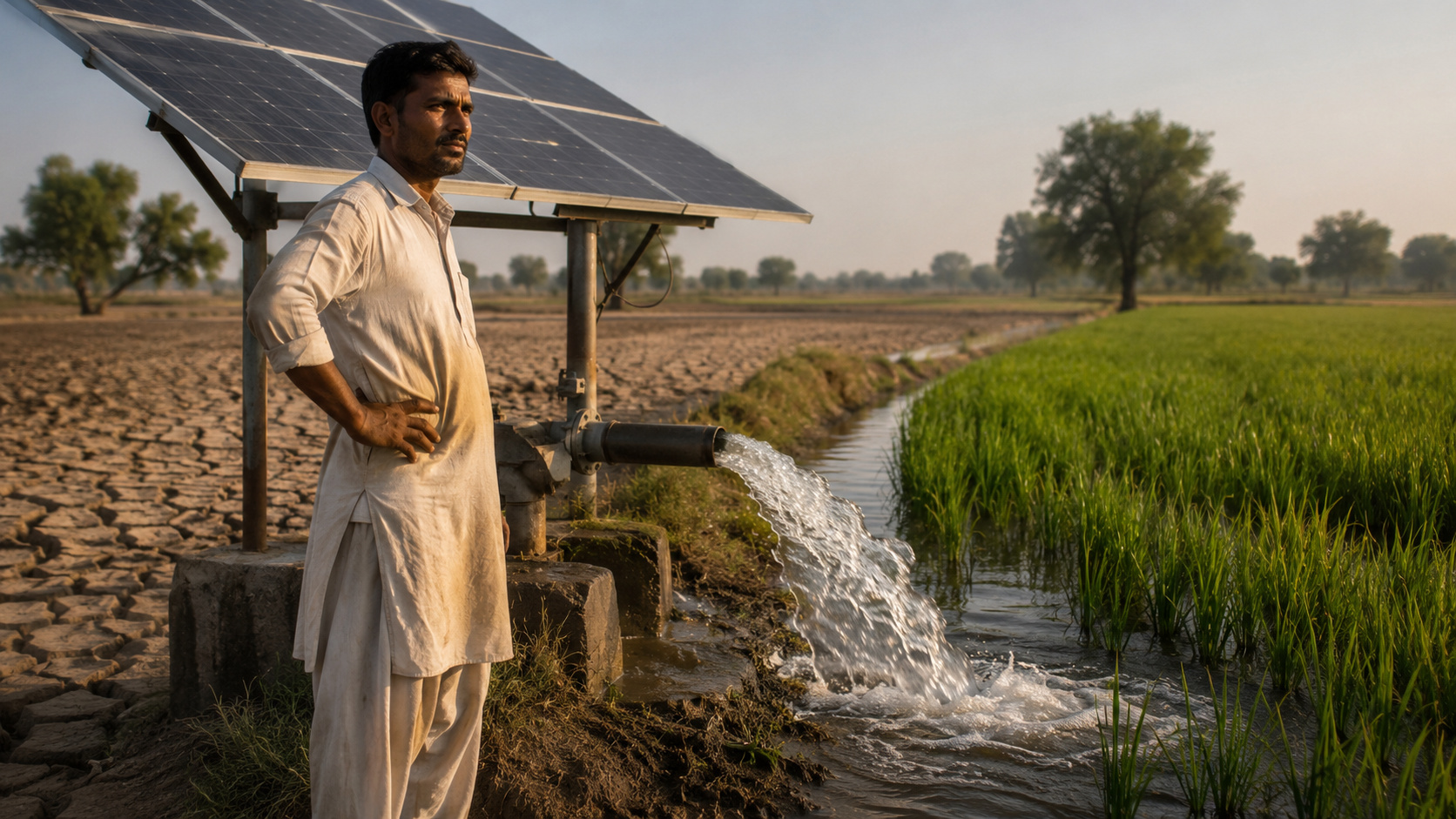
Farmers swapped diesel for solar panels in Pakistan, powered irrigation pumps almost cost-free, expanded rice fields, and now groundwater has become a red alert in the countryside.


Historically, solar energy dates back to the 19th century, when scientists began to explore the photovoltaic effect, converting light into electricity.
However, only at the end of the 20th century, with the reduction in the cost of solar panels and the increase in the efficiency of photovoltaic cells, did solar energy become economically viable.
During this period, the use of land always posed a challenge.
Therefore, the need for large areas to install photovoltaic panels competed with agriculture, urbanization, and environmental preservation.
As a result, the idea of installing panels over water emerged as a clever response to these limitations, paving the way for a new form of integration between technology and the environment.
Furthermore, France, with a tradition of technological innovation, stands out in the development of floating solar systems.
For example, the company Ciel & Terre has accumulated over 15 years of experience in the sector and transformed this expertise into a modular solution called Fusio.
Thus, the system represents a significant advancement: more robust, flexible, and efficient, adapting to different bodies of water, from rural ponds to urban reservoirs.
Indeed, the evolution of floating solar energy technology aligns with global sustainability trends, such as circular economy and resource optimization.
Consequently, by placing panels over water, agricultural land and natural areas are preserved, promoting a balance between energy generation and environmental conservation.
Therefore, this historical perspective shows how technological innovation can address social, economic, and ecological challenges simultaneously.
Modular Design Inspired by Nature
The Fusio stands out for its modular design inspired by natural geometry, featuring triangular and hexagonal structures similar to honeycombs.
Moreover, this design is not just aesthetic but functional.
It better distributes loads, increases resistance to wind and waves, and allows natural ventilation for the photovoltaic modules.
Studies conducted by the CEA (French Atomic Energy Commission) indicate that this passive ventilation can increase energy efficiency by up to 2% in hot regions.
Therefore, in large-scale plants, this gain becomes decisive for the project’s profitability.
Additionally, the evolution of floating solar design also shows concern for installation and maintenance.
While previous systems required large teams and complex equipment, making the process slow and costly, the Fusio allows teams to assemble the plant with reduced equipment and in less time.
Furthermore, floating maintenance takes inspiration from catamaran navigation, enabling technicians to move over the plant without stepping on the panels, ensuring safety and efficiency in system care.
The environmental impact has also been factored into the new design.
As a result, the reduction of surface area occupied by floats protects aquatic ecosystems, preserving local biodiversity.
Each square meter not utilized by floats becomes available space for flora and fauna, ensuring balance between energy production and environmental preservation.
Pilot Projects and Global Expansion
Pilot projects clearly demonstrate the viability of this technology.
In 2022, the company completed the first 100 kWp installation of the Fusio in India.
Currently, a 4.3 MWp plant is under construction in the same country, with completion expected in 2025.
Additionally, in Europe, Belgium is receiving investments from the European Commission’s Innovation Fund to test the technology in densely populated areas where land is scarce.
These examples prove that floating solar energy design is not just a technological promise but a reality expanding globally.
The benefits of this installation go beyond electricity generation.
By floating on water, solar energy reduces the evaporation of reservoirs, controls water temperature, and limits algae proliferation.
Furthermore, it allows the use of existing infrastructures, such as dams and quarries, without occupying new land areas.
Thus, this characteristic is particularly valuable in urban or rural regions with limited access to the power grid, allowing for energy self-consumption and strengthening local energy independence.
Historically, each innovation in solar energy faced challenges of technological adaptation, regulation, and cost.
However, modular systems like the Fusio benefit from clear standards and institutional support.
This way, modularity facilitates the gradual expansion of plants and allows the utilization of different body of water shapes without major structural interventions.
Thus, floating solar energy becomes an adaptable solution to various economic and environmental contexts.
Additionally, the adoption of floating systems stimulates the development of local production chains.
Float manufacturers, installers, and specialized technicians find job and training opportunities, strengthening regional economies and creating positive effects in communities near bodies of water.
Therefore, this social aspect reinforces the value of floating solar energy as a sustainable development tool.
Environmental, Economic, and Cultural Impact
Floating solar energy design also transforms the perception of water and space usage.
Previously regarded only as a resource for human consumption and agriculture, water now serves as a support for clean energy generation, increasing land efficiency without compromising other essential uses.
In this way, this integrated approach reinforces that technological innovation and sustainability go hand in hand.
Another relevant aspect is the economic potential.
Rapid installation, simplified maintenance, and prolonged durability make the investment more predictable and profitable.
Therefore, companies and governments adopting this technology reduce operational costs, increase renewable energy production, and consistently meet emission reduction targets.
This way, in times of climate crisis, these solutions offer tangible advantages, promoting balance between economic development and environmental preservation.
The future of floating solar energy depends on international expansion and local adaptation.
Countries with abundant water availability, such as India and Southeast Asian nations, present significant growth potential, while Europe and North America view the sector as an opportunity for energy diversification.
Moreover, the integration with public incentive policies, innovation funds, and sustainability programs can further accelerate the global adoption of this technology.






Be the first to react!