





 English
  Francês
  Alemão
  Italiano
  Japonês
  Norueguês
  Portuguese
  Spanish
  6 min of reading
  0 comments


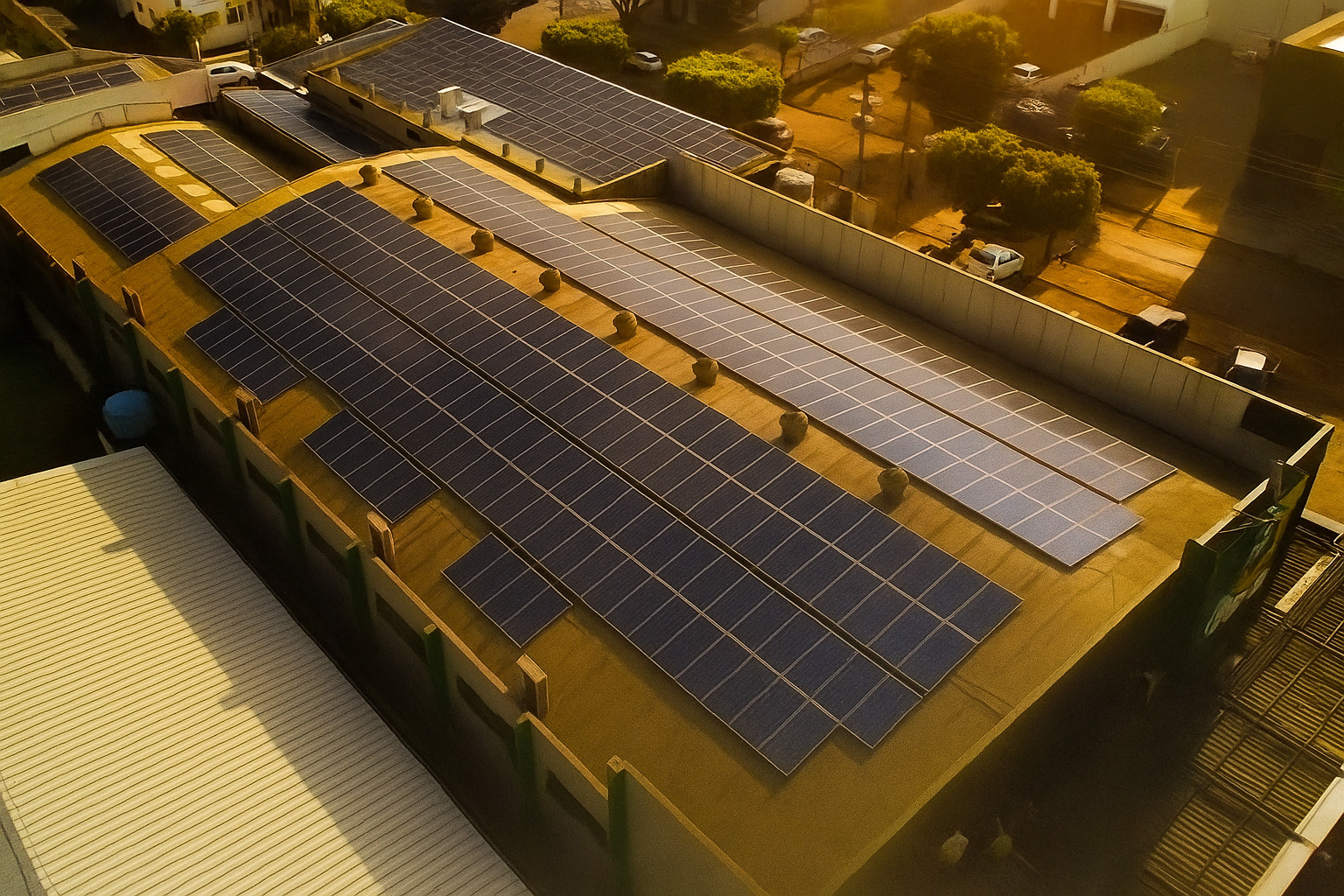
Discover How Solar Energy Is Gaining Prominence in the Supermarket Retail Sector, Bringing Efficiency, Savings, and Sustainability to the Sector.
The supermarket sector heavily depends on electricity. In fact, from constant refrigeration to uninterrupted lighting. Supermarkets need electricity 24 hours a day to preserve products and ensure consumer safety.
Furthermore, in recent years, due to frequent tariff increases and the growing demand for sustainable practices, solar energy is gaining prominence as a strategic and economic alternative for the sector.
Historically, Brazil began to use solar energy cautiously in the 1980s, mainly in residential and rural projects.
-
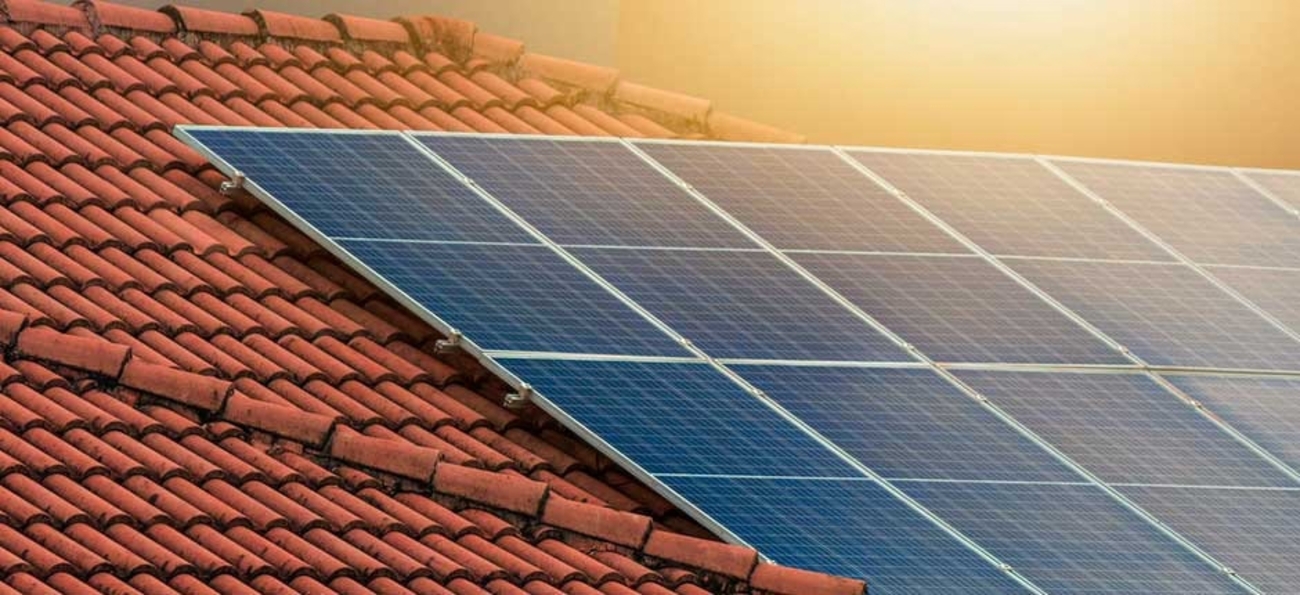
Roraima bets on the sun to escape high tariffs: Amid the energy crisis and price hikes, solar energy is growing in Roraima and transforming consumption in the North region.
-
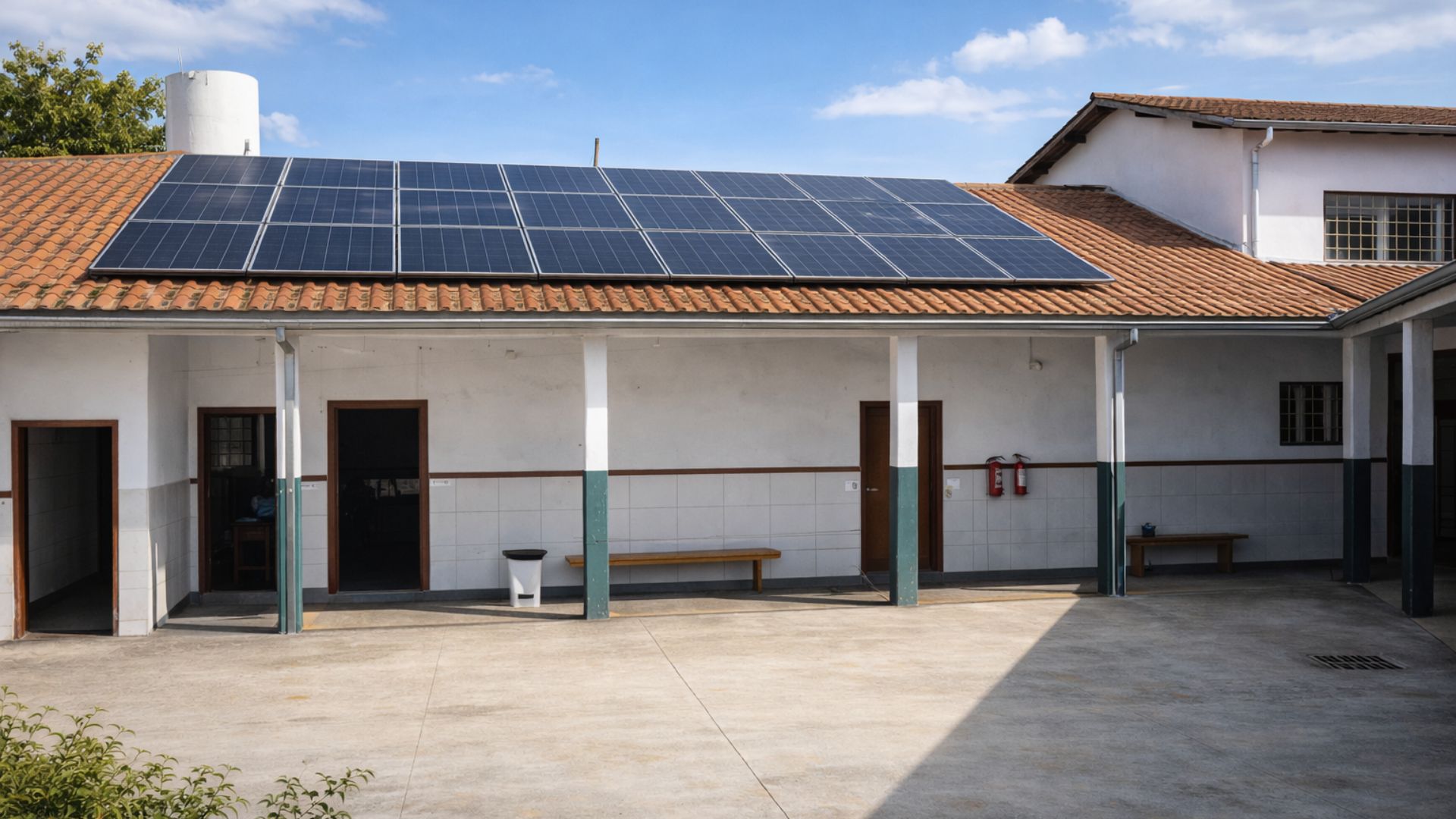
Copel boosts solar energy in Paraná and brings innovation to public schools, promoting savings on electricity bills, energy efficiency, and a direct impact on the quality of education.
-
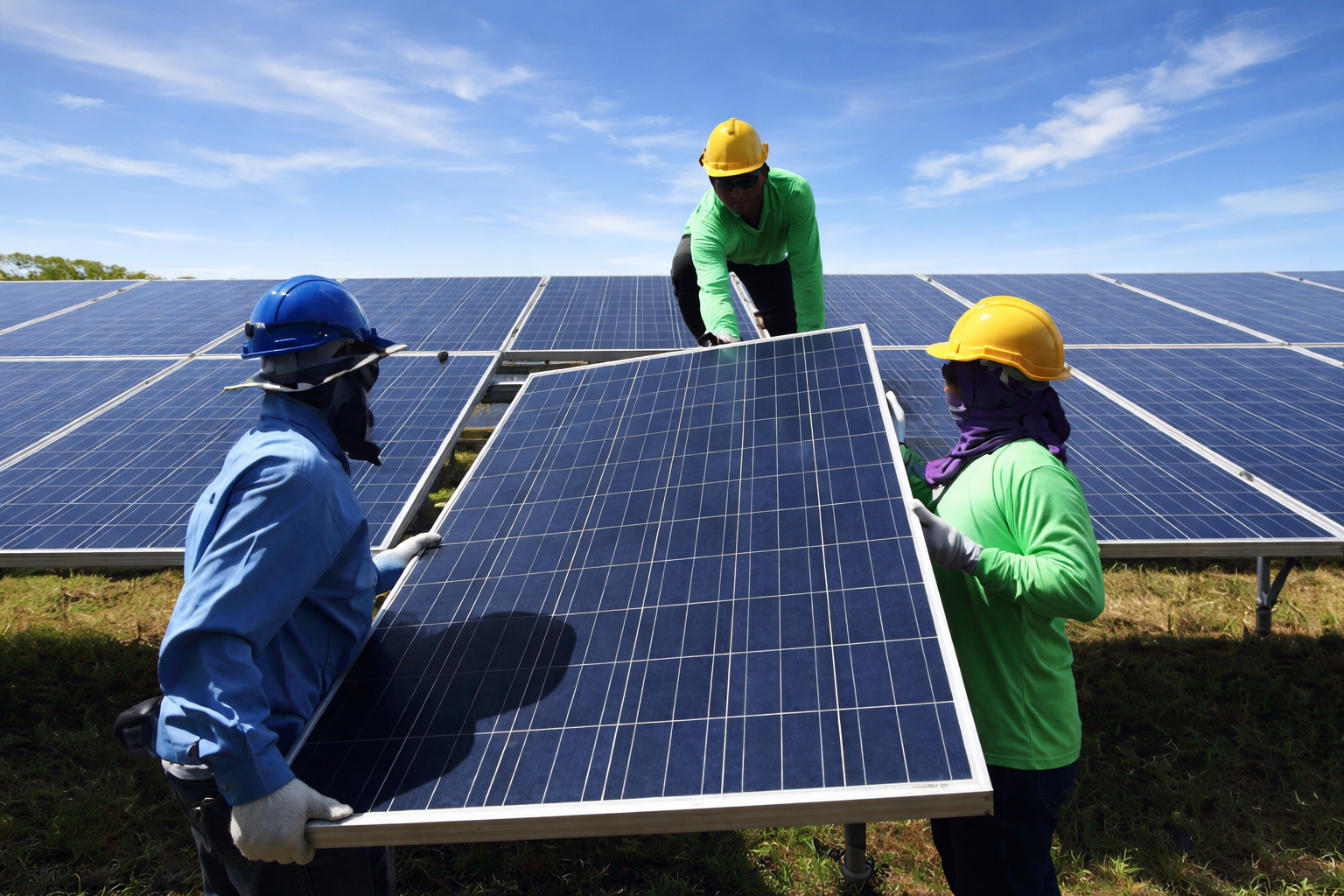
Brazil reaches historic milestone in solar energy: Sector surpasses 2 million accumulated green jobs and generates billions in the national economy even under market pressure.
-
Minas Gerais takes the lead in renewable energy: State surpasses historic mark of 14 GW in solar energy generation in MG and consolidates dominance in the Brazilian electric sector.
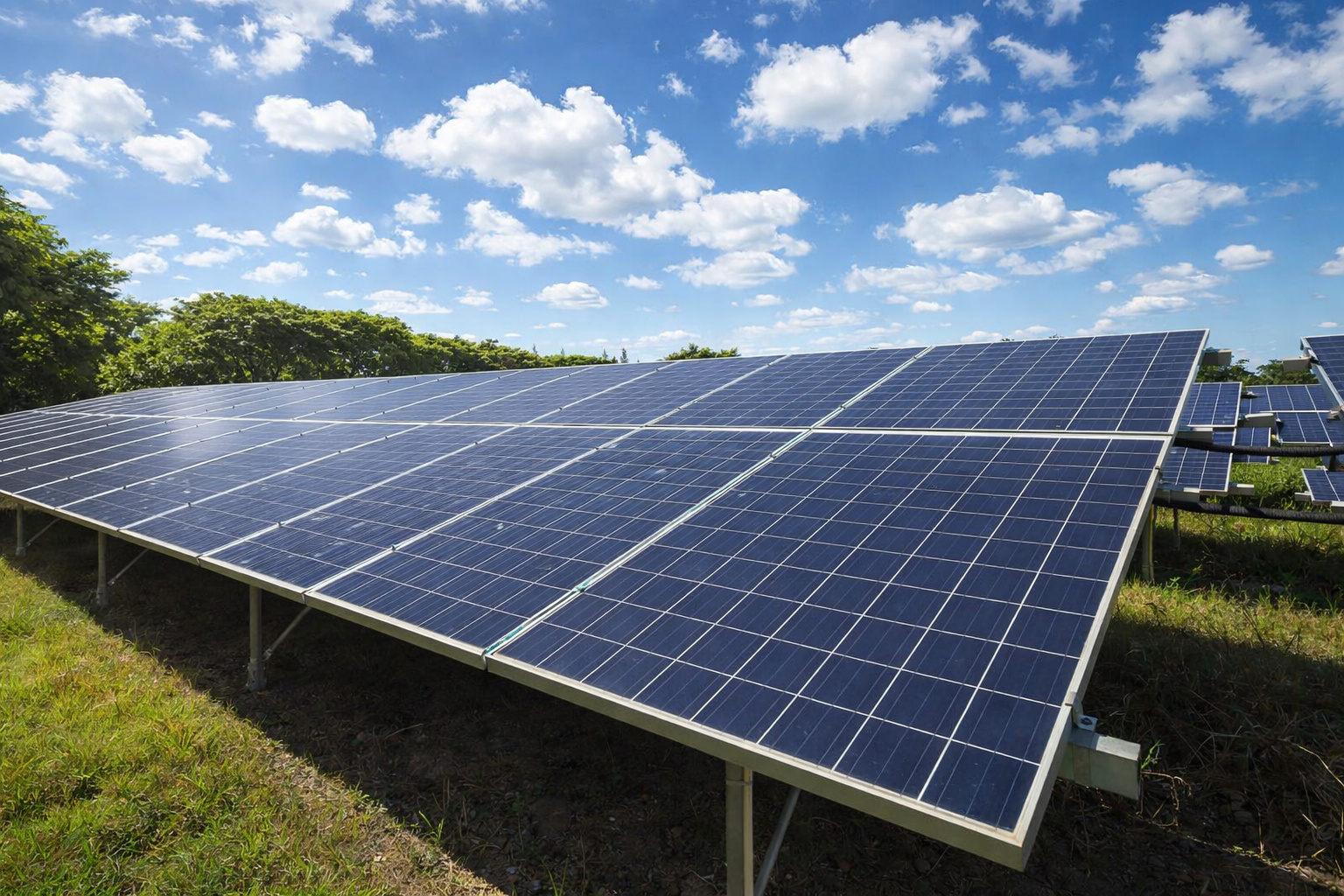

As the decades passed, the technology significantly evolved, especially because investments in research and development, tax incentives, and the search for renewable energy sources propelled the sector.
Consequently, in the early 2000s, large companies recognized the potential of solar energy to reduce operational costs and strengthen their image among conscious consumers.
Therefore, in the supermarket retail sector, the adoption of this technology has intensified in recent years, as energy efficiency has become central to competitiveness.
In addition to reducing costs, solar energy brought changes to the strategic planning of companies. Previously, the main focus was merely on keeping operations running; however, now sustainability has become a competitive differentiator.
Supermarkets that invest in clean energy not only save. They also communicate a commitment to responsible practices, increasing public trust and customer loyalty.
Thus, this cultural shift encourages other companies to replicate the model, generating positive chain impacts in the sector.
ABRAS 2025 and the Demonstration of Energy Solutions
In September 2025, during ABRAS, the main gathering of the food retail sector held in Campinas, São Paulo, business owners were able to clearly see the relevance of solar energy for supermarkets.
Additionally, the event gathered leaders from state associations and strategic suppliers, creating an environment for knowledge exchange and innovation.
In this scenario, companies specialized in photovoltaic solutions presented technologies that integrate energy generation and storage, transforming electricity consumption in the sector.
Photovoltaic systems offer advantages that go beyond simple cost reduction. With the installation of solar panels and high-performance batteries, establishments can reduce electricity bills by up to 95%, maintaining financial predictability even in the face of rising tariffs.
Moreover, the stored energy ensures continuous operation of critical sectors, such as refrigeration and lighting, avoiding losses during power supply interruptions.
Therefore, for consumers, these investments represent a commitment to sustainability and innovation, reinforcing the brand’s image.
The concept of “Share of Life,” the central theme of ABRAS 2025, highlights the importance of retail expanding its participation in the consumer’s daily life.
In this context, solar generation proves strategic, as it reduces costs, increases competitiveness, and strengthens relationships with environmentally conscious customers. Additionally, solar energy transforms supermarkets into examples of environmental responsibility, combining energy efficiency with brand value.
The presence of experts and renowned speakers during the event also highlighted the technological evolution of the sector, demonstrating that advancements in energy storage and monitoring help supermarkets adopt smarter and safer solutions.
Thus, the convergence of technology, sustainability, and efficient cost management shows that solar energy is not just a passing trend, but a consolidated strategy.
Strategic Partnerships and Democratization of Access to Solar Energy
Companies like GoodWe Energy Solutions play a relevant role in this process, offering solutions that combine advanced technology, energy storage, and specialized support.
Moreover, the partnership with Solfácil, Brazil’s largest solar energy ecosystem, exemplifies how the union of technological expertise and financial facilitation democratizes access to clean energy in the supermarket retail sector.
For example, packages such as “Combo Fácil” provide solar kits with payment terms compatible with the cash flow of supermarkets.
This ensures immediate savings on electricity bills, property value appreciation, and protection against unforeseen events.
Another significant advancement is Solfácil Smart, a tool that allows supermarket owners to monitor the performance of the solar energy system in real-time.
Thus, they identify waste, optimize consumption, and discover new savings opportunities, strengthening efficient energy management. Additionally, the package includes exclusive insurance that ensures the continuity of operations, providing more security for businesses.
The democratization of access to solar energy also reduces inequalities within the sector. Therefore, medium-sized supermarkets, which previously faced challenges in investing in technology, can now implement photovoltaic systems accessibly, increasing competitiveness and promoting sustainable practices throughout the retail chain.
Solar Energy in the Brazilian Energy Transition
The growth of solar energy in the supermarket sector also reflects the energy transition in Brazil. The country, historically dependent on hydropower sources, began to diversify its energy matrix, incorporating wind and solar generation as sustainable alternatives.
Consequently, the expansion of photovoltaic energy not only seeks to reduce costs but also to meet environmental policies and the expectations of an audience that values companies committed to sustainability.
In this scenario, solar energy is gaining prominence as a solution that combines efficiency, savings, and environmental responsibility.
Beyond the financial impact, the adoption of solar energy transforms the organizational culture of supermarkets. Therefore, establishments that invest in clean energy position themselves as leaders in innovation, inspiring other business owners to follow the same path.
Moreover, with the reduction of implementation costs, solar energy has ceased to be an option exclusive to large chains and has become accessible to medium-sized supermarkets, broadening its reach and benefits.
The visibility of success stories at events like ABRAS 2025 encourages public policies that support solar energy projects in the private sector.
Thus, the combination of business initiative and regulatory incentives strengthens the renewable energy ecosystem in Brazil, demonstrating that positive results replicate across different regions and economic contexts.
Strategic Benefits and Competitiveness in the Sector
Recent experience demonstrates that solar energy initiatives generate positive impacts in the market beyond individual savings. Additionally, the ability to store energy and use smart monitoring systems makes operations more resilient, capable of withstanding fluctuations in the electrical grid.
This ensures continuity in activities and preserves perishable products, representing an important competitive advantage.
Combining facilitated financing, cutting-edge technology, and specialized technical support, strategic partnerships consolidate the presence of solar energy in the supermarket retail sector.
Moreover, the integration of photovoltaic systems with high-performance batteries prepares the sector for future challenges, such as increased electricity demand, the need for sustainability, and the search for operational efficiency.
In all these aspects, solar energy is gaining prominence, proving indispensable for the competitiveness and reputation of supermarket chains.
Investment in solar energy also encourages complementary innovations, such as smart systems for lighting, refrigeration, and HVAC.
Consequently, these advancements further reduce consumption, make internal processes more efficient, and contribute to the reduction of the carbon footprint, reinforcing the companies’ environmental commitment.
The Trajectory and Future of Solar Energy in Retail
In conclusion, the trajectory of solar energy in the supermarket sector highlights a significant transformation in energy management.
From the first residential projects in Brazil to massive adoption in large chains, photovoltaic technology has established itself as an essential tool for efficiency, savings, and sustainability.
Thus, events like ABRAS 2025 reinforce the importance of investing in solutions that combine technological innovation and environmental responsibility, showing that supermarkets can be examples of conscious and competitive practices.
The trend is that in the coming years, solar energy will continue to expand in the sector, consolidating its position as an indispensable strategy for companies looking to reduce costs, increase efficiency, and strengthen consumer trust.










Seja o primeiro a reagir!