





 Portuguese
  English
  Spanish
  6 min of reading
  0 comments



Public Investments in Brazil Reveal Imbalances in the Energy Transition. While Solar Energy Advances with Financial and Fiscal Support, Biofuels Lose Resources and Oil Continues to Benefit from Loans and Government Incentives.
Solar energy has been consolidating as one of Brazil’s main bets to increase the participation of renewable sources in the energy matrix. However, cross-referenced official data from independent organizations reveal that this growth occurs amid an unbalanced scenario.
This is because, while solar energy receives significant incentives, oil continues to be largely favored by public resources, while biofuels, a strategic Brazilian technology, lose ground year after year.
Since 2002, the National Bank for Economic and Social Development (BNDES) has granted around R$ 17 billion in loans for oil derivatives. Additionally, since 2017, the federal government has authorized over R$ 2.3 billion in tax exemptions for imports related to the sector, according to a survey that analyzed data from the Federal Revenue and the National Electric Energy Agency (Aneel).
-
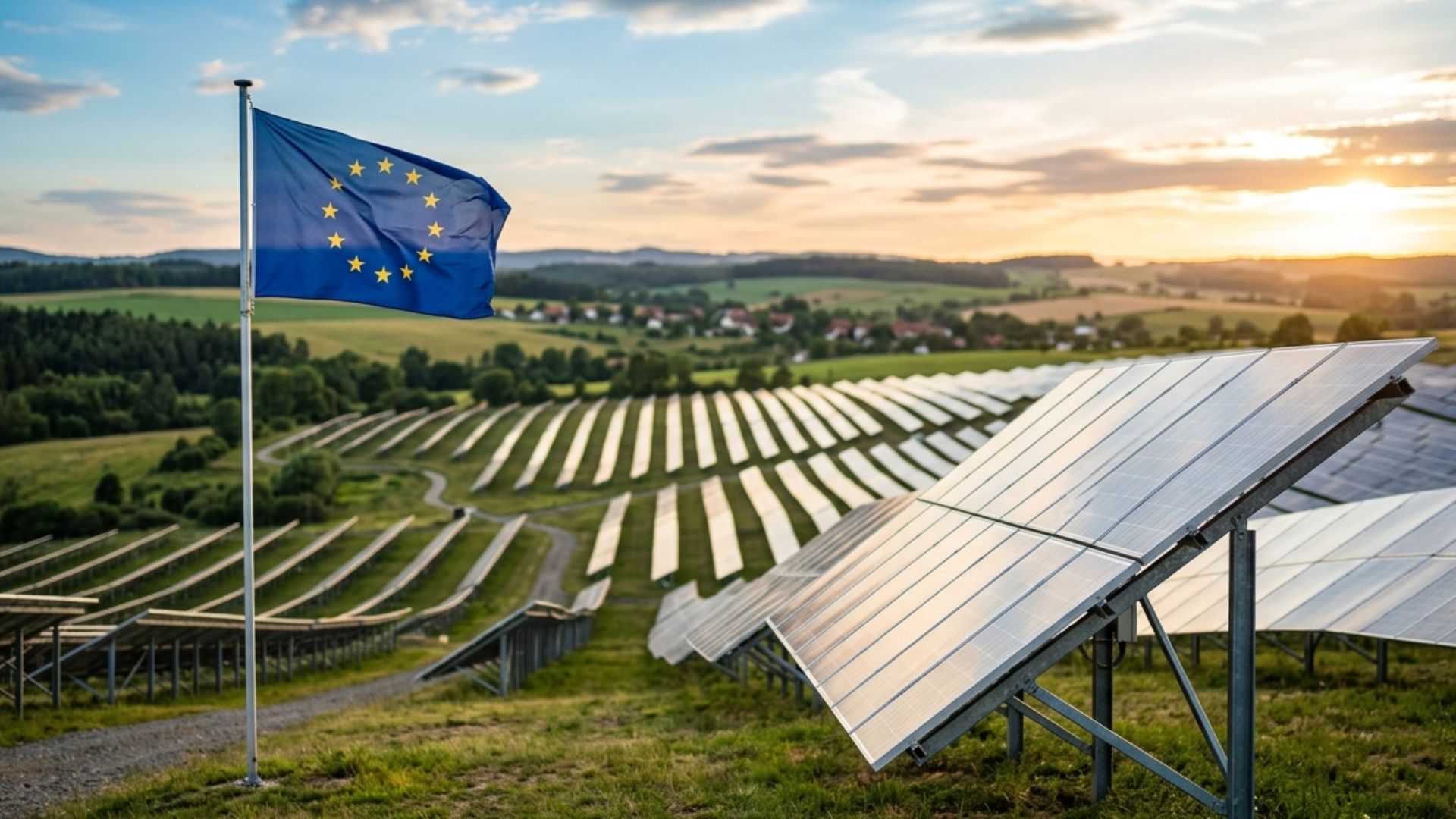
Europe records strong euro economy with solar energy in March and sparks curiosity about which country leads growth that redefines the energy market and reduces costs.
-
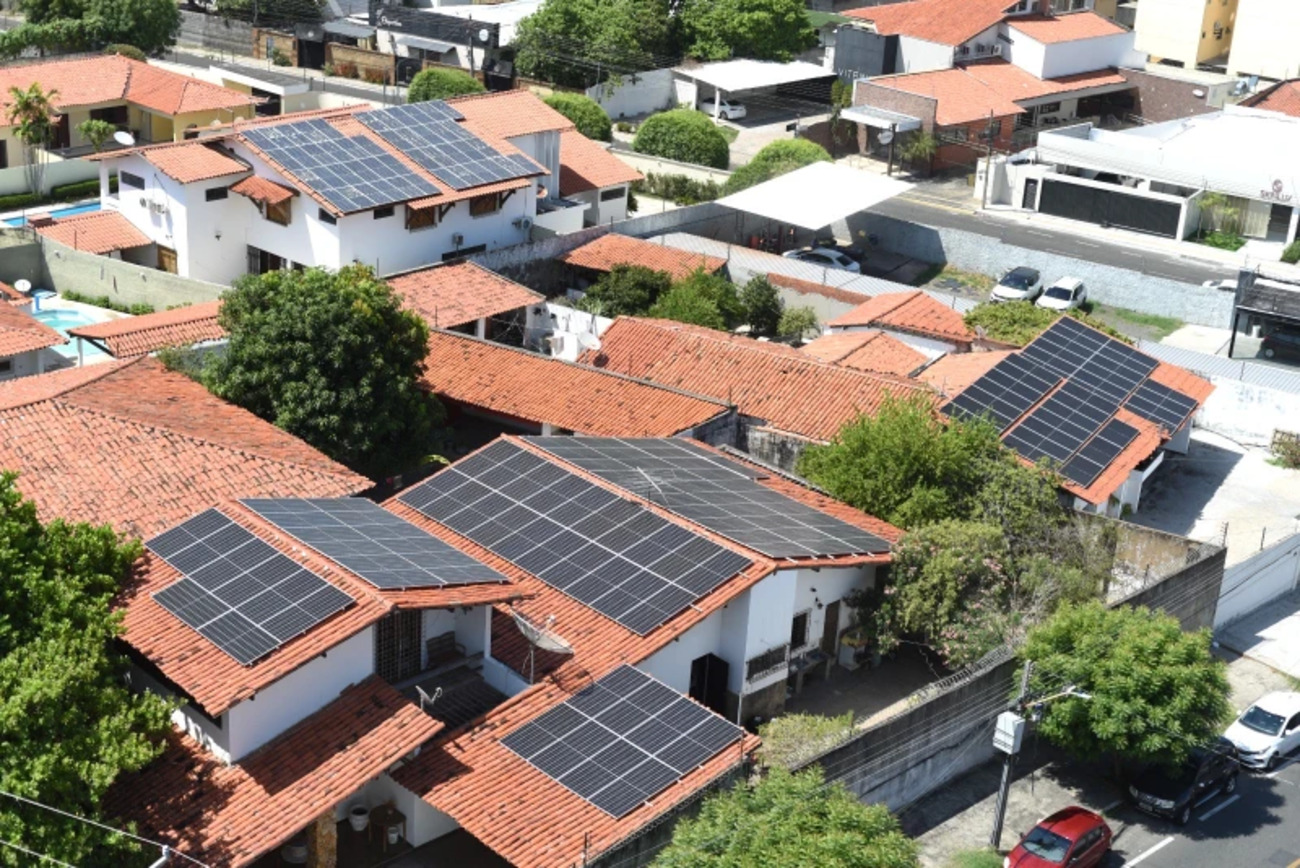
Piauí reaches a historic milestone in energy transition: State records nearly 160,000 households powered by solar energy and leads growth in the Northeast.
-
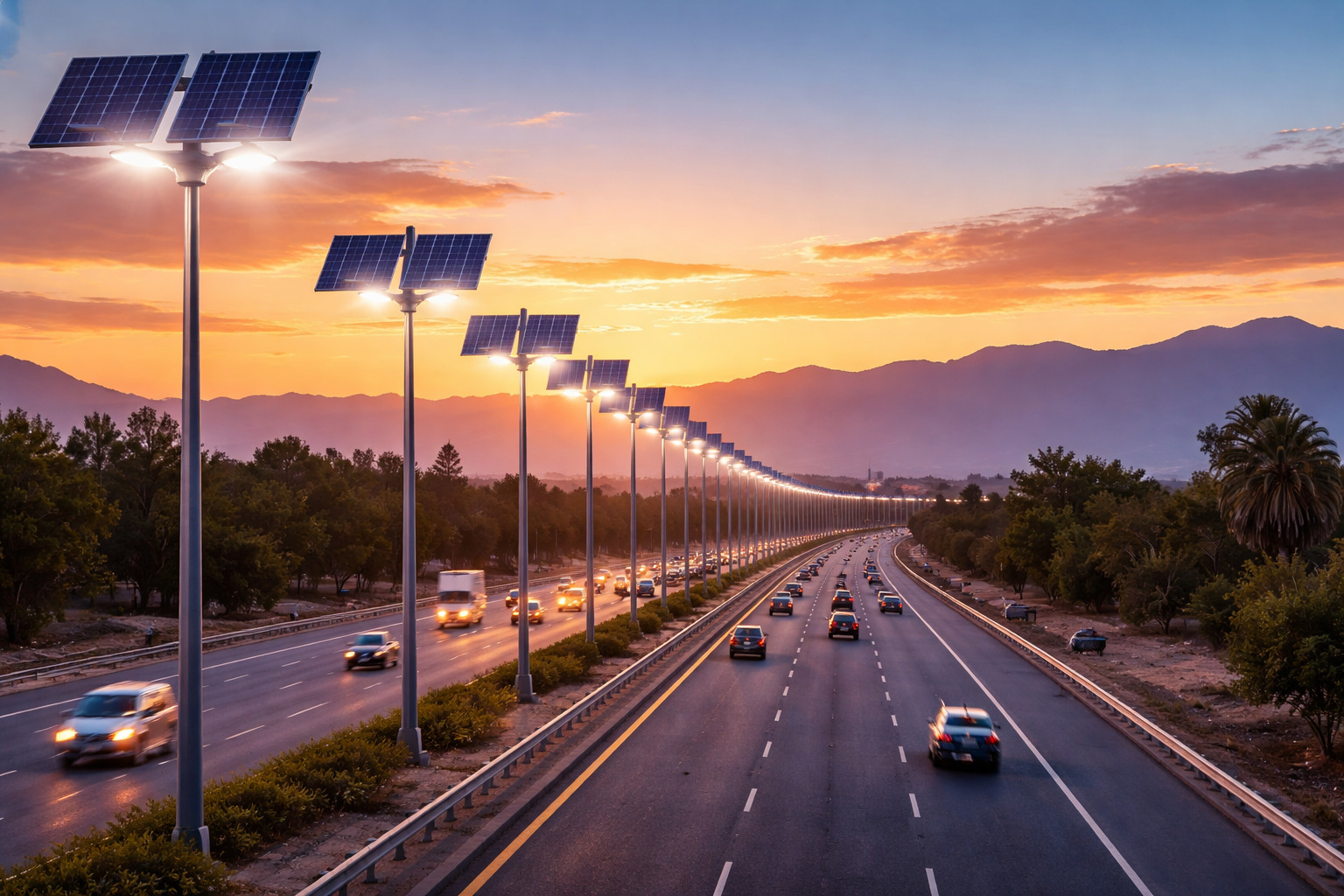
Argentina debuts its first 100% solar-powered highway and transforms an entire road into a showcase of clean energy.
-
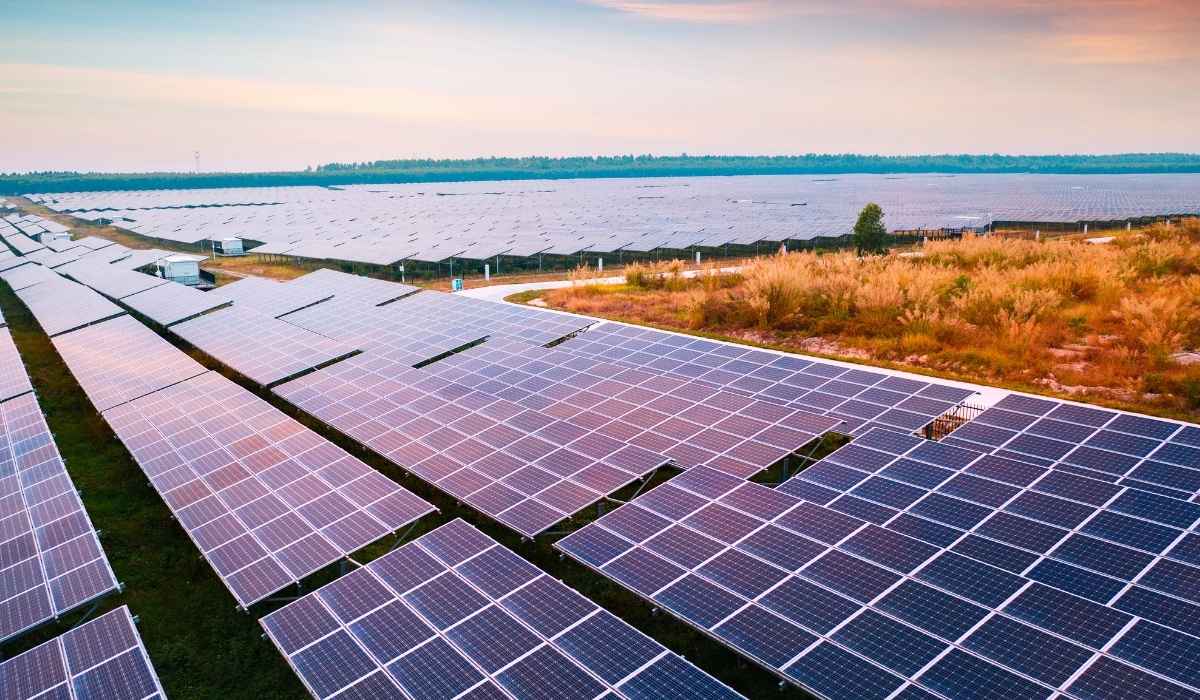
Minas Gerais reaches a historic record and surpasses the power of Itaipu, but network costs generate debate: Understand why solar energy in MG impacts the electricity bill of those without panels.

These numbers contrast with the official discourse of climate leadership and transition to a low-carbon economy.
In this context, solar energy emerges as a partial exception, but not without criticism. Although classified as renewable, a large portion of public investment directed to the sector is concentrated on importing equipment, especially solar panels produced in China, rather than strengthening the national industry.
Oil Continues to Be Funded with Public Money and Amplifies Climate Contradictions
Despite scientific warnings about climate change, oil continues to occupy a central position in the country’s investment policy. Data from the Energy Research Company (EPE), linked to the Ministry of Mines and Energy, indicate that this year alone, around R$ 5 billion have been invested in Research and Development (R&D) aimed at oil and natural gas.
This volume has been growing rapidly since 2019, indicating a continued bet on fossil fuels.
The environmental impact is direct. The energy model based on oil is responsible for approximately 80% of global greenhouse gas emissions. Still, public resources continue to fund this production chain, while national renewable technologies receive less budgetary attention.
This scenario raises questions about the state’s priorities. By maintaining incentives for oil, the country not only postpones the energy transition but also limits the advancement of alternatives more aligned with emission reductions.
Why Data on Solar Energy and Oil Matter
The use of public money to finance oil derivatives has structural effects. First, it consolidates a polluting energy model. Second, it reduces fiscal space to incentivize national renewable solutions. Third, it creates dependency on a sector that tends to lose competitiveness in the long term.
In this scenario, solar energy emerges as the fastest-growing renewable. However, this progress is not entirely strategic. Instead of boosting a robust local production chain, the incentives have largely favored the importation of equipment.
At the same time, biofuels, which were once an international benchmark, have been losing investments since 2015. This shift redefines the profile of Brazil’s energy transition, making it increasingly reliant on imported technologies.
Solar Energy Could Become the Largest Source of the Electrical Matrix
Even with limitations, the solar energy figures are impressive. Data from Aneel show that if all currently authorized and under-construction solar plants were in operation, generation would reach about 140 gigawatts of power. This volume would place solar energy as the primary source in the Brazilian electrical matrix, surpassing hydropower.
The accelerated growth reflects falling technological costs and a more streamlined regulatory environment. However, experts warn that this progress has not been accompanied by a structured industrial policy.
“The problem (with solar energy) is that there is no industrial policy whatsoever; the legislation has been facilitating imports without a clear and unified state planning,” explains economist and researcher from Unicamp, André Furtado.
Incentives for Solar Energy Are Approaching Those Granted to Oil
In addition to BNDES loans totaling R$ 12.3 billion, the solar energy sector has enjoyed nearly R$ 2 billion in federal tax exemptions on imports since 2017. This amount is comparable to the incentives granted to fossil fuels, reinforcing the notion that the transition is occurring more by substitution of sources rather than structural change of models.
According to Furtado, the presence of interest groups directly influences this scenario. “And there is still a very strong lobby in Congress to maintain these subsidies,” he says.
China, the largest producer of solar panels worldwide, appears as the main external beneficiary of this model. Brazil, in turn, assumes the role of a major importer, forgoing the opportunity to add industrial value internally.
External Dependency and Lack of Industrial Strategy
From a global perspective, China’s expansion of solar energy has brought benefits by reducing costs and increasing access to renewable technology. However, experts argue that each country should structure its energy transition according to its productive vocations.
“In terms of renewable energy generation capacity, China has done the world a great favor, but each country has its strengths and ideal sources for the transition, and investments should be made in an organized manner,” evaluates Furtado.
In the Brazilian case, the absence of an integrated strategy for solar energy limits the potential for job creation, technological innovation, and energy sovereignty.
Biofuels Are Losing Ground Even Though They Are Strategic
While solar energy advances, bioenergy faces retraction. The production of energy from biomass, whether for fuels or electrification, is highlighted by various experts as essential for a sovereign energy transition.
Brazil has extensive experience with national technologies, a diversity of raw materials, and degraded areas suitable for energy production. Sugarcane, corn, soybeans, eucalyptus, and even waste such as açaí are viable alternatives.
Furthermore, biofuels are seen as a solution for sectors that are difficult to electrify, such as heavy cargo transportation and long distances, where solar energy cannot fully meet demand.
Sustainable Aviation Depends on Biofuels
Another critical point involves the aviation sector. Sustainable Aviation Fuel (SAF) is considered central to reducing emissions in a highly polluting segment. In this case, neither solar nor wind energy can directly replace liquid fuels.
Brazilian biofuels thus gain global strategic relevance. Even so, public investments in research and development in the area have suffered a strong retraction.
Data from EPE analyzed show that resources allocated for technological development in biofuels fell from R$ 730 million in 2015 to R$ 234 million in 2022, with only a slight recovery in 2023. This setback compromises the country’s capacity for innovation and international leadership.
The “Siren’s Song” of Fossil Fuels
For Juliano Bueno, director of the Arayara Institute, Brazil’s energy transition occurs amid economic disputes and contradictory narratives. He defines the scenario as a confrontation between public policies and market interests.
“On the other side, is the ‘siren’s song of fossil fuels,’ arguing that the expansion of the fossil fuel production chain will fund the country’s energy transition,” says Bueno, who is part of the National Environmental Council (Conama) and the National Water Resources Council (CNRH).
The promise involves job generation and royalties, even in new exploratory frontiers, such as the mouth of the Amazon. However, previous experiences show that municipalities leading in royalty collection still coexist with social inequality and poverty.
Expensive Energy, High Subsidies, and Structural Distortions
According to Bueno, the current model contributes to high costs for the end consumer. “Today, considering the HDI [Human Development Index] and income distribution in the country, we pay the highest energy prices in the world,” he asserts.
He argues that eliminating distorted subsidies and incentives could lead to cheaper and more efficient energy. “It doesn’t make sense to pay subsidies not even for renewables, let alone for the fossil industry,” he concludes.
In this complex scenario, solar energy continues to grow, but it is embedded in an arrangement that reveals more contradictions than definitive solutions for Brazil’s energy transition.








-

Uma pessoa reagiu a isso.