





 Portuguese
  English
  Spanish
  3 min of reading
  0 comments



The Federal Government Is Preparing a New Solar Energy Program in the Northeast, Prioritizing Access to Transmission for Datacenters and Green Hydrogen Projects.
Solar energy is expected to play a central role in a new program that the federal government intends to launch in the coming days. President Luiz Inácio Lula da Silva is expected to sign a decree this week that creates a specific mechanism to prioritize access to the electrical transmission infrastructure in the Northeast.
The initiative mainly targets large energy consumers, such as datacenters and green hydrogen production plants.
The goal is clear. The government aims to bring consumption closer to generation, taking advantage of the region’s solar and wind potential. This seeks to reduce bottlenecks in the national electricity system and make the matrix more efficient.
-
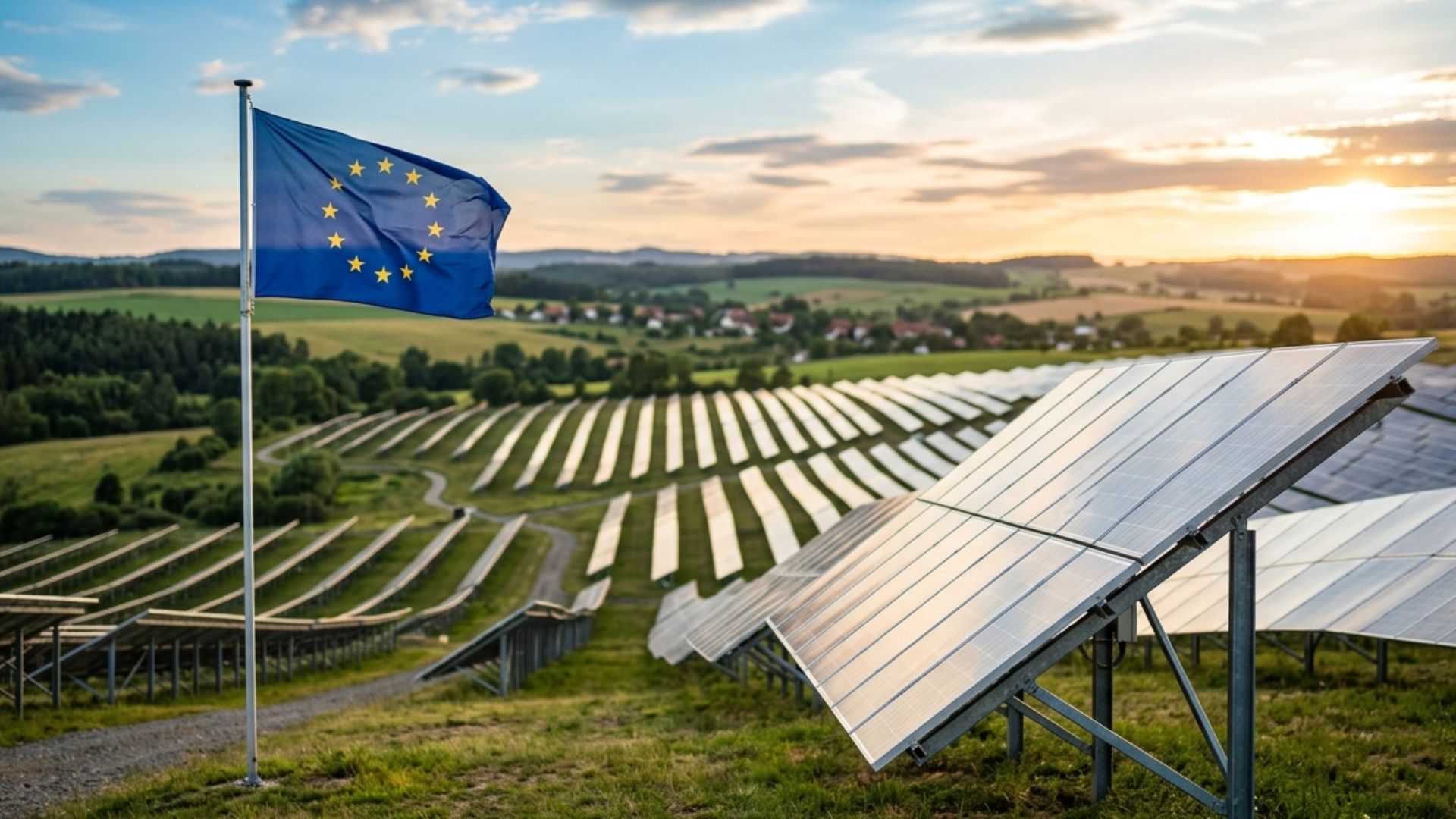
Europe records strong euro economy with solar energy in March and sparks curiosity about which country leads growth that redefines the energy market and reduces costs.
-
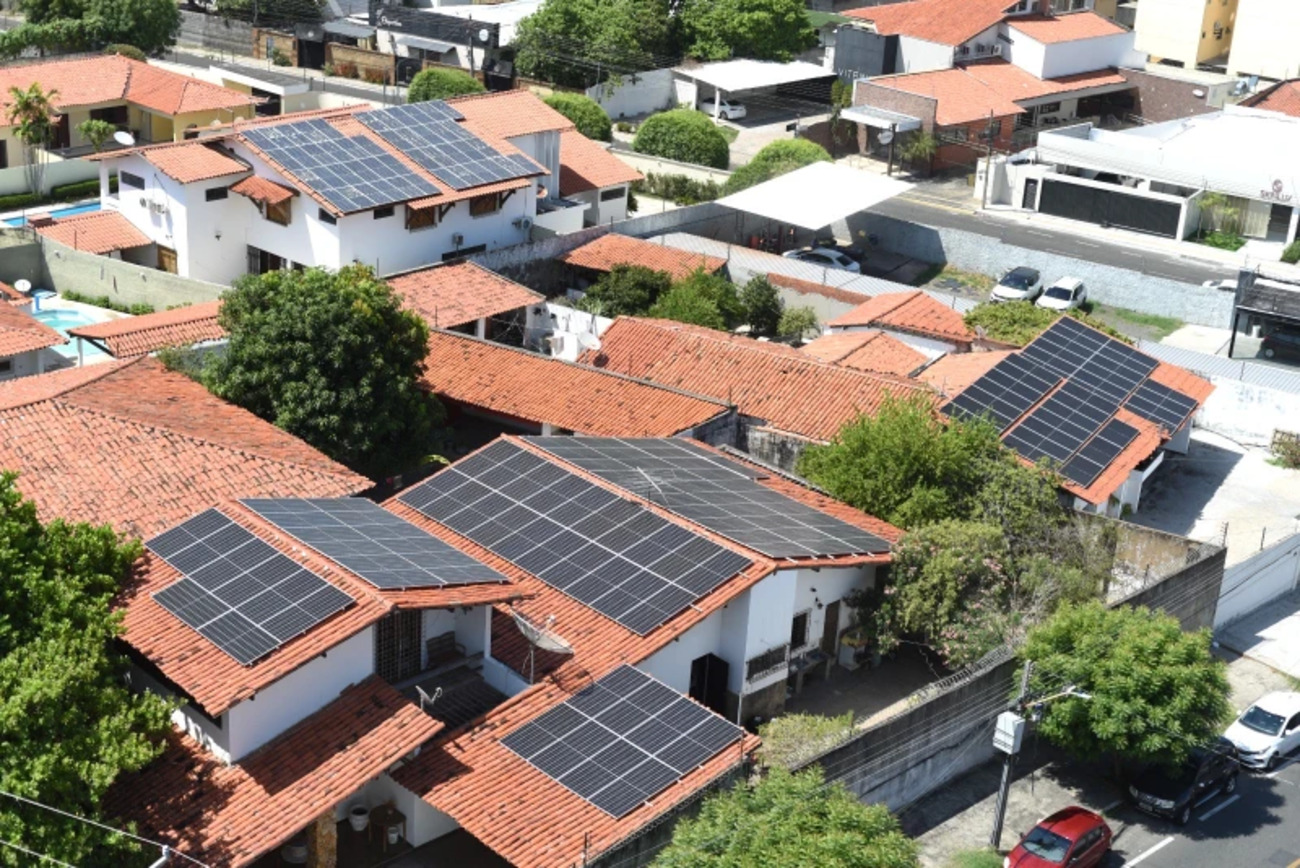
Piauí reaches a historic milestone in energy transition: State records nearly 160,000 households powered by solar energy and leads growth in the Northeast.
-
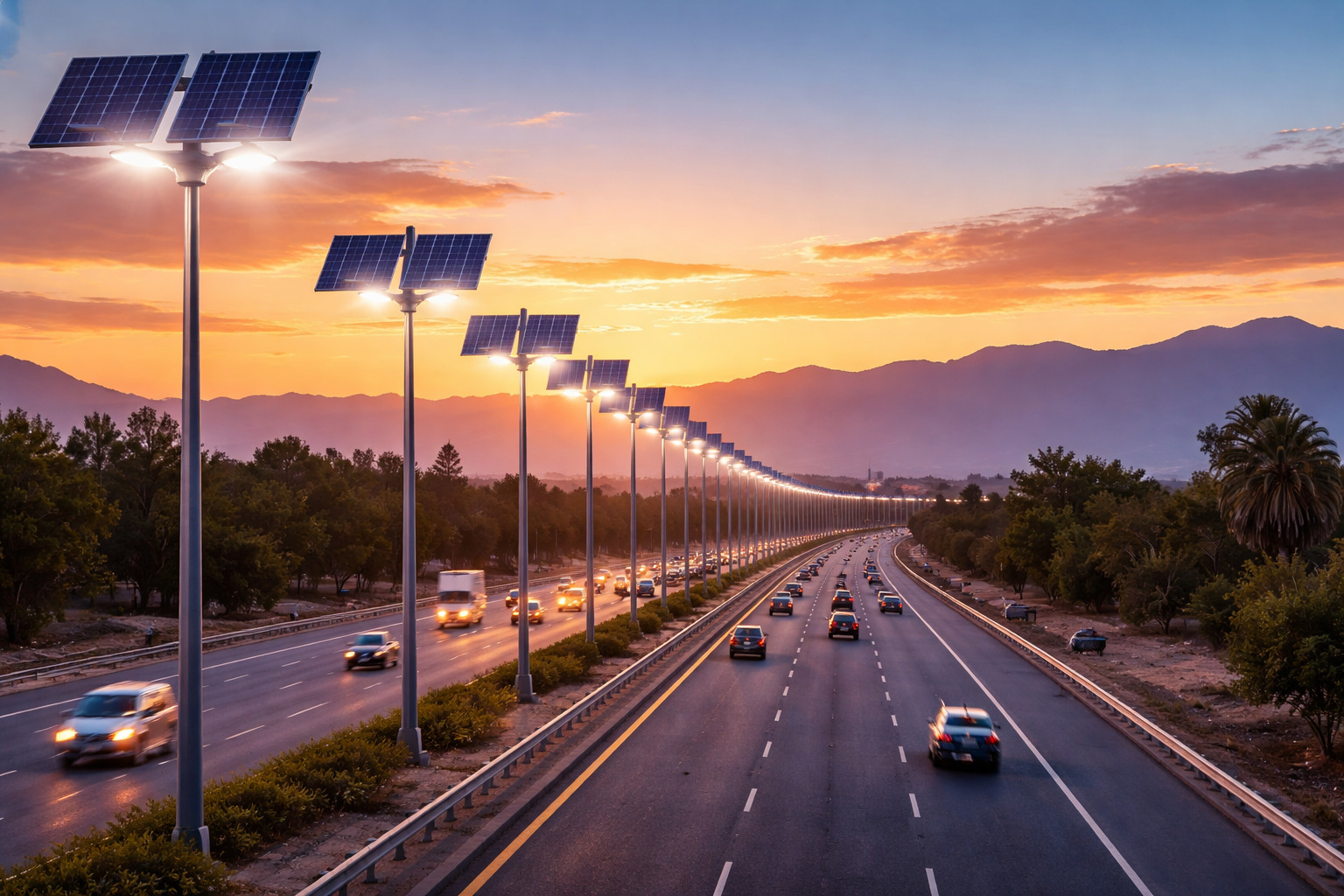
Argentina debuts its first 100% solar-powered highway and transforms an entire road into a showcase of clean energy.
-
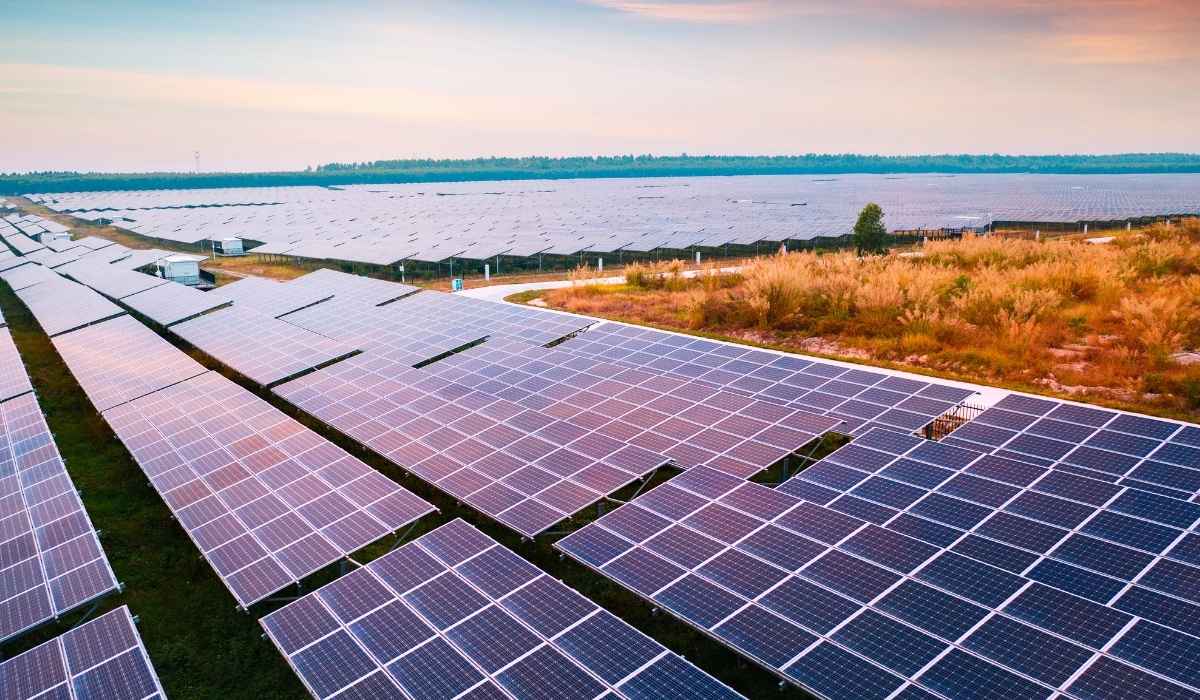
Minas Gerais reaches a historic record and surpasses the power of Itaipu, but network costs generate debate: Understand why solar energy in MG impacts the electricity bill of those without panels.

New Decree Accelerates Access to Solar Energy Transmission
The draft establishes an expedited process for connecting large enterprises to the transmission lines.
In practice, this will allow these projects to advance in the queue currently managed by the National Electric System Operator (ONS).
This model was designed as a direct response to the accelerated growth of solar energy in the Northeast. In recent years, the expansion of renewable plants has exceeded the capacity of the system to absorb it, generating new operational challenges.
Surplus Energy and the So-Called Reverse Blackouts
The advancement of solar and wind energy has brought a phenomenon known as reverse blackouts. These occur when there is an excess of generation during the day, especially during the period when solar production extends until early evening.
At that moment, photovoltaic generation drops rapidly. As hydropower plants have a longer response time to come online, the system may experience instability. In some cases, these fluctuations result in power outages.
To address the issue, the ONS has been promoting scheduled shutdowns of hydropower plants and other sources throughout the day. This measure helps balance the system but does not completely eliminate the risk.
Local Consumption Can Alleviate Pressure on the Electrical System
According to the government’s assessment, creating local demand associated with solar energy can significantly reduce stress on the electrical system. The estimate is a decrease of up to 4 gigawatts in the current pressure on the grid.
By attracting datacenters and green hydrogen factories closer to generation hubs, consumption begins to occur in the same territory where energy is produced. This reduces the need for long transmission flows and improves system stability.
The decree stipulates that connection requests made by datacenters, green hydrogen plants, and other large-scale activities must be analyzed within ten months. During this period, projects will have priority in technical evaluation.
After this initial phase, access to transmission networks will be organized through periodic auctions. The expectation is for at least two auctions per year.
Auctions Will Define New Connections to the Grid
Each interested party must pay a participation fee and submit prior technical documentation. Projects offering the highest value for the right to connect will be selected, always respecting the capacity for expansion of the existing infrastructure.
The revenue raised from these auctions will be used to offset energy tariffs, creating an indirect effect of tariff moderation. Thus, in addition to stimulating solar energy in the Northeast, the government seeks positive impacts for the entire national electricity system.








-

-

-

-

-

-

8 pessoas reagiram a isso.