





 Portuguese
  English
  Spanish
  6 min of reading
  0 comments


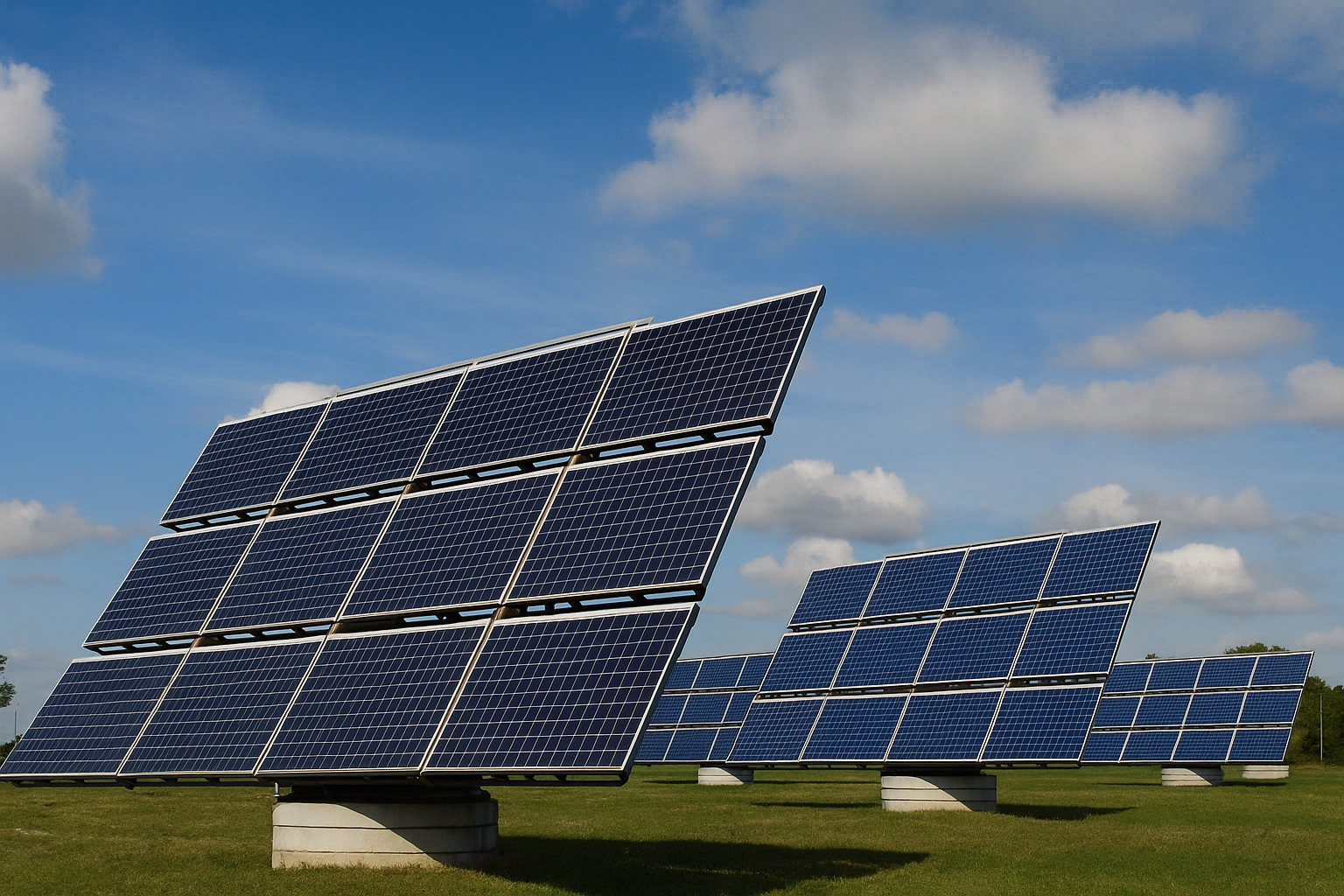
Discover How Solar Energy Will Lead the Growth of Global Renewable Capacity, Expected to Double by 2030 with Technological Support and Global Policies.
The global renewable capacity will experience one of the fastest growth periods in history, driven primarily by the expansion of photovoltaic solar energy.
Furthermore, according to the latest report from the International Energy Agency (IEA), global clean energy generation capacity is expected to more than double by 2030.
This growth represents a historic milestone for the energy sector, reflecting technological, economic, and political changes that have been occurring over the past decades.
-
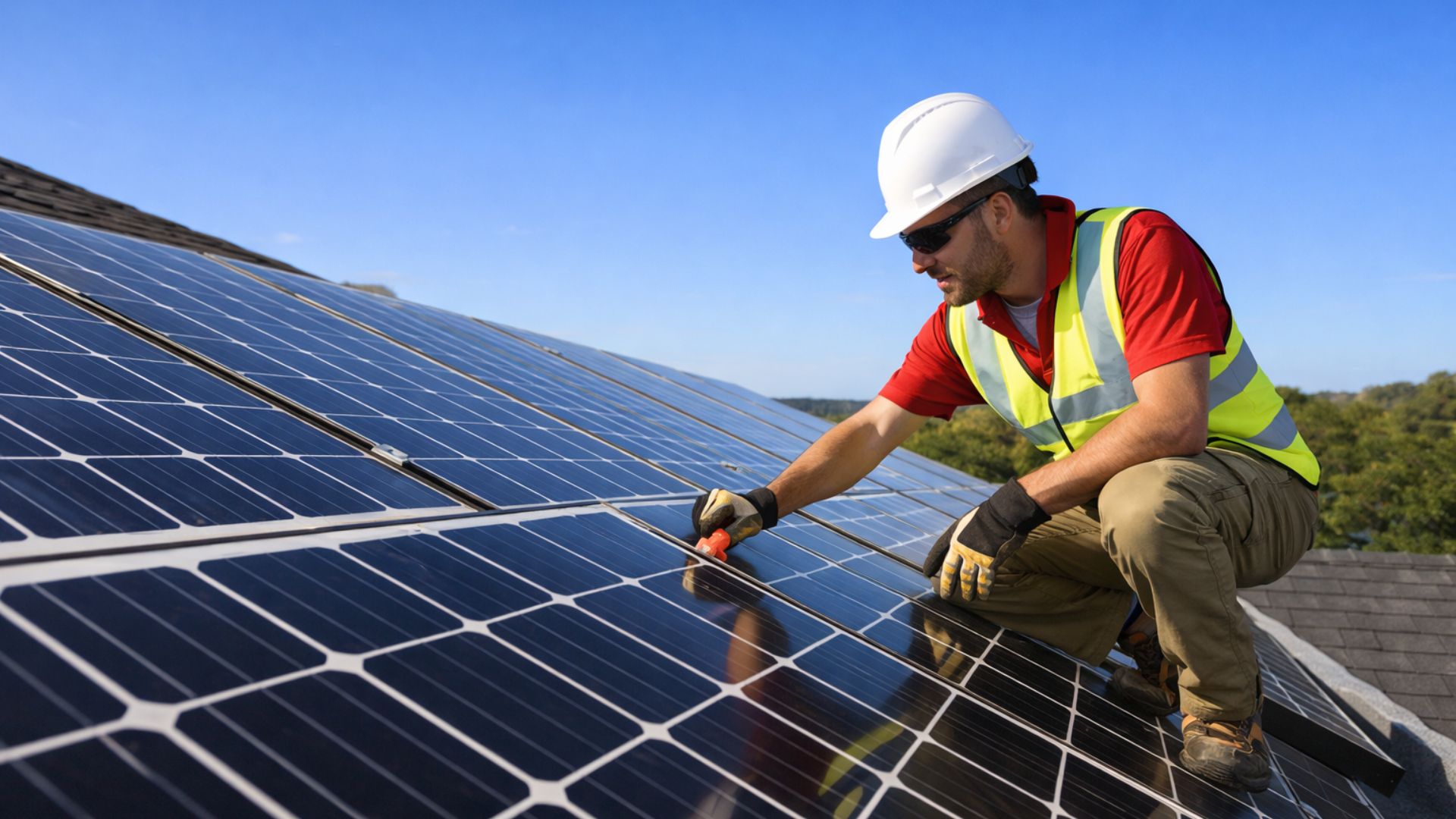
Seagri’s headquarters invests in solar energy with Neoenergia Coelba and promises to cut electricity costs, highlighting a strategic advance in sustainability and energy efficiency within state public administration.
-
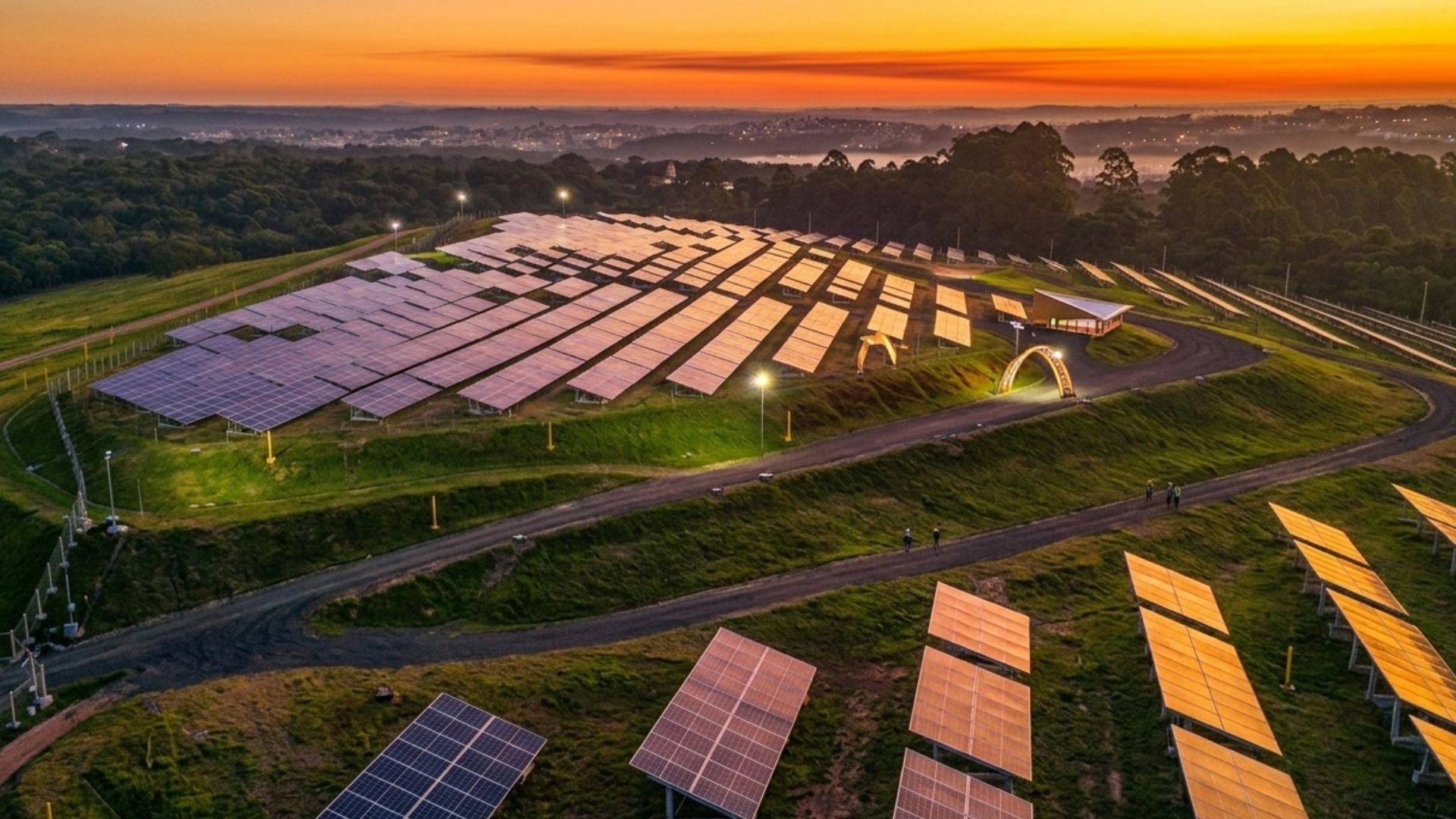
Solar Pyramid draws attention by converting solar energy into million-dollar savings and repositioning the City Hall of Curitiba as an example of innovation, sustainability, and intelligent use of public resources.
-
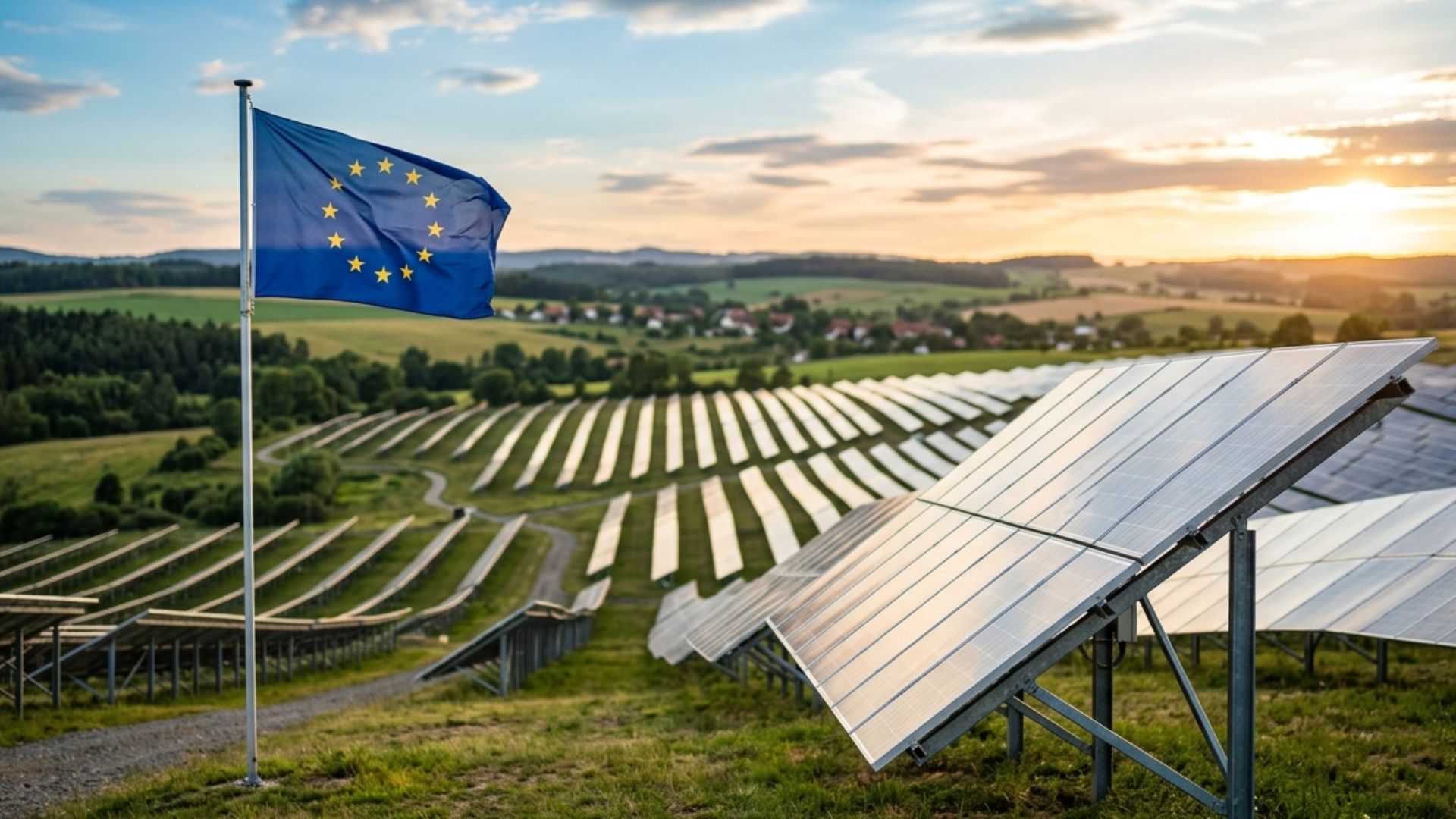
Europe records strong euro economy with solar energy in March and sparks curiosity about which country leads growth that redefines the energy market and reduces costs.
-
Piauí reaches a historic milestone in energy transition: State records nearly 160,000 households powered by solar energy and leads growth in the Northeast.

History of Renewable Energies and Global Growth
Historically, the development of renewable sources started modestly. In the 20th century, fossil fuels, such as coal, oil, and natural gas, dominated electricity generation, ensuring relatively cheap supplies and consolidated infrastructure.
However, concerns about the environmental impact, especially the emission of greenhouse gases, spurred research and policies aimed at clean sources beginning in the second half of the 20th century.
Additionally, the energy crises of the 1970s and 1980s stimulated the search for alternatives. But high costs and a lack of efficient technology limited the expansion of renewable energies during that period.
With technological advancements, especially from the 2000s onward, photovoltaic solar energy has become economically competitive.
Thus, solar panels became more efficient and cheaper, while incentive policies, such as subsidies and feed-in tariffs, helped create robust markets.
As a result, this historical trajectory explains why the global renewable capacity currently relies heavily on solar projects, representing about 80% of the expected growth in the coming years.
For instance, countries like China, the United States, India, and the European Union lead this expansion, implementing large-scale projects, both in solar power plants and distributed generation systems.
Moreover, technological development has enabled the creation of energy storage systems, such as long-duration batteries and green hydrogen, which increase the reliability of solar and wind energy.
These advances are essential to ensure that the global renewable capacity meets energy demand even during periods of low generation, making the energy matrix more resilient and reliable.
Diversification of Sources and Complementary Contributions
The growth of solar energy does not occur in isolation.
Other renewable sources, such as wind, hydropower, bioenergy, and geothermal, also increase the global renewable capacity, albeit on a smaller scale.
Wind energy, for example, benefits from taller and more efficient turbines, capable of capturing stronger winds in remote areas.
Additionally, hydropower remains a fundamental source, especially in countries with voluminous rivers and a history of hydropower use.
However, new projects focus on pumped storage hydropower, capable of storing energy and balancing the electrical grid.
Similarly, geothermal energy, although limited to regions with favorable geological activity, has grown in key markets such as the United States, Japan, and Indonesia, contributing to the diversification of the global energy matrix.
The expansion of the global renewable capacity involves technological, political, and economic factors.
Consequently, emerging economies in the Asia, Middle East, and Africa exhibit accelerated growth, driven by incentive policies, improvements in project licensing, and cost reductions.
For example, India is expected to become the second largest renewable energy market in the world, just behind China, and maintains commitment to ambitious targets for 2030.
This dynamic shows that the energy transition is not only a priority for developed countries but a global movement that directly impacts the economy and energy security of various nations.
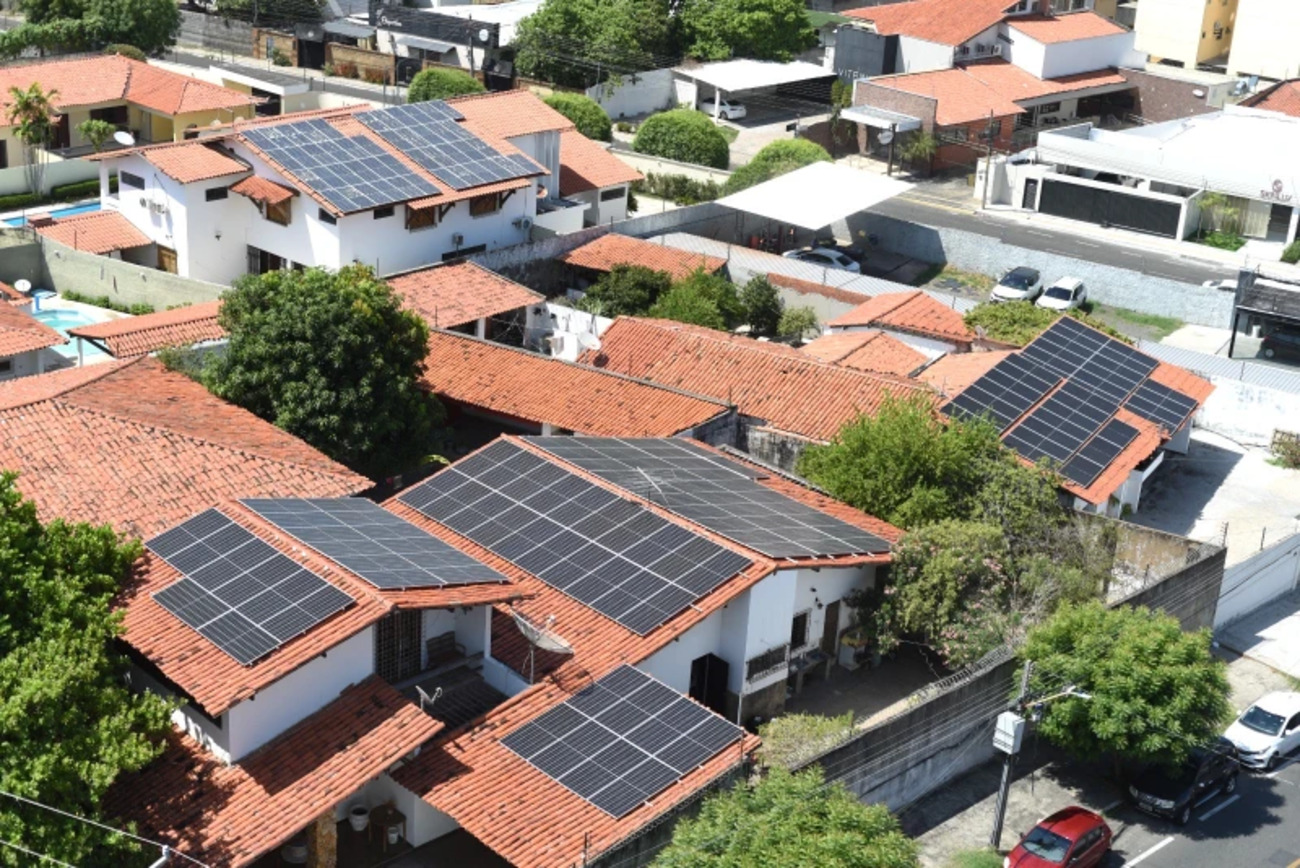
Moreover, distributed generation projects, such as solar panels on homes and small industries, are becoming increasingly popular.
They not only increase the global renewable capacity, but also strengthen energy autonomy for communities, reducing pressure on central grids and demonstrating how the growth of clean energies generates positive social and economic impacts.
Challenges and Risks of Renewable Expansion
Despite the optimism, the IEA warns of challenges that could limit the expansion of the global renewable capacity.
For instance, political changes, such as the premature elimination of tax incentives in the U.S. or China’s transition from fixed tariffs to auctions, may slow down the deployment of new projects.
Additionally, the concentration of the supply chain in a few countries, especially China, poses a strategic risk.
Thus, over 90% of the production of key segments of solar panels and other equipment remains concentrated in this country until 2030, which could affect the stability and costs of global projects.
Another significant challenge involves the integration of renewable sources into the electrical grid.
Unlike coal or gas plants, whose generation is stable and predictable, sources like solar and wind rely on climatic variables.
This increases the complexity of grid operations, which must deal with periods of low production or unexpected peaks.
In some markets, forced curtailment events and negative prices have been observed, indicating that the rapid growth of the global renewable capacity requires investments in generation, storage systems, smart grids, and infrastructure planning.
Moreover, the rapid expansion of renewables also demands skilled labor and continuous technological innovation.
Therefore, training specialized professionals in solar engineering, wind turbine maintenance, and smart grid management is crucial to ensure that the global renewable capacity functions efficiently and safely.
Without consistent investments in training and research, the projected growth may face significant operational and technical barriers.
Economic and Social Impacts of Expansion
The increase in global renewable capacity influences various sectors beyond the electrical.
For example, in transportation, the share of clean sources is expected to rise from 4% today to 6% in 2030, with emphasis on electric vehicles powered by solar and wind energy.
Furthermore, in the heating of buildings and industry, the contribution of renewables is expected to grow from 14% to 18% over the same period, reflecting a comprehensive decarbonization trend and greater energy efficiency.
The expansion of the global renewable capacity also generates significant economic impacts.
Consequently, the clean energy sector is rapidly growing in job creation, surpassing many traditional industrial areas.
In addition, the development of renewable technologies creates new value chains, encourages innovation in materials and processes, and strengthens the competitiveness of economies that invest in clean infrastructure.
Likewise, reducing the costs of electricity generation from renewable sources contributes to the stability of energy prices, benefiting residential, commercial, and industrial consumers.
Moreover, the expansion of renewable capacity reduces dependence on imported fossil fuels, increasing the energy security of countries facing external vulnerabilities.
Thus, the growth of the global renewable capacity shows that the energy transition is an environmental and strategic issue, strengthening the economy and the energy sovereignty of various nations.
Future Prospects and Energy Transition
The historical context and technological evolution show that the growth of the global renewable capacity results from decades of research, investment, and public policies aligned with environmental goals.
As society faces the challenges of climate change and seeks alternatives to the fossil fuel-based model, photovoltaic solar energy and other renewable sources play a central role in the global energy transition.
In summary, the projection that the global renewable capacity should more than double by 2030 demonstrates a promising and transformative scenario.
The growth is led by solar energy, involves multiple technologies, and depends on economic, political, and technological factors.
Thus, the historical path shows significant advances in efficiency and cost reduction, while current challenges indicate the need for grid integration, supply chain diversification, and consistent policies.
Therefore, this landscape highlights that the world is moving towards a cleaner, more sustainable, and resilient energy matrix, marking a historic chapter in the global development of renewable energy.









Seja o primeiro a reagir!