





 Português
  Inglês
  Espanhol
  2 min de leitura
  0 comentários


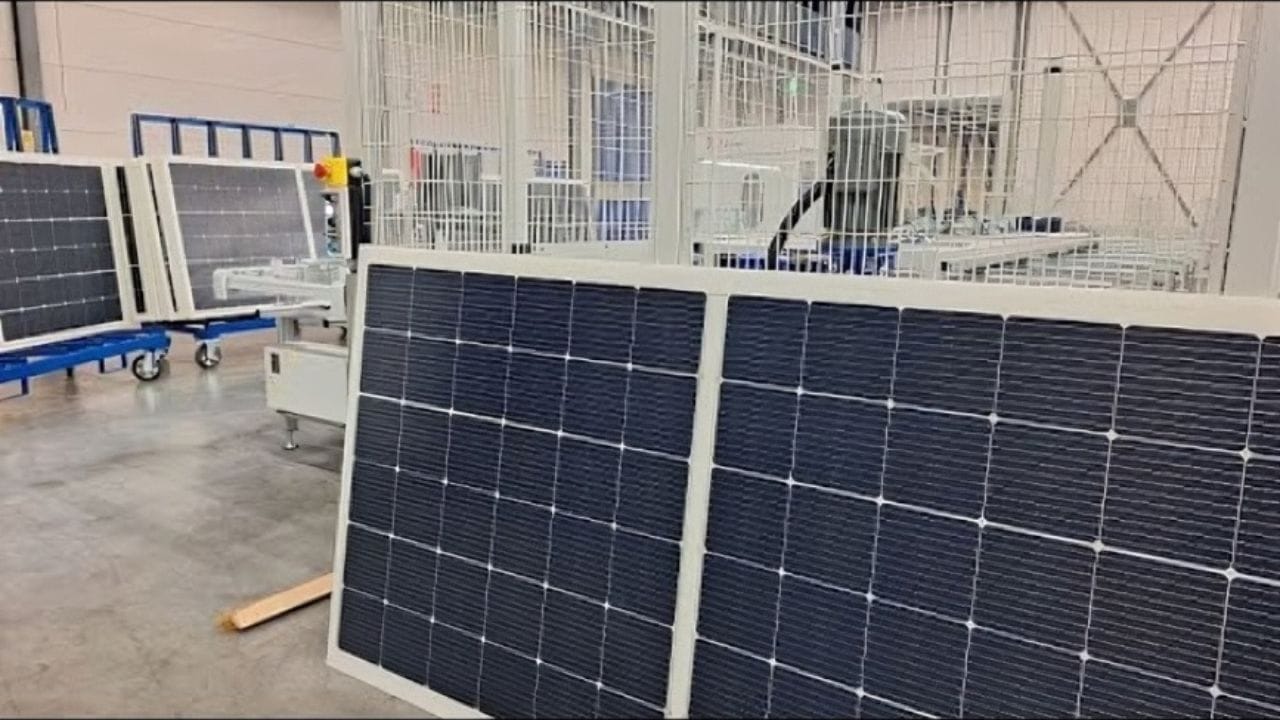
As The Government Continues To Support Renewable Energy Sources, The Solar Energy Sector Is Set To Become An Even More Significant Force In The National Energy Landscape, Promoting A Transition To A Greener And More Sustainable Future.
In the current scenario, where the debate about the viability and effectiveness of solar energy incentive policies stands out, one question emerges: Would it be more beneficial for the national market to encourage the purchase of domestic equipment or to import it? With the emergence of domestic solar energy equipment, Brazil finds itself at a crucial turning point, navigating between the options of promoting local production or relying on imports.
Solar energy in Brazil, even in the face of a global crisis triggered by the pandemic, recorded an impressive growth of 45%, according to AB Solar. This advancement would not have been possible without the incentives for the sector, which have been crucial in making solar energy an increasingly attractive option in the country.
Challenges And Opportunities For National Production


Despite the growth, only 3% of solar panels installed in Brazil are of domestic manufacture, with China dominating global production. The lack of specific incentives for the domestic industry has been an obstacle, evidenced by the tax exemption in 2021 for 109 solar energy-related equipment, which, while benefiting consumers, posed challenges for domestic manufacturers.
-
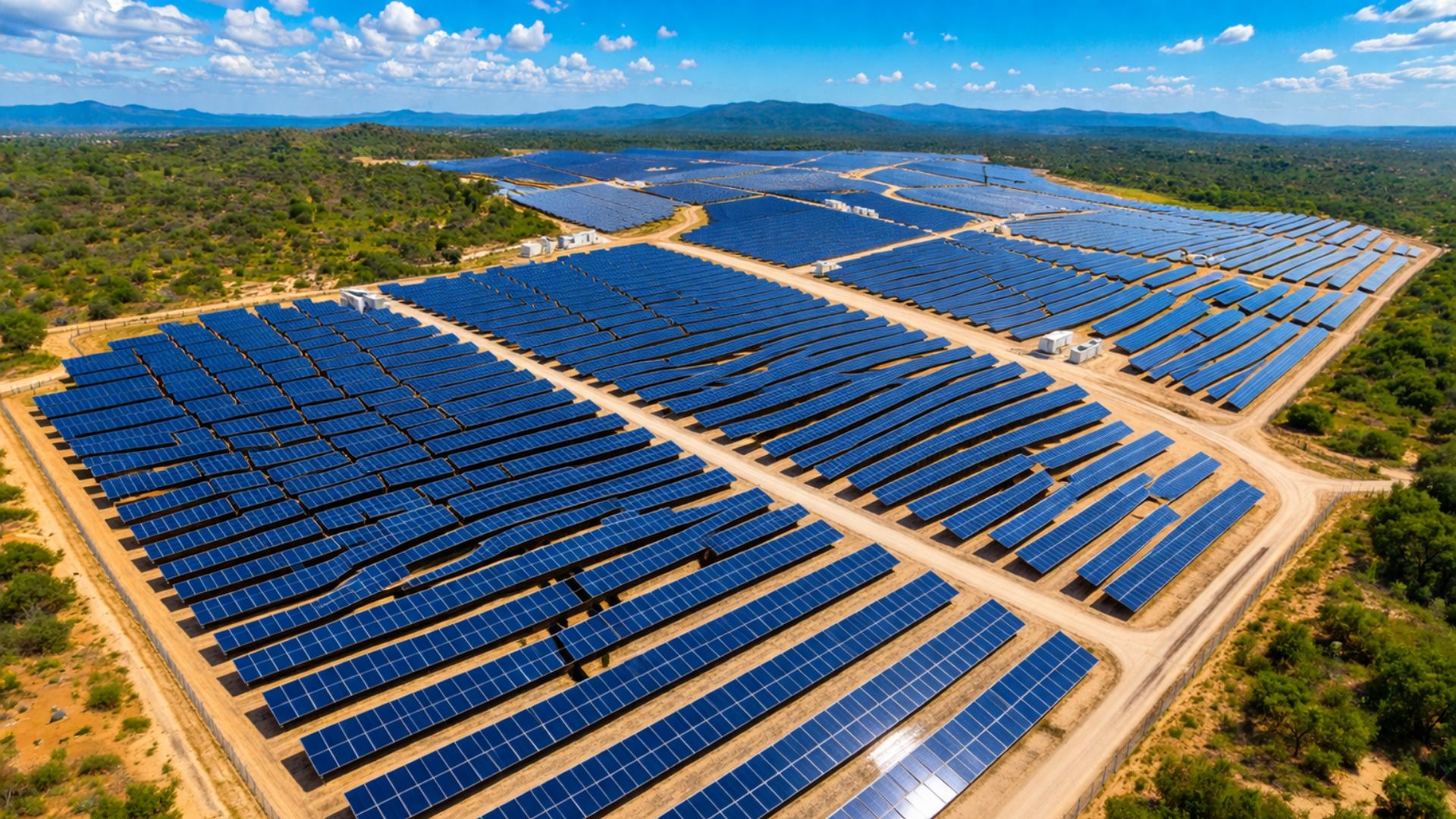
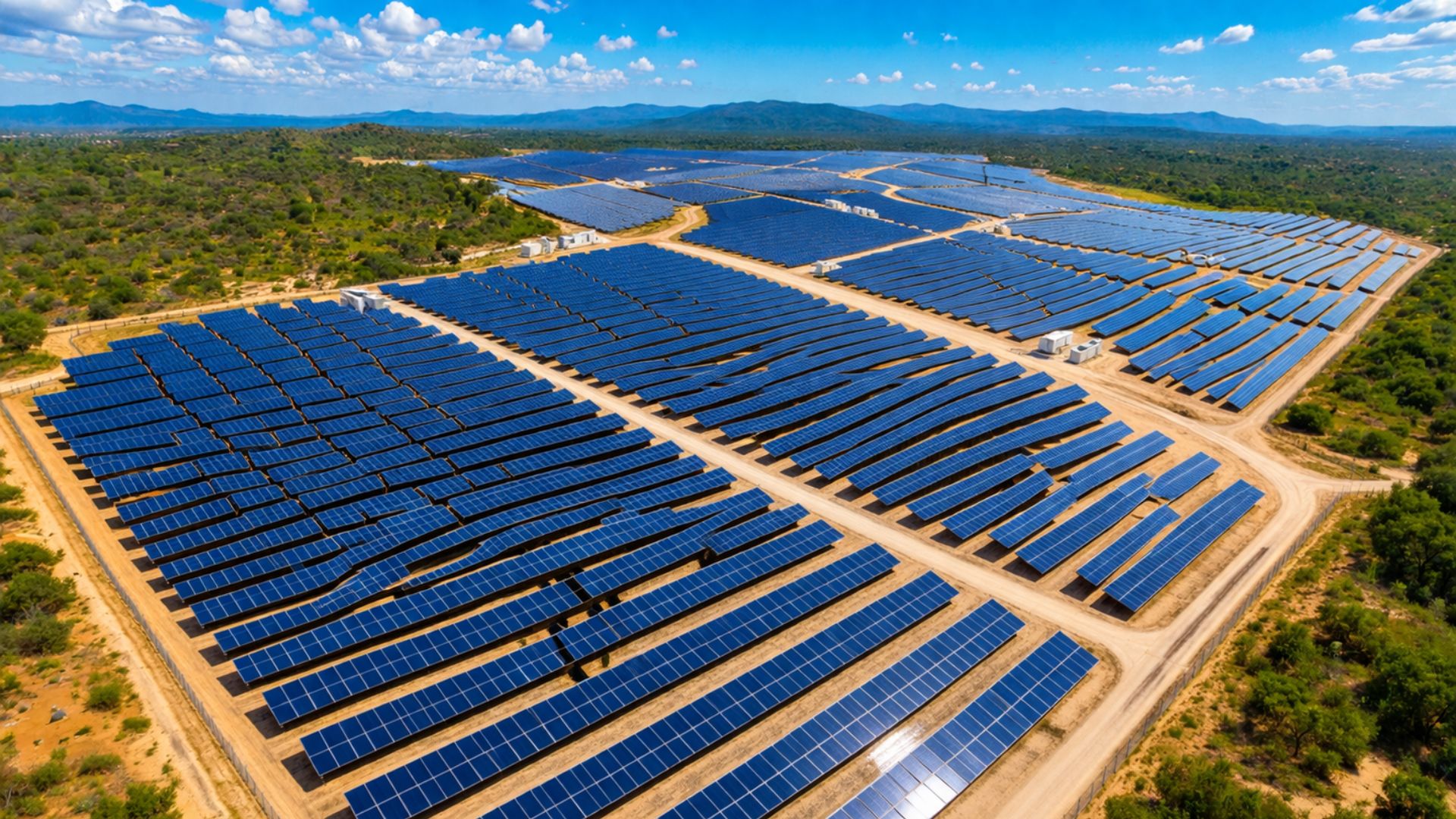
The Sol do Agreste Photovoltaic Complex begins operations in Pernambuco and accelerates the expansion of solar energy in Brazil, directly impacting the reduction of emissions and strengthening the sustainable energy matrix.
-
The Sol do Agreste Photovoltaic Complex begins operations in Pernambuco and accelerates the expansion of solar energy in Brazil, directly impacting the reduction of emissions and strengthening the sustainable energy matrix.
-
Renewable energy advances over protected areas in Brazil, and a survey by the Energy Transition Observatory reveals silent impacts that challenge environmental conservation and pressure sensitive traditional territories.

-
Rio Grande do Sul accelerates energy transition: State invests in renewable technologies and consolidates decarbonization strategies and pathways to attract billions in new industrial investments.


Positive Changes On The Horizon
Recently, the Brazilian government has begun to turn its attention to domestic producers, with the approval of the Decree 11456, aimed at expanding support for the technological development of the semiconductor industry to include the solar energy market. This decree represents a milestone, promoting the reduction to zero of rates for various taxes on raw materials for the manufacture of photovoltaic modules, thus stimulating domestic production and innovation.
This government initiative not only promises to improve domestic production and generate jobs, but also encourages renewable energy sources, contributing to the reduction of photovoltaic installation costs and strengthening the domestic industry. With the tax exemption on essential raw materials, the expectation is a significant reduction in equipment costs, making solar energy even more accessible and viable for Brazilians.
The measure of tax exemption on raw materials for photovoltaic modules is a promising step to strengthen the national solar energy industry, fostering a sustainable growth environment and innovation. The decision to prioritize domestic production not only benefits the internal market but also positions Brazil as a leader in sustainable solar energy in Latin America.










Seja o primeiro a reagir!