






 Portuguese
  Spanish


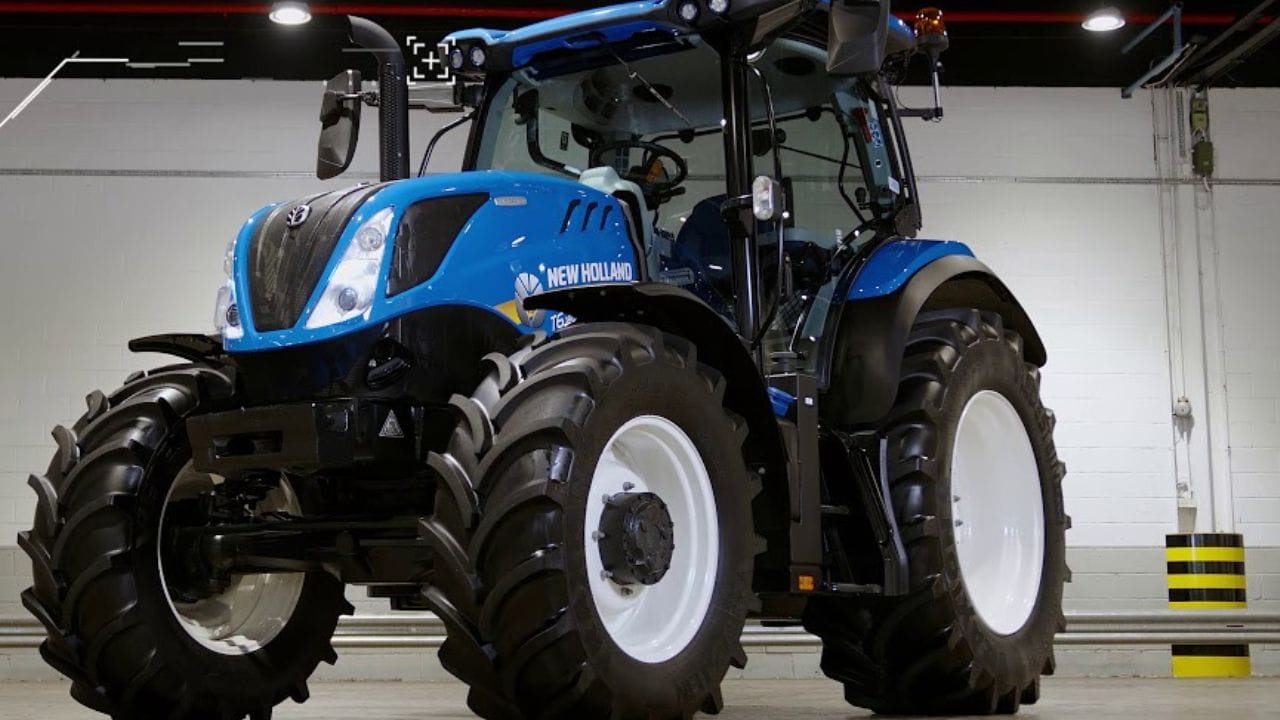


With the hope that biometano becomes a common practice on farms across the country, the New Holland T6 paves the way for a green revolution in Brazilian agriculture, combining innovation, sustainability, and efficiency in an exemplary way.
In the heart of Brasilândia, Mato Grosso do Sul, a green revolution is underway. The local property, in a masterstroke against high diesel prices, which recently hovered around R$ 8 per liter, adopted an innovative and sustainable solution: biometano. This fuel, produced on the farm at a cost of only R$ 1 per cubic meter, is the secret behind the New Holland T6 Metal Power, the first tractor in Brazil powered by biometano. This agriculture giant not only represents a significant breakthrough in terms of energy efficiency and sustainability but also promises savings of R$ 100 per hour compared to diesel.
Engine of the T6 from New Holland

The New Holland T6 is not just another tractor. Its ability to operate on biometano, a much more economical and less polluting fuel, sets it apart as a milestone in the Brazilian agricultural industry. Available in 118 and 132 horsepower versions, the T6 is a medium-sized tractor known for its versatility, capable of performing a wide range of agricultural tasks efficiently and now, with a significantly reduced environmental impact.
Biometano
The biometano used by the T6 is produced from organic waste, such as sugarcane bagasse, fruits, and manure, which would otherwise be released into the atmosphere. This practice not only harnesses a resource that would otherwise be wasted but also contributes to the reduction of greenhouse gas emissions, as methane is four times more harmful than CO2 when released into the atmosphere. Additionally, the use of biometano generates carbon credits, providing an additional financial advantage to rural producers.
-
At 14 years old, she worked in a factory in Hong Kong, studied economics abroad, and then entered the Chinese real estate market, which helped change the landscape of Beijing.

-
While NATO secured more than $10 billion in missiles and space surveillance at a single forum, Brazil still spends 1.1% of its GDP on defense and is stalling its own anti-aircraft system.

-
Producer receives news and had to cull almost the entire herd, bounced back with the help of compensation, and is now producing 450 liters of milk per day in SC.

-
Corn ethanol attracts R$ 23 billion in 21 new plants and prepares for a nearly 50% jump in Brazilian production by 2027, even with high interest rates.


Economy
The adoption of the New Holland T6 powered by biometano results not only in environmental benefits but also in direct savings for the producer. With significantly lower operating costs compared to diesel, the annual savings can reach R$ 260 thousand per machine, along with avoiding the emission of 460 tons of CO2. These numbers not only justify the higher initial investment in the T6 Metal Power but also encourage the adoption of more sustainable and economical agricultural practices.
The experience of Fazenda São Francisco with the New Holland T6 Metal Power is a testament to the potential of biometano as a clean and economical fuel in agriculture. By becoming more independent from fossil fuels and reducing its carbon footprint, the property not only saves significantly on operational costs but also contributes to a more sustainable future.
With the hope that biometano becomes a common practice on farms across the country, the New Holland T6 paves the way for a green revolution in Brazilian agriculture, combining innovation, sustainability, and efficiency in an exemplary way.


