





 Portuguese
  English
  Spanish
  3 min of reading
  1 comment




Find Out If Solar Energy Investments Are Good and If They Can Bring You Long-Term Profits
In the current scenario of search for economy and sustainability, solar energy stands out as an increasingly viable option. With the possibility of significantly reducing your electricity bill and contributing to the environment, photovoltaic panels have become a popular choice among consumers, according to the video from the Planarq Campos channel.
Savings on Your Electricity Bill
One of the main attractions of investing in solar energy is the savings it can provide. By installing photovoltaic panels in your home, you can nearly eliminate your electricity bill, paying only the minimum fee to the utility company. In some cases, it is even possible to generate energy credits that can be used in other properties of the same owner.
Is the Investment Worth It or Not?


How Does Solar Energy Work?
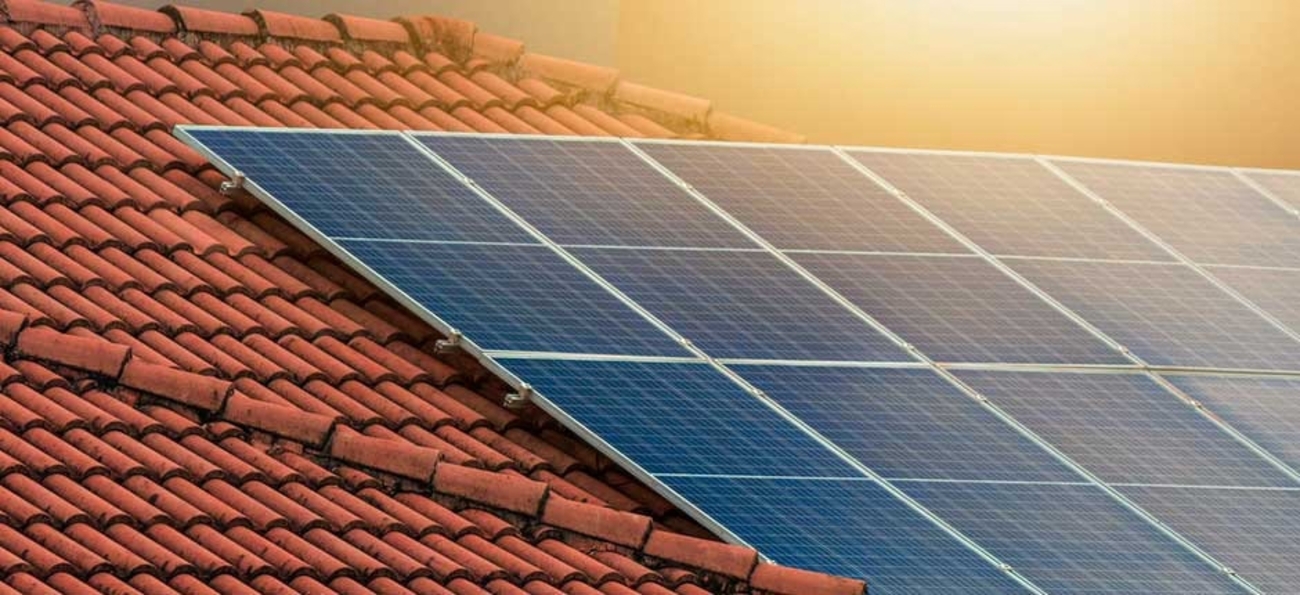
Photovoltaic panels are made up of photovoltaic cells that convert sunlight into electricity. This electricity is then sent to an inverter, which converts it into alternating current, ready for use in your home. The system can be connected to the utility company’s electrical grid (on-grid) or operate independently (off-grid), using batteries to store energy.
-
Renewable energy advances over protected areas in Brazil, and a survey by the Energy Transition Observatory reveals silent impacts that challenge environmental conservation and pressure sensitive traditional territories.

-
Rio Grande do Sul accelerates energy transition: State invests in renewable technologies and consolidates decarbonization strategies and pathways to attract billions in new industrial investments.

-
With 160,000 m² of collectors, an area larger than 20 football fields, Silkeborg, in Denmark, hosts a solar thermal plant that heats 19,500 homes and could become the largest solar heating plant in the world.

-
A study reveals the expansion of renewable energy procurement in Brazil and shows how companies are taking advantage of opportunities to reduce expenses, ensure energy efficiency, and strengthen strategic environmental commitments.


Pros and Cons of Solar Energy
Solar energy has various advantages, such as significant reductions in electricity bills, long lifespan of the panels (about 25 years), and increased property value. On the other hand, the initial cost can be high, and the efficiency of the system may be affected by shading or unsuitable locations.
Before installing a solar energy system, it is important to assess the available space on the roof, the energy demand of the residence, and the solar incidence in the region. Additionally, it is essential to hire a specialized company to carry out the project and installation correctly.
Investing in Photovoltaic Solar Energy: What Is the Monthly Financial Return?
By way of example, investing 100 thousand reais in photovoltaic energy allows for the construction of a 30 kWp (kilowatt-peak) power plant, which is equivalent to generating enough energy to cover the monthly consumption of approximately four thousand kWh (kilowatt-hours).
Such an investment can meet the energy demand of small commercial establishments, such as bakeries, grocery stores, and butcher shops. With an average monthly consumption of four thousand kWh, the cost of this energy ranges between 6 thousand and 8 thousand reais per month.
Caution: Investment Depends on Various Factors
The decision between building your own power plant or renting the equipment depends on the consumer’s profile. For those with high consumption, the average monthly return from renting the equipment is 6 thousand to 8 thousand reais. For those looking to rent the plant, the average monthly return is around 6 thousand reais.
It is important to highlight that these values are based on a 30 kWp power plant, which can be set up with an investment of 100 thousand reais.









Boa tarde.
Gostaria de mais informações sonbre a turbina eólica e a energia solar.