





 Portuguese
  English
  Spanish
  5 min of reading
  0 comments


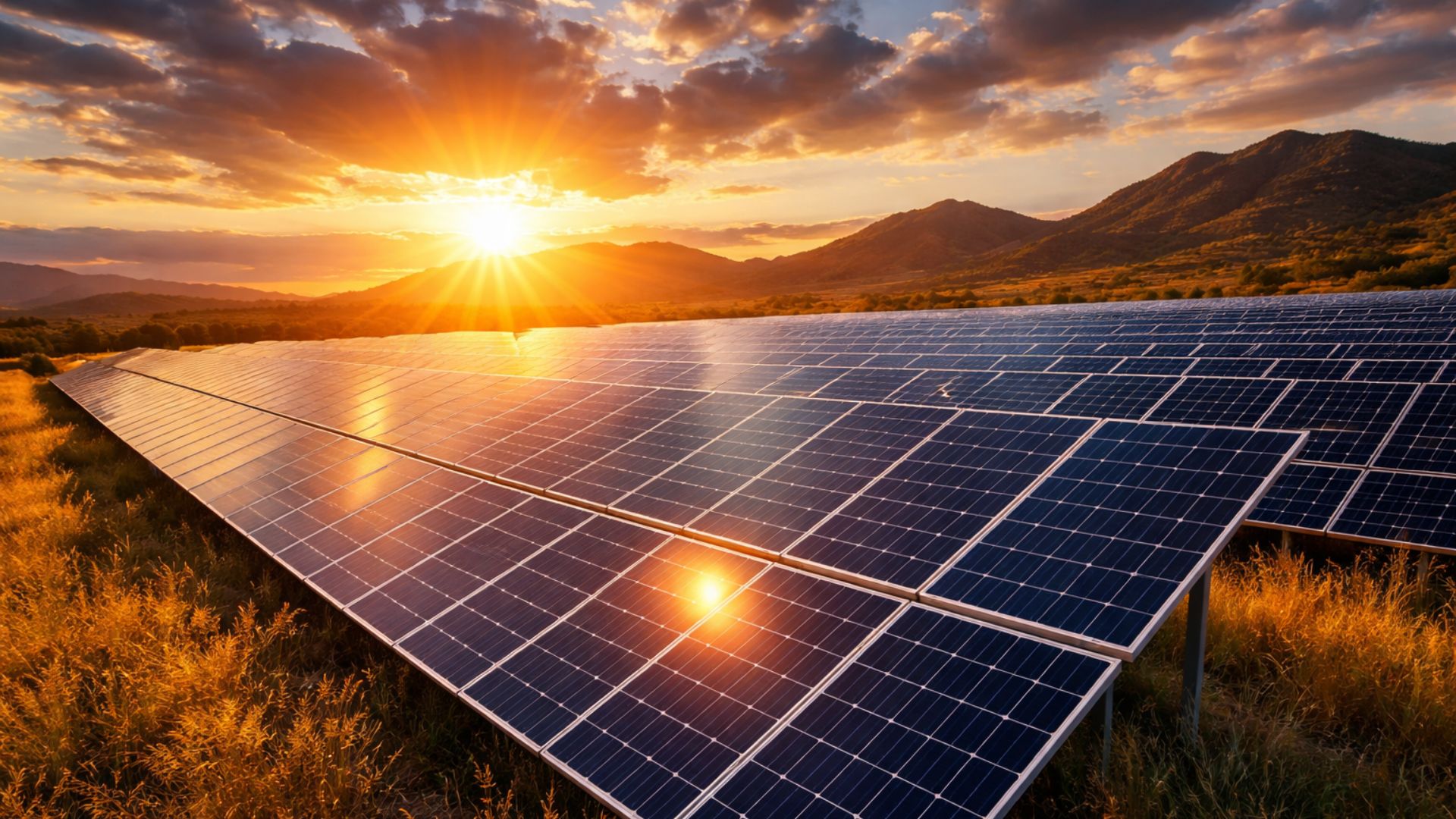
In January 2026, Solar Energy Led The Expansion Of The Brazilian Electricity Matrix, Expanding Renewable Capacity With New Photovoltaic Plants And Accelerating The Energy Transition.
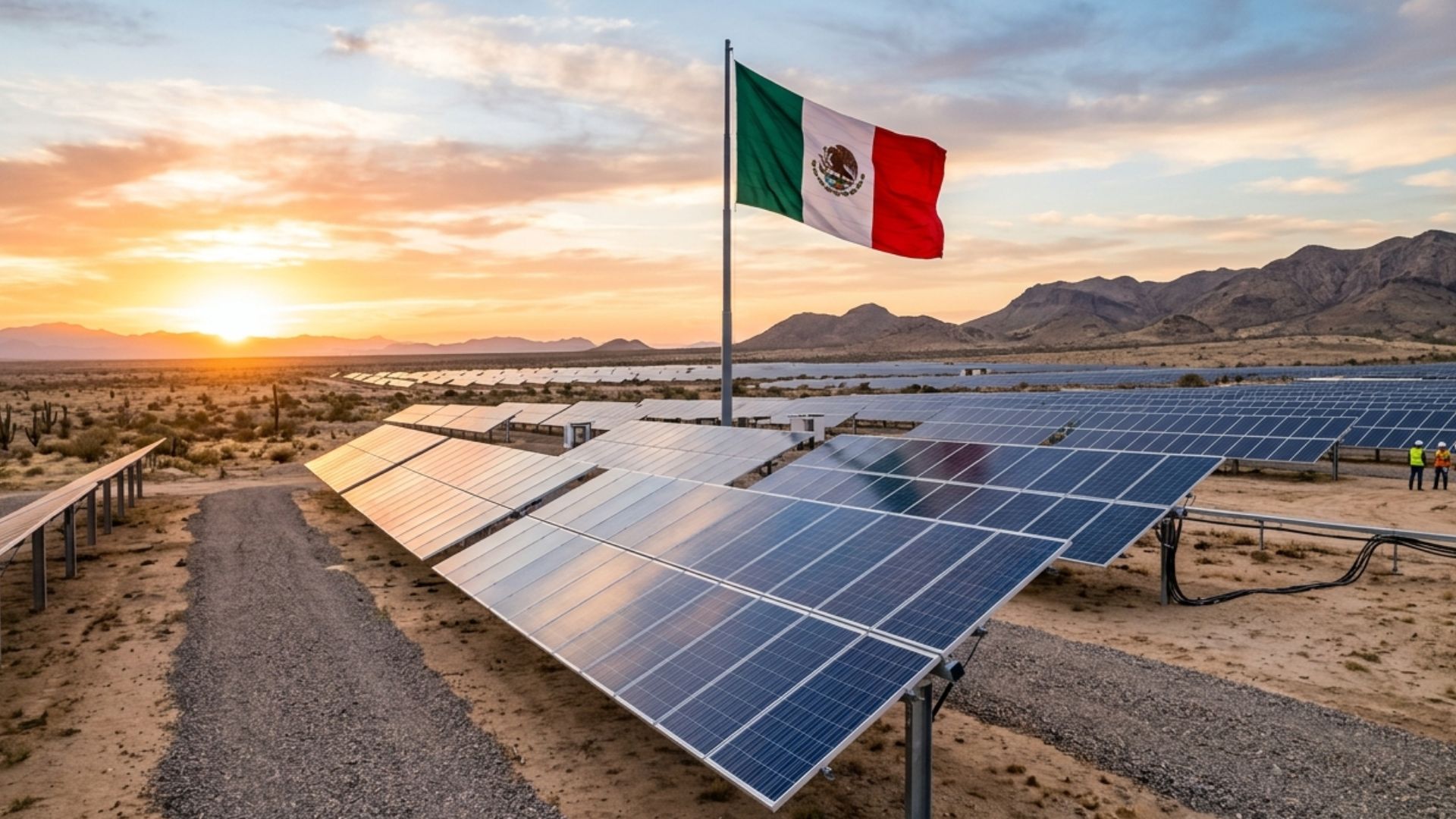
January 2026 marked a strategic advancement for the national electric sector. The solar energy leads the growth of the Brazilian electricity matrix, with the commissioning of 543 megawatts (MW) of new generation capacity, according to official data from the National Electric Energy Agency (Aneel). Of the total integrated into the system during the month, 509 MW came from solar plants, reinforcing the prominence of clean sources in expanding the country’s renewable capacity.
According to an article published by the Eixos agency this Thursday (12th), right at the beginning of the year, Brazil added 13 new plants to its electricity matrix. Of these, 11 are photovoltaic plants, one is a thermoelectric plant, and another is a small hydropower plant. The data demonstrates that, in addition to being established, solar energy is advancing at a consistent pace and accelerating the energy transition in Brazil. At the same time, the diversification of sources strengthens the security of the national electric system.
Solar Energy Drives The Brazilian Electricity Matrix In January
This movement gains even more relevance in light of Aneel’s projections for 2026. According to the regulatory agency, centralized solar energy generation is expected to account for almost half of the expansion of electric generation capacity this year, with an estimated growth of 4.56 gigawatts (GW). Therefore, the growth recorded in January already signals the structural trend of strengthening photovoltaic plants within the Brazilian electricity matrix.
-
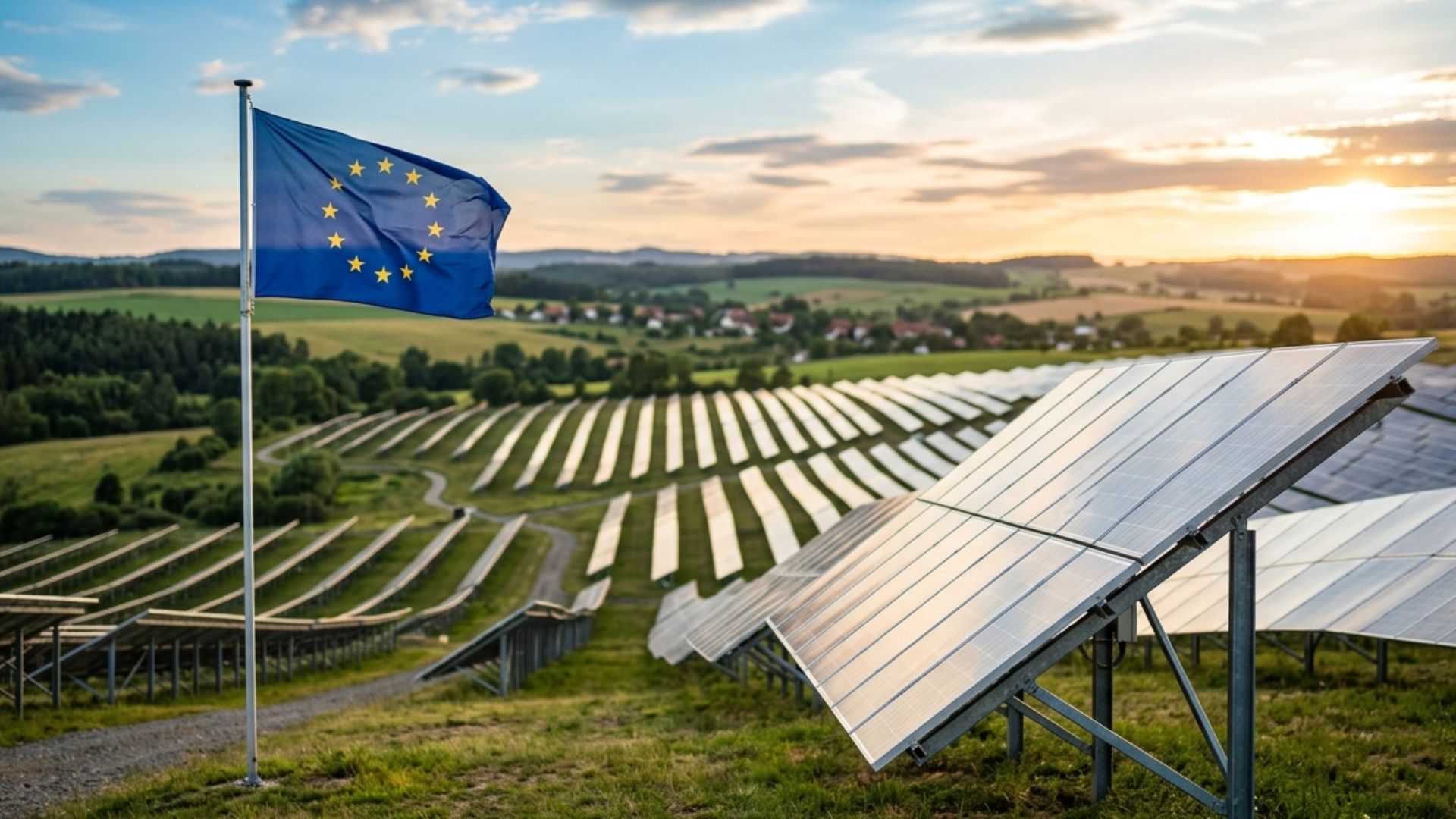
Europe records strong euro economy with solar energy in March and sparks curiosity about which country leads growth that redefines the energy market and reduces costs.
-
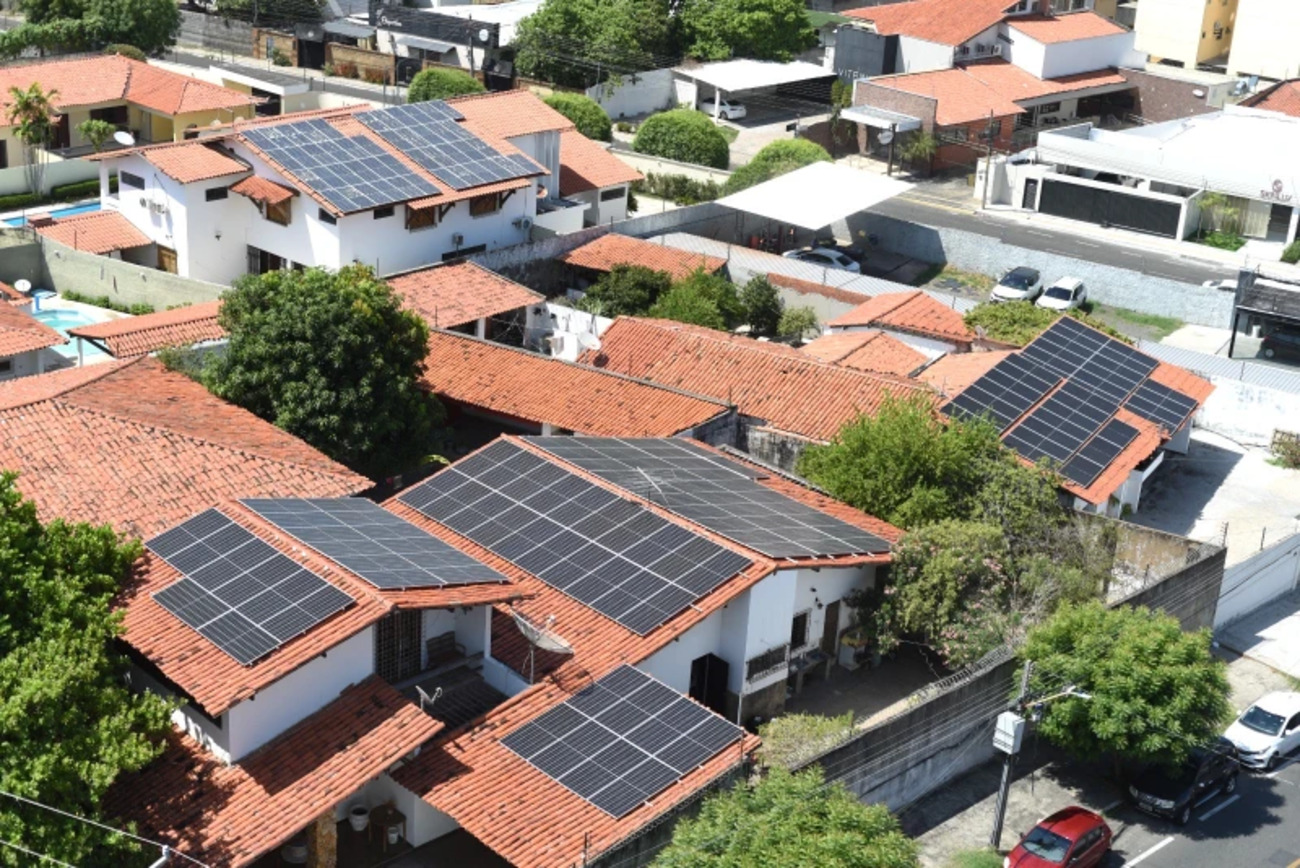
Piauí reaches a historic milestone in energy transition: State records nearly 160,000 households powered by solar energy and leads growth in the Northeast.
-
Argentina debuts its first 100% solar-powered highway and transforms an entire road into a showcase of clean energy.

-
Minas Gerais reaches a historic record and surpasses the power of Itaipu, but network costs generate debate: Understand why solar energy in MG impacts the electricity bill of those without panels.
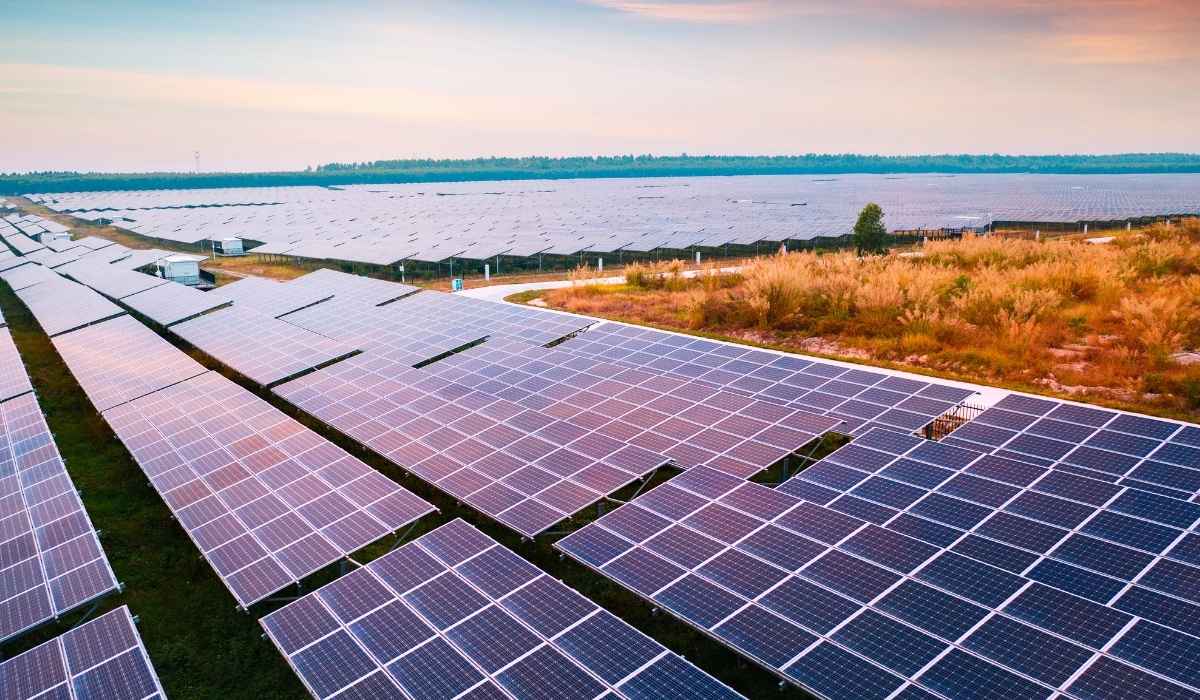

The increase of 543 MW in the electricity matrix in January was predominantly supported by solar energy. Of the 13 plants that began commercial operations, 11 are photovoltaic plants, responsible for 509 MW of the total expansion.
Currently, Brazil has 216.5 GW of surveyed capacity, according to data from Aneel. Of this total, 47.45% corresponds to hydropower plants, and 22.79% are thermoelectric plants. Although hydropower remains predominant in the electricity matrix, there is a gradual process of diversification. In this context, solar energy stands out as the main vector of expansion.
Moreover, the speed of implementing photovoltaic plants allows for a quicker increase in renewable capacity compared to large hydropower projects. In this way, the country can respond more efficiently to the growing demand for electricity.
Photovoltaic Plants Expand Renewable Capacity In Four States
The new photovoltaic plants that began operations are distributed across four Brazilian states, highlighting the territorial expansion of solar energy and strengthening the regional electricity matrix.
Minas Gerais led the growth, with nine solar plants totaling 409 MW of installed capacity. Bahia contributed two plants, totaling 100 MW. Meanwhile, Pará received a thermoelectric plant of 20 MW, and Paraná added a small hydropower plant of 14 MW.
Minas Gerais accounted for more than 75% of the new solar power installed in January. This prominence reinforces the state’s position as one of the main hubs for photovoltaic plants in the country. At the same time, Bahia maintains its strategic role in renewable generation.
The expansion of photovoltaic plants in different regions increases renewable capacity in a decentralized manner. Consequently, the geographical concentration of electricity generation is reduced, strengthening the stability of the Brazilian electricity matrix.
In addition to the energy impact, the new ventures boost local economies, create jobs, and attract investments. Thus, solar energy contributes not only to the energy transition but also to sustainable regional development.
Projections For 2026 Reinforce Solar Energy’s Role In The Electricity Matrix
According to Aneel, centralized solar energy generation is expected to add 4.56 GW to the electricity matrix throughout 2026. This volume will represent almost half of the total expansion projected for the period.
This is a significant growth capable of redefining the balance between generation sources. The increase in renewable capacity through photovoltaic plants confirms that solar energy has become a central part of energy planning, rather than being just complementary.
Furthermore, the reduction in technological costs and greater regulatory predictability drive new investments. As a result, solar energy maintains a rapid growth pace, solidifying its position as a leader in Brazil’s energy transition.
While other sources advance at a moderate pace, solar expansion stands out for its rapid deployment and scalability of projects. This way, the electricity matrix becomes more flexible and adaptable to market needs.


More Diversified Electricity Matrix And Strengthened Renewable Capacity
The Brazilian electricity matrix is already internationally recognized for the high participation of renewable sources. However, diversification remains fundamental to increasing energy security.
Although hydropower represents almost half of the surveyed capacity, climatic factors can affect its production. In this scenario, solar energy serves as a strategic complement, especially during drought periods.
The complementarity between sources strengthens the reliability of the electric system. When reservoirs are low, photovoltaic plants can help balance energy supply.
Additionally, the expansion of renewable capacity reduces dependence on fossil fuels used in thermoelectric plants. Consequently, it decreases exposure to international price fluctuations and greenhouse gas emissions.
Therefore, the advancement of solar energy within the electricity matrix represents not only quantitative growth but also qualitative improvement of the national energy system.
Solar Energy And The Acceleration Of The Energy Transition In Brazil
The energy transition is a global process that seeks to replace fossil sources with clean and sustainable alternatives. In Brazil, solar energy plays a central role in this transformation.
By expanding renewable capacity, the country reduces emissions and strengthens environmental commitments. Moreover, the expansion of photovoltaic plants stimulates technological innovation and industrial development.
The energy transition is also an economic strategy. The growth of solar energy attracts investments, creates jobs, and promotes international competitiveness. At the same time, energy security is increased, reducing risks associated with fossil fuel volatility.
Another relevant point is the predictability of solar generation. Although intermittent, its production can be accurately estimated using meteorological models. Thus, the planning of the electricity matrix becomes more efficient. In this way, solar energy ceases to be merely an environmental alternative and becomes a structural component of Brazil’s energy strategy.

Solar Energy Consolidates Leadership In The Expansion Of The Electricity Matrix
With 509 MW from photovoltaic plants, this source accounted for the vast majority of the new capacity installed in the month. Furthermore, Aneel projections indicate the continuation of this progress throughout the year, with an expectation of an additional 4.56 GW.
The Brazilian electricity matrix is undergoing a substantial structural transformation. The increase in renewable capacity, the strengthening of photovoltaic plants, and the acceleration of the energy transition demonstrate that the country is consistently moving towards a more sustainable model.
In summary, solar energy solidifies its role as a strategic vector to ensure energy security, economic competitiveness, and environmental sustainability. The performance recorded in January is not an isolated event but part of a continuous movement that redefines the future of Brazil’s electricity matrix.







-

-

2 pessoas reagiram a isso.