





 Portuguese
  English
  Spanish
 4 min of reading
  0 comments


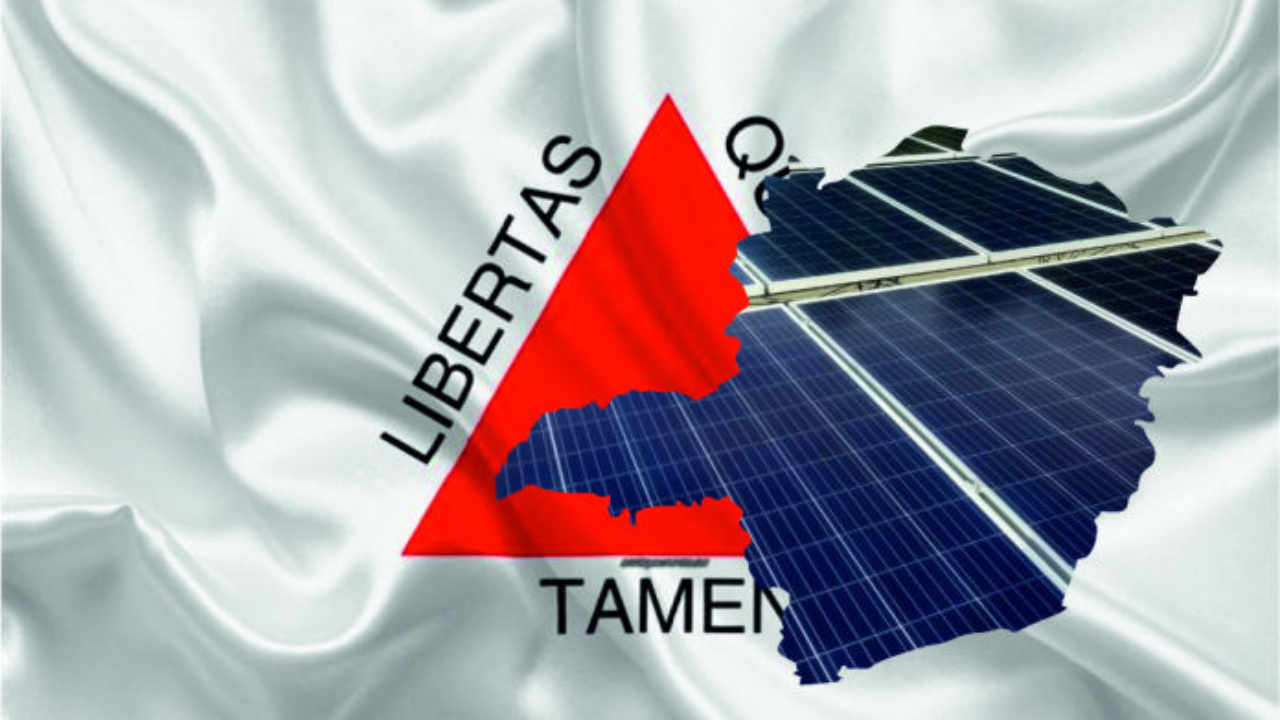
The Expansion of Solar Energy in Minas Gerais Decreased 58% in 2025. The State Remains a National Highlight, But the Resumption of Growth Depends on attracting Datacenters and Green Hydrogen Projects.
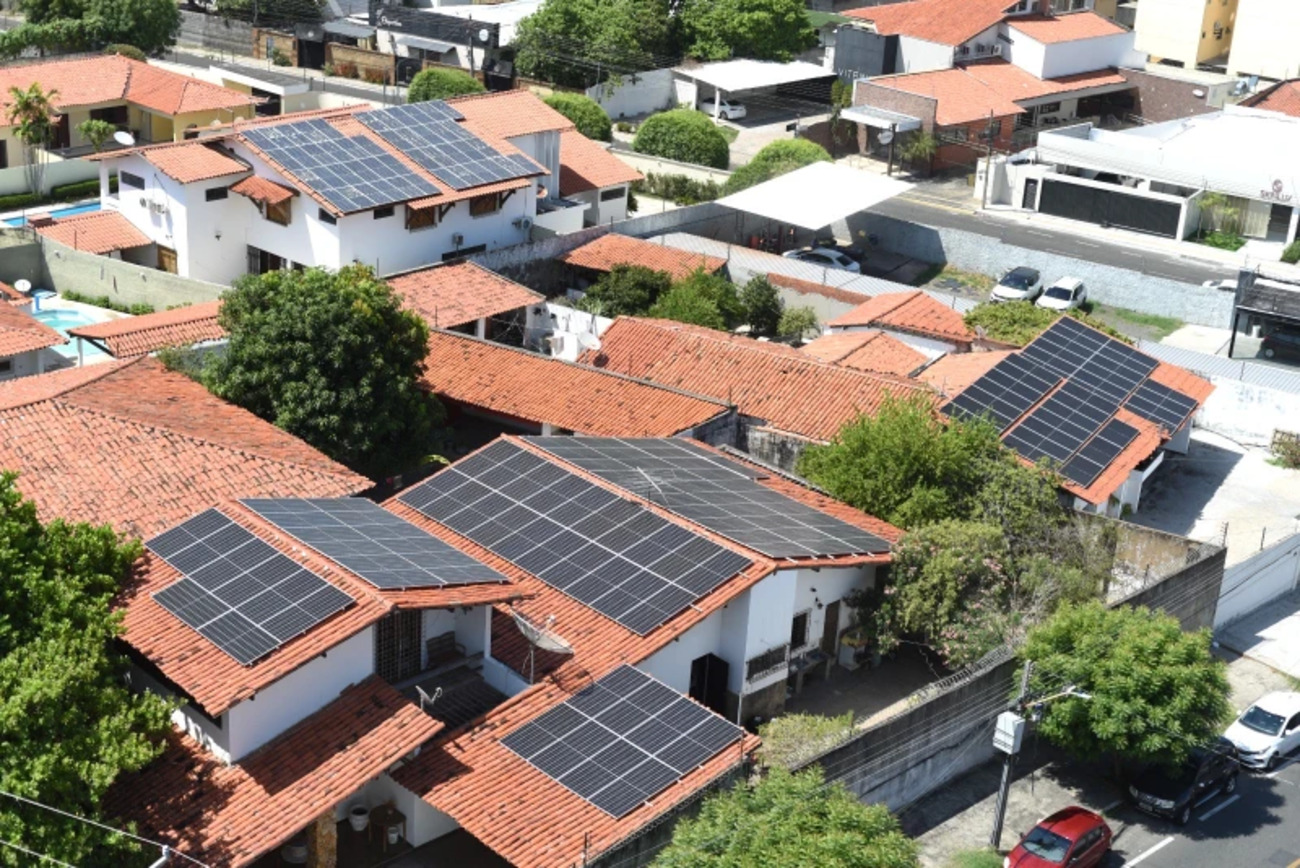
The expansion of energy supply in Minas Gerais lost momentum in 2025, even with solar energy remaining a key player in the state’s electric matrix.
Between January and November, the state added 1.2 gigawatts (GW) of new plants, a significantly lower volume compared to the same period in 2024, when the increase reached 2.9 GW. In practice, this represents a 58% retraction in the growth rate.
Still, solar energy remains the main driver of this expansion. The slowdown, according to industry experts, is not linked to a lack of projects, but rather to a mismatch between energy supply and demand in the state.
-
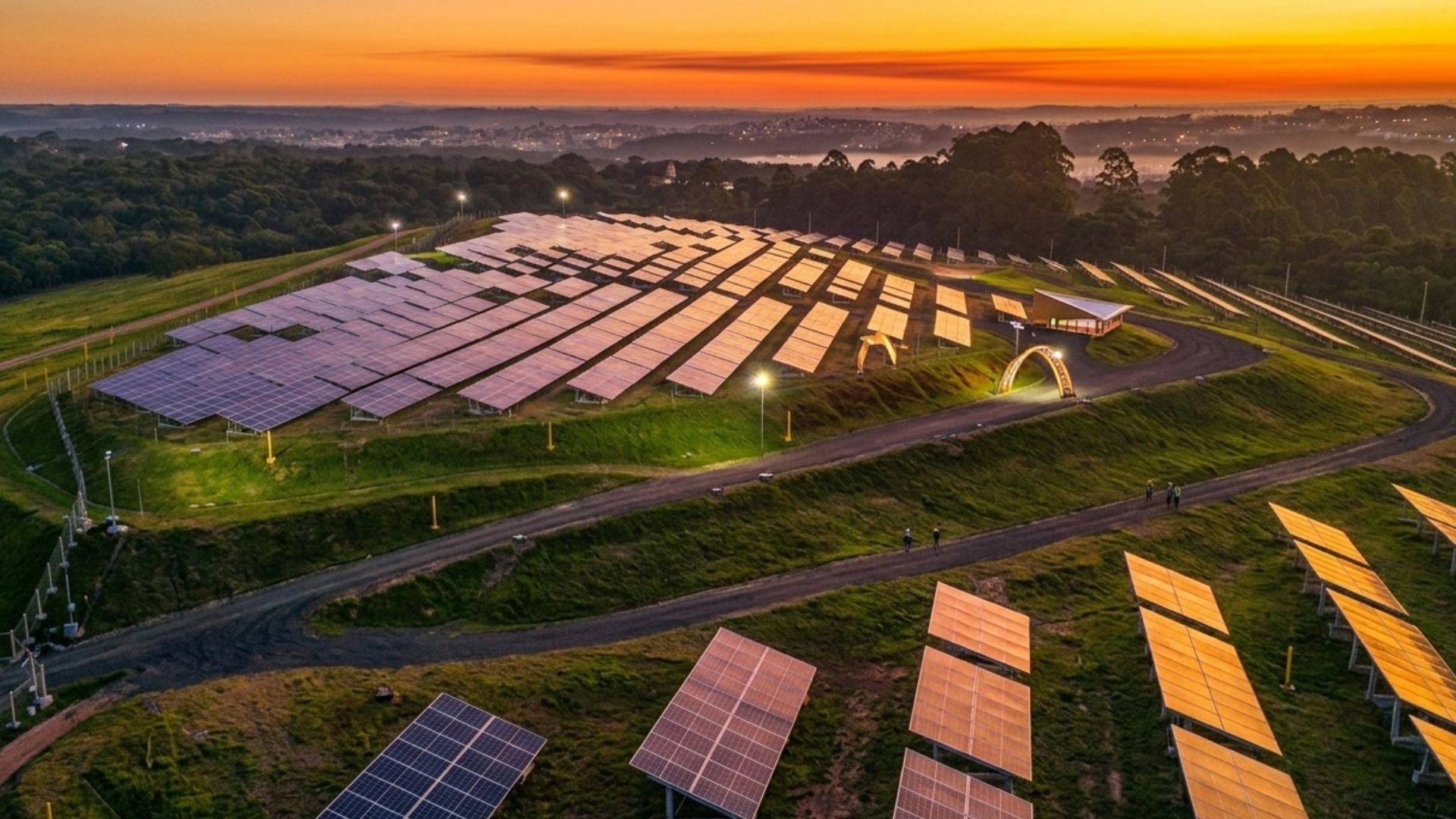
Seagri’s headquarters invests in solar energy with Neoenergia Coelba and promises to cut electricity costs, highlighting a strategic advance in sustainability and energy efficiency within state public administration.
-
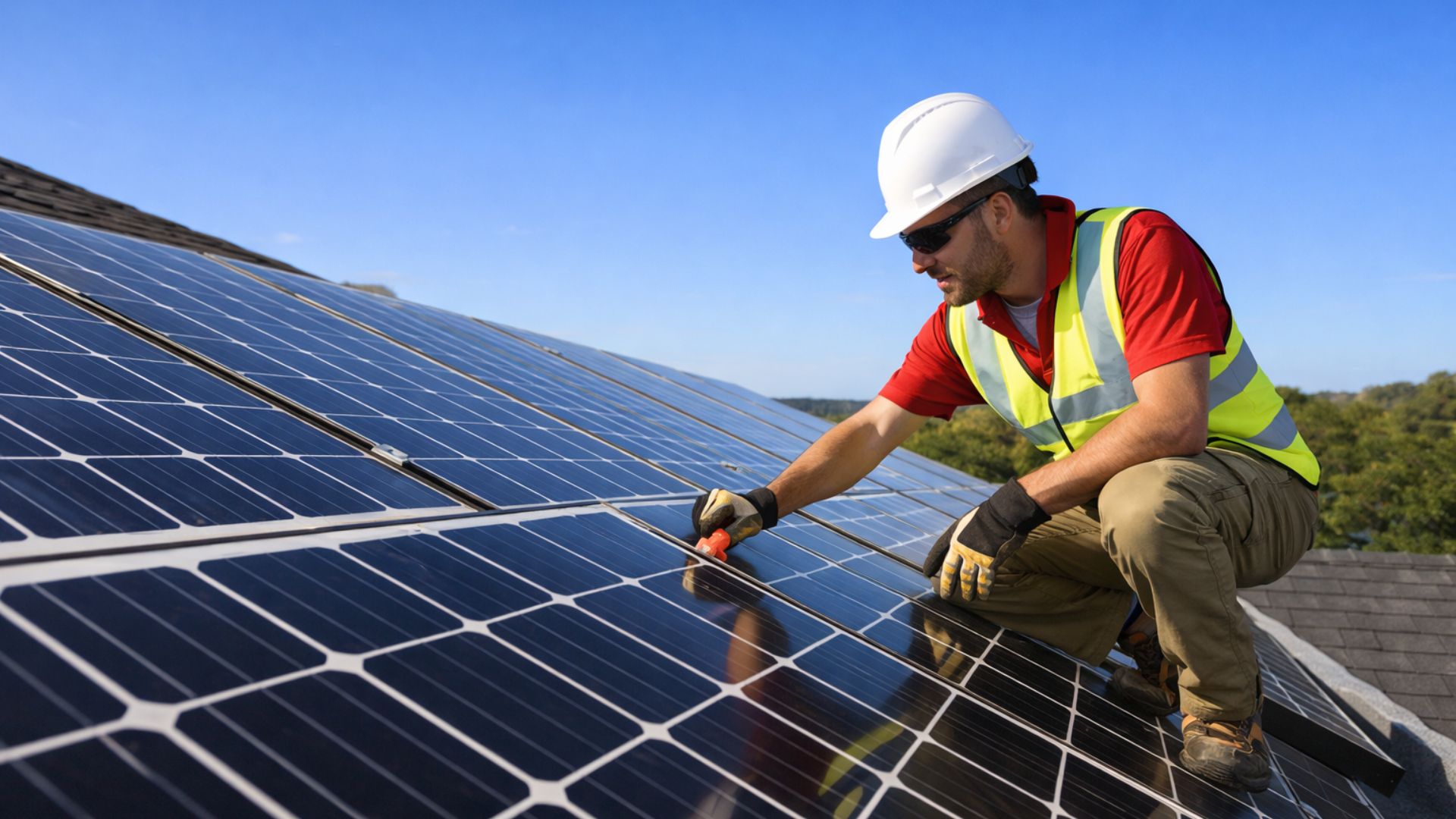
Solar Pyramid draws attention by converting solar energy into million-dollar savings and repositioning the City Hall of Curitiba as an example of innovation, sustainability, and intelligent use of public resources.
-
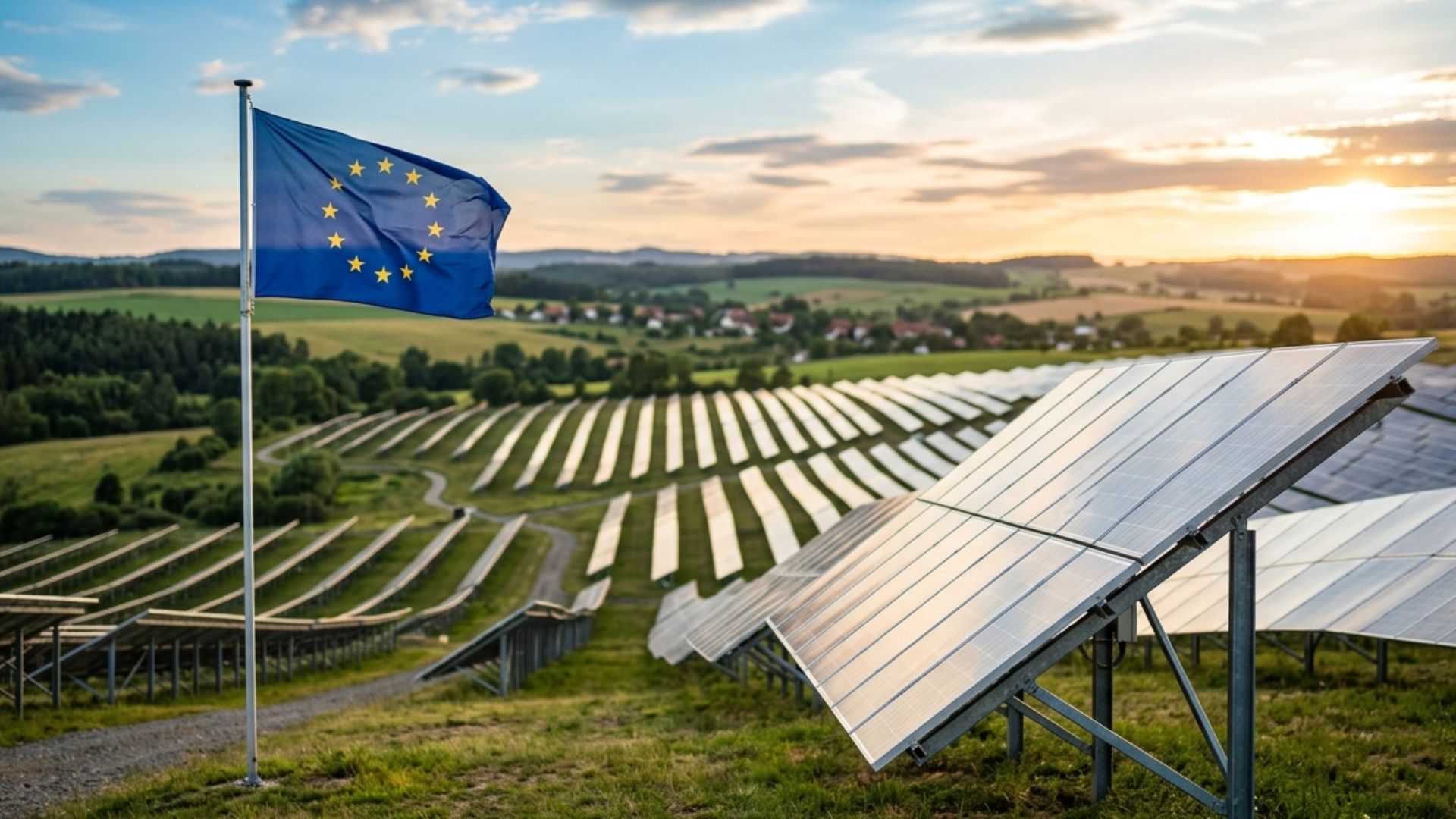
Europe records strong euro economy with solar energy in March and sparks curiosity about which country leads growth that redefines the energy market and reduces costs.
-
Piauí reaches a historic milestone in energy transition: State records nearly 160,000 households powered by solar energy and leads growth in the Northeast.
Supply Grows Faster Than Energy Consumption
In recent years, Minas Gerais experienced a phase of accelerated electric generation expansion, mainly driven by solar energy projects. However, consumption did not keep pace with this advancement. As a result, the market is currently going through a period of adjustment.
According to the energy market consultant from the Federation of Industries of the State of Minas Gerais (Fiemg), Sérgio Pataca, part of the growth observed in 2025 still reflects decisions made previously. “Part of the results seen in 2025 is the leftover from initiatives from previous years,” he emphasizes.
According to him, after a so-called “golden phase” of investments, sustained by government incentives, the sector naturally tends toward a period of reduced new project volume.
Resumption Depends on Intensive Consumption Projects
For Minas to accelerate the expansion of energy supply again, especially solar energy, it will be necessary to stimulate demand. In this scenario, intensive consumption projects, such as datacenters and green hydrogen plants, gain prominence.
These enterprises require large volumes of energy continuously. Therefore, they act as anchors for new generation investments. Without this increase in industrial consumption, growth is likely to remain more contained in the coming years.
“If we do not increase the demand for industrial consumption, there will not be such a significant expansion in the coming years,” says Pataca. He also notes that the country’s economic performance will be crucial to unlocking new investment cycles.
Market Goes Through a Phase of Energy Oversupply
Currently, the sector’s assessment is that Brazil is facing an oversupply of energy. Between 2022 and 2024, there was a high volume of investments in generation, especially in renewable sources like solar energy.
Nevertheless, the growth in consumption has not occurred at the same rate. “In this sense, we have a curve heading towards a stabilization of demand,” adds the Fiemg consultant.
On the other hand, there is a positive factor in this context. Implementation costs have decreased significantly in recent years. This keeps projects financially viable, even with an increase in investment return time, known as payback.
Lower Costs Reduce Dependence on Public Incentives
With the drop in costs, many solar energy projects no longer directly depend on government subsidies. Still, Pataca believes that the government can play an important role in resuming growth.
<p“Regarding the government, it is possible to incentivize by subsidizing large energy consumers or expanding the possibility of hourly tariffs, with greater appeal for times of lower consumption, such as 12 PM to 3 PM,” he argues.
This type of policy could stimulate consumption during specific periods of the day and make the system more efficient, in addition to promoting the expansion of new solar plants.
Minas Remains Among the National Leaders in Energy Expansion
Despite the slowdown, Minas Gerais maintained a prominent position in the national landscape. Until November, the state expanded its supply by 1,214.75 megawatts (MW), with predominantly photovoltaic projects. The North, Northeast, and Triângulo Mineiro regions concentrate most of these new solar energy plants.
During the same period, Brazil added 6,751.03 MW to the electric matrix, from 118 new plants. Thermal plants led with 2,493 MW, while solar energy followed closely, with 2,464 MW incorporated into the system.
The expansion reached 17 Brazilian states. In the national ranking, Minas occupies the second position, behind only Rio de Janeiro, which added 1,672.60 MW. Bahia follows, with 1,011 MW, reinforcing the relevance of solar energy in transforming the country’s electric matrix.





Seja o primeiro a reagir!