





 Portuguese
  English
  Spanish
  2 min of reading
  0 comments


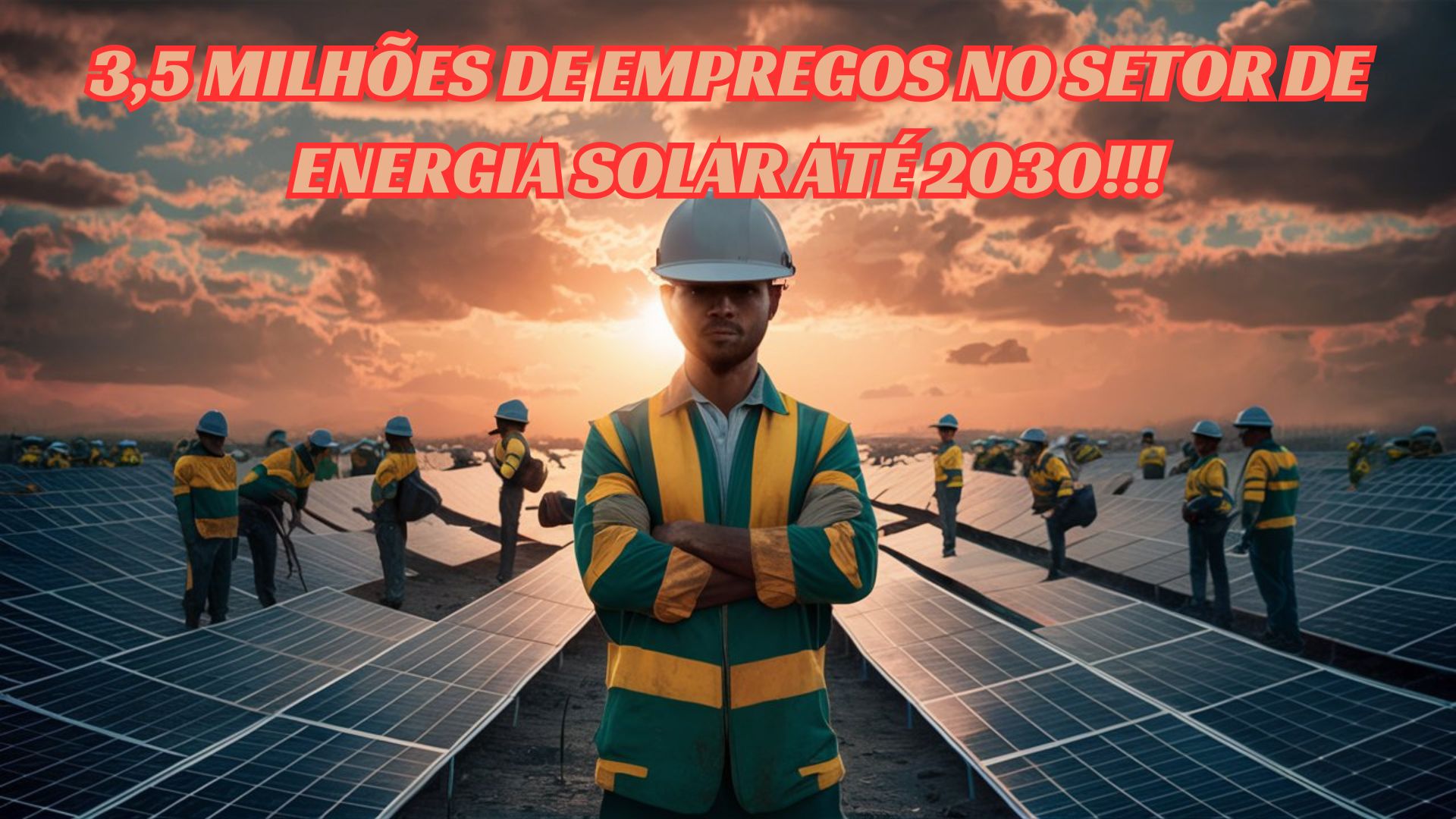
Discover How Solar Energy Is Revolutionizing The Job Market In Brazil, Creating Millions Of Jobs And Boosting The Economy With Optimistic Outlooks For The Future.
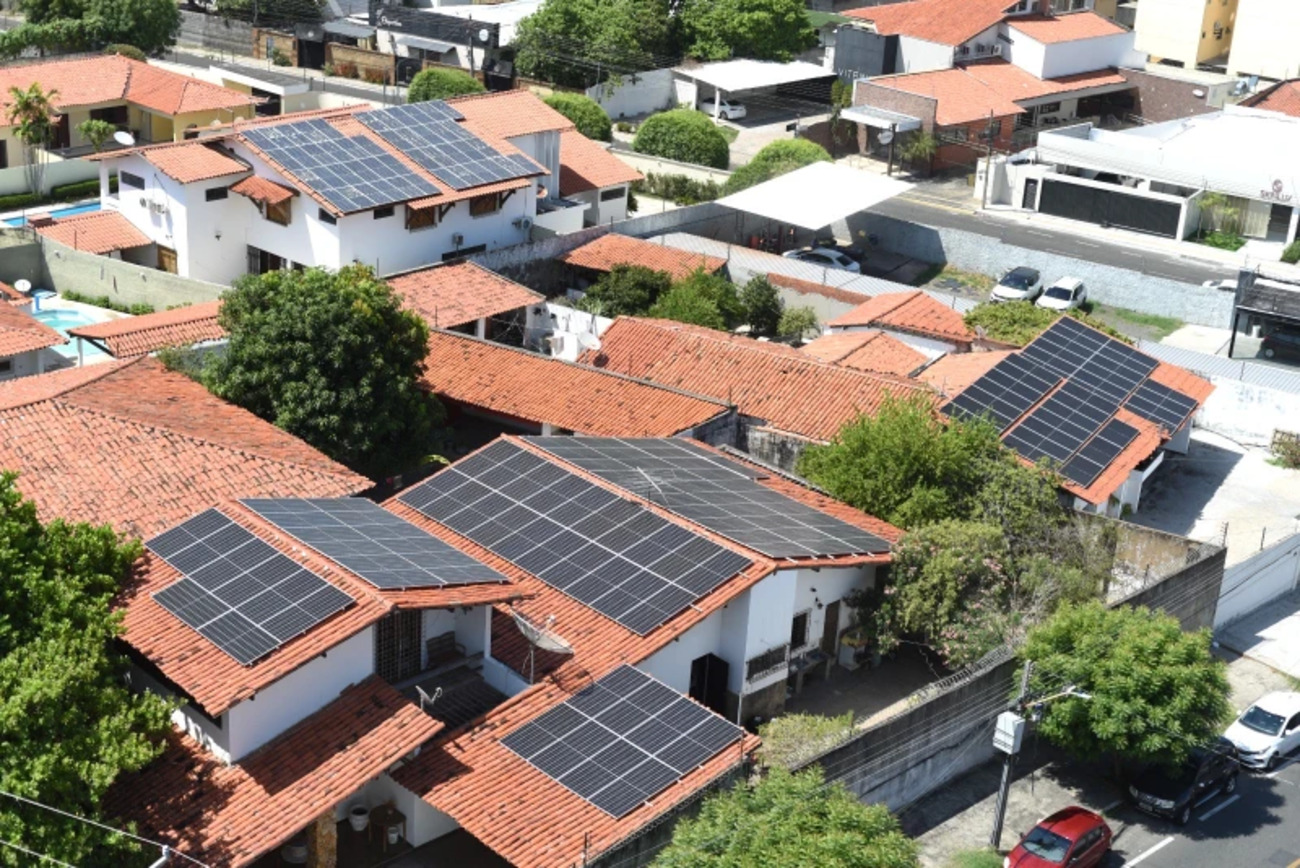
The solar energy sector in Brazil has been growing consistently, offering opportunities in various areas and transforming the job market. Since 2012, when the National Electric Energy Agency (ANEEL) regulated photovoltaic technology, the market has created over 1.4 million jobs, according to projections from Descarbonize Soluções. Consequently, projections indicate that this number is expected to reach 3.5 million by 2030, according to the Brazilian Association of Photovoltaic Solar Energy (ABSOLAR). Thus, solar energy has established itself as an important driver for the country’s economic development.
Why Is Solar Energy An Engine Of Economic Development?
Since solar energy began to be regulated, Brazil has seen its market grow rapidly. According to data from the International Renewable Energy Agency (IRENA), released in 2023, the country ranks 4th globally in job generation within the sector. In addition, solar energy has already reached 49.3 GW of operational capacity in 2024, solidifying Brazil as one of the global leaders in renewable energy. This continuous growth reflects the positive economic impact the sector brings while driving job creation in different regions of the country.
Impact On The Job Market And Outlook
Solar energy has been generating significant impacts on the Brazilian job market. Since 2018, with the increasing popularity of photovoltaic systems, the demand for skilled workers has grown exponentially. As highlighted by Milena Andrade from Descarbonize Soluções, the sector not only creates jobs but also attracts professionals interested in specialization. Thus, the solar market positions itself as a solid and promising alternative for those seeking job opportunities in an expanding sector.
-
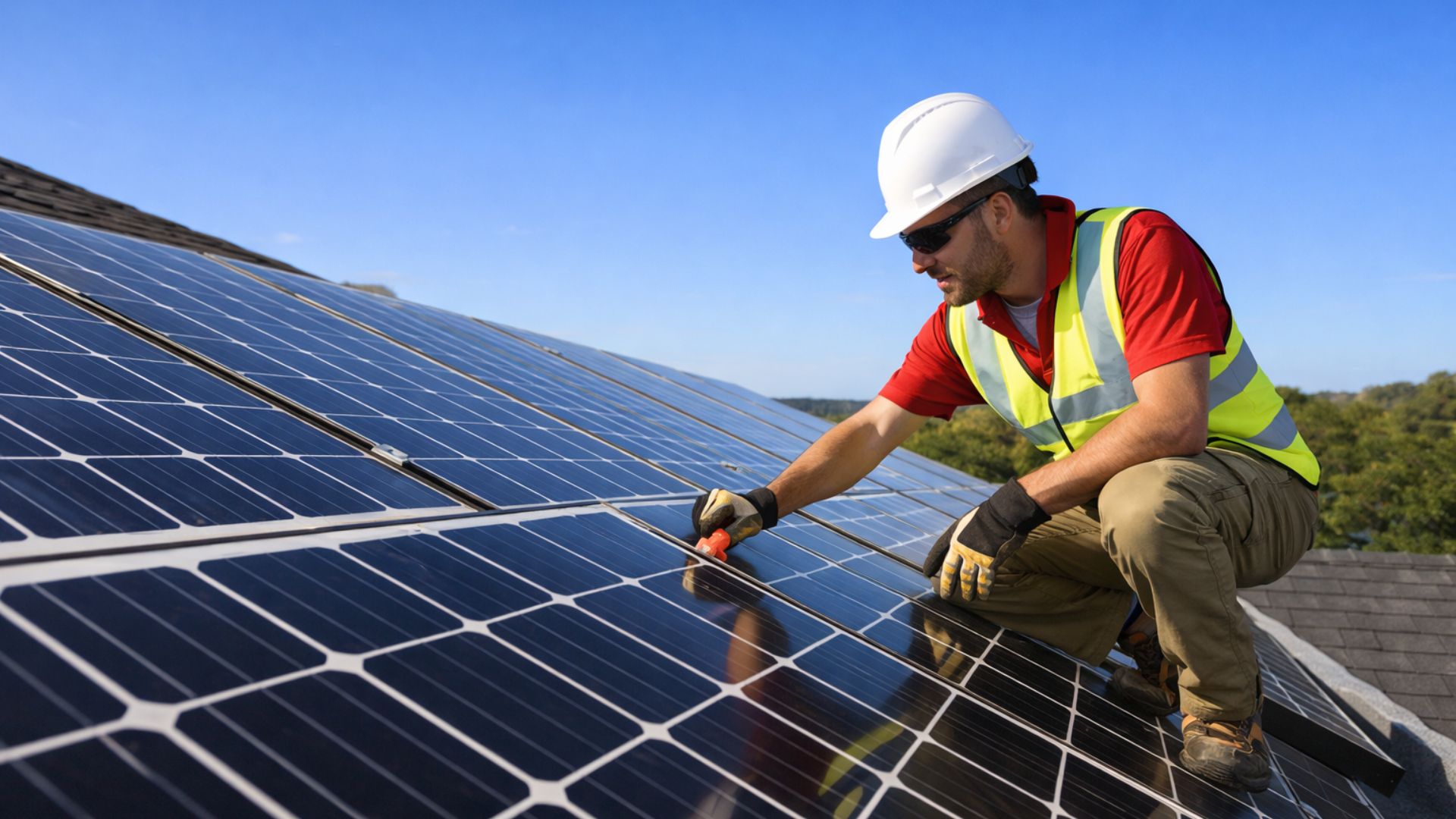
Seagri’s headquarters invests in solar energy with Neoenergia Coelba and promises to cut electricity costs, highlighting a strategic advance in sustainability and energy efficiency within state public administration.
-
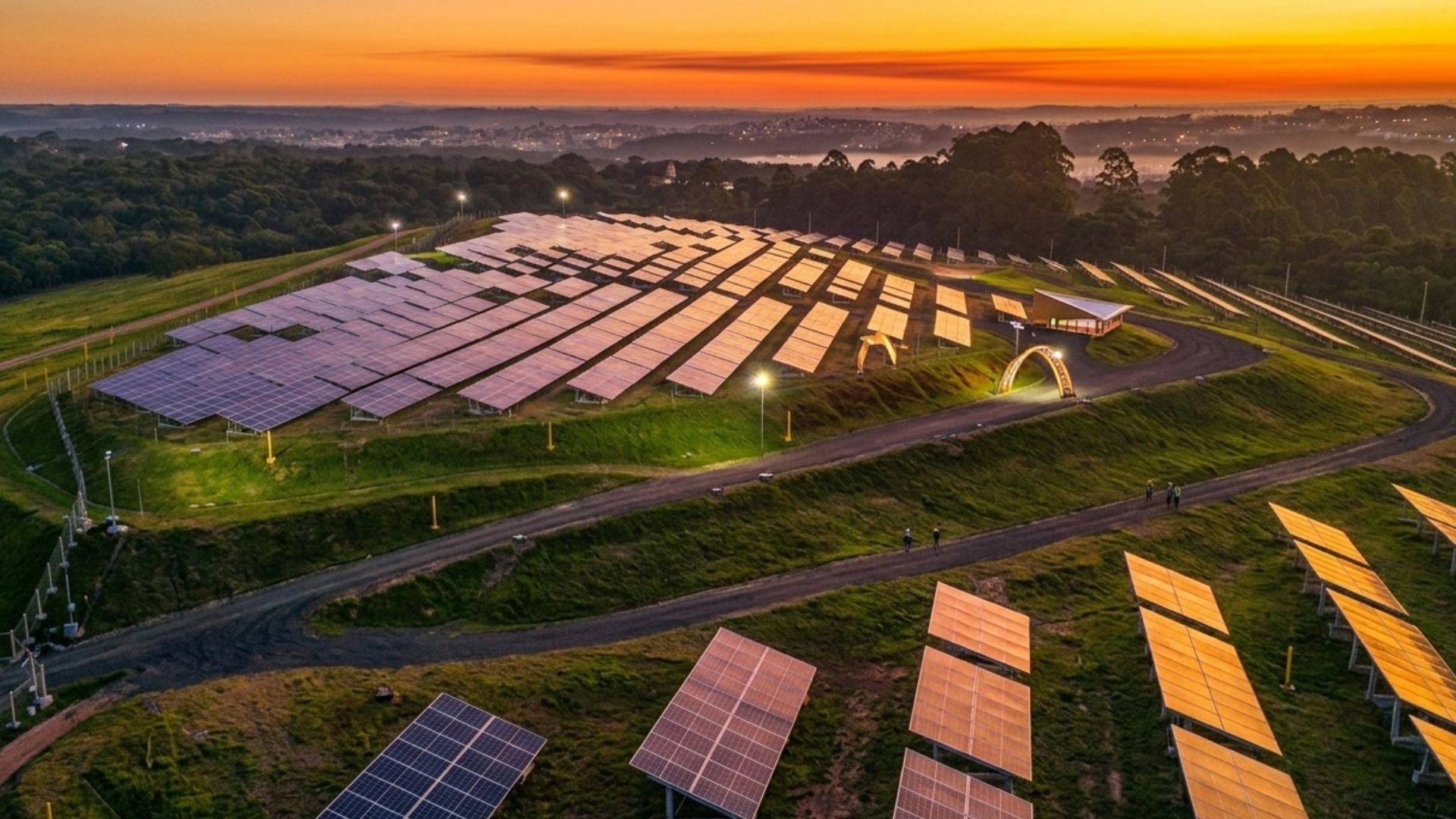
Solar Pyramid draws attention by converting solar energy into million-dollar savings and repositioning the City Hall of Curitiba as an example of innovation, sustainability, and intelligent use of public resources.
-
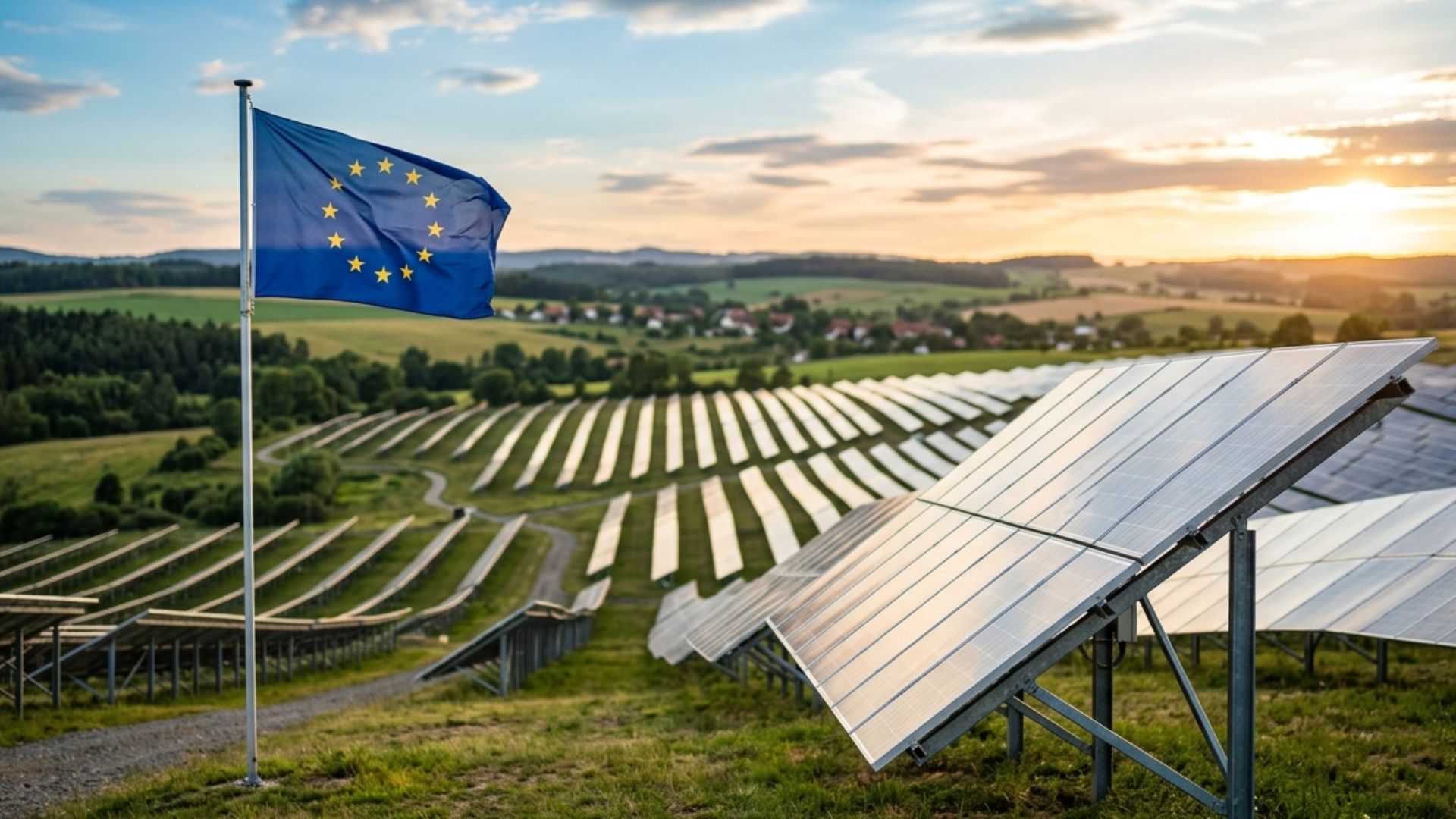
Europe records strong euro economy with solar energy in March and sparks curiosity about which country leads growth that redefines the energy market and reduces costs.
-
Piauí reaches a historic milestone in energy transition: State records nearly 160,000 households powered by solar energy and leads growth in the Northeast.
Future Projections For Solar Energy In Brazil
The outlook is encouraging. In October 2024, ABSOLAR published studies showing that the installed capacity in Brazil is expected to reach 123.57 GW by 2030, a significant growth compared to current figures. This advancement, based on analyses such as linear regression, reflects confidence in the sector as one of the main pillars of sustainable development in Brazil. Since 2012, when it took its first steps, the solar sector has proven to be one of the most strategic matrices for the country’s energy future.










Seja o primeiro a reagir!