





 English
  Francês
  Alemão
  Italiano
  Japonês
  Norueguês
  Portuguese
  Spanish
  2 min of reading
  0 comments


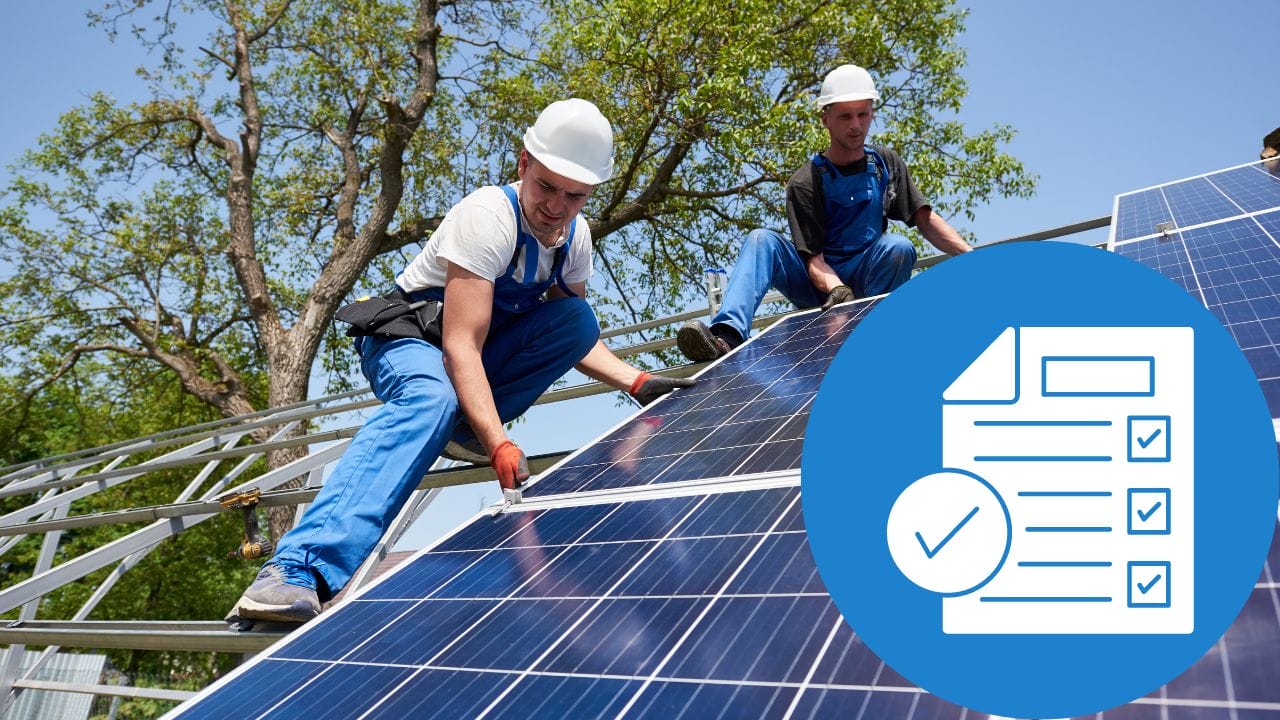
Solar Energy Is Undergoing Significant Regulatory Changes in Brazil. New Technical Standards Are Being Implemented, Bringing Mandatory Rules for Photovoltaic Installations.
In an informative video from the E4 Renewable Energies channel, João Souza from Ecore discusses these changes and the impact they will have on the solar energy sector.
The state regulations began in Minas Gerais and have already expanded to other states such as Mato Grosso and Goiás. These regulations are essential to ensure safety in photovoltaic installations, addressing issues such as fire prevention and electric shocks.
What Are the New Standards in the Solar Energy Market?
One of the main points of these new standards is the mandatory use of AFCI (Arc-Fault Circuit Interrupter) and RSD (Rapid Shutdown Device). The AFCI is a device that detects and interrupts electrical arcs, while the RSD is a quick shutdown system that reduces the voltage of solar panels to safe levels in case of an emergency.
-
With 160,000 m² of collectors, an area larger than 20 football fields, Silkeborg, in Denmark, hosts a solar thermal plant that heats 19,500 homes and could become the largest solar heating plant in the world.

-
A study reveals the expansion of renewable energy procurement in Brazil and shows how companies are taking advantage of opportunities to reduce expenses, ensure energy efficiency, and strengthen strategic environmental commitments.

-
Roraima bets on the sun to escape high tariffs: Amid the energy crisis and price hikes, solar energy is growing in Roraima and transforming consumption in the North region.
-
Mato Grosso do Sul excels in the sugar-energy sector: the state reaches a milestone of 22 operating mills and accelerates the production of clean energy in MS with a focus on sustainability.




These changes reflect the maturation of the solar energy market in Brazil. With the increasing adoption of this technology, as highlighted by the Agência Brasil, it becomes essential to ensure that installations are safe and reliable. The state technical standards are aligned with ABNT guidelines and other international regulations, aiming for the safety and efficiency of photovoltaic installations.
For Professionals in the Solar Energy Sector, It Is Crucial to Stay Updated with These Standards to Ensure Compliance in Future Installations
Moreover, owners of existing photovoltaic systems should be aware of these changes, as they may need upgrades to meet the new regulations, especially when renewing their permits.
The technical standards can be accessed on the websites of the state Fire Departments, where they are publicly available. It is important for both installers and end customers to be informed about these changes to ensure safe and efficient installations.
In summary, the new technical standards for photovoltaic installations are a positive step for the solar energy sector in Brazil. They provide more safety and reliability for installations, aligning the country with international standards of safety and energy efficiency.








Seja o primeiro a reagir!