





 Portuguese
  English
  Spanish
  3 min of reading
  0 comments


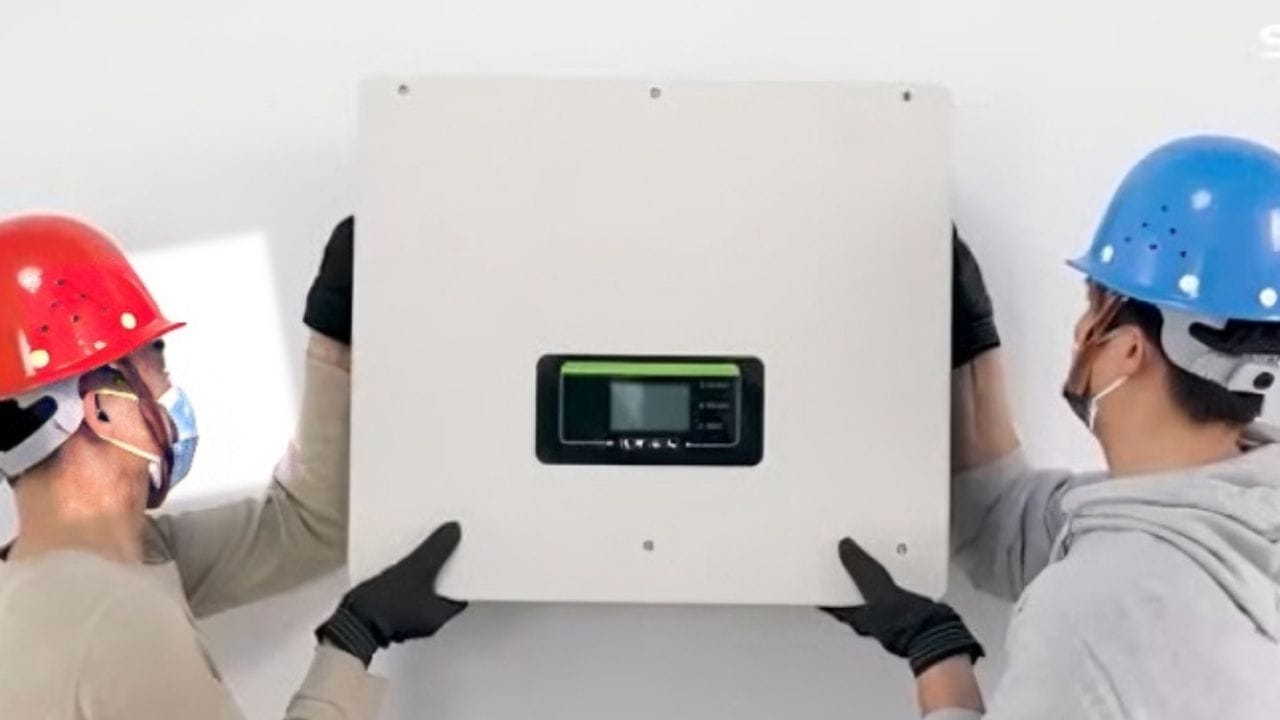
Discover The Power Of The 75,000W Three-Phase Inverter, Capable Of Powering Multiple Homes, Presenting A Detailed View Of Its Internal Operation And Energy Efficiency.
The 75,000W three-phase inverter from Sofar has attracted attention in the solar energy sector for its monumental capacity to provide enough power to supply all the homes in a neighborhood. With an on-grid and low voltage configuration, this inverter operates on 220V networks and is specially designed to be efficient and economical.
The minimalist design of the inverter features an accessible display with navigation buttons and three alert LEDs to indicate normal operation, alarms, and ground fault interruption (GFI) protection. The device can be explored internally, revealing its complex assembly and high-tech components that ensure its safe and effective operation.
New Three-Phase Inverter For Solar Energy
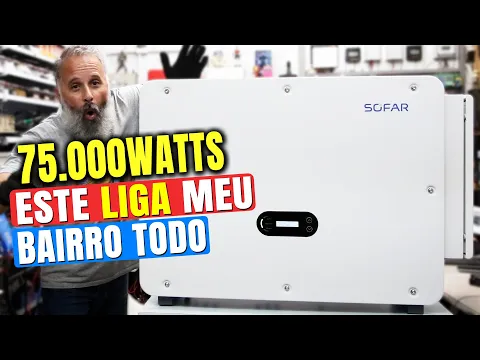

Internally, the inverter features a sophisticated architecture, including several ports for electrical connections, sealed components for IP66 protection, and a robust cooling system to maintain the equipment at optimal operating temperatures. The assembly and characteristics of the inverter, such as the support for multiple maximum power point tracking (MPPTs) and load management capabilities, are highlighted, demonstrating its suitability for large-scale solar energy projects.
-
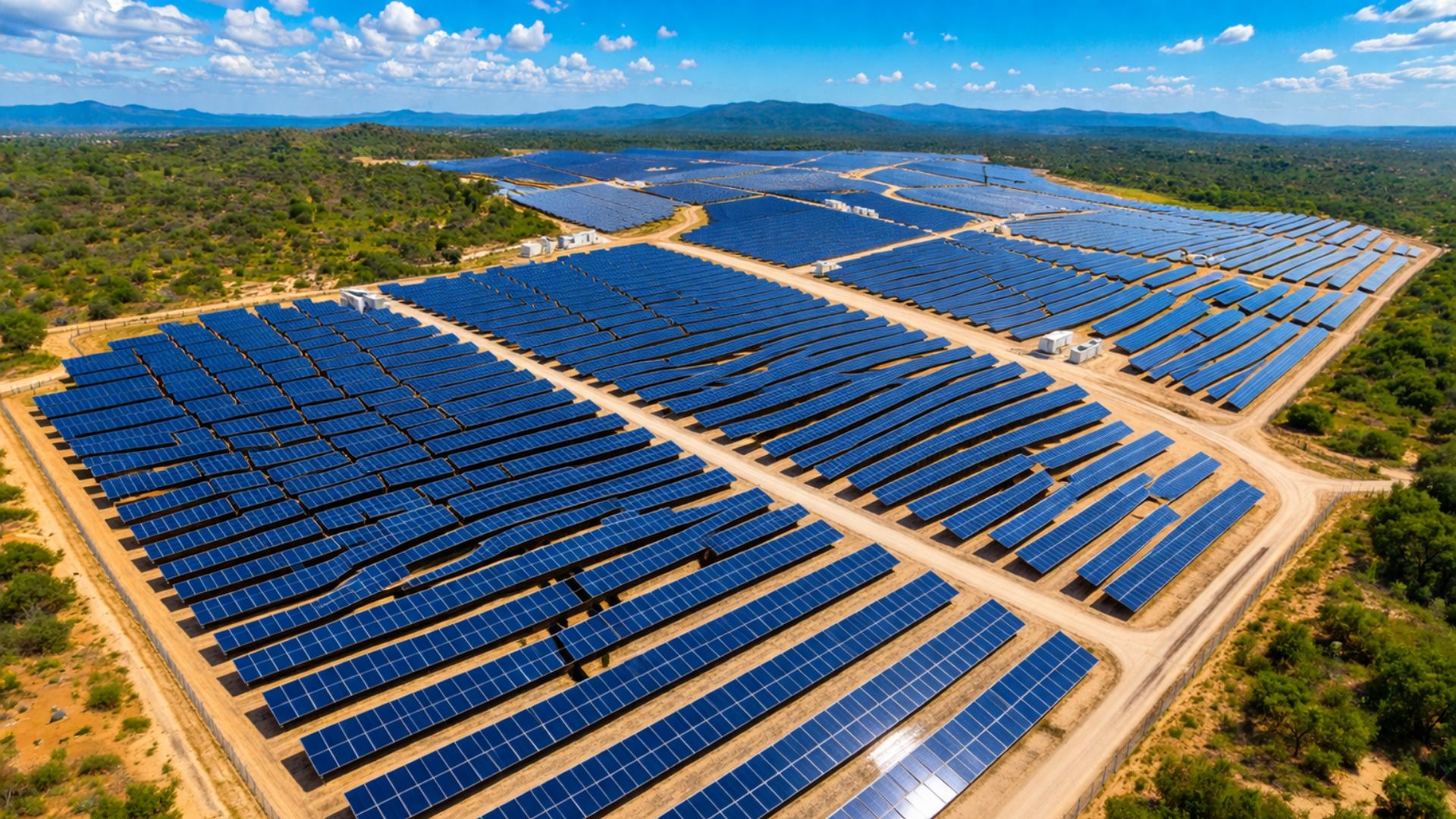
The Sol do Agreste Photovoltaic Complex begins operations in Pernambuco and accelerates the expansion of solar energy in Brazil, directly impacting the reduction of emissions and strengthening the sustainable energy matrix.
-
The Sol do Agreste Photovoltaic Complex begins operations in Pernambuco and accelerates the expansion of solar energy in Brazil, directly impacting the reduction of emissions and strengthening the sustainable energy matrix.
-
Renewable energy advances over protected areas in Brazil, and a survey by the Energy Transition Observatory reveals silent impacts that challenge environmental conservation and pressure sensitive traditional territories.

-
Rio Grande do Sul accelerates energy transition: State invests in renewable technologies and consolidates decarbonization strategies and pathways to attract billions in new industrial investments.


The analysis of the inverter is not limited to its energy capacity but also covers its ease of installation, maintenance, and integration with existing solar energy systems. The care in selecting components, such as the choice of built-in surge protection devices (DPS), reinforces the quality and reliability of the inverter.
The 75,000W three-phase inverter is an advanced solution in the solar energy market, offering a combination of power, efficiency, and reliability. Its design and technology not only promise to meet the energy needs of a community but also set a new standard in terms of innovation and performance in the inverter sector.
Understand The Different Types Of Solar Inverters
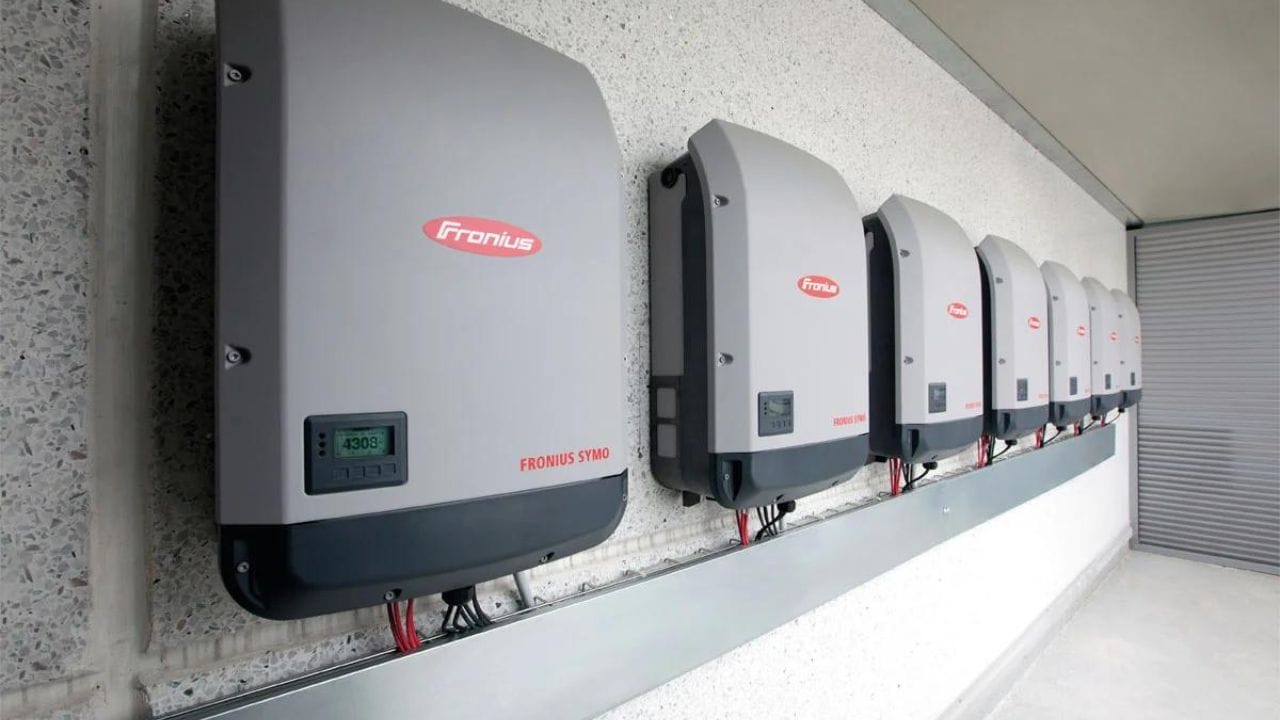
Microinverters:
- Usage: Each solar panel has its microinverter for DC to AC conversion.
- Advantages: Minimizes losses due to shading and allows individual monitoring.
- Disadvantages: Higher cost and complexity in installation and maintenance.
String Inverters:
- Usage: Connect multiple panels in series, suitable for systems with no significant shading.
- Advantages: Lower initial cost and simplified installation.
- Disadvantages: Performance affected by shaded panels.
Optimized String Inverters:
- Usage: Incorporate power optimizers on each panel, improving performance under shading conditions.
- Advantages: Increased efficiency in variable conditions.
- Disadvantages: Higher cost compared to standard string inverters.
Hybrid Inverters:
- Usage: Support connection to the grid and batteries, ideal for systems seeking energy autonomy.
- Advantages: Flexibility in storing excess energy.
- Disadvantages: Higher cost and possible need for frequent maintenance.
The choice of the ideal inverter depends on various factors, such as location, shading potential, the need for individual monitoring and the pursuit of energy autonomy. Evaluating these elements ensures the selection of an inverter that not only meets the needs for solar energy but also optimizes the efficiency and return on investment of the photovoltaic solar system.










Seja o primeiro a reagir!