





 Portuguese
  English
  Spanish
  6 min of reading
  0 comments


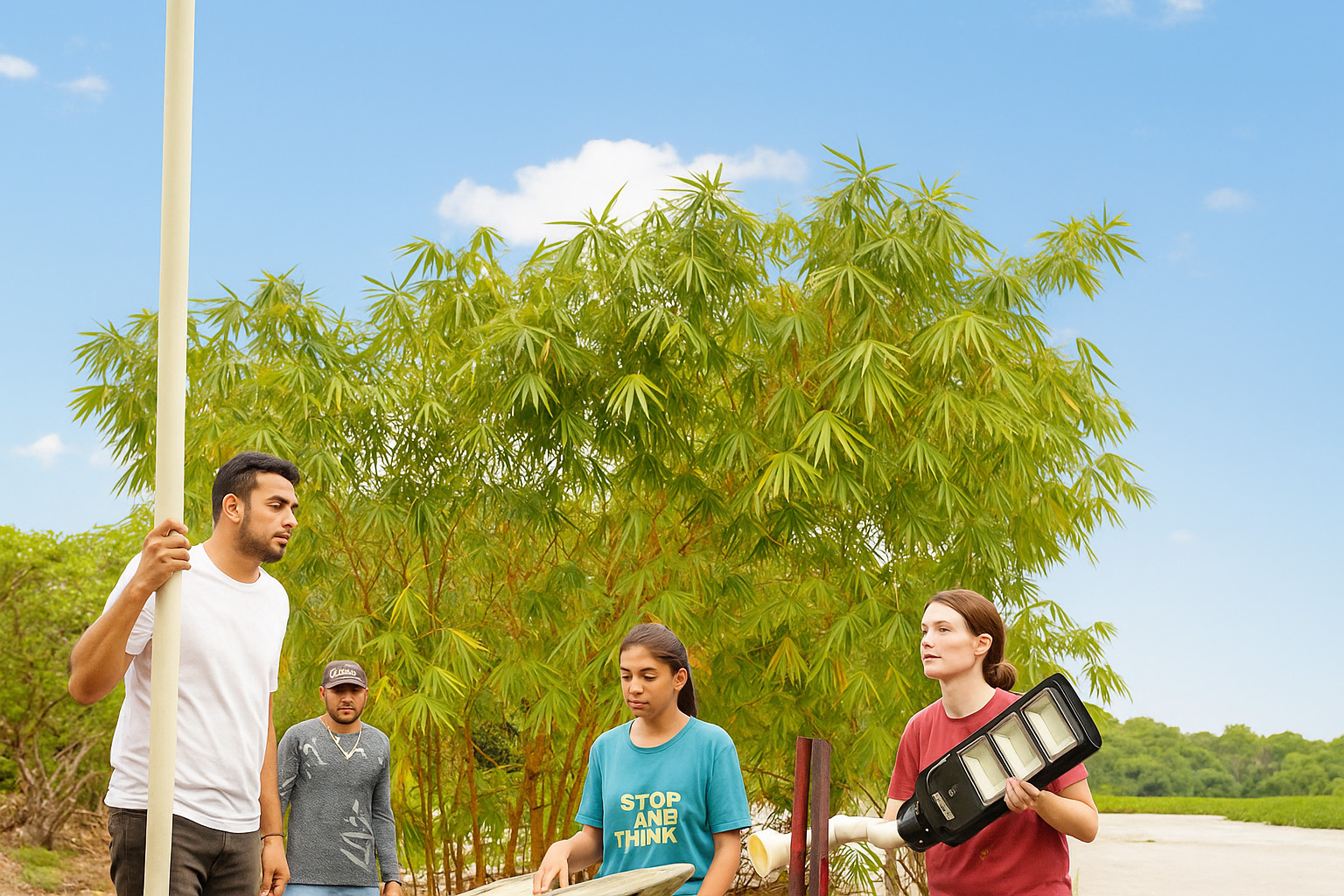
Solar Energy for Riverine Communities with the Biolume Project, Transforming Amazonian Communities with Sustainable Innovation and Social Inclusion.
The Amazônia has always been recognized as one of the richest regions in natural resources on the planet.
Its dense forests, extensive rivers, and unique biodiversity represent an incomparable heritage for Brazil and for the world.
However, a large part of the riverine communities faces difficulties in accessing electricity. Often, these communities depend on temporary or polluting solutions, such as kerosene lamps and diesel generators. These alternatives provide little security and harm the environment.
For this reason, solar energy initiatives for riverine communities arise as innovative and sustainable alternatives.
-
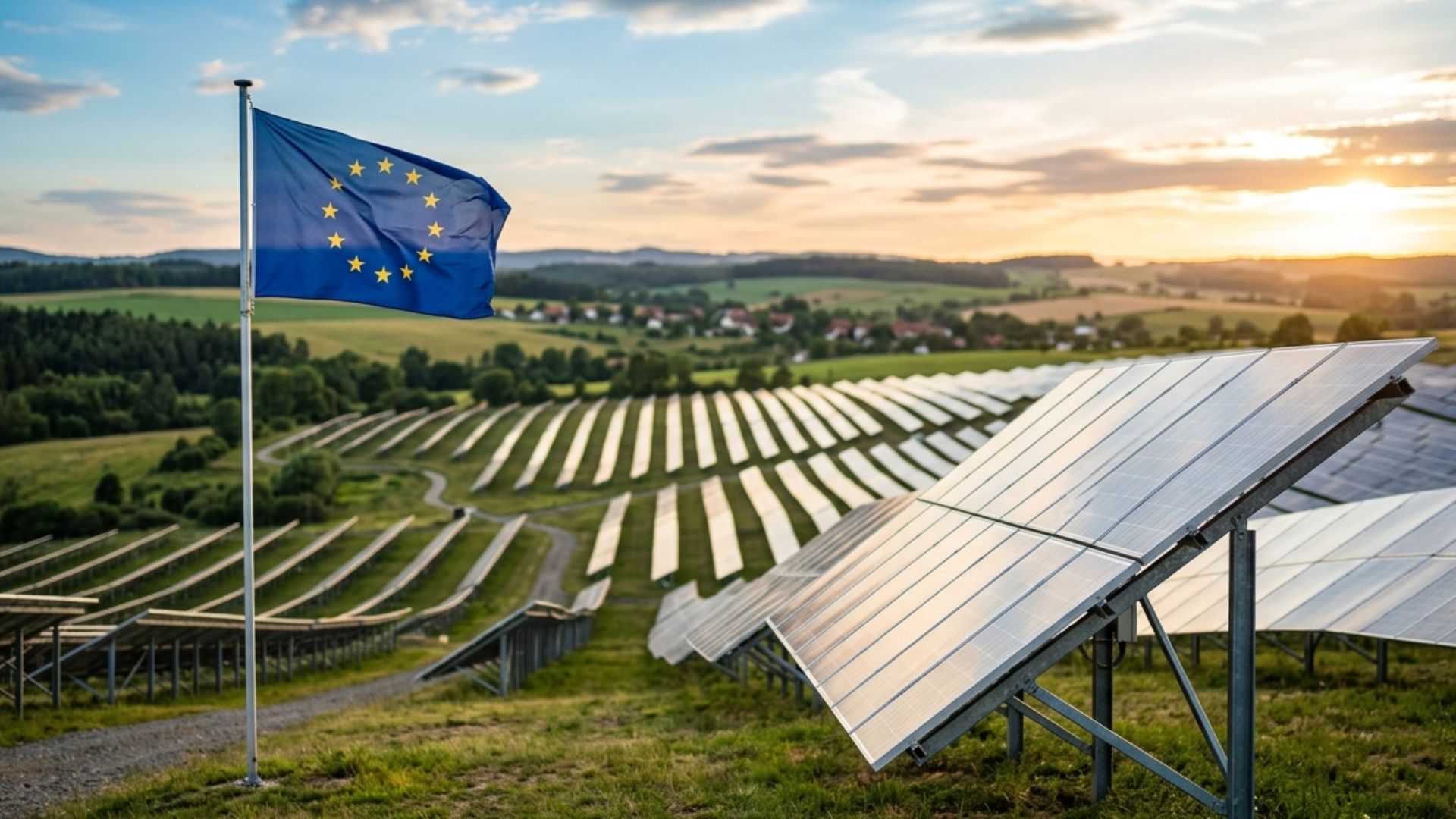
Europe records strong euro economy with solar energy in March and sparks curiosity about which country leads growth that redefines the energy market and reduces costs.
-
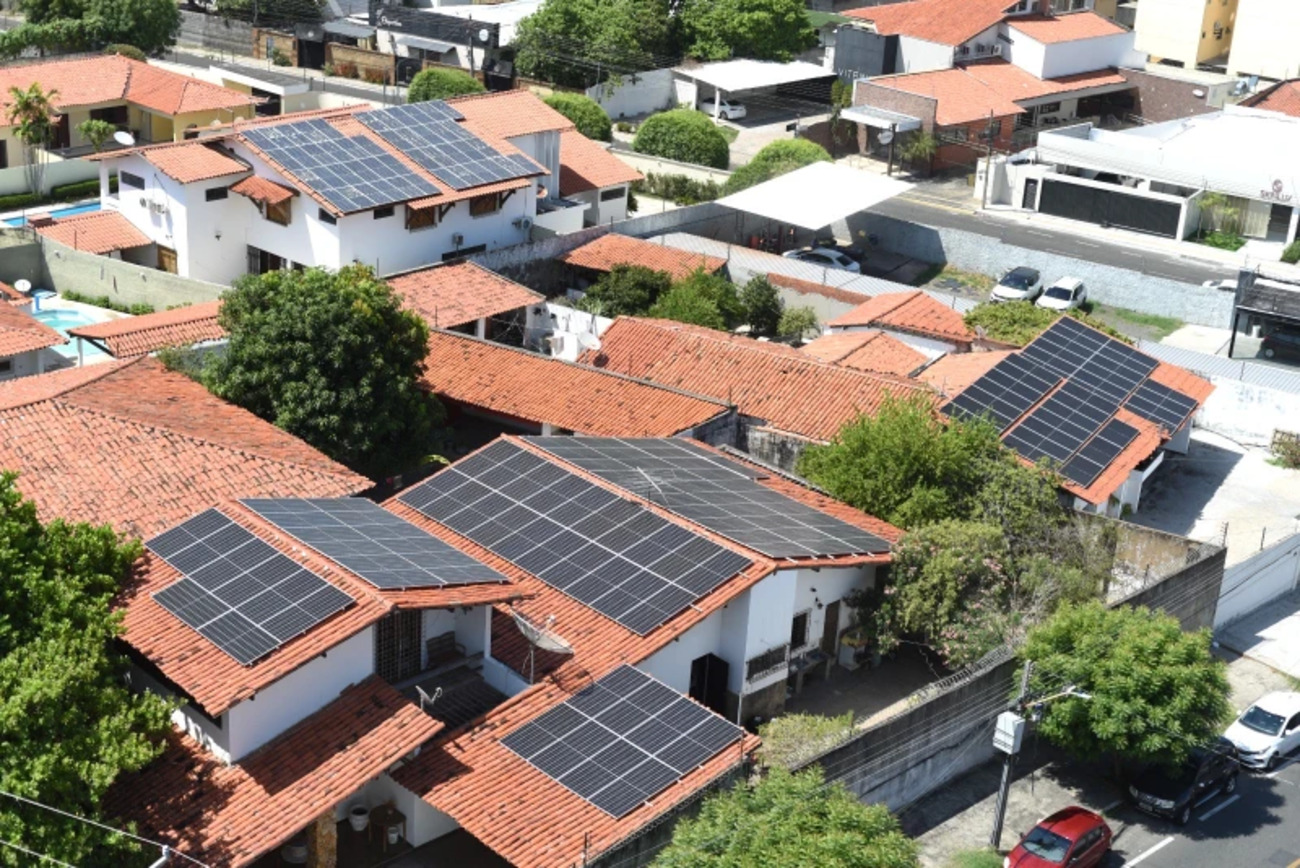
Piauí reaches a historic milestone in energy transition: State records nearly 160,000 households powered by solar energy and leads growth in the Northeast.
-
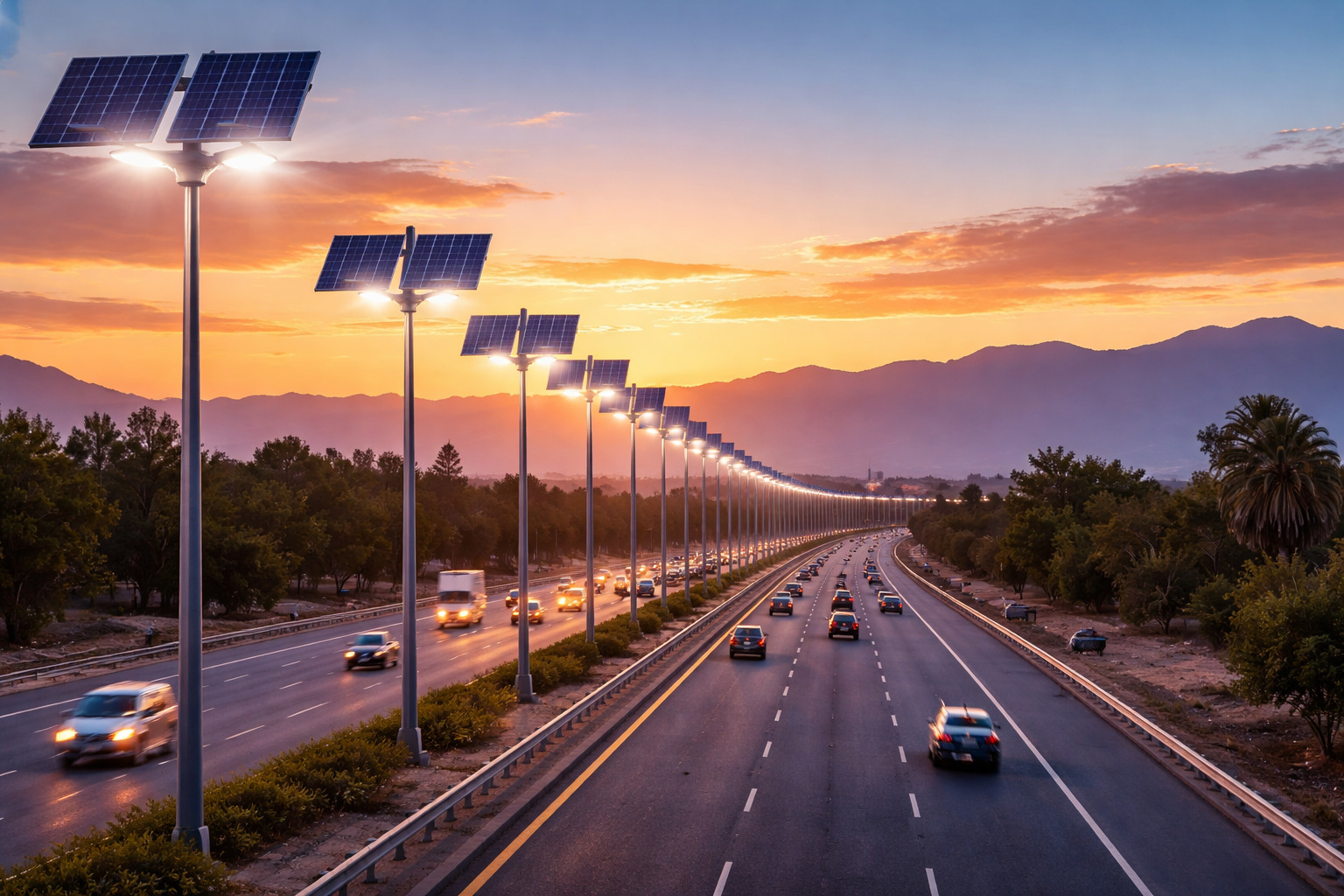
Argentina debuts its first 100% solar-powered highway and transforms an entire road into a showcase of clean energy.
-
Minas Gerais reaches a historic record and surpasses the power of Itaipu, but network costs generate debate: Understand why solar energy in MG impacts the electricity bill of those without panels.

Historically, the development of electricity in Brazil concentrated in large cities and industrial regions, leaving rural and riverine areas at a disadvantage.
Therefore, electrifying the Amazônia has always represented a challenge due to geographic complexity and the need for expensive infrastructure.
For decades, public policies and private initiatives have tried to fill this gap. However, the results have often remained limited and short-term.
Nonetheless, the arrival of renewable energy technologies, such as solar photovoltaic, has brought a new perspective on energy inclusion. This has allowed previously isolated regions to access reliable electricity.
Moreover, the historical concentration of energy in urban centers has contributed to a scenario of social inequality. In this context, riverine communities have remained marginalized from economic and technological development.
Consequently, the lack of electricity has directly impacted education, health, and the local economy.
It has created a cycle of difficulties that only innovative initiatives can break.
Thus, today, investment in solar energy for riverine communities represents not only an energy solution but also a form of social justice.
The Biolume Project and Its Social Impacts
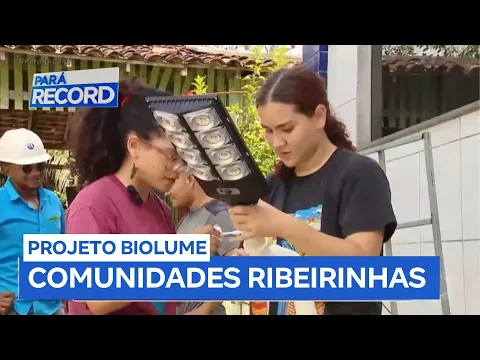
Then arises the Biolume project, envisioned by students from the Federal University of Pará (UFPA).
This project brings solar energy to riverine communities through low-cost solar posts made of PVC and easy to install.
Consequently, these posts provide a practical and sustainable solution, replacing less efficient and polluting traditional methods.
Since its launch in 2024, the project has already benefited 16 communities in Brazil and has started to expand to African countries, such as Eswatini and South Africa. This shows that the Amazonian experience can serve as a model for other regions of the world.
The impact of Biolume goes beyond the simple installation of solar posts. In fact, adequate electrification allows riverine communities to access safe nighttime activities, extended education, and better health conditions.
Riverine resident Neudice Almeida, for example, reports that they previously relied on generators and faced difficulties at night.
However, with the arrival of solar energy, the daily life of the community has changed, bringing more safety and comfort.
Additionally, electricity opens doors for new local enterprises, such as small businesses and cultural activities, which depend on reliable lighting.
Another relevant point involves strengthening community autonomy. Thus, with solar energy, communities reduce costs with fossil fuels and gain the capacity to plan their own projects. This generates local jobs and stimulates entrepreneurship.
Furthermore, integrating simple technologies with accessible materials allows the community to participate actively in the implementation process, promoting practical learning and a sense of belonging.
Environmental Benefits and Community Education
The project also offers significant environmental benefits. By using solar energy, Biolume reduces the emission of polluting gases, aligning with the UN’s Sustainable Development Goals.
In addition, the team plans to produce biodiesel from used cooking oil, strengthening a local circular economy.
Therefore, this approach not only generates environmental benefits but also creates educational opportunities, encouraging young people to engage with science, technology, and social entrepreneurship.
International recognition came when Enactus selected Biolume for the World Cup, which will take place in Thailand from September 25 to 28.
Enactus connects university students interested in social entrepreneurship projects, offering a platform to share innovative solutions to local and global problems.
Thus, the competition represents an opportunity to show the work developed in the Amazônia. It also allows to establish international partnerships, exchanging experiences with teams from other countries.
Moreover, Biolume serves as an inspiring example for other Brazilian universities. Consequently, solar energy projects for riverine communities encourage the creation of social innovation labs and the engagement of young people in applied research.
This shows that local solutions can resonate globally. Therefore, practical education strengthens the culture of sustainability and social responsibility in new generations.
Solar Energy as a Solution for Social Inclusion
The path taken by UFPA students is not recent. Since 2014, Enactus UFPA has encouraged projects that unite innovation, sustainability, and social impact. Therefore, Biolume demonstrates how student initiatives can transform realities.
The team mobilizes financial resources through crowdfunding and support from partners.
This highlights society’s engagement in favor of sustainable solutions and energy inclusion.
The Amazon’s experience with solar energy for riverine communities also fits into a broader historical context of energy transition in Brazil and the world.
In recent decades, Brazil has significantly increased the adoption of renewable energies, driven by the need to reduce dependence on fossil fuels and mitigate the impacts of climate change.
Additionally, solar energy, in particular, has gained prominence due to its scalability, low maintenance costs, and applicability in remote areas.
Therefore, projects like Biolume show that it is possible to integrate technological innovation with respect for communities and the environment.
Moreover, the dissemination of solar energy for riverine communities strengthens energy autonomy and reduces vulnerability to external crises, such as blackouts or abrupt increases in fossil fuel prices.
Consequently, this perspective broadens the concept of sustainable development. It integrates economy, environment, and social justice.
Impact on Quality of Life and Future Expansion
The value of rural electrification goes beyond comfort. In fact, it represents autonomy, security, and social inclusion.
For riverine communities, the presence of solar energy allows children to study at night, health professionals to operate essential equipment, and families to enjoy safe and reliable lighting.
Moreover, the use of renewable sources strengthens the resilience of communities in the face of energy crises, climate change, and fluctuations in the fossil fuel market.
Biolume showcases the power of university education in social transformation. Thus, students apply knowledge of engineering, management, and social sciences to create concrete solutions that directly impact people’s lives.
Therefore, this type of initiative stimulates entrepreneurial spirit and environmental awareness, training professionals prepared to face the challenges of the 21st century.
Additionally, it strengthens the sense of belonging and social responsibility, encouraging young people to act proactively in their communities.
The potential for expansion of solar energy for riverine communities is still enormous. In fact, the Amazônia has thousands of isolated communities that could benefit from similar solutions.
Furthermore, Biolume’s model demonstrates high replicability, as it uses accessible materials, local labor, and simple technology. This makes it viable for regions with limited infrastructure.
International experiences show that models like Biolume adapt easily to other contexts, especially in African and Asian countries facing similar rural electrification challenges.
Social Innovation and Sustainability
In summary, the Biolume project represents an inspiring example of how innovation, sustainability, and social action go hand in hand.
Thus, the initiative shows that, even in remote and historically disadvantaged regions, it is possible to promote significant changes through technology and student engagement.
Solar energy for riverine communities functions not only as a technical solution but also as an instrument of inclusion, education, and community development.
Therefore, the international recognition of the project reaffirms the importance of valuing local initiatives and supporting young entrepreneurs working for a more sustainable future.
The journey of Enactus UFPA and Biolume demonstrates that the combination of creativity, science, and social awareness transforms realities.
As the Amazônia solidifies its position as a hub for innovation in renewable energy, projects like this reinforce the idea that local solutions can have a global impact, promoting sustainable development, environmental preservation, and improving the quality of life for riverine communities.
With the support of society, academic institutions, and international partners, the expansion of solar energy for riverine communities has the potential to grow even more. It establishes itself as a replicable model of social innovation in various parts of the world.









Seja o primeiro a reagir!