





 Portuguese
  English
  Spanish
  2 min of reading


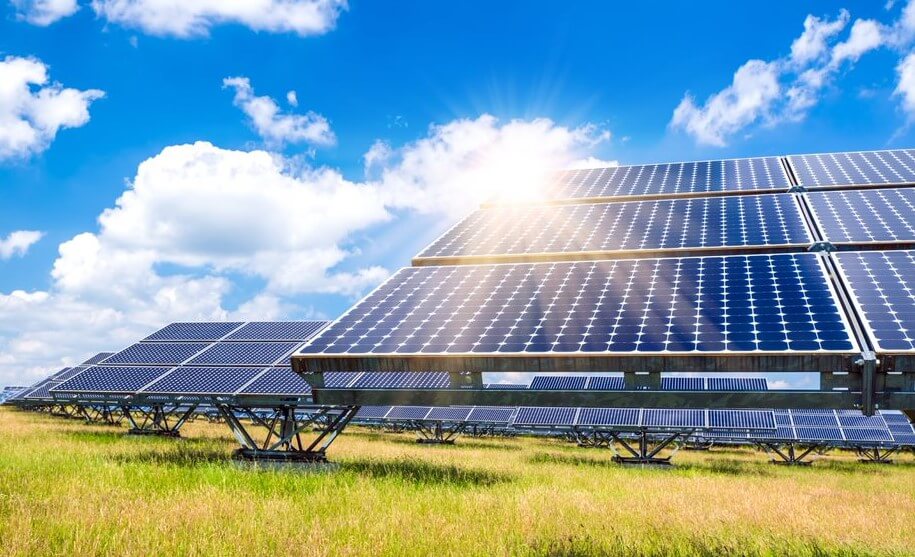
The Expectation Is That The Solar Energy Sector Will Grow With The Implementation Of New Grid-Connected Systems; Last Year The Expected Was 141 GW
BloombergNEF (BNEF) presented a report showing that with the implementation of the new grid connection system, the expectation is that it will increase in the coming years, with 209 GW of solar energy expected to be installed globally this year – compared to 141 GW in 2020. The Global Photovoltaic Market Outlook also highlighted that the implementation of new grid-connected photovoltaic systems is expected to increase even more in the coming years. It is anticipated to rise by 221 GW by 2022 and 240 GW by 2023.
Check Out Other News Of The Day:
- Sales Of Machines And Equipment Generate R$ 12.5 Billion In January, According To Abimaq
- Ceará Stands Out And May Become A Major Exporter Of Green Hydrogen To Germany
- The Privatization Of Eletrobras Aims Mainly At Reducing Rates On Electricity Bills And Not Just Revenue
BNEF, in its report, states that “At least 160 GW of solar capacity will be installed in 2021. Most markets will grow, especially India, which has a large number of projects delayed in 2020, and China, which is expected to maintain growth to stay on track for its net zero target by 2060.”
Scarcity Of Raw Materials For Equipment:
BloombergNEF dispelled any concerns about supply shortages, noting the planned expansion of production capacity for polysilicon, wafers, and glass. Analysts participating in the report said that “Although some polysilicon bottlenecks persist, material prices should stabilize around US$ 12 / kg this year. We expect prices to drop to around US$ 0.19 / W for standard modules based on 166 mm wafers, with larger format panels commanding a premium in markets without punitive trade tariffs.”
-
Renewable energy advances over protected areas in Brazil, and a survey by the Energy Transition Observatory reveals silent impacts that challenge environmental conservation and pressure sensitive traditional territories.

-
Rio Grande do Sul accelerates energy transition: State invests in renewable technologies and consolidates decarbonization strategies and pathways to attract billions in new industrial investments.

-
With 160,000 m² of collectors, an area larger than 20 football fields, Silkeborg, in Denmark, hosts a solar thermal plant that heats 19,500 homes and could become the largest solar heating plant in the world.

-
A study reveals the expansion of renewable energy procurement in Brazil and shows how companies are taking advantage of opportunities to reduce expenses, ensure energy efficiency, and strengthen strategic environmental commitments.


Silicon Availability:
According to the company’s analysis, even if the United States and Europe imposed effective sanctions on products from the province, silicon from outside Xinjiang is sufficient to meet demand. This issue may require crystal ingot suppliers to maintain some non-mixed products to supply these markets, which could slightly increase prices and benefit First Solar, a major supplier of solar modules that do not rely on silicon.









Seja o primeiro a reagir!