





 Portuguese
  English
  Spanish
  3 min of reading
  1 comment




Discover How Photovoltaic Glass is Revolutionizing Solar Power Generation and Boosting Sustainability.
In recent years, the idea of facades and windows that generate electricity has been a dream for many. Thanks to technological advances, this vision is becoming increasingly closer to reality. In this article, we will explore the key technology driving this transformation: Photovoltaic glass generating solar energy.
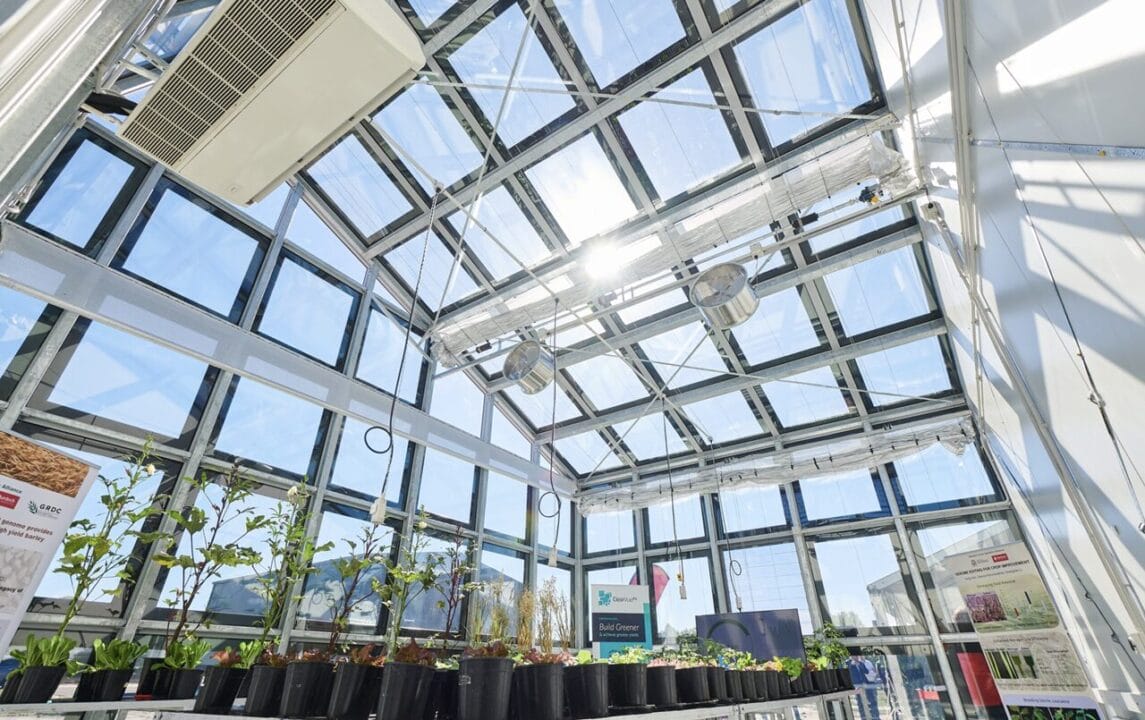
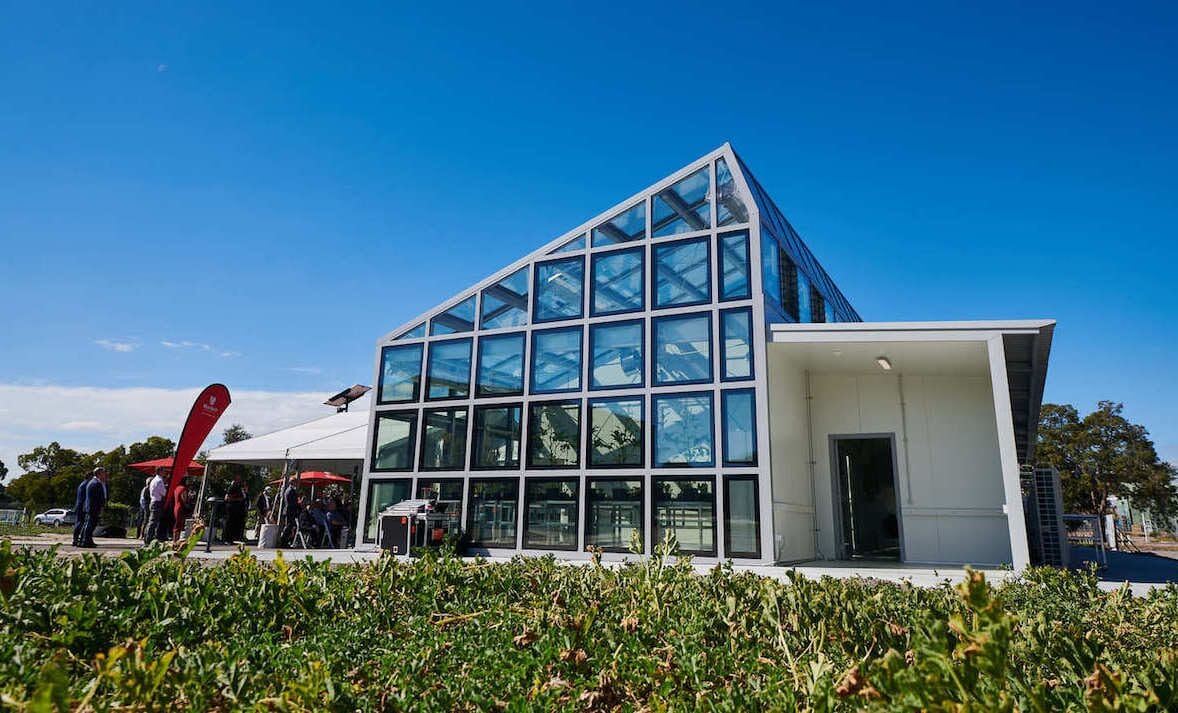
Two years after the inauguration of the world’s first transparent solar glass greenhouse at Murdoch University, researchers revealed that the building offset almost 40% of its energy consumption. The state-of-the-art installation, built by smart building materials company ClearVue Technologies, utilized three different versions of transparent photovoltaic solar glass panels to optimize solar energy.

Innovative Technology for Solar Energy Capture
The results of a two-year study showed that the building consistently generated energy and significantly offset the costs and energy consumption of the facilities. This result was due to fluorescent particles in the transparent glass solution designed to diffuse solar energy to optimally positioned solar cells, allowing for solar energy capture even when the sun was not shining directly on the glass, the researchers explain.
-
The Brazilian state accelerates industrial competitiveness with a focus on the extraction of strategic minerals to boost the energy transition in Goiás.

-
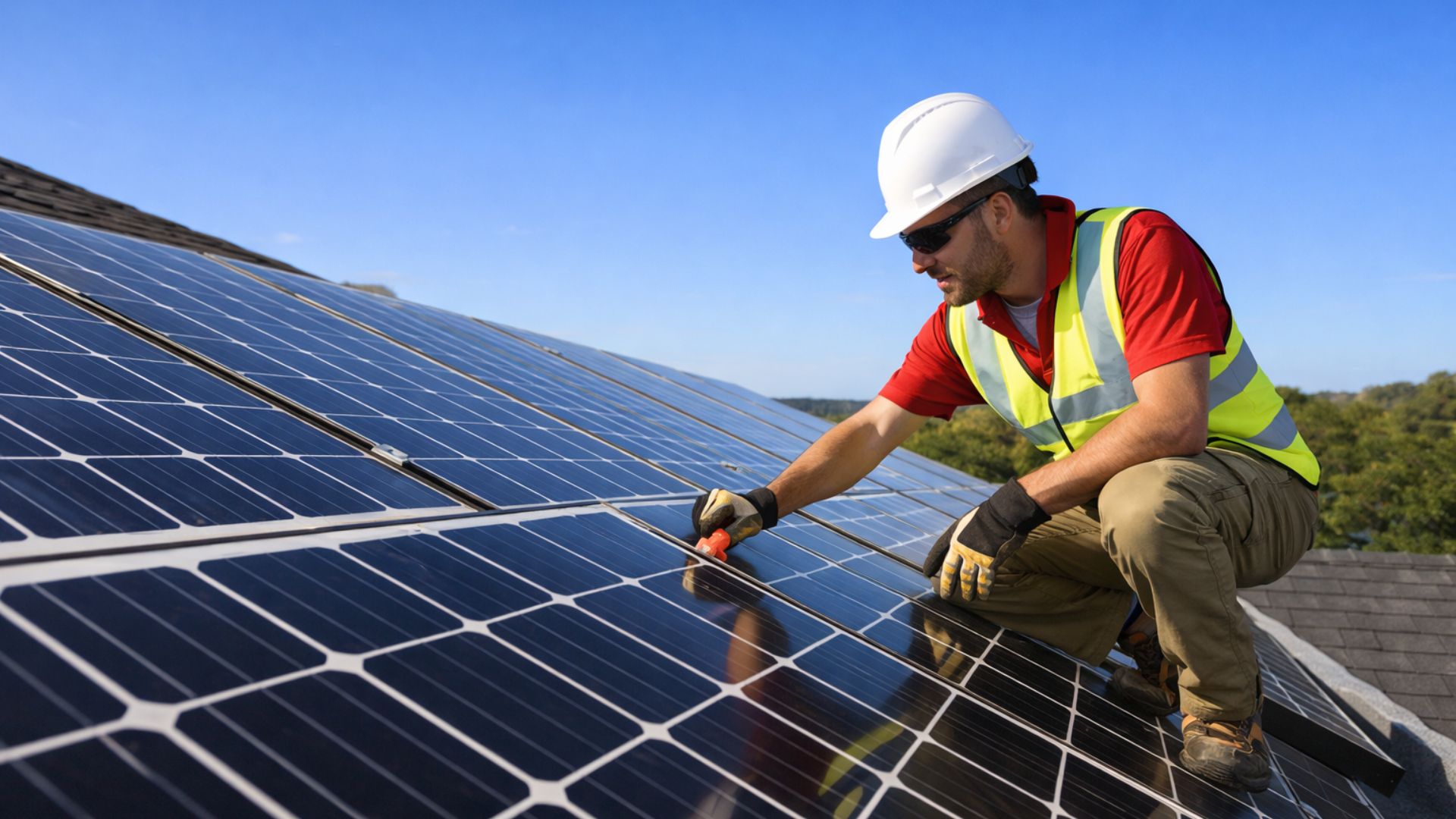
Seagri’s headquarters invests in solar energy with Neoenergia Coelba and promises to cut electricity costs, highlighting a strategic advance in sustainability and energy efficiency within state public administration.
-
A Canadian retiree creates a hydroelectric system on a real river, generating energy continuously throughout the day and demonstrating how the power of water can supply a house with stability even in a simple structure.

-
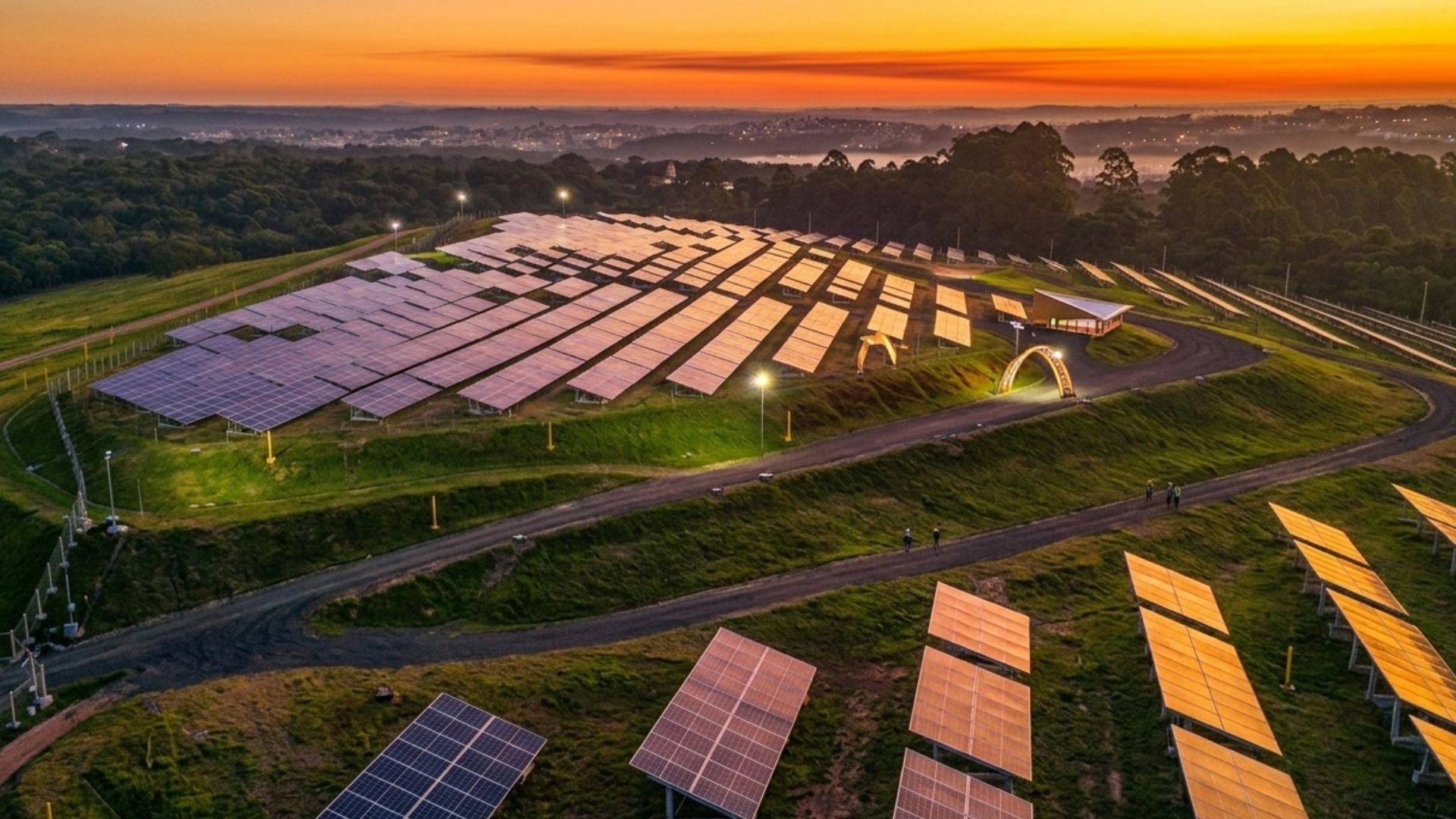
Solar Pyramid draws attention by converting solar energy into million-dollar savings and repositioning the City Hall of Curitiba as an example of innovation, sustainability, and intelligent use of public resources.

Photovoltaic Glass: Transparency That Generates Energy
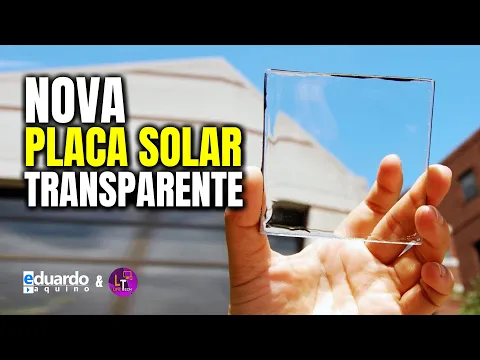
Photovoltaic glass is a type of glass that incorporates solar cells into its structure, allowing light to pass through while generating electricity. Companies like Onix Solar have been pioneers in this field, completing over 400 projects worldwide, particularly in non-residential buildings such as shopping malls, office buildings, airports, universities, and hospitals.
There are several types of photovoltaic glass, such as semitransparent, translucent, and opaque, each with different levels of transparency and specific applications. While transparency may affect the glass’s efficiency, it offers additional benefits, such as improvements in thermal and acoustic insulation, as well as a modern aesthetic that fits architectural design.
Impact on Sustainability and the Future of Technology
The results will contribute to advancements that should broaden the use of solar energy, which aligns with Murdoch University’s strategy to become a recognized center of excellence in sustainability. Martin Brueckner, Pro Vice-Chancellor of Sustainability at Murdoch University, stated that the greenhouse also has broader implications, demonstrating how innovative materials can help improve the environmental performance of buildings and structures.
Economic Viability
In terms of economic viability, it is noteworthy that despite a higher initial investment, the return on investment for these systems can be quick, in some cases between 2 to 4 years, making them attractive for various applications in commercial, institutional, and industrial buildings.
The implementation of these technologies offers significant benefits both for the environment and the economy, enabling greater electricity generation from renewable sources and reducing the costs associated with building climate control. While it is still necessary to continue innovating and developing new technologies to harness the full potential of solar energy, these solutions represent an important step towards energy sustainability in the construction sector.










Porque não usar a energia da batera do carro para gerar corrente contínua (modificar a batera com 4 polos usando 2 baterias e um estabilizador de voltagem mas um aparelho que faz o gerado funcionar.voce pode usar está energia on grid