





 Portuguese
  English
  Spanish
  3 min of reading
  0 comments


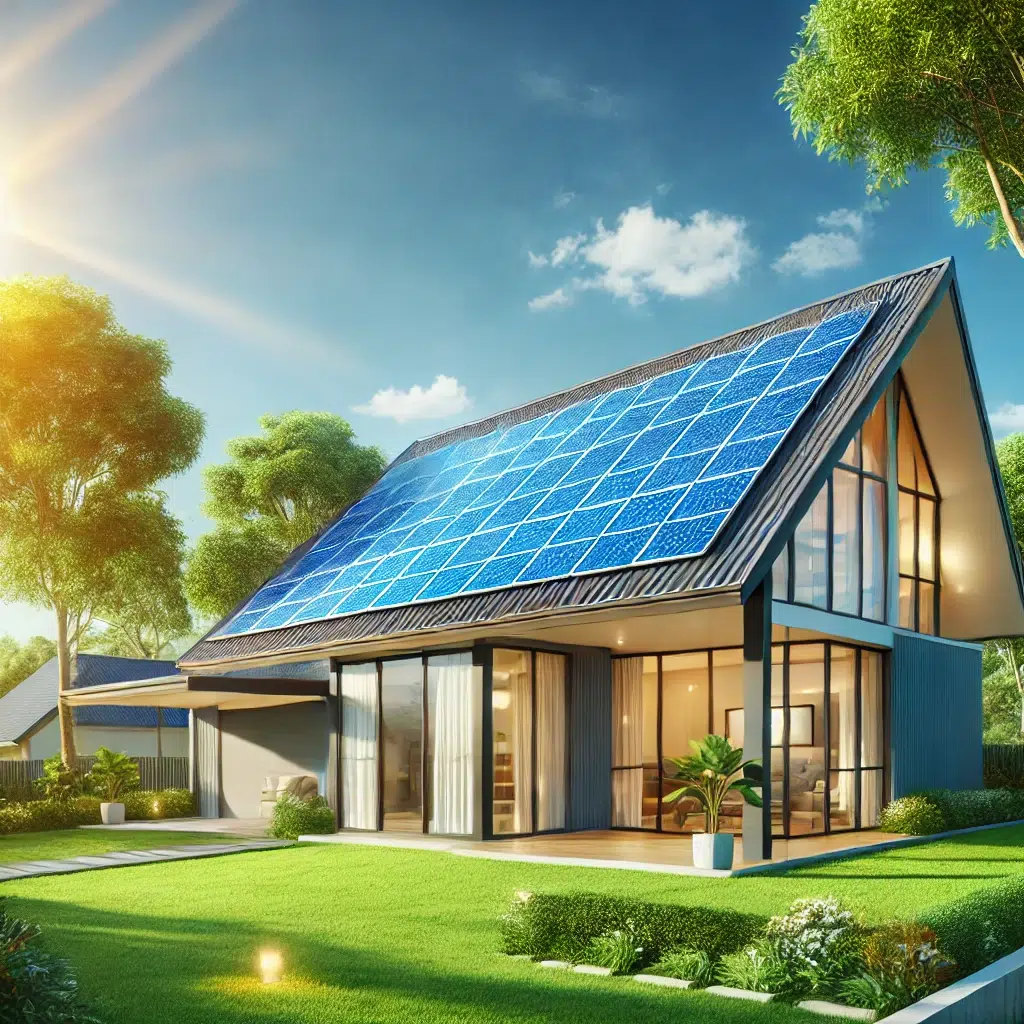
Know How Solar Energy Can Transform Your Home and Reduce Your Expenses
Residential solar energy is becoming increasingly accessible and has thus become a beneficial option.
In this article, you will understand the main benefits of this technology, as well as discover how much it costs to install a photovoltaic system and how the installation process works.
This way, you will be able to evaluate if this alternative is ideal for your home and, consequently, how it can provide savings and sustainability.
-
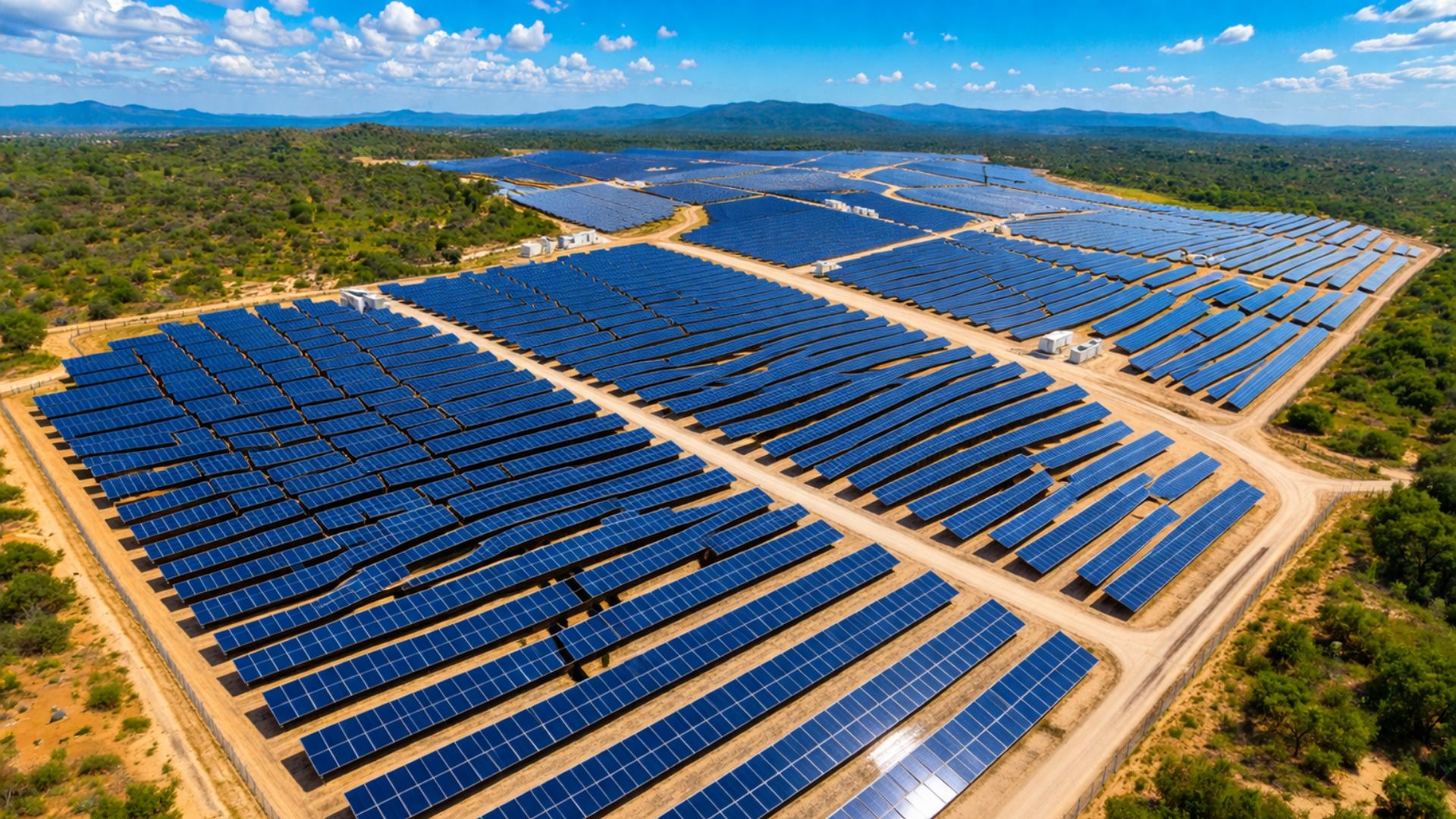
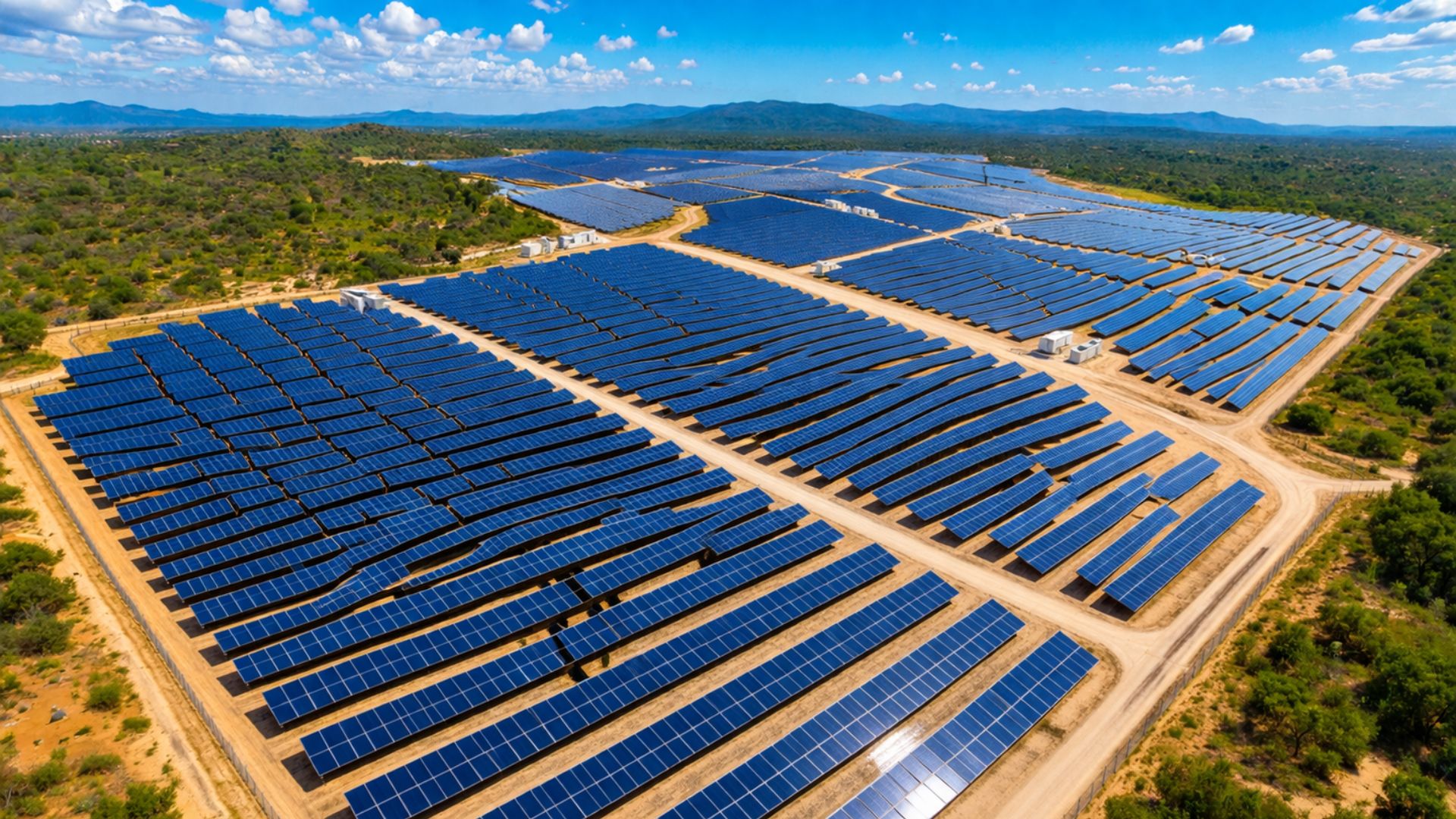
The Sol do Agreste Photovoltaic Complex begins operations in Pernambuco and accelerates the expansion of solar energy in Brazil, directly impacting the reduction of emissions and strengthening the sustainable energy matrix.
-
The Sol do Agreste Photovoltaic Complex begins operations in Pernambuco and accelerates the expansion of solar energy in Brazil, directly impacting the reduction of emissions and strengthening the sustainable energy matrix.
-
Renewable energy advances over protected areas in Brazil, and a survey by the Energy Transition Observatory reveals silent impacts that challenge environmental conservation and pressure sensitive traditional territories.

-
Rio Grande do Sul accelerates energy transition: State invests in renewable technologies and consolidates decarbonization strategies and pathways to attract billions in new industrial investments.


Residential Solar Energy: Is It Worth Investing?
Solar energy has become a popular alternative for residences in Brazil.
After all, with the constant rise in electricity rates and the search for sustainable solutions, many people consider installing photovoltaic systems. However, is it really worth investing?
In this text, we explore the benefits, costs, and installation process. This way, we ensure that you have all the necessary information to make an informed decision.
The growth of solar energy in Brazil received a significant boost starting in 2012, when the National Electric Energy Agency (ANEEL) created Normative Resolution No. 482, which was improved upon when replaced by Normative Resolution 1.059.
This regulation allowed consumers to generate their own energy and inject the surplus into the power grid, creating the energy credit compensation system.
Since then, photovoltaic solar energy has seen a significant annual growth, reaching over 21 GW of installed capacity in 2023, according to data from the Brazilian Solar Photovoltaic Energy Association (ABSOLAR).
Benefits of Solar Energy
The significant reduction in electricity bills stands out as one of the main attractions of solar energy.
This occurs because a well-sized system can save up to 95% on the monthly bill. Furthermore, considering the excellent solar incidence in Brazil, energy production becomes favorable in almost all regions of the country.
Another positive aspect is the appreciation of the property.
In other words, homes with solar energy attract more buyers in the real estate market and can be sold for a higher price. Moreover, this energy source contributes to a cleaner planet, as it significantly reduces CO₂ emissions.
How Much Does It Cost to Install Solar Energy?
The initial investment depends on the size of the system and the energy consumption of the residence.
On average, the costs are:
- Small residences (up to 200 kWh/month) – R$ 10,000 to R$ 15,000;
- Medium residences (200 to 500 kWh/month) – R$ 15,000 to R$ 25,000;
- Large houses (over 500 kWh/month) – R$ 25,000 to R$ 50,000.
Even with an initial cost, the return on investment (payback) occurs within 4 to 7 years.
This means that solar panels last over 25 years, allowing the system to generate free energy for decades after the return on investment.
How Does Installation Work?
The installation process includes several essential steps.
First, a consumption and budget analysis is conducted to determine the ideal system size. Next, the project and approval with the utility company occur, ensuring the connection to the grid.
Subsequently, the installation of panels and the inverter takes place, usually lasting between 1 and 3 days.
Finally, the connection and approval from the utility company happens, enabling the system to start operating.
The first large-scale solar plant in Brazil was inaugurated in 2017 in the municipality of Pirapora, Minas Gerais.


Currently, Brazil has hundreds of solar plants, further boosting the renewable energy market.
So, Is It Really Worth the Investment?
Investing in residential solar energy ensures savings, sustainability, and property appreciation.
Moreover, with technological advancements and government incentives, this energy source is becoming increasingly accessible.
Thus, assessing your energy consumption and considering this alternative is an excellent strategy to reduce your long-term expenses.
Based on data from the Energy Research Company (EPE), it is estimated that by 2030, solar energy will represent over 15% of Brazil’s energy matrix.
This will solidify this technology as one of the main sources of electricity in the country.









-

Uma pessoa reagiu a isso.